



Kostel svaté Markéty (Horní Planá) Church
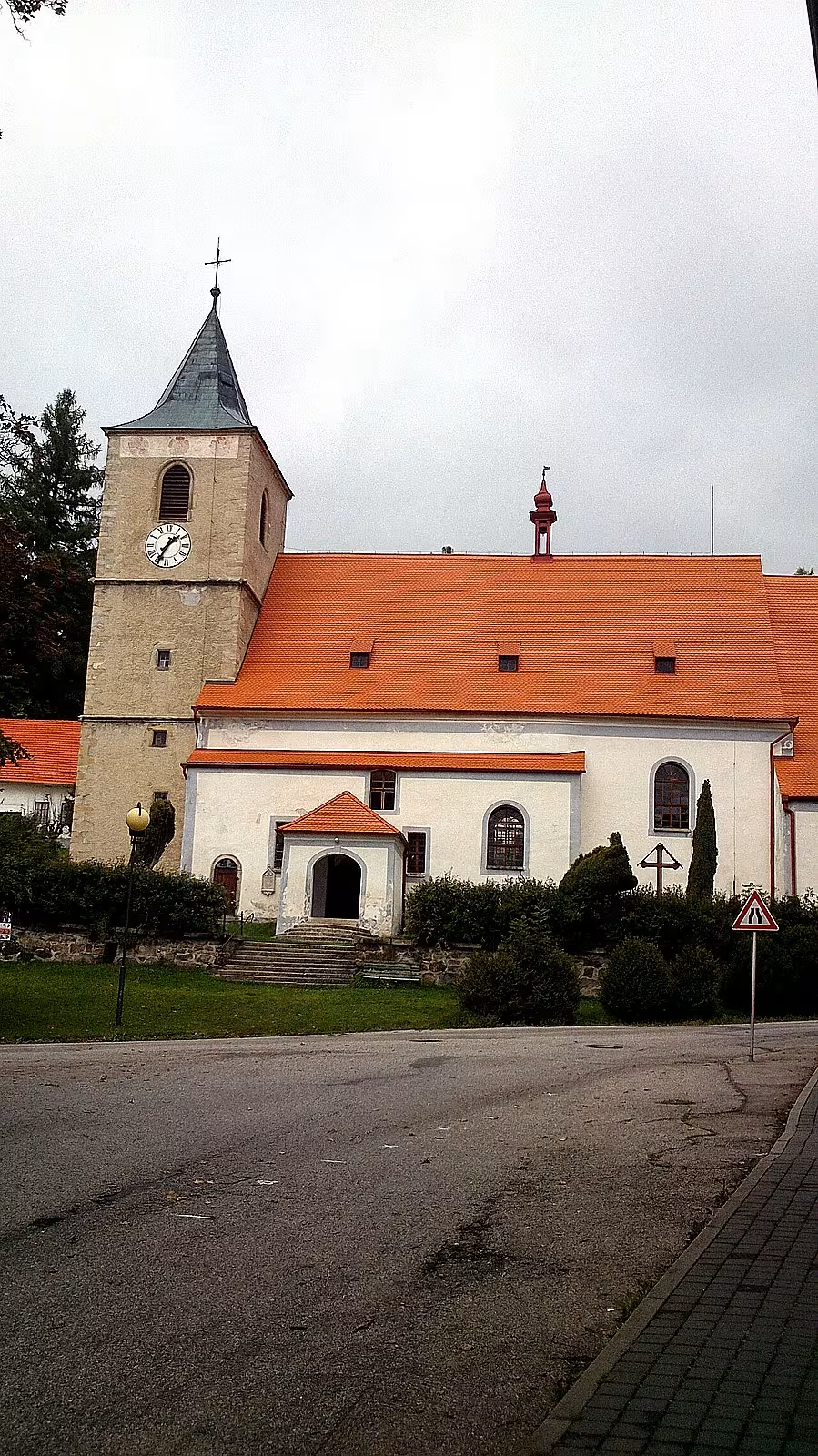
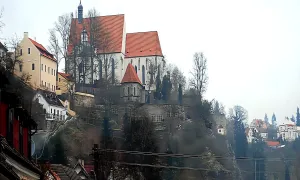
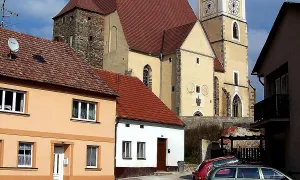
The Church of Saint Margaret in Horní Planá is a Romanesque church dating back to the mid-13th century. Situated in the northern part of the town square, it stands as a cultural monument in the Czech Republic. Its historical significance is enhanced by its location at a crossroads leading from České Krumlov to Želnava and Volary. Known for architectural transformations over the centuries, including Gothic and Baroque influences, this site offers insight into Bohemia's rich cultural tapestry during the Holy Roman Empire.
The church's earliest documented mention is in 1384, although it likely dates to the second quarter of the 13th century. During this period, Bohemia was part of the Holy Roman Empire and experienced significant cultural and architectural development. The prevalent Romanesque style reflected broader European trends towards more structured and monumental church designs.
Architecturally, the Church of Saint Margaret began as a Romanesque structure. By the second half of the 15th century, its tower was heightened, marking an early transformation phase. In the late 16th century, significant renovations introduced Renaissance frescoes depicting Panna Maria (Our Lady), svatá Kateřina (Saint Catherine), and svatý Vavřinec (Saint Lawrence). Further expansions occurred between 1694–1696, followed by modifications in 1774 when the gallery was extended. The church's current form includes a two-aisled structure with a polygonally terminated vaulted chancel, a vaulted sacristy, and an annex on its southern side.
Throughout its history, the Church of Saint Margaret has seen various changes in ownership and administration, though specific details are sparse. However, these transformations have contributed to its rich architectural tapestry. The church's interior features Baroque elements from the 17th and 18th centuries, including a late Gothic statue of Saint Wolfgang from the early 16th century once housed in a chapel niche. A Rococo pulpit dating back to 1763 adds to the church’s artistic heritage, alongside a stone baptismal font from 1805. The organ, built by Josef Breinbauer in 1865 and restored in 1902, is another notable feature.
Today, the Church of Saint Margaret remains an accessible cultural monument that draws visitors interested in its historical and architectural significance. Its blend of Romanesque origins with Gothic and Baroque influences offers unique insight into evolving styles over centuries. Visitors are encouraged to explore this site not only for its religious importance but also as a testament to Horní Planá's rich history and the broader region.
The Church of Saint Margaret stands as a valuable cultural asset, inviting visitors to appreciate its historical depth and architectural beauty. Its enduring presence in the town square serves as a reminder of the area's vibrant past and offers an enriching experience for those interested in exploring Bohemia’s heritage.
Then and now
Drag the slider to compare how the landmark may have looked when it was built with the view today.
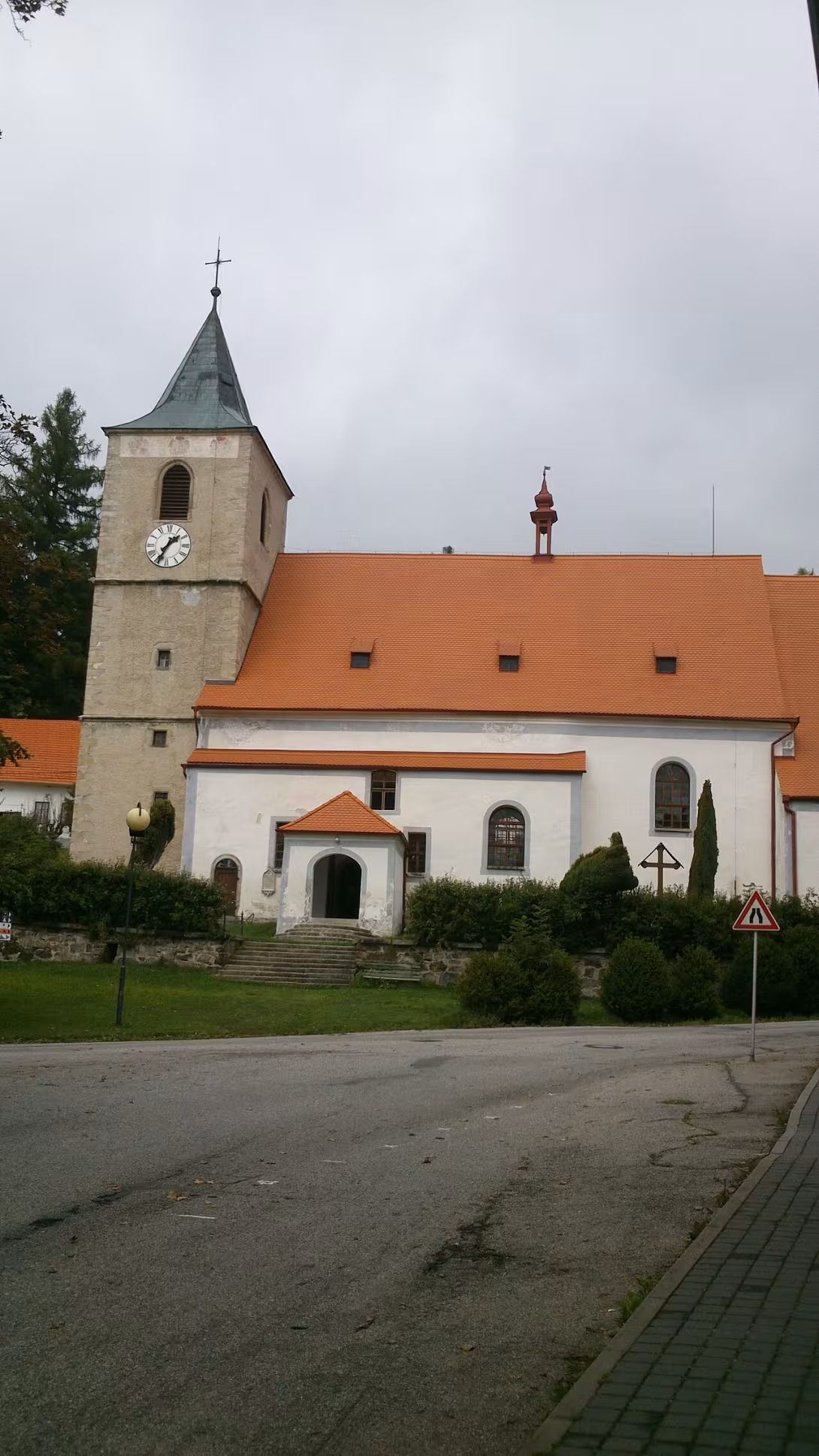

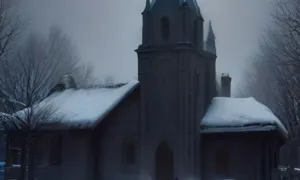
The historical appearance on the left is an AI-generated visualisation and serves as inspiration only.
Historical milestones
- 1384
- The church is first mentioned in historical records.
- 1500-1510
- A polygonal bell tower was added to the western facade.
- 1694-1696
- The church underwent expansion.
- 1774
- The gallery of the church was extended.
Architectural development
The Church of Saint Margaret began as a Romanesque structure in the mid-13th century. By the second half of the 15th century, its tower was heightened, and it underwent significant renovations in the late 16th century with Renaissance frescoes added. The church saw further expansions between 1694–1696 and again in 1774 when the gallery was extended.
Historical events
First mentioned in records in 1384.
In the second half of the 15th century, the tower was heightened.
Between 1694–1696, the church was expanded.
In 1774, the gallery was extended.
Points of interest
- The Church of Saint Margaret is located at a historical crossroads leading from České Krumlov to Želnava and Volary, which might have made it an important meeting point for travelers and traders in medieval times.
- Despite its Romanesque origins, the church's architecture showcases layers of Gothic, Renaissance, Baroque, and Rococo styles, reflecting the diverse artistic influences that swept through Bohemia over several centuries.
- The late 16th-century renovations introduced Renaissance frescoes depicting Panna Maria (Our Lady), svatá Kateřina (Saint Catherine), and svatý Vavřinec (Saint Lawrence), highlighting how religious art evolved to incorporate more humanistic elements during the Renaissance period.
- A notable feature of the church is a late Gothic statue of Saint Wolfgang from the early 16th century, which once occupied a chapel niche, suggesting that parts of the church were dedicated to specific saints and their veneration over time.
- The organ, crafted by Josef Breinbauer in 1865 and restored in 1902, underscores the importance placed on music within the church's liturgical practices, reflecting broader trends in European ecclesiastical music during the 19th century.
Guide
This guide is narrated by a synthetic voice generated by artificial intelligence.
Show guide text
This text was created by artificial intelligence and has not been editorially reviewed. It may contain inaccuracies.
Welcome to the Church of Saint Margaret in Horní Planá, a remarkable testament to history and architecture nestled in this charming town square. As you stand here, take a moment to absorb the serene atmosphere surrounding this Romanesque church with its centuries-old stories etched into every stone.
The origins of this sacred site trace back to the mid-13th century, marking it as one of the historical jewels of the Czech Republic. First mentioned in records from 1384, the Church of Saint Margaret has stood through time as a silent witness to the ebb and flow of history. Imagine the medieval travelers who once passed by, drawn here perhaps by its strategic location at a crossroads leading from České Krumlov to Želnava and Volary.
As you look around, notice how the church's architecture has evolved over time. It began as a Romanesque structure but later embraced Gothic and Baroque influences, each layer adding depth to its character. The polygonal bell tower added between 1500 and 1510 adorns the western facade, standing proudly as part of this architectural tapestry. Between 1694 and 1696, the church underwent significant expansion, further enhancing its presence in the town square.
In 1774, a gallery was extended, adding another dimension to the building's design. While the architects responsible for these transformations remain unknown, their work speaks volumes about the era's craftsmanship and artistic vision. As you explore, let your eyes wander across the church's facade, appreciating how each modification contributes to its unique story.
This site is not just a place of worship but also a historical crossroads that might have served as an important meeting point for travelers and traders in medieval times. Its location suggests it was once a hub of activity where stories unfolded and lives intersected.
As you prepare to continue your exploration, remember the layers of history embedded within these walls. The Church of Saint Margaret invites you to delve deeper into its past, each corner offering new insights and discoveries. Thank you for joining us on this journey through time, and we hope you feel inspired to uncover more secrets as you wander through Horní Planá.
Enjoy your visit!
Tips for visitors
The best time to visit the Church of Saint Margaret in Horní Planá is during late spring or early autumn, when the weather is mild and pleasant for exploring the church's Romanesque architecture without the crowds that summer can bring. The natural light during these seasons also enhances the beauty of the interior frescoes and stonework.
Public transportation options are accessible; visitors should check current schedules online for buses that service the area. The church itself is easily reachable on foot from these transport stops.
When visiting the Church of Saint Margaret, consider bringing comfortable walking shoes as you'll likely want to explore the surrounding areas. A camera or smartphone with a good camera can help capture the stunning architecture and serene atmosphere. Additionally, carrying a light jacket might be wise due to variable weather conditions in the region.
For photography enthusiasts, the best spots for capturing images of the Church of Saint Margaret are from its northern side where the natural lighting accentuates its Romanesque features during sunrise or late afternoon. The church's interior offers unique opportunities for photos with its frescoes and historic ambiance, especially when light filters through stained glass windows.
Nearby attractions within a 30-minute drive include the scenic landscapes of the Šumava National Park, offering hiking trails and beautiful vistas. Families can also visit Horní Planá itself to explore local shops and enjoy regional cuisine. These nearby sites provide additional activities for visitors looking to extend their day trip.
Frequently asked questions
Can the monument be visited?
Religious buildings are usually open mainly during services; at other times a visit is normally arranged with the parish or the operator. We have not verified specific times.
Where is the monument?
Location: Náměstí, Horní Planá, Jihočeský kraj. The map on this page shows the exact spot.
Why is the monument protected?
It is listed in the Central List of Cultural Monuments of the Czech Republic as a cultural monument (register no. 29438/3-1258).
Businesses nearby
Do you run a restaurant, accommodation, shop, museum, rental, wellness or other visitor service near this monument? Show yourself directly to the people heading to it — this is how they will see you in the app and on the web:
Accommodation nearby
Trips and activities nearby
Guided tours, tickets and activities nearby from GetYourGuide
Affiliate link: if you buy from the partner, we may receive a commission. The price for you does not change.
Search tours and activities →Themed route
Thematic Walking Tour: Horní Planá
1. Kostel svaté Markéty (Horní Planá) - Church Begin your journey at the heart of Horní Planá with the stunning Kostel svaté Markéty, a Baroque masterpiece that stands as a testament to the region's rich architectural heritage. This church is renowned for its intricate design and historical significance, offering visitors a glimpse into the spiritual life of the past centuries.
2. Historic Town Center - Cultural Heritage After exploring the church, take a leisurely walk through the historic town center of Horní Planá. The area is dotted with charming buildings that reflect the traditional architectural style of the region. This part of the tour allows you to immerse yourself in the local culture and history, appreciating the preserved structures that tell stories of bygone eras.
3. Local Artisan Shops - Cultural Experience Continue your exploration by visiting nearby artisan shops scattered throughout Horní Planá. These shops offer a unique opportunity to engage with local craftspeople and discover handmade products that showcase regional talent. It's an excellent way to support the community while taking home a piece of local culture.
4. Community Park - Relaxation Spot Conclude your tour at the nearby community park, where you can relax and reflect on your journey through Horní Planá. The park provides a serene environment with green spaces perfect for a leisurely stroll or simply unwinding after an enriching cultural experience.
This thematic walking tour offers a comprehensive exploration of Horní Planá's historical and cultural offerings, ensuring a memorable visit to this charming locale.
Seasonal recommendations
Spring: Visiting Church of Saint Margaret in Horní Planá during spring offers a serene experience as the surrounding landscape awakens with vibrant colors and fresh blooms. The gentle warmth of the sun enhances the natural beauty, casting soft light that beautifully illuminates the church's architecture. This period is ideal for photography enthusiasts who wish to capture the harmonious blend of nature and historical structures. Visitors should consider wearing comfortable layers, as temperatures can vary, and arrive early in the day when crowds are fewer.
Summer: Summer at Church of Saint Margaret is characterized by long daylight hours and warm weather, making it a perfect time for leisurely exploration. The lush greenery around the church provides an idyllic backdrop, while the bright sunlight accentuates the intricate details of its architecture. This season often attracts more visitors due to favorable weather conditions, so planning your visit earlier in the day can help avoid larger crowds. Light clothing and sun protection are recommended to ensure a comfortable experience.
Autumn: Autumn brings a magical atmosphere to Church of Saint Margaret, with the surrounding landscape adorned in shades of red, orange, and gold. The crisp air and cooler temperatures create an inviting setting for visitors who appreciate the picturesque scenery that complements the historical ambiance of the church. This season is less crowded than summer, offering a more tranquil experience. Layered clothing is advisable to accommodate the changing weather, and carrying a light jacket can be beneficial as evenings tend to cool down.
Winter: Winter transforms Church of Saint Margaret into a serene winter wonderland, with snow often blanketing the landscape, adding a mystical charm to its surroundings. The church may appear even more majestic against the stark beauty of the snowy backdrop, while shorter daylight hours create unique lighting conditions for photography. Visitors should dress warmly in layers and be prepared for potentially icy paths around the site. It's also wise to check opening times as they might be reduced during this season, allowing for a quieter visit amidst fewer tourists.
Visualizations and artistic views


The visualisations are generated by artificial intelligence and serve as inspiration.
Photos from the area
Real photos taken near the monument


Zdroj a licence jsou uvedeny u každého snímku.
Tips from visitors
No tips yet. Be the first!
Log in and add your tip.
Sources and literature
Photos: Helcapas / CC BY-SA 3.0 — Wikimedia Commons. The author and licence also appear when you hover over the image.
Faktickým podkladem tohoto textu byl článek na Wikipedii, jehož autory jsou přispěvatelé Wikipedie. Článek je dostupný pod licencí CC BY-SA 4.0.
Location on the map

Příběhy a pověsti
Legendy, pověsti a příběhy spjaté s touto památkou
Fotografie návštěvníků
Zatím žádné fotografie. Buďte první, kdo přidá fotografii z návštěvy!
Log in a přidejte svou fotografii nebo hodnoťte.
Za ověřenou návštěvu v aplikaci získáte víc bodů — poznáme podle GPS, že jste na místě.
Reviews and comments