



Kostel svatého Benedikta (Praha) Church
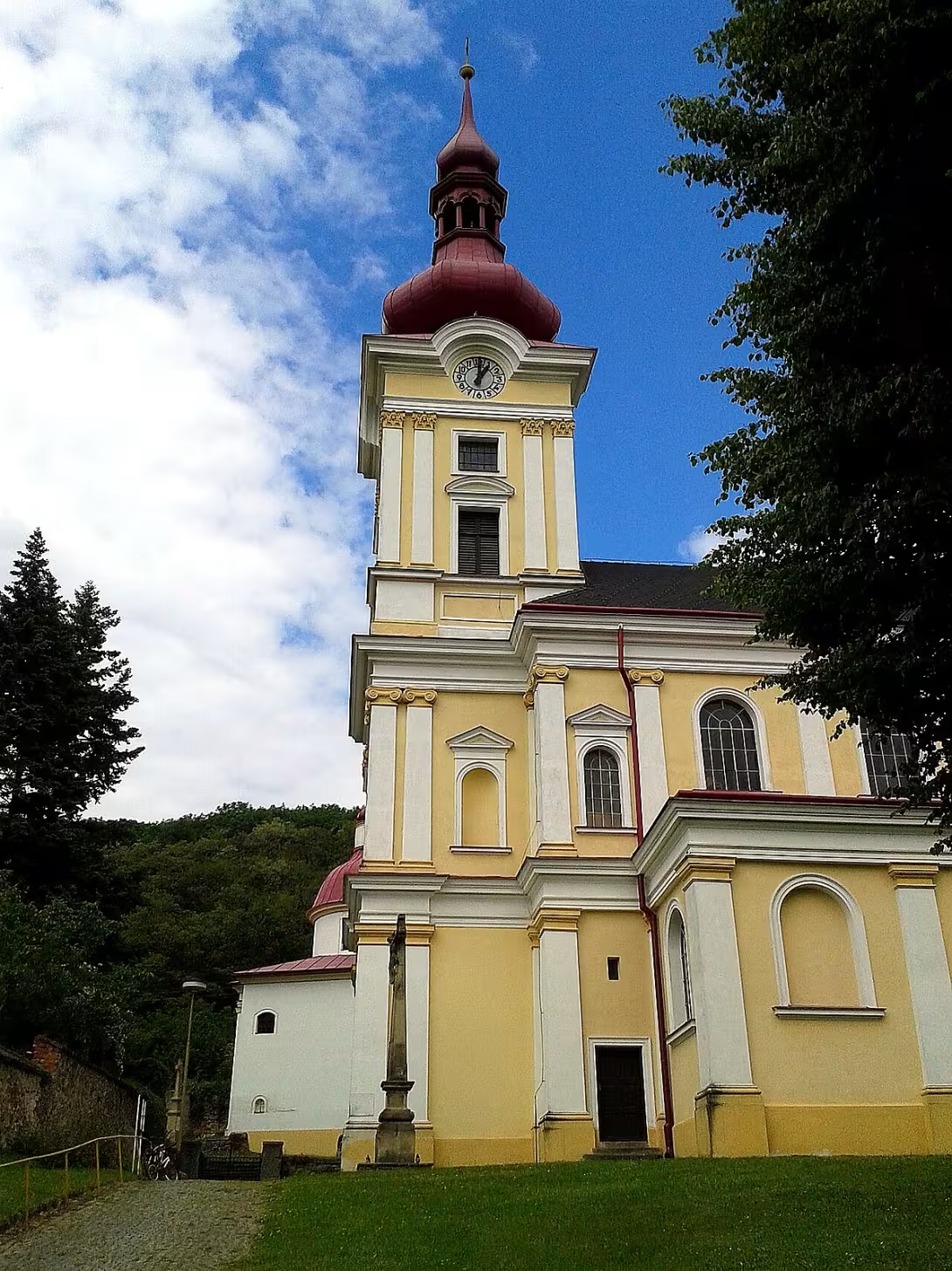
Objekt se nedochoval — na místě dnes nestojí. Následující text popisuje jeho historii, ne současnou návštěvu.
In the Old Town of Prague, the church of St. Benedict was once built, whose existence is now commemorated by the only streets of Benedict, named in 1792. The temple itself, however, became part of the great Kvik trading house, and its original form can only be seen in the memory of history and during the course of scientific research.
The church dates from the 3rd quarter of the 12th century and belongs to the oldest buildings in Old Town. It was built in a place where the remains of even older graves were later found. Originally, it was a one-boat chapel with a semi-circular apside; Her ship measured 11.65 metres in length and 6.95 metres in width. The Roman builder designed it as a modest but durable temple.
The fate of the church changed significantly in the second quarter of the 13th century when the German Order of Knights came here. The church gained new importance: they set up their commendation here and the kostел was rebuilt from the ground up. First they built him a northern side ship, later they added a southern one. These construction adjustments were also related to the construction of the Old Town fortifications - the new wall of the wall was adjacent to the eastern parts of the new ships. The commendation grew and gradually included an older Romanesque house in the neighbourhood; But the church itself remained outside its premises.
After the Hussite wars, the fates of the commendation were reversed. It was gradually abandoned and its premises were gradually colonized by local craftsmen and other Prague citizens. The church itself passed through Renaissance reconstruction and in the early Baroque Baroque it became an unexpected center of a new building - the great Baroque church of St. Norbert. It was built as part of Norbertin, a premonstrate university facility located right here. The monument maintained its importance and transformed along with the changing style and needs of the city.
End of the 18th century. The church was demolished and remained forgotten - physically or just, only in texts and local knowledge. It wasn't until 1968, when Křišto started building a department store, that fate should have given the church a job. The Prague centre of state conservation under the leadership of Helena Olmer and Hubert Ječý carried out extensive archaeological, historical and anthropological research. The foundations of the church, commendas and cemetery were revealed - a rare opportunity to look into medieval Prague through the eyes of science.
Unfortunately, what the memoirs and their successors have long feared has happened. Despite the protestors' protests, in 1969 all archaeological findings, including masonry and graves, were immediately destroyed by the construction of the underground parking garage of the department store. The history of the church and its remnants disappeared so definitely under the floor of modern architecture.
Then and now
Drag the slider to compare how the landmark may have looked when it was built with the view today.
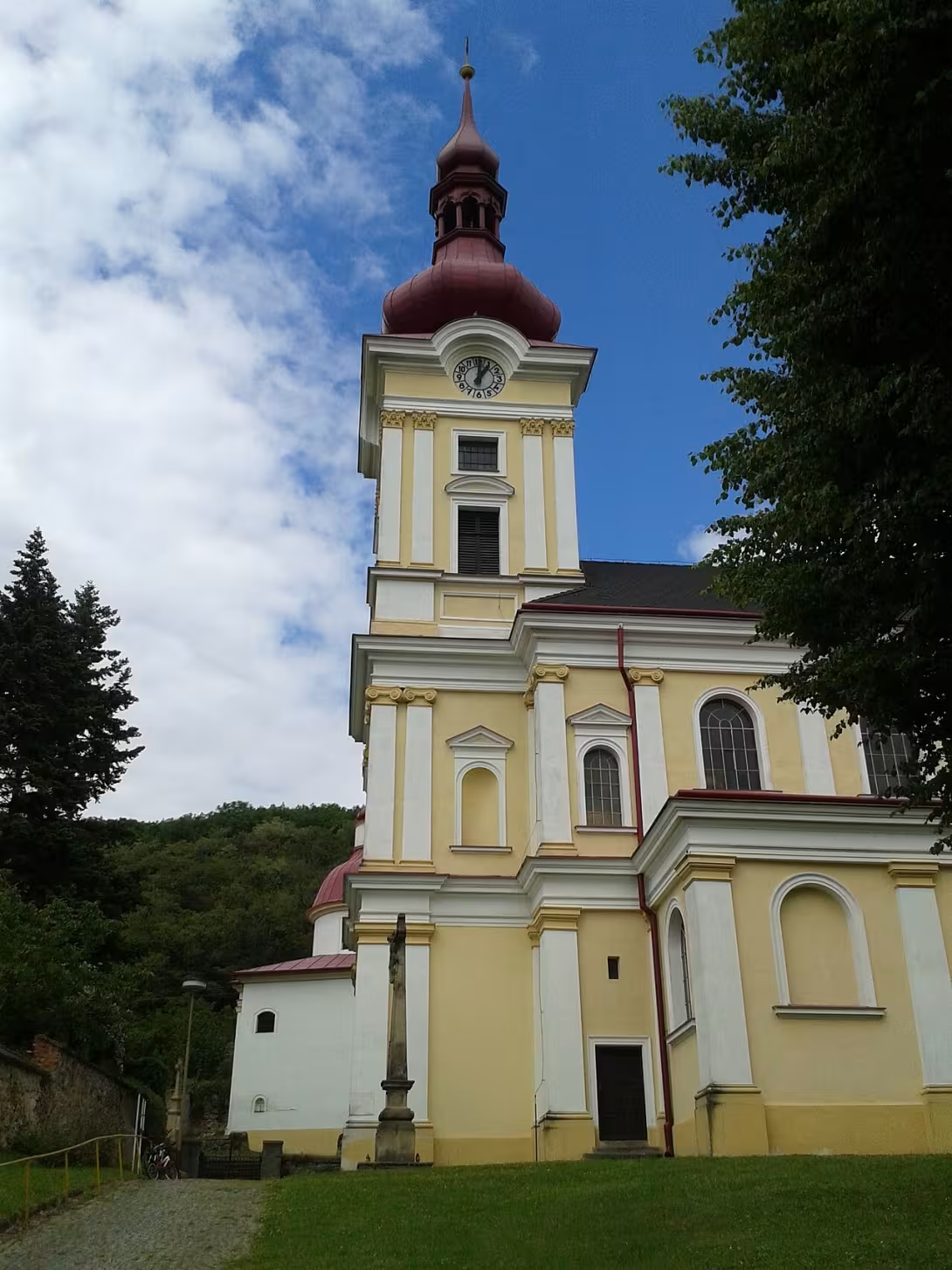
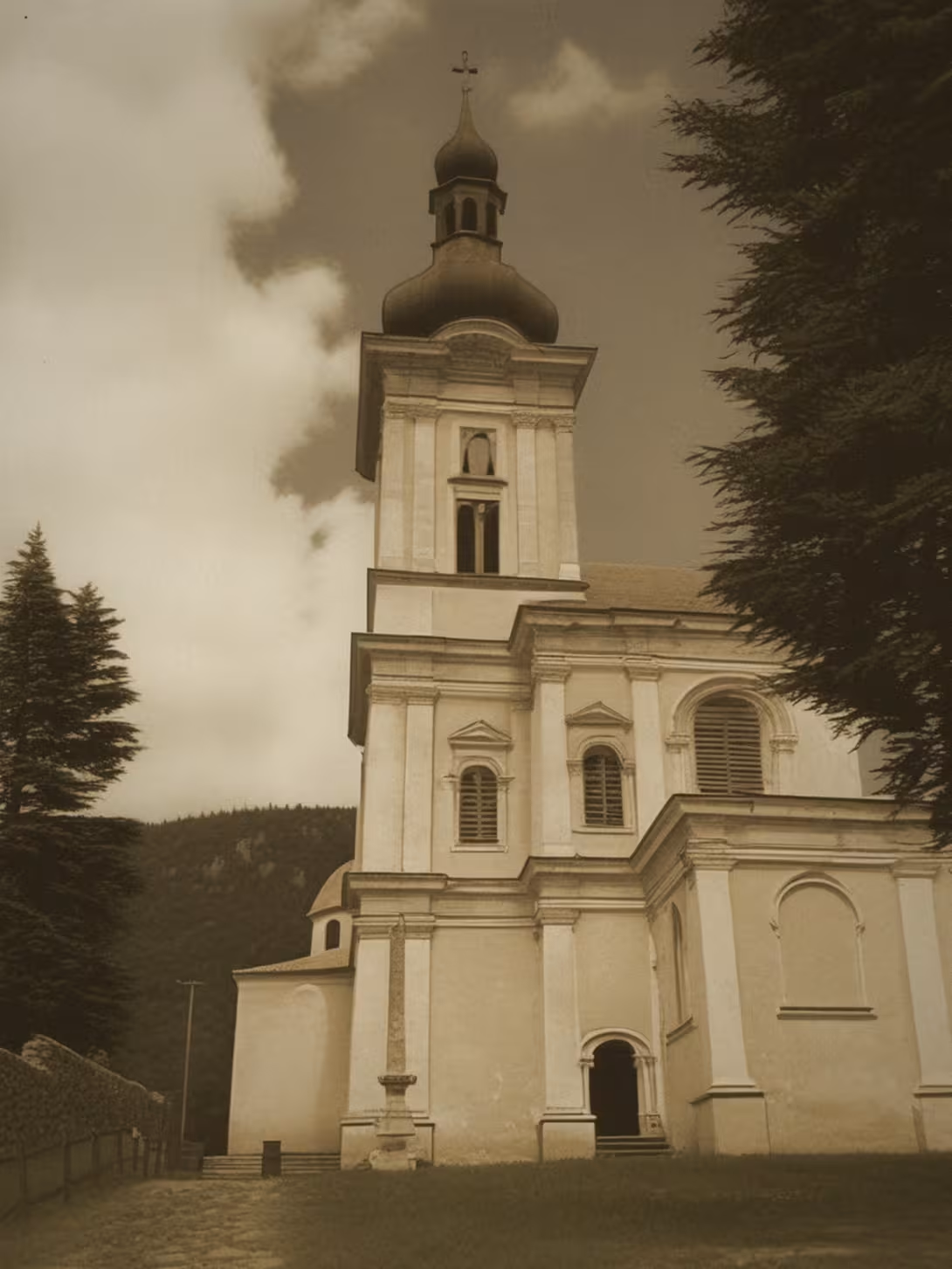
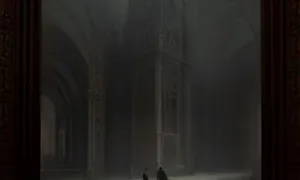
The historical appearance on the left is an AI-generated visualisation and serves as inspiration only.
Historical milestones
- 1175-1180
- The establishment of St. Benedict's Romanesque church
- 1250-1275
- Accession of German knights and reconstruction of church with addition of side boats
- 1670-1700
- Conversion of the church to the Baroque Church of St. Norbert as part of Norbertina
- 1780
- The demise and destruction of the church
- 1968
- Archaeological survey revealing the remains of the church, commendas and cemetery
- 1969
- Destruction of archaeological findings by construction of the KľK department store
Architectural development
Originally a one-boat Romanesque building with a semi-circular apside (12th century). In the 13th century, the northern and southern side ships were built by German knights. In the 17th century converted into the Baroque Church of St. Norbert. The masonry was destroyed in the construction of the Křež department store in 1969.
Historical events
The establishment of a church in a third of the 12th century; accession of German knights and reconstruction of the church in the 13th century; conversion to the Baroque Church of St. Norbert in the 17th century; the demise of the church and its demolition in the late 18th century.
Points of interest
- St. Benedict's church dates back to the third quarter of the 12th century and is thus one of the oldest preserved buildings in Old Town.
- Originally, it was a one-boat chapel with a half-circle apsid whose ship was 11.65 metres long and 6.95 metres wide.
- In the second quarter of the 13th century, the German Knight Order converted it into a commendation, adding a northern and later southern side ship.
- The church was part of the commendation area, but it itself remained outside its main area.
- In the 19th century he became the center of the Baroque church of St. Norbert, which served as part of the Norbertina university facility.
Guide
This guide is narrated by a synthetic voice generated by artificial intelligence.
Show guide text
This text was created by artificial intelligence and has not been editorially reviewed. It may contain inaccuracies.
The Church of Saint Benedict is a vanished Romanesque church in the Old Town of Prague. It stood in the place where the Kotva department store stands today. Benediktská Street, which received its name in 1792, commemorates it.
The church was created in the third quarter of the twelfth century. However, remains of even older graves were found at its site. It was a single-nave building with a semicircular apse. The nave measured eleven point sixty-five by six point ninety-five meters.
In the second quarter of the thirteenth century, the Order of German Knights came to the church and significantly modified the structure. First a northern side nave was added, and later a southern one as well. The modifications were also related to the construction of the Old Town fortifications, because the fortress wall was built against the eastern parts of the new naves. The knights established their commandery at the church, which also included an older Romanesque building in the vicinity. The church itself, however, remained outside the commandery.
After the Hussite Wars, the knights abandoned the commandery and its grounds were inhabited by craftsmen and other city residents. The church was rebuilt in Renaissance style. Later it became the core of a large early Baroque church of Saint Norbert. It arose there as part of the Norbertinum, a higher education institution of the Premonstratensians. At the end of the eighteenth century, the church was demolished.
The foundations of the church, the commandery, and the cemetery were discovered again in nineteen sixty-eight, before the construction of the Kotva department store. The Prague Center for State Monument Care conducted an extensive archaeological, architectural historical, and anthropological survey under the direction of Helena Olmerová and Hubert Ječný. Preservationists protested, yet in nineteen sixty-nine all the walls and graves were destroyed by the construction of the underground garages of the department store.
For kids
Imagine going back to when Praha was still young and romantic. The city had many churches, but one of them stood in the place where the Kvik store is today. It was St. Benedict's church.
How did it look here? There were people here who lived for a living in agriculture and trade. The church was their refuge where they prayed and gathered at important events. The city was full of lives, music and dancing.
Businesses nearby
Do you run a restaurant, accommodation, shop, museum, rental, wellness or other visitor service near this monument? Show yourself directly to the people heading to it — this is how they will see you in the app and on the web:
Nearby
Business house, Old Town Square, St. James Church, St. Havel Church, Kinsky Palace.
Visualizations and artistic views


The visualisations are generated by artificial intelligence and serve as inspiration.
Atmosphere of the place
This atmospheric visualisation of the place and period was generated by artificial intelligence. It is not real footage of the location.
Tips from visitors
No tips yet. Be the first!
Log in and add your tip.
Sources and literature
Faktickým podkladem tohoto textu byl článek na Wikipedii, jehož autory jsou přispěvatelé Wikipedie. Článek je dostupný pod licencí CC BY-SA 4.0.
Příběhy a pověsti
Legendy, pověsti a příběhy spjaté s touto památkou
Fotografie návštěvníků
Zatím žádné fotografie. Buďte první, kdo přidá fotografii z návštěvy!
Log in a přidejte svou fotografii nebo hodnoťte.
Za ověřenou návštěvu v aplikaci získáte víc bodů — poznáme podle GPS, že jste na místě.
Reviews and comments