



kostel svatého Havla (Čejetice) Church
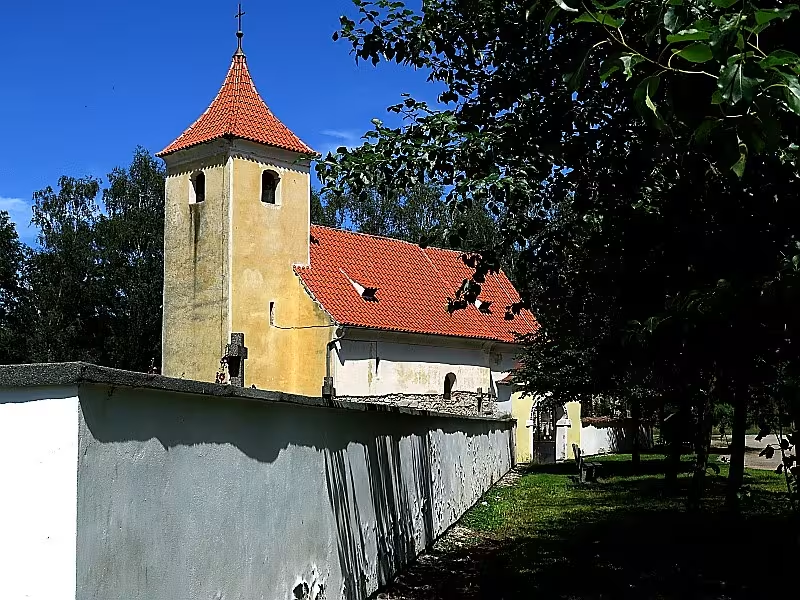
The Church of Saint Wenceslas in Čejetice is a notable historical monument recognized as a cultural heritage site. Situated within the municipality of Čejetice in the Jihočeský kraj region, this Roman Catholic filial church under the parish of Štěkeň stands out for its architectural evolution and rich history. Originally built in the second half of the 13th century, it features early Gothic architecture with later Baroque modifications from the late 17th century. The church is significant not only for its historical importance but also for recent restoration efforts that have uncovered and preserved medieval wall paintings dating back to the mid-14th century.
Constructed during a period when Bohemia was part of the Holy Roman Empire, the Church of Saint Wenceslas reflects the era's Gothic architectural development. This time saw a flourishing of religious art and architecture across Europe, mirroring broader cultural and artistic trends. The church's construction in the second half of the 13th century aligns with this historical context, marking it as an early example of Gothic architecture in the region.
Architecturally, the Church of Saint Wenceslas was initially built using quarry stone in a simple early Gothic style. By the late 17th century, it underwent Baroque renovations that altered its interior design to reflect stylistic shifts of the period. The church features a single-nave structure with a flat ceiling and a right-angle chancel with cross vaulting. Its tower is hipped-roofed, adorned with narrow lancet windows known as arrow slits. Noteworthy elements include the main altar from 1888, sculptures of kneeling angels dating to the early 16th century, and a statue of Saint Wenceslas from the late 15th century. The pulpit, featuring sculptures of evangelists, dates back to the latter half of the 17th century, while a wooden choir loft adds historical charm.
Throughout its history, the church has been under the administration of the Roman Catholic parish of Štěkeň. Significant events include Baroque modifications in the late 17th century and a comprehensive restoration completed in 2023. This recent restoration was particularly notable for uncovering fragments of wall paintings from the mid-14th century, which were subsequently restored to preserve their historical value.
Today, the Church of Saint Wenceslas stands as a testament to its rich history and architectural evolution. The entire area, including the cemetery surrounding the church and its original enclosing wall with gate, is protected as a cultural monument. While newer sections of the enclosure wall are not under protection, the site remains an important historical landmark. Visitors can appreciate the blend of Gothic and Baroque elements, along with preserved medieval artworks that offer a glimpse into the past.
The Church of Saint Wenceslas in Čejetice is a valuable cultural heritage site offering insights into the architectural and artistic developments of its time. Its recent restoration efforts have further enhanced its historical significance, making it a worthwhile destination for those interested in history and architecture. Visitors are invited to explore this remarkable monument and experience the rich tapestry of its past.
Then and now
Drag the slider to compare how the landmark may have looked when it was built with the view today.
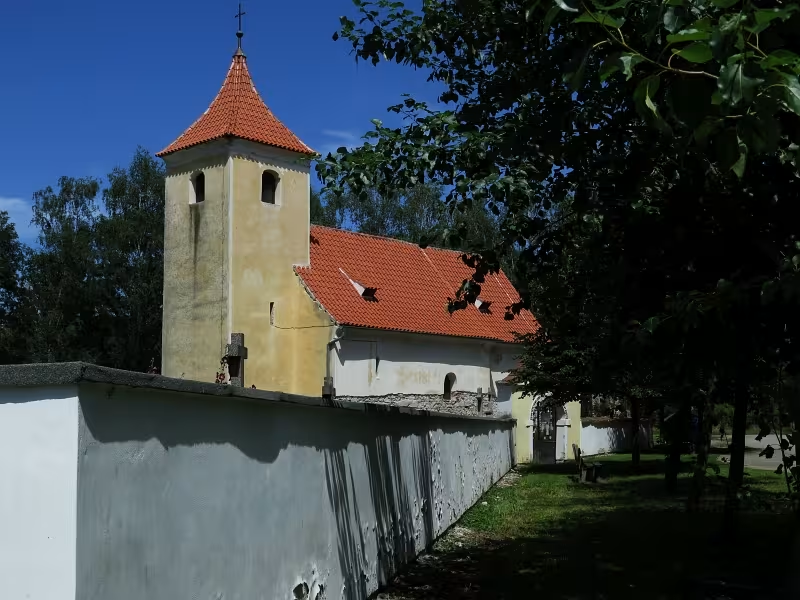
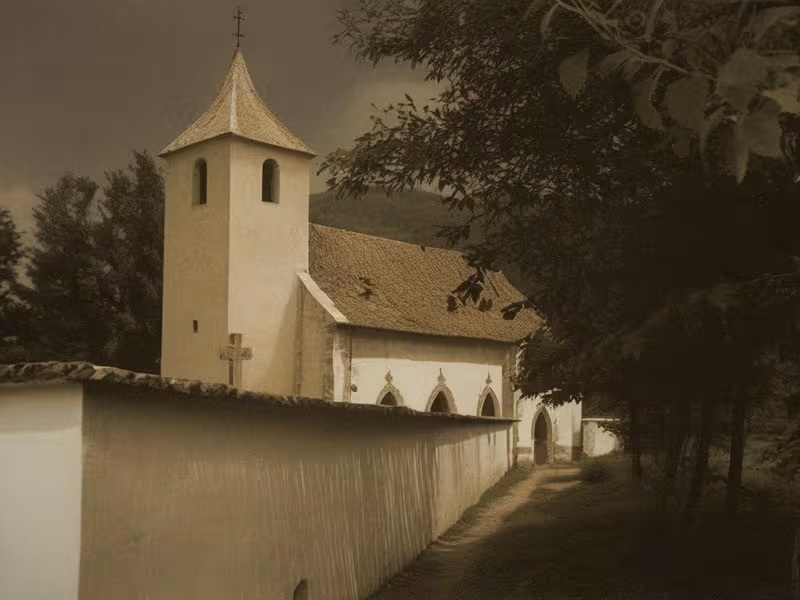
The historical appearance on the left is an AI-generated visualisation and serves as inspiration only.
Historical milestones
- 13th century
- Construction of the church began.
- 17th century
- The church was modified in Baroque style.
- 2023
- Restoration revealed and restored 14th-century wall paintings.
Architectural development
The Church of Saint Wenceslas was initially built using quarry stone in a simple early Gothic style. By the late 17th century, it underwent Baroque renovations that altered its interior design. The most recent restoration concluded in 2023, focusing on uncovering and preserving medieval wall paintings.
Historical events
Construction began in the second half of the 13th century, establishing it as an early Gothic structure.
Baroque modifications were made at the end of the 17th century.
Restoration completed in 2023 revealed and restored mid-14th-century wall paintings.
Points of interest
- The Church of Saint Wenceslas was originally constructed during a time when Bohemia was part of the Holy Roman Empire, reflecting the broader Gothic architectural trends that were flourishing across Europe at the time.
- During its recent restoration in 2023, fragments of medieval wall paintings dating back to the mid-14th century were uncovered and restored, adding significant historical value to the church's interior.
- The church features a unique combination of early Gothic architecture with later Baroque modifications, including a hipped-roofed tower adorned with narrow lancet windows known as arrow slits.
- Among its notable art pieces is a statue of Saint Wenceslas from the late 15th century, highlighting the enduring religious and cultural significance of this saint in the region.
- The church's main altar was installed in 1888, showcasing a blend of historical styles that have been preserved through various restoration efforts over the centuries.
Guide
This guide is narrated by a synthetic voice generated by artificial intelligence.
Show guide text
This text was created by artificial intelligence and has not been editorially reviewed. It may contain inaccuracies.
Welcome to the Church of Saint Wenceslas in Čejetice, a remarkable testament to centuries of history and artistry nestled within this serene locale. As you stand before its venerable façade, take a moment to absorb the atmosphere that surrounds you—a blend of tranquility and profound historical resonance.
This church has roots stretching back to the second half of the 13th century, originating in an era when Bohemia was part of the expansive Holy Roman Empire. It reflects the broader Gothic architectural trends flourishing across Europe at the time, a style characterized by its pointed arches and intricate stonework. As you look around, imagine the skilled craftsmen who laid each stone with precision, contributing to this enduring monument.
Over the centuries, this church has witnessed significant transformations. In the late 17th century, it embraced Baroque modifications, adding layers of ornate detail that complement its original Gothic structure. These changes are evident in the elaborate embellishments you can observe today—each telling a story of adaptation and artistic evolution.
The most recent chapter in its storied history unfolded during the comprehensive restoration completed in 2023. This meticulous process not only preserved the church's structural integrity but also unveiled hidden treasures from the past, such as fragments of medieval wall paintings that had been concealed for centuries. These artworks offer a glimpse into the rich visual culture of the 14th century and invite you to ponder the lives of those who once gathered here.
While specific architects and historical figures associated with this church remain unknown, its very existence speaks volumes about the community's dedication to faith and heritage. The Church of Saint Wenceslas stands as a filial under the Roman Catholic parish of Štěkeň, continuing to serve as a spiritual beacon for locals and visitors alike.
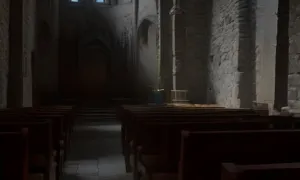
As you explore further, let your curiosity guide you through its hallowed halls. Notice how the interplay between light and shadow dances across the walls, highlighting both Gothic simplicity and Baroque grandeur. Each step you take is a journey through time, connecting you with generations past.
Before you move on, consider this: what stories might these ancient stones tell if they could speak? What dreams were whispered within these walls?
We invite you to linger a little longer, to explore every nook and cranny of this historic gem. Whether it's the subtle details or the overarching sense of history that captivates you, there is always more to discover here in Čejetice.
Thank you for joining us on this journey through time at the Church of Saint Wenceslas. May your visit inspire a deeper appreciation for the rich tapestry of our shared heritage. Safe travels as you continue your exploration.
Tips for visitors
The best time to visit the Church of Saint Wenceslas in Čejetice is during late spring or early autumn when the weather is mild, and the surrounding countryside is particularly beautiful. These seasons offer pleasant temperatures for exploring both the church and its surroundings without the crowds that peak summer months might bring. Additionally, visiting during these times allows you to enjoy outdoor activities nearby with comfortable conditions.
For those using public transport, check the latest schedules online before your visit to ensure a smooth journey.
When planning your visit, consider bringing comfortable walking shoes and weather-appropriate clothing, especially if you plan to explore the surrounding areas of Čejetice. A camera or smartphone with a good camera will be essential for capturing the architectural beauty of the church and its serene environment. Since the church is recognized as a cultural monument, it's also wise to bring along any guidebooks or maps that can enhance your understanding of its historical significance.
Photography enthusiasts will find several spots around the Church of Saint Waveslas ideal for capturing its Gothic architecture, especially during the golden hours of early morning and late afternoon when the light is soft and warm. The church's exterior offers a stunning backdrop against the changing sky colors, while the interior provides intricate details worth photographing in natural light.
For families with children visiting the Church of Saint Wenceslas, Čejetice offers a peaceful setting for exploration and learning about local history and architecture. While there may not be specific attractions designed for young visitors within the immediate vicinity of the church, the surrounding countryside is perfect for leisurely walks or picnics. Engage your children with stories about the church's past and its role in the community to make the visit more interactive and educational.
Frequently asked questions
Can the monument be visited?
Religious buildings are usually open mainly during services; at other times a visit is normally arranged with the parish or the operator. We have not verified specific times. According to the heritage register restoration is under way, so access may be restricted.
Where is the monument?
Location: Čejetice, Jihočeský kraj. The map on this page shows the exact spot.
Why is the monument protected?
It is listed in the Central List of Cultural Monuments of the Czech Republic as a cultural monument (register no. 35827/3-4056).
Businesses nearby
Do you run a restaurant, accommodation, shop, museum, rental, wellness or other visitor service near this monument? Show yourself directly to the people heading to it — this is how they will see you in the app and on the web:
Accommodation nearby
Themed route
Tematická výletní trasa: Kostel svatého Havla (Čejetice)
1. Kostel svatého Havla (Čejetice) - Hlavní cíl
Typ: Historická památka
Proč stojí za návštěvu: Tento barokní kostel je centrem místní historie a architektury. Jeho bohaté interiéry a duchovní atmosféra nabízejí pohled do minulosti Čejetic.
2. Obecní úřad (Čejetice)
Typ: Historická budova
Proč stojí za návštěvu: Tato historická budova sloužila jako administrativní centrum obce a je příkladem místní architektury. Její elegantní design a historie odrážejí důležitost správy v minulosti.
3. Mikroregion Čejetice
Typ: Kulturní oblast
Proč stojí za návštěvu: Mikroregion nabízí pohled na kulturní a historické tradice obce. Navštívte místní trhy nebo události, abyste pochopili životní styl a dědictví Čejetic.
4. Kaple svatého Jiljí (Čejetice)
Typ: Kaple
Proč stojí za návštěvu: Tato malá kaple je klíčovou součástí duchovního života obce. Je známá svým klidným prostředím a historickými vazbami na kostel svatého Havla.
5. Nádvoří kostela
Typ: Historické nádvoří
Proč stojí za návštěvu: Nádvoří poskytuje klidný prostor pro odpočinek a reflektaci. Je to ideální místo k procházce a užívání si historického prostředí bezprostředně kolem kostela svatého Havla.
Tato trasa vás provede skrze klíčová místa Čejetic, nabízející pohled na jejich bohatou historii a kulturu.
Seasonal recommendations
Spring: Visiting the Church of Saint Václav during spring offers a unique experience as nature begins to awaken around Čejetice. The landscape is adorned with blooming wildflowers and fresh greenery, creating a picturesque backdrop for the church in reconstruction. Early morning visits are ideal when the air is crisp and the site is less crowded, allowing visitors to appreciate the tranquil atmosphere and subtle interplay of light as it filters through budding trees. Practical advice includes wearing comfortable walking shoes for exploring the surrounding paths and carrying a light jacket, as temperatures can be unpredictable.
Summer: The summer months bring vibrant life to the Church of Saint Václav in Čejetice, with long daylight hours enhancing the experience of its ongoing reconstruction. The lush surroundings are perfect for outdoor exploration, though visitors should note that this is the peak season, often resulting in larger crowds. To make the most of your visit, consider arriving early to enjoy a quieter atmosphere and capture stunning photographs as the golden hour light bathes the church in warm hues. Light, breathable clothing is recommended, along with sun protection such as hats and sunscreen.
Autumn: Autumn transforms Čejetice into a tapestry of rich colors, making it an ideal time to visit the Church of Saint Václav. The changing leaves create a stunning contrast against the church's architecture, while cooler temperatures provide comfortable conditions for sightseeing. As the days shorten, planning your visit during mid-morning or early afternoon is advisable to ensure ample daylight for exploration. Layered clothing will help accommodate fluctuating temperatures, and carrying an umbrella might be wise due to potential autumn showers.
Winter: Visiting the Church of Saint Václav in winter offers a serene and contemplative experience as Čejetice rests under a blanket of snow. To fully enjoy the visit, dress warmly with layers, including thermal wear and waterproof outer garments. Early arrival is recommended to avoid any potential closures or delays caused by inclement weather, ensuring a peaceful exploration of the site's winter charm.
Visualizations and artistic views


The visualisations are generated by artificial intelligence and serve as inspiration.
Photos from the area
Real photos taken near the monument


Zdroj a licence jsou uvedeny u každého snímku.
Tips from visitors
No tips yet. Be the first!
Log in and add your tip.
Sources and literature
Photos: Sovicka169 / CC BY-SA 4.0 — Wikimedia Commons. The author and licence also appear when you hover over the image.
Faktickým podkladem tohoto textu byl článek na Wikipedii, jehož autory jsou přispěvatelé Wikipedie. Článek je dostupný pod licencí CC BY-SA 4.0.
Location on the map



Příběhy a pověsti
Legendy, pověsti a příběhy spjaté s touto památkou
Fotografie návštěvníků
Zatím žádné fotografie. Buďte první, kdo přidá fotografii z návštěvy!
Log in a přidejte svou fotografii nebo hodnoťte.
Za ověřenou návštěvu v aplikaci získáte víc bodů — poznáme podle GPS, že jste na místě.
Reviews and comments