



Kostel svatého Jakuba (Kasejovice) Church
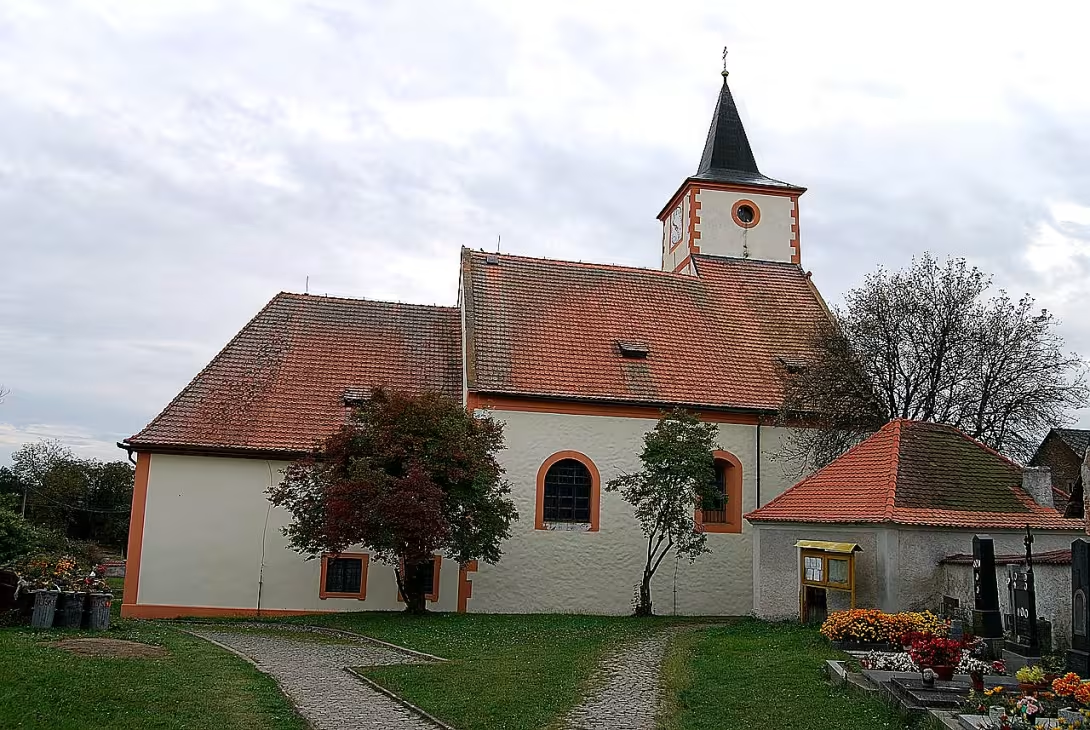
The Church of Saint James the Elder in Kasejovice is a notable Roman Catholic parish church situated at the highest point of an irregular square in northern Kasejovice. Originally built in the late 13th century, it combines Gothic and Baroque elements due to renovations over time. The church has been under cultural heritage protection since 1963 and stands as a significant historical monument within the region.
The first documented mention of the Church dates back to 1356, although construction likely began around 1270. During this period, Bohemia was part of the Holy Roman Empire, experiencing notable political and cultural developments. The Gothic style, prevalent across Europe then, reflects a shift towards more vertical and light-filled architectural designs. Zdeslav, an influential figure in Kasejovice's history, is noted as the owner who decided to build the church later in his life, possibly seeking both spiritual and social recognition.
Architecturally, the church began as a late Gothic structure but underwent significant changes during the Baroque period at the beginning of the 18th century. These renovations substantially altered its original appearance. The church experienced several fires over the centuries, with the largest occurring in 1791, leading to further reconstructions and modifications throughout the 19th century. Notably, the tower was heightened in 1892 for clock installation.
The dedication of the church to Saint James may be linked to local gold mining activities, as Saint James is also venerated by miners. This connection underscores Kasejovice's historical significance and its economic activities during medieval times. In 1965, scenes from the film "Bílá paní" were filmed at the site, adding a layer of cultural interest to its history.
Today, the Church of Saint James the Elder remains an important cultural and historical landmark in Kasejovice. Its blend of Gothic and Baroque elements offers visitors insight into architectural evolution over centuries. The church's location on a prominent hilltop provides not only spiritual solace but also panoramic views of the surrounding area. Visitors are encouraged to explore this site, appreciating its rich history and enduring significance in the region.
Then and now
Drag the slider to compare how the landmark may have looked when it was built with the view today.
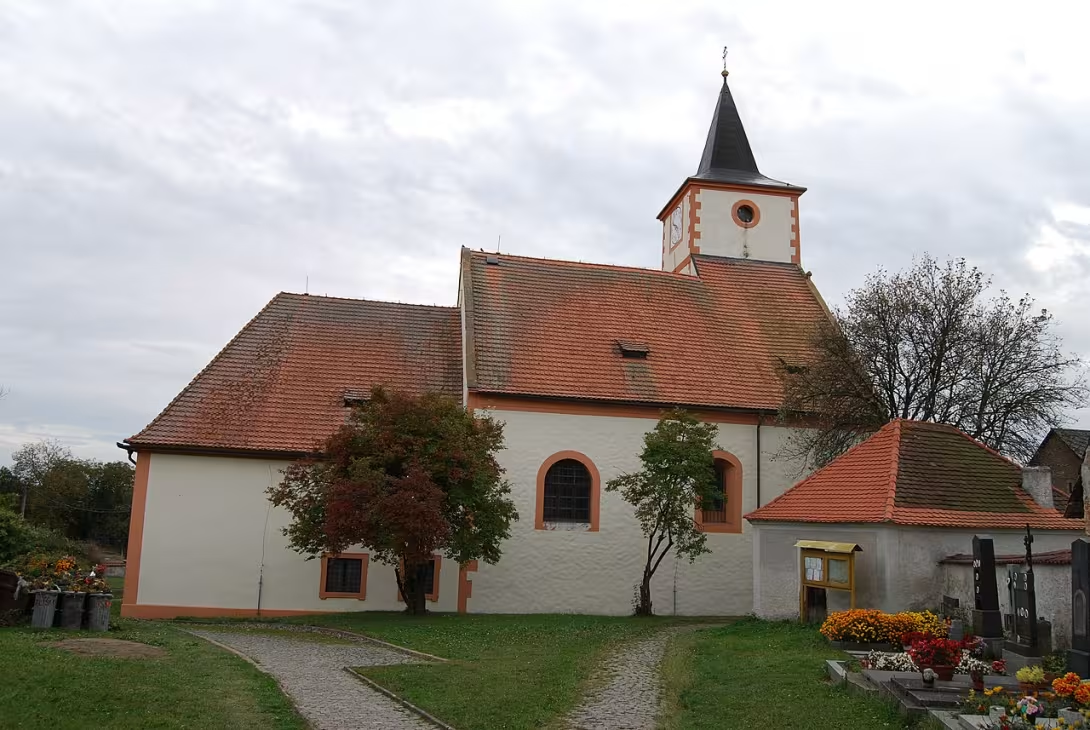

The historical appearance on the left is an AI-generated visualisation and serves as inspiration only.
Historical milestones
- kolem 1270
- Zahájení stavby kostela svatého Jakuba.
- 1356
- První písemná zmínka o kostele.
- konec 13. století
- Původní stavba v gotickém stylu.
- počátek 18. století
- Barokní přestavby kostela.
- 1791
- Největší požár, následné rekonstrukce.
- 1892
- Zvyšování výšky věže pro hodiny.
Architectural development
The church began as a late Gothic structure and underwent significant changes during the Baroque period in the early 1700s. It experienced several fires, with the largest occurring in 1791, leading to further reconstructions and modifications throughout the 19th century. The tower was heightened in 1892 for clock installation.
Historical events
First documented mention in 1356, with construction dated around 1270.
Significant Baroque renovations at the beginning of the 18th century altered its original Gothic appearance.
Points of interest
- The Church of Saint James the Elder is thought to be dedicated to miners' patron saint, reflecting Kasejovice's historical ties to gold mining activities in medieval times.
- Zdeslav, a notable figure in Kasejovice's history, built the church later in life, possibly seeking both spiritual fulfillment and social recognition within his community.
- The church underwent significant architectural changes during the Baroque period at the beginning of the 18th century, which substantially altered its original Gothic appearance.
- In 1791, a major fire led to extensive reconstructions and modifications throughout the 19th century, including the heightening of the tower in 1892 for clock installation.
- Scenes from the film "Bílá paní" were filmed at the church site in 1965, adding a layer of cultural interest to its historical narrative.
Guide
This guide is narrated by a synthetic voice generated by artificial intelligence.
Show guide text
This text was created by artificial intelligence and has not been editorially reviewed. It may contain inaccuracies.
The Church of Saint James the Greater is the parish church in Kasejovice in the Plzeň region. It stands in the northern part of the town, on the highest point of an irregularly shaped square, and naturally dominates the entire surrounding area. It is surrounded by a cemetery with a wall of irregular shape. The church has been a cultural monument since nineteen sixty-three.
It is documented in writing from the year thirteen fifty-six, but experts place its origin around the year twelve seventy. Kasejovice then belonged to Lord Zdeslav, an ancestor of Sezema and Protiva from Frymburk. His family coat of arms featured a donkey's head on a golden shield. According to historical sources, he decided to build the church only towards the end of his life. The church provided the locals with permanent spiritual care and brought prestige to its builder.
Why the church was dedicated precisely to Saint James is uncertain. One hypothesis connects it to gold mining and panning. Saint James was indeed the patron not only of pilgrims but also of miners. Gold had been mined in the Kasejovice area since prehistoric times, and a gold rush broke out there in the fourteenth century.
The church was damaged by fires several times, the worst one coming in seventeen ninety-one. The originally early Gothic structure was most transformed by Baroque reconstruction in the early eighteenth century. Another major renovation took place in seventeen ninety-seven. Smaller ones followed in eighteen fifty-six, eighteen sixty-eight, and eighteen ninety-two, and then again in nineteen thirteen and nineteen thirty-six. The church was elevated to a deanery in eighteen ninety-seven. Records have been kept here continuously since sixteen forty-six.
The church consists of a rectangular nave with a flat ceiling and an almost square presbytery, separated by a massive triumphal arch. The presbytery has a Gothic cross vault with decorated corbels and a circular boss with floral motifs. The most valuable Gothic element is the richly decorated portal of the main entrance. Its columns bear capitals with vine leaves. The prismatic tower served among other purposes for defense. In eighteen ninety-two, another story was added to it for a clock.
A granite staircase leads to the main entrance. On its sides, two small chapels are built into the cemetery wall. In the year seventeen twenty-five, there were already wayside shrines on their site, and the chapels received their current form in eighteen seventy-eight. One contains a crucifix, the other a stone statue of Saint Anthony of Padua.
The organ was built in seventeen fifty-six by organ builder Adalbert Schreyer from Kuks. The Rococo altars date from around seventeen seventy. The painting of Saint James on the main altar was painted in eighteen seventy-three by the Písek painter Václav Šebele. The Stations of the Cross were created in eighteen ninety-three by Bedřich Kamarýt. In nineteen zero five, a damaged side altar of Saint John of Nepomuk was replaced with a new Neo-Gothic altar with statues of Saint Cyril and Saint Methodius.
In nineteen sixty-five, director Zdeněk Podskalský filmed scenes of the film White Lady here.
Tips for visitors
The best time to visit the Church of Saint James the Elder in Kasejovice is during late spring or early autumn when the weather is pleasant, allowing for a comfortable exploration of the church and its surroundings. These seasons offer mild temperatures and beautiful natural scenery that enhances the experience. Additionally, visiting on weekdays can provide a quieter atmosphere compared to weekends.
It's advisable to check current routes and schedules using a local transit app or website.
When planning your visit, consider bringing comfortable walking shoes as you may want to explore the area around the church. A camera is recommended for capturing the architectural beauty of the church and its picturesque setting at the highest point in Kasejovice. Additionally, carrying a light jacket might be useful if weather conditions change.
Photography enthusiasts will find several spots around the Church of Saint James the Elder ideal for capturing stunning images. The best lighting is typically during the early morning or late afternoon when the sunlight casts soft shadows and highlights the church's features beautifully. Consider taking photos from different angles to capture both the interior details and the exterior views against the backdrop of Kasejovice.
For families with children, visiting nearby attractions can make for a fulfilling day out. Within 30 minutes, you can explore other historical sites or natural landscapes in the Plzeňský kraj region. These excursions provide opportunities to learn about local history and enjoy outdoor activities suitable for all ages.
Frequently asked questions
Can the monument be visited?
Religious buildings are usually open mainly during services; at other times a visit is normally arranged with the parish or the operator. We have not verified specific times.
Where is the monument?
Location: Kasejovice, Plzeňský kraj. The map on this page shows the exact spot.
Why is the monument protected?
It is listed in the Central List of Cultural Monuments of the Czech Republic as a cultural monument (register no. 15324/4-316).
Businesses nearby
Do you run a restaurant, accommodation, shop, museum, rental, wellness or other visitor service near this monument? Show yourself directly to the people heading to it — this is how they will see you in the app and on the web:
Accommodation nearby
Themed route
Thematic Walking Tour: Kasejovice
1. Kostel svatého Jakuba (Kasejovice) - Church Begin your journey at the heart of Kasejovice with the Church of Saint James, a stunning example of Baroque architecture that stands as a testament to the town's rich history and cultural heritage. This church is not only an architectural marvel but also houses exquisite frescoes and altarpieces, making it a must-visit for anyone interested in religious art and history.
2. Kasejovice Village Square - Public Space After exploring the church, take a leisurely stroll to the nearby village square of Kasejovice. This charming public space offers a glimpse into traditional Czech village life with its quaint atmosphere and local charm. It's an ideal spot for relaxation or simply enjoying a coffee at one of the local cafés while soaking in the peaceful ambiance.
3. Local Historical Monuments - Landmarks Continue your tour by visiting some of the historical monuments scattered around Kasejovice. These landmarks offer insights into the town’s past and its evolution over centuries. Each monument tells a unique story, providing context to the cultural and architectural development of this picturesque area.
4. Kasejovice Community Center - Cultural Venue Conclude your tour at the Kasejovice Community Center, where you can engage with local culture through exhibitions or events that might be taking place during your visit. This venue often hosts activities that celebrate regional traditions and crafts, offering a deeper understanding of Kasejovice's vibrant community life.
This thematic walking tour provides an enriching experience by combining historical exploration with cultural immersion, all within the charming confines of Kasejovice.
Seasonal recommendations
Jaro: In the spring season, Church of St. James in Kasejovice offers an attractive view as the green vegetation around the church begins to develop and trees sprout their first leaves. Sunny days can provide ideal lighting for photography and exploring the architectural details of the church. Although visitor numbers are typically moderate, it is recommended to visit during the early spring season when crowds are less likely and the atmosphere is calm. Given the variable weather, it's wise to be prepared for both sunny and rainy days, so sturdy boots and layers of clothing can be useful.
Summer: Summer in Kasejovice brings long sunny days and warm air, making a visit to Church of St. James an ideal experience. The sun illuminates the church in its best light, highlighting its architectural beauty and details. However, it can be a period with higher visitor numbers, especially during midday in peak summer season. It is recommended to arrive early in the morning or later in the afternoon to minimize crowd congestion and avoid extreme sunlight. Warm clothing, sun protection, and plenty of drinking water are key for a comfortable visit.
Autumn: The autumn season offers a unique atmosphere around Church of St. James as trees begin to change color and provide beautiful backdrops. Sunny autumn days can be ideal for exploring the church, while rainy or overcast periods add a melancholic feel to the historic setting. Visitor numbers are often lower compared to peak seasons, allowing for a more relaxed tour. When planning your visit, it's wise to be prepared for various weather conditions; a warm coat and an umbrella can be useful, especially as autumn approaches its peak.
Winter: In winter, Church of St. James offers a quiet and serene visitor experience when vegetation is minimal and the church becomes the focal point. Snowy sunny days can provide stunning lighting for photography, while the cold air adds a sense of mystery and tranquility. Visitor numbers are typically low, allowing for detailed tours without crowd disturbance. For comfort during winter months, it's important to have warm clothing and appropriate footwear for cold conditions, as visitors should prepare for chilly weather.
Visualizations and artistic views


The visualisations are generated by artificial intelligence and serve as inspiration.
Photos from the area
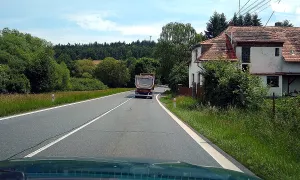
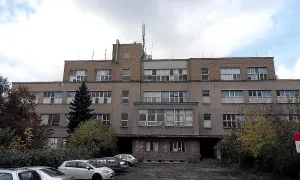
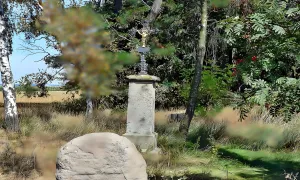
Real photos taken near the monument

Zdroj a licence jsou uvedeny u každého snímku.
Tips from visitors
No tips yet. Be the first!
Log in and add your tip.
Sources and literature
Photos: Chmee2 / CC BY-SA 3.0 — Wikimedia Commons. The author and licence also appear when you hover over the image.
Faktickým podkladem tohoto textu byl článek na Wikipedii, jehož autory jsou přispěvatelé Wikipedie. Článek je dostupný pod licencí CC BY-SA 4.0.
Location on the map

Příběhy a pověsti
Legendy, pověsti a příběhy spjaté s touto památkou
Fotografie návštěvníků
Zatím žádné fotografie. Buďte první, kdo přidá fotografii z návštěvy!
Log in a přidejte svou fotografii nebo hodnoťte.
Za ověřenou návštěvu v aplikaci získáte víc bodů — poznáme podle GPS, že jste na místě.
Reviews and comments