



kostel svatého Jana Křtitele (Lomnice nad Lužnicí) Church
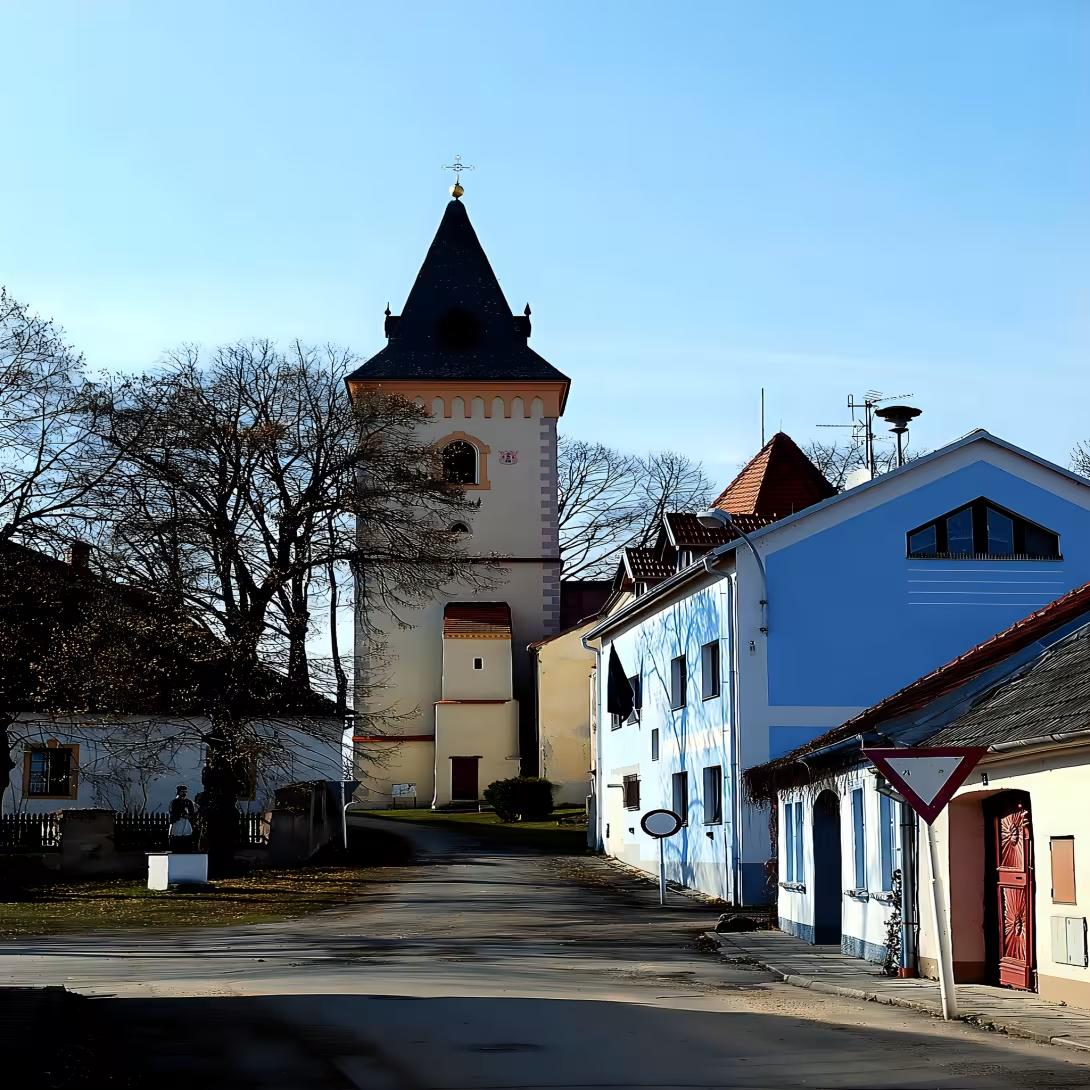
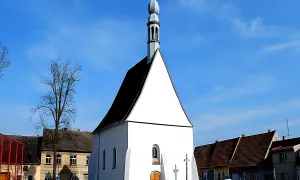
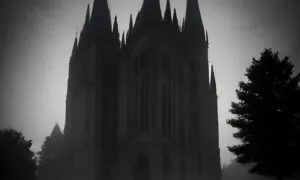
The Church of Saint John the Baptist in Lomnice nad Lužnicí is a Roman Catholic parish church and a cultural monument of the Czech Republic. Situated in the town within the South Bohemian Region, this architectural gem dates back to at least the 14th century when it first appeared in written records. Its significance lies not only in its historical roots but also in its artistic and architectural evolution from Gothic origins through Baroque modifications.
Documented since the 14th century, the church has long served as a religious site. Over time, significant events have shaped its structure and function. Notably, fires in 1358 and 1650 necessitated reconstructions, reflecting the monument's resilience through adversity. These incidents highlight the church's enduring importance to the local community.
Architecturally, the Church of Saint John the Baptist was originally constructed in the Gothic style, characterized by pointed arches and intricate stonework. It later underwent Baroque modifications, introducing elaborate decorations and structural changes. The church features a polygonal presbytery with buttresses, adding architectural complexity. Its four-sided tower, heightened and modified in 1779 and 1872, likely served an original defensive purpose, showcasing the strategic importance of such structures during that era.
The interior is adorned with notable artworks enhancing its cultural value. The main altar painting by J. Pešek from Lovosice, created in 1838, stands as a testament to the artistic endeavors of the period. Additionally, side altar paintings by Antonín Wieninger, an active Domazlice painter between 1820 and 1889, further enrich the church's aesthetic appeal.
Throughout its history, the church has experienced various changes in ownership and administration, reflecting broader historical shifts. During World War I, the church bells were confiscated; although new ones were acquired during the interwar period, they too were taken during World War II. These events underscore the church's vulnerability to geopolitical upheavals while also highlighting its resilience.
In 1882, an organ was installed by V.M. Mölzer from Tábor, adding a musical dimension to the church's liturgical functions. This installation marked another phase in the church's ongoing evolution and adaptation to contemporary needs. By 1958, the Church of Saint John the Baptist was officially declared a cultural monument, cementing its status as an important historical site.
Today, the church remains accessible to visitors who wish to explore its rich history and architectural beauty. Its designation as a cultural monument ensures preservation for future generations. The combination of its Gothic origins, Baroque modifications, and significant artworks makes it a worthwhile destination for those interested in religious architecture and art history.
The Church of Saint John the Baptist in Lomnice nad Lužnicí offers a unique glimpse into the past, inviting visitors to explore its storied walls and appreciate its enduring legacy. Its historical significance and architectural beauty make it an essential stop for anyone traveling through the South Bohemian Region.
Then and now
Drag the slider to compare how the landmark may have looked when it was built with the view today.
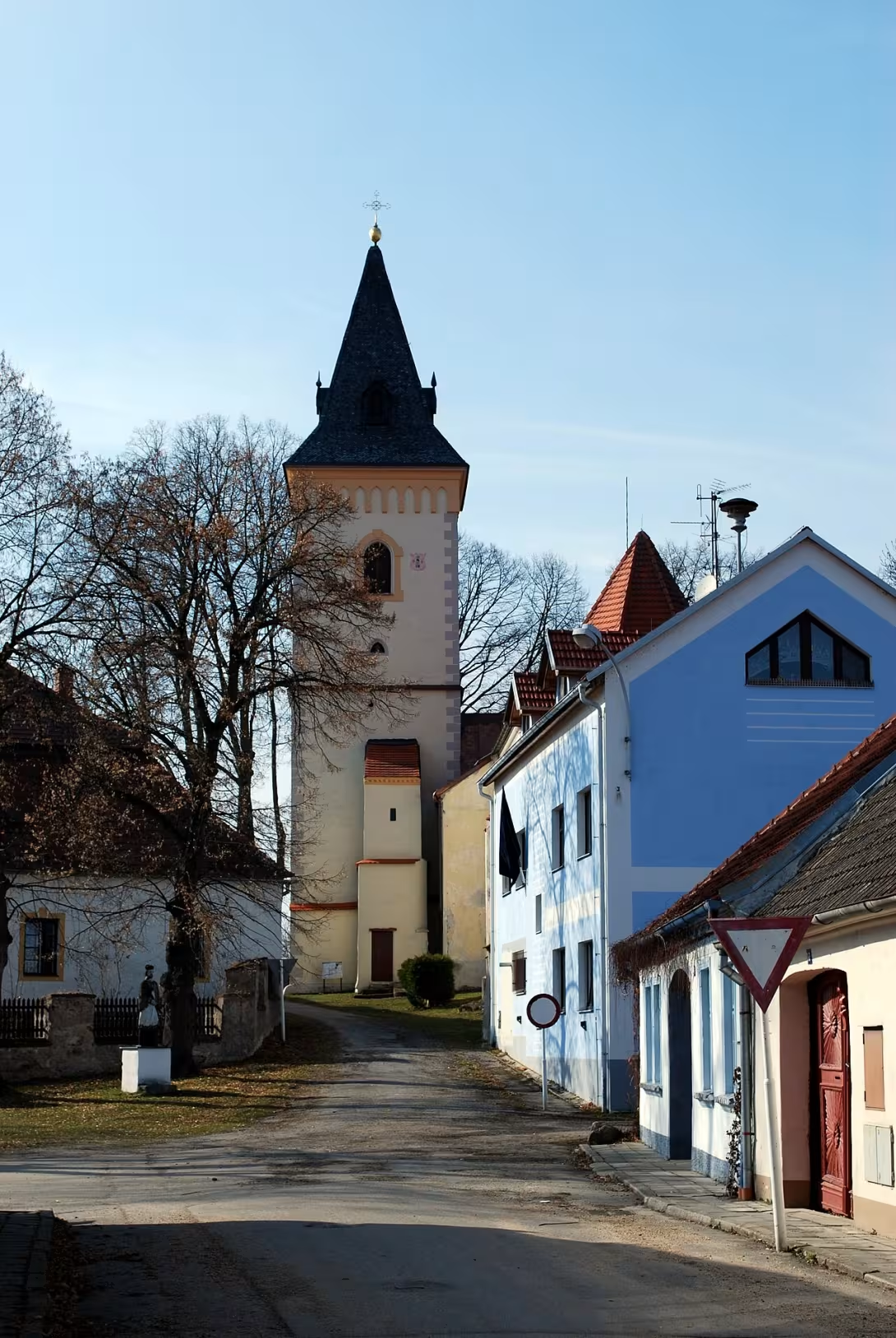
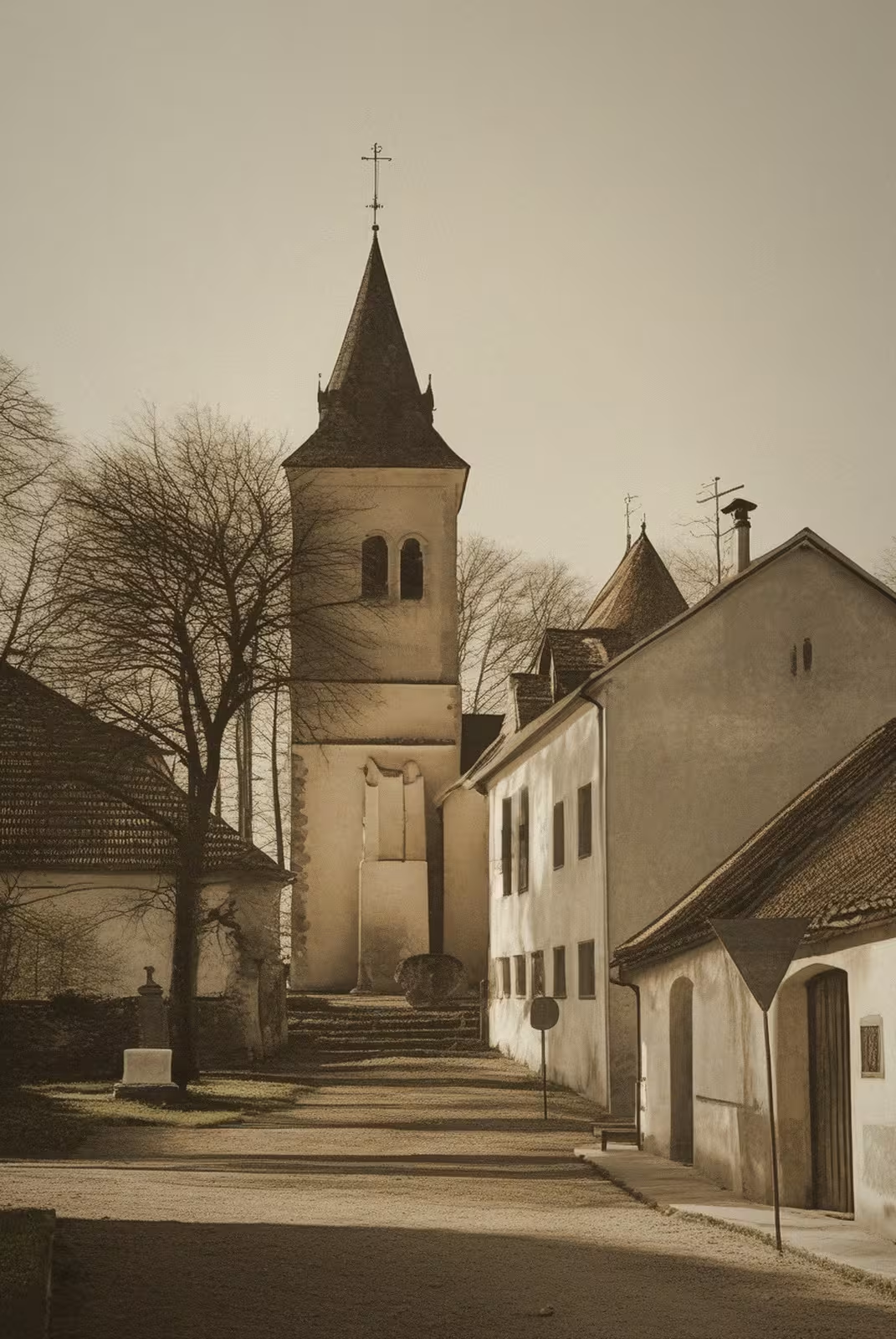
The historical appearance on the left is an AI-generated visualisation and serves as inspiration only.
Historical milestones
- 14th century
- The church first appeared in written records.
- 1358
- A fire led to the reconstruction of the church.
- 1650
- A second fire required further reconstructions.
- 1779
- The tower was raised and modified.
- 1872
- Further modifications to the tower were made.
- 1838
- Creation of the main altar painting by J. Peška from Lovosice.
Architectural development
The Church of Saint John the Baptist was initially built in the Gothic style but underwent several modifications in Baroque style. It experienced fires in 1358 and 1650, necessitating repairs. The tower was heightened and modified in 1779 and 1872, reflecting its evolving architectural significance.
Historical events
The church was first mentioned in written records in the 14th century.
It suffered fires in 1358 and 1650, leading to subsequent reconstructions.
In 1882, an organ was installed by V.M. Mölzer from Tábor.
During World War I, the church bells were confiscated, and new ones acquired in the interwar period were also taken during World War II.
Points of interest
- The Church of Saint John the Baptist has a history of resilience, having been reconstructed after fires in 1358 and 1650, showcasing its enduring significance to the local community despite adversity.
- Originally built with defensive features, the church's four-sided tower was modified multiple times (in 1779 and 1872), hinting at its strategic importance during earlier periods when such structures often served protective roles.
- The church bells have a turbulent history, being confiscated twice—once during World War I and again in World War II—highlighting the impact of geopolitical events on local religious sites while also demonstrating the community's determination to restore them during peacetime.
- An organ installed by V.M. Mölzer from Tábor in 1882 added a new musical dimension to the church, marking its adaptation to contemporary liturgical needs and enriching its cultural offerings over time.
- The church features artworks by notable artists like J. Pešek and Antonín Wieninger, whose contributions reflect broader artistic trends of their times and enhance the church's status as an important site for art history enthusiasts.
Guide
This guide is narrated by a synthetic voice generated by artificial intelligence.
Show guide text
This text was created by artificial intelligence and has not been editorially reviewed. It may contain inaccuracies.
The Church of Saint John the Baptist is the parish church of the Roman Catholic parish of Lomnice nad Lužnicí. Since May 3, 1958, it has been protected as a cultural monument along with its cemetery.
The earliest written mentions of the church date from the 14th century. The church caught fire twice, in 1358 and again in 1650. It was renovated in 1779, 1793, and 1872. In 1882, it received an organ from Mölzer, an organ builder from Tábor.
The church was less fortunate with its bells. During the First World War, the authorities confiscated them. In the interwar period, new bells were acquired, but these too were confiscated during the Second World War.
The church was built in Gothic style and later adapted in the Baroque period. It has a single nave. The chancel ends in a pentagonal apse, which is supported on the outside by buttresses. The square tower was heightened and modified in 1779 and 1872. It has loopholes, so it apparently also served for defense. In the sacristy, a cross vault with two bays from the 15th century has been preserved.
The painting on the main altar from 1838 was painted by Pešek from Lovosice. The paintings on the side altars date from 1861. Their author is Antonín Wieninger, a painter from Domažlice, who lived from 1820 to 1889.
Frequently asked questions
Can the monument be visited?
Religious buildings are usually open mainly during services; at other times a visit is normally arranged with the parish or the operator. We have not verified specific times.
Where is the monument?
Location: Kostelní, Lomnice nad Lužnicí, Jihočeský kraj. The map on this page shows the exact spot.
Why is the monument protected?
It is listed in the Central List of Cultural Monuments of the Czech Republic as a cultural monument (register no. 29138/3-2006).
Businesses nearby
Do you run a restaurant, accommodation, shop, museum, rental, wellness or other visitor service near this monument? Show yourself directly to the people heading to it — this is how they will see you in the app and on the web:
Events nearby


Zdroj akcí: otevřená data měst a obcí ČR (Národní katalog otevřených dat) a kalendář akcí Národního památkového ústavu.
Accommodation nearby
Trips and activities nearby
Guided tours, tickets and activities nearby from GetYourGuide
Affiliate link: if you buy from the partner, we may receive a commission. The price for you does not change.
Search tours and activities →Themed route
Tematická výletní trasa: Lomnice nad Lužnicí a kostel svatého Jana Křtitele
1. Kostel svatého Jana Křtitele (Lomnice nad Lužnicí)
Typ: Historická památka, náboženský objekt
Proč stojí za návštěvu: Tento barokní kostel je architektonickou perli Lominice nad Lužnicí. Jeho bohaté historie a výjimečná interiérní dekorace, včetně fresk a sochařských děl, přitahují návštěvníky z celého regionu. Je to nejen místo modlitby, ale i kulturní památka s bohatým historickým pozadím.
2. Kostelní věž
Typ: Architektonická struktura
Proč stojí za návštěvu: Věž kostela svatého Jana Křtitele nabízí jedinečný pohled na město a okolní krajinu. Je to ideální místo pro ty, kteří chtějí získat perspektivní náhled na Lomnice nad Lužnicí a jeho historické prostředí. Výlet do věže je také skvělou příležitostí pro fotografy.
3. Náměstí u kostela
Typ: Městské nádvoří, kulturní prostor
Proč stojí za návštěvu: Náměstí před kostelem je centrem místního života a historie. Zde se nachází i další historické budovy, které přispívají k atmosféře starobylého města. Je to ideální místo pro relaxaci, procházkou či prozkoumání místních obchůvků a restaurací.
4. Lomnický rybník
Typ: Místní rekreační zóna
Proč stojí za návštěvu: Lomnický rybník je krásnou přírodní základnou pro relaxaci a aktivní volnočasové aktivity. Nabízí možnosti k plavání, kempingu či jen pro klidné chvíle na lavičce s výhledem na vodní plochu. Je to ideální místo pro rodiny a milovníky přírody.
5. Lokalita Lomnice nad Lužnicí - okolní zelené prostory
Typ: Místní parky, zelená oblasti
Proč stojí za návštěvu: Okolní zelené prostory nabízejí příležitosti k pochůzkám a relaxaci v přírodě. Jsou ideální pro ty, kteří hledají klidné chvíle mimo hluk města a chtějí si užít krásy jihočeského kraje.
Tato trasa nabízí kombinaci historických, kulturních i přírodních zážitků v oblasti Lomnice nad Lužnicí.
Seasonal recommendations
Spring: The arrival of spring at the Church of St. John the Baptist in Lomnice nad Lužnicí brings a refreshing atmosphere as nature awakens around this historic site. The surrounding landscape is adorned with blooming flowers and budding trees, providing a picturesque backdrop for visitors. During this season, the church benefits from soft natural lighting that enhances its architectural details. Visitors are advised to wear comfortable walking shoes suitable for exploring both the church grounds and nearby trails. While crowds may be moderate during weekends, weekdays offer a quieter experience.
Summer: Summer at the Church of St. John the Baptist is marked by vibrant greenery and warm sunshine, creating an inviting atmosphere for exploration. The lush surroundings make it ideal for leisurely walks after visiting the church. During this time, the site can attract more visitors, especially during peak tourist season in July and August. To avoid larger crowds, consider arriving early in the morning or later in the afternoon. Light, breathable clothing is recommended to stay comfortable in the summer heat.
Autumn: Autumn transforms the Church of St. John the Baptist into a serene destination with its warm hues of orange, red, and gold. The changing leaves provide a stunning visual contrast against the church's historic architecture. This season offers a more tranquil experience compared to summer, as visitor numbers generally decrease. It is advisable to wear layers due to cooler temperatures, especially in the evenings. A visit during this time allows for peaceful reflection amidst the beauty of fall.
Winter: Winter at the Church of St. John the Baptist presents a magical atmosphere with snow-dusted surroundings and crisp air that enhances the church's historical charm. The shorter days mean earlier closing times, so plan your visit accordingly. It is essential to dress warmly in layers and wear waterproof footwear to navigate potentially icy paths. While fewer visitors typically attend during this season, it offers a unique opportunity for quiet contemplation amidst the serene winter landscape.
Visualizations and artistic views


The visualisations are generated by artificial intelligence and serve as inspiration.
Photos from the area
Real photos taken near the monument


Zdroj a licence jsou uvedeny u každého snímku.
Tips from visitors
No tips yet. Be the first!
Log in and add your tip.
Sources and literature
Photos: Chmee2 / CC BY 3.0, rozlišení zvýšeno umělou inteligencí — Wikimedia Commons. The author and licence also appear when you hover over the image.
Faktickým podkladem tohoto textu byl článek na Wikipedii, jehož autory jsou přispěvatelé Wikipedie. Článek je dostupný pod licencí CC BY-SA 4.0.
Location on the map




Příběhy a pověsti
Legendy, pověsti a příběhy spjaté s touto památkou
Fotografie návštěvníků
Zatím žádné fotografie. Buďte první, kdo přidá fotografii z návštěvy!
Log in a přidejte svou fotografii nebo hodnoťte.
Za ověřenou návštěvu v aplikaci získáte víc bodů — poznáme podle GPS, že jste na místě.
Reviews and comments