






Kostel svatého Jana Křtitele (Praha 1) Church
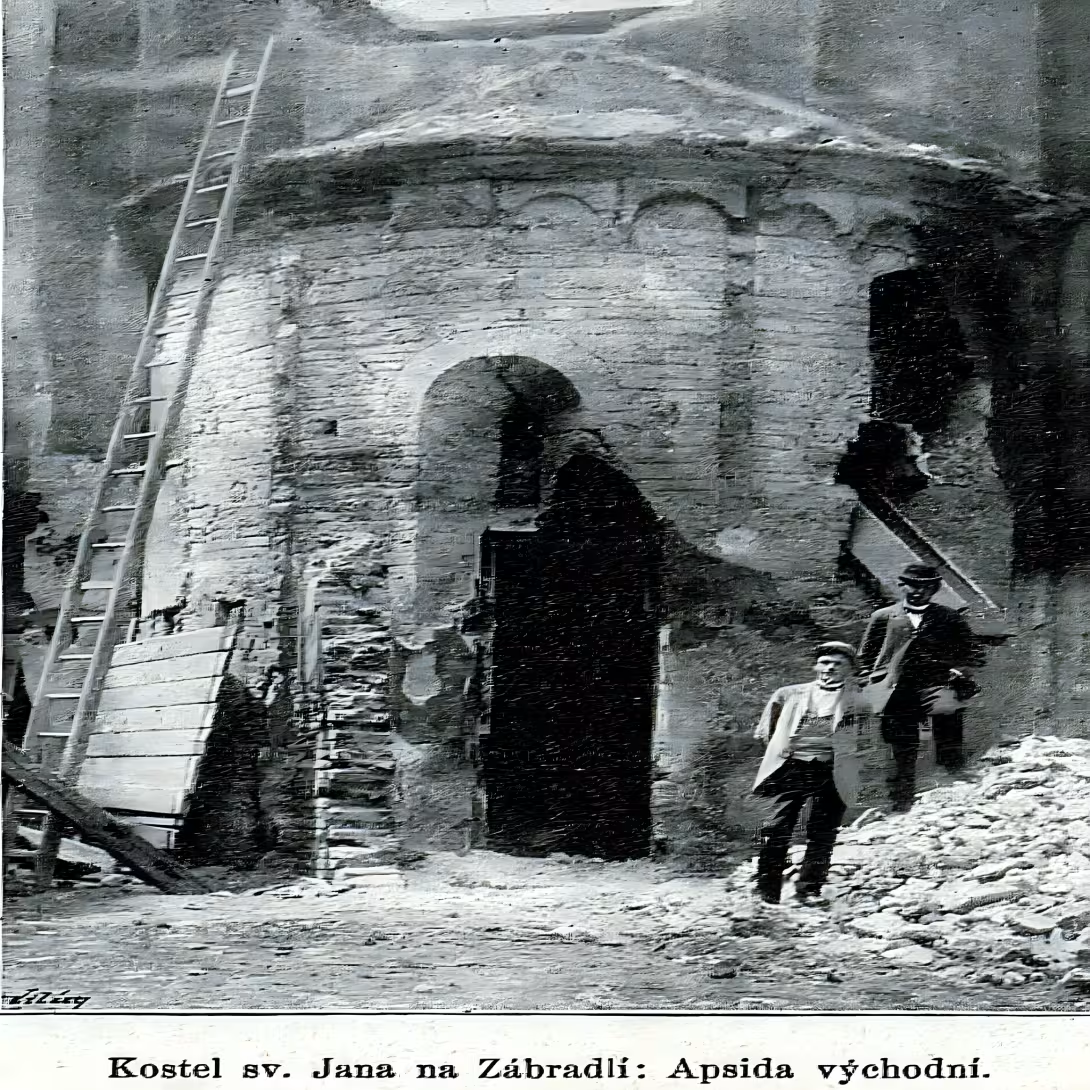
Objekt se nedochoval — na místě dnes nestojí. Následující text popisuje jeho historii, ne současnou návštěvu.
The Church of Saint John the Baptist, known as Na zábradlí or Na smetišti, was a distinctive Romanesque church in Prague's Old Town district. Constructed in the early 12th century, it featured Byzantine influences and an octagonal tower with a central nave and three apsidal ends. This made it an exceptional example of ecclesiastical architecture from that period. Its historical significance is enhanced by its association with Jacobus Gallus Carniolus, a renowned late Renaissance composer who served as cantor and choirmaster there.
Originally built during Bohemia's time in the Holy Roman Empire, the church showcased a blend of Romanesque style with Byzantine elements. Its unique design included an octagonal tower and central nave, making it an architectural curiosity in the region. The closest analog was the church in Řeznovice, constructed four decades later.
As Prague grew into a cultural and political center during the 14th century, the church's capacity became insufficient for its parish. A Gothic nave was added to the western side to accommodate this need, reflecting evolving architectural trends and community demands.
Throughout its history, the church underwent several administrative changes. From 1725 to 1730, it came under the administration of the Staroměstský dominikánský klášter (Dominican Monastery). In 1789, it was secularized and converted into a residential building by Ignác Jan Nepomuk Palliardi, ending its ecclesiastical function.
The church's association with Jacobus Gallus Carniolus adds to its historical allure. Serving as cantor and choirmaster from 1586 until his death, Gallus was a prominent figure in late Renaissance music. His legacy is commemorated by a memorial plaque featuring his portrait on the house at Na zábradlí, installed by architect Josip Plečnik.
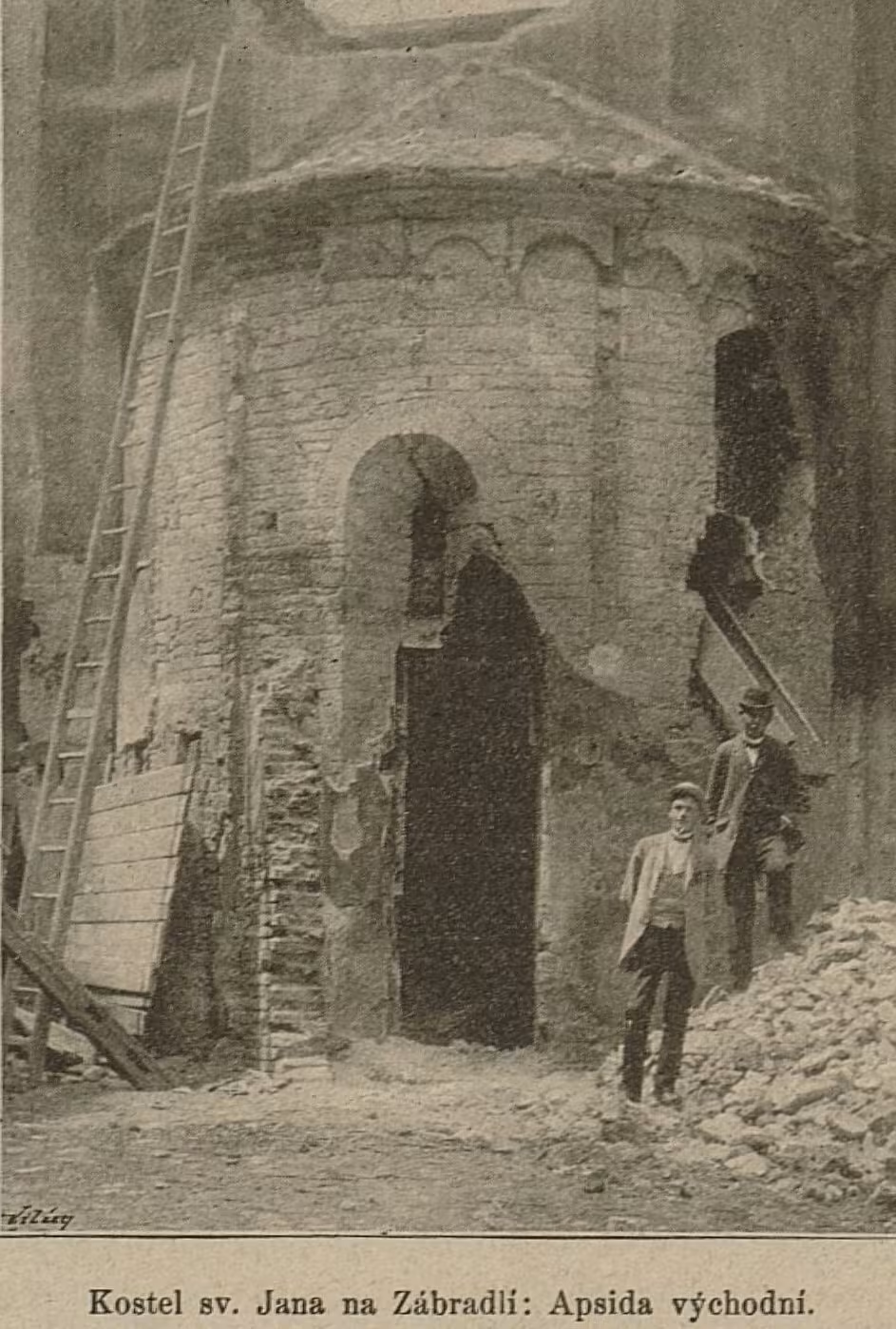
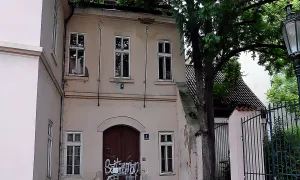
Despite its rich history, the church no longer stands today. In 1896, during Prague's urban renewal efforts, the entire structure was demolished. Today, only the eastern apse remains visible as a testament to its former presence. While the physical monument is lost, its historical significance and architectural uniqueness continue to captivate those interested in Prague's past.
Visiting the site where the Church of Saint John the Baptist once stood offers a glimpse into Prague's rich architectural heritage. Although replaced by modern structures, its story remains an integral part of the city's history, inviting visitors to explore and reflect on the layers of time that have shaped this vibrant metropolis.
Then and now
Drag the slider to compare how the landmark may have looked when it was built with the view today.

The historical appearance on the left is an AI-generated visualisation and serves as inspiration only.
Historical milestones
- c. 1120
- The Church of St. John the Baptist was built.
- 14th century
- A Gothic nave was added to increase the church's capacity.
- 1586
- Jacobus Gallus Carniolus began serving as cantor and organist.
- 1725
- The church came under the administration of the Staroměstský Dominican Monastery.
- 1789
- The church was secularized and converted into a residential building.
- 1896
- The church was demolished during a Prague urbanization project.
Architectural development
Initially constructed in the Romanesque style with Byzantine elements, the church featured an octagonal tower and a central nave. In response to increasing parish needs, a Gothic nave was added on the western side in the 14th century. The complex later came under Dominican Monastery administration before being converted into a residential building.
Historical events
In the mid-14th century, the church's capacity became insufficient for its parish, leading to the addition of a Gothic nave on the western side.
From 1725 to 1730, the complex came under the administration of the Staroměstský dominikánský klášter (Dominican Monastery).
In 1789, the church was secularized and converted into a residential building by Ignác Jan Nepomuk Palliardi.
The entire structure was demolished in 1896 during Prague's urban renewal.
Points of interest
- The Church of Saint John the Baptist was known by two unique local names: "Na zábradlí" and "Na smetišti," reflecting its distinctive position in Prague's urban landscape. - Despite being a Romanesque church, it featured Byzantine influences uncommon for Bohemia at that time, making it an architectural anomaly with its octagonal tower and three apsidal ends. - The closest architectural analog to the Church of Saint John was the later-built church in Řeznovice, constructed four decades after the original structure. - In a unique administrative twist, from 1725 to 1730, the church fell under the management of the Staroměstský dominikánský klášter (Dominican Monastery), before being secularized in 1789. - The legacy of Jacobus Gallus Carniolus is preserved through a memorial plaque on the house at Na zábradlí, created by architect Josip Plečnik, marking his significant contribution to late Renaissance music.
Guide
This guide is narrated by a synthetic voice generated by artificial intelligence.
Show guide text
This text was created by artificial intelligence and has not been editorially reviewed. It may contain inaccuracies.
Welcome to the site of what was once the Church of Saint John the Baptist, a remarkable Romanesque structure that stood here in Prague's Old Town. As you stand before this location, imagine the unique blend of history and architecture that once defined this place. Known locally as "Na zábradlí" or "Na smetišti," its distinctive position within the urban landscape was both intriguing and memorable.
The church dates back to around 1120 when it was originally constructed. It served not only as a religious site but also reflected the diverse influences that shaped Prague during this period, including notable Byzantine elements uncommon for Bohemia at the time. This architectural choice set it apart from its contemporaries, marking it as a significant cultural and historical landmark.
As you look around, picture the octagonal tower and central nave with three apses that once characterized its design. Although the church no longer stands, these features were part of what made it unique in Prague's skyline. Over time, particularly during the 14th century, the church underwent modifications to include a Gothic nave, expanding its capacity to accommodate the growing needs of its parishioners.
The history of this site is enriched by notable figures such as Jacobus Gallus Carniolus, who served here as cantor and organist starting in 1586. His contributions to music during his tenure added another layer of cultural significance to this church.
In 1725, the church came under the administration of the Staroměstský dominikánský klášter (Old Town Dominican Monastery), further embedding it within the religious and community life of Prague. However, by 1789, the church was secularized and transformed into a residential building, marking a shift in its role within the city.
Despite its eventual demolition in 1896 during a major urbanization project in Prague, the memory of the Church of Saint John the Baptist endures. Its unique names, "Na zábradlí" and "Na smetišti," reflect both its physical presence along the edge of the Old Town and perhaps its role as a gathering place for the community.
As we conclude this auditory journey through history, I invite you to continue exploring Prague's rich tapestry of stories and sites. Each corner of this city holds echoes of the past, waiting to be discovered. Thank you for joining me in remembering the Church of Saint John the Baptist—a testament to Prague’s dynamic architectural and cultural heritage.
Safe travels as you delve deeper into the wonders of Prague!
Businesses nearby
Do you run a restaurant, accommodation, shop, museum, rental, wellness or other visitor service near this monument? Show yourself directly to the people heading to it — this is how they will see you in the app and on the web:
Events nearby

Zdroj akcí: otevřená data měst a obcí ČR (Národní katalog otevřených dat) a kalendář akcí Národního památkového ústavu.
Visualizations and artistic views


The visualisations are generated by artificial intelligence and serve as inspiration.
Photos from the area
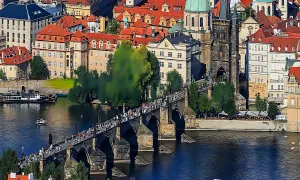
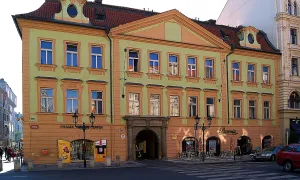
Real photos taken near the monument


Zdroj a licence jsou uvedeny u každého snímku.
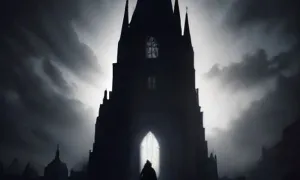
Atmosphere of the place
This atmospheric visualisation of the place and period was generated by artificial intelligence. It is not real footage of the location.
Tips from visitors
No tips yet. Be the first!
Log in and add your tip.
Sources and literature
Photos: AnonymousUnknown author / Public domain, rozlišení zvýšeno umělou inteligencí — Wikimedia Commons. The author and licence also appear when you hover over the image.
Location on the map

Příběhy a pověsti
Legendy, pověsti a příběhy spjaté s touto památkou
Fotografie návštěvníků
Zatím žádné fotografie. Buďte první, kdo přidá fotografii z návštěvy!
Log in a přidejte svou fotografii nebo hodnoťte.
Za ověřenou návštěvu v aplikaci získáte víc bodů — poznáme podle GPS, že jste na místě.
Reviews and comments