






Kostel svatého Jiljí (Dolní Dvořiště) Church
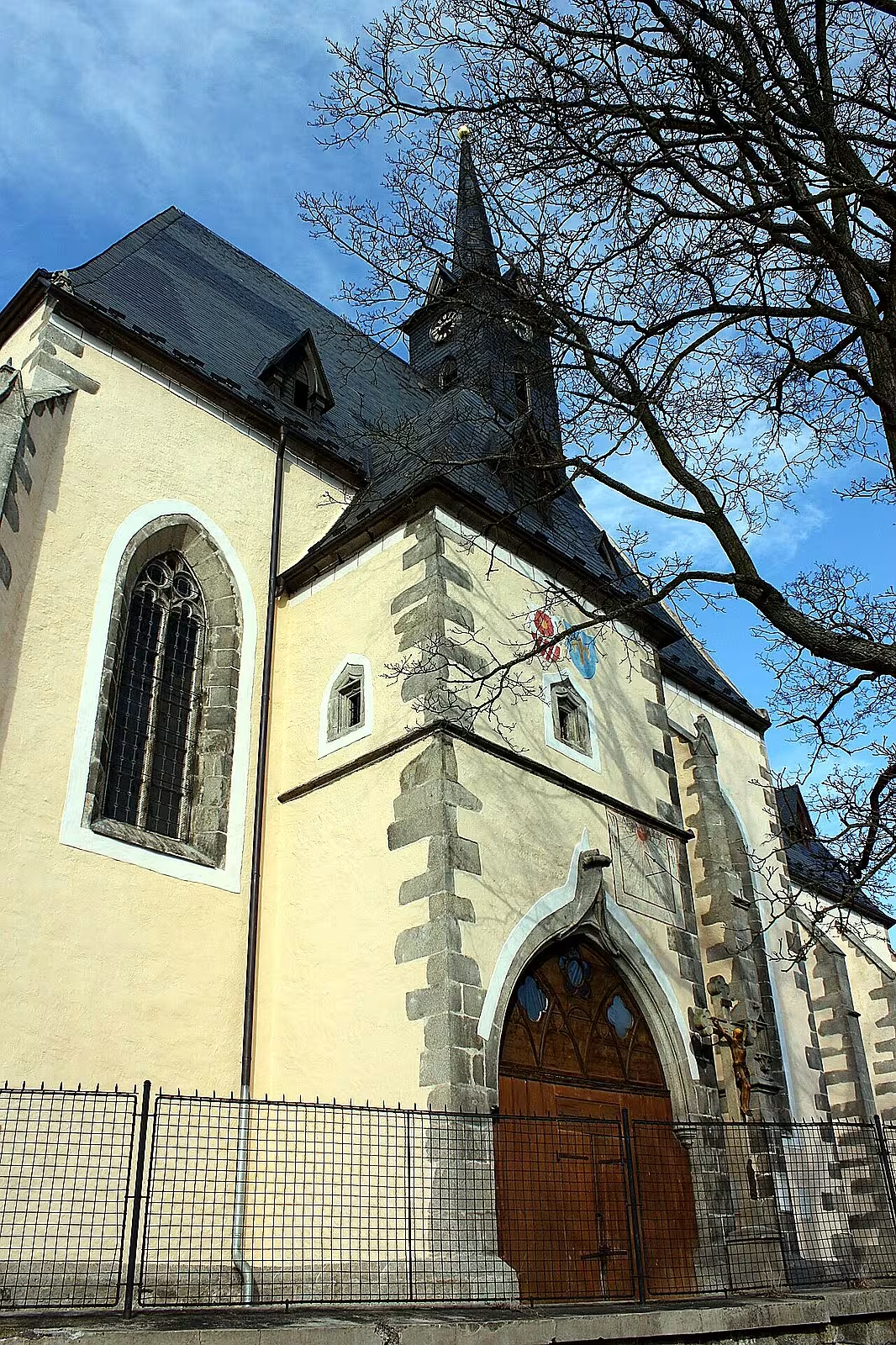
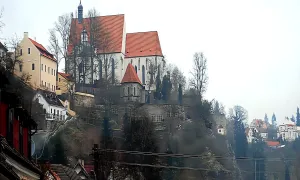
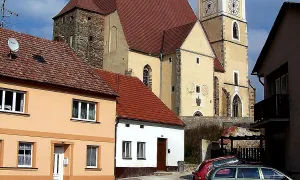
The church of St. Jilje in Lower Dvořiště is a Gothic temple dedicated to St. Jilje, who built the family of Rožmberks in southern Bohemia. It has a very old tradition - the first mention of its existence dates back to 1279, when it was probably built along with the creation of the village that this род owned. It is settled in the landscape from the highest point of its surroundings, which gives it dual character - it acts as a building with a defensive element and as a temple with pilgrimage function. The increased wall of the cemetery around it emphasizes its defensible appearance, while the dominant position visible from all access roads suggests its pilgrimage mission.
Around 1400, a large reconstruction started in the church, which wanted to transform a small town into a large important centre. However, the Hussite wars have thwarted these ambitions, which is why the main construction of the current church began only since 1480. The construction was financially supported by a forgiving privilege which the Rožmberková acquired specifically for construction purposes.
The construction took place gradually in stages. First, a sacristy was built with a basement serving as a skeleton. In 1488, the priesthood was supplemented with a stone shrine and encapsulated with a characteristic star mains vault. Four years later, in 1492, a forged grid was built and installed in the very shrine. By 1500, it was built by a tripod according to the original plan with vaults in the perimeter wall. At the beginning of the 16th century, however, there was a radical change in the project - the circumferential walls of the three ships were significantly increased. The already fixed vaults had to be partially broken in order to achieve a higher enchantment. In 1507 the church was finally consecrated.
The construction is oriented in a classical way to the east with a distinctive slender verticality based on the Czech pre-Hussite tradition. It shares many common elements with the church of St. James in Prachatice - it takes from it arches patterns and shapes of connection warheads. These details suggest that both structures could have been the work of the same architect.
After the explanation, the church passed only minor modifications. Bigger renovations are only recorded in 1838 and 1891. During the reconstruction in 1891 the plaster was removed and the Baroque equipment was replaced by a neo-gothic one. After 1945, the construction affected a significant change - the forced displacement of the German population and the creation of a border zone led to a gradual collapse of the building. In the framework of the Programme for the Rescue of the Architectural Heritage, CZK 5 350 000 was drawn for the reconstruction of the building between 1995 and 2014. Since 1963, it has been protected as a cultural monument.
Then and now
Drag the slider to compare how the landmark may have looked when it was built with the view today.
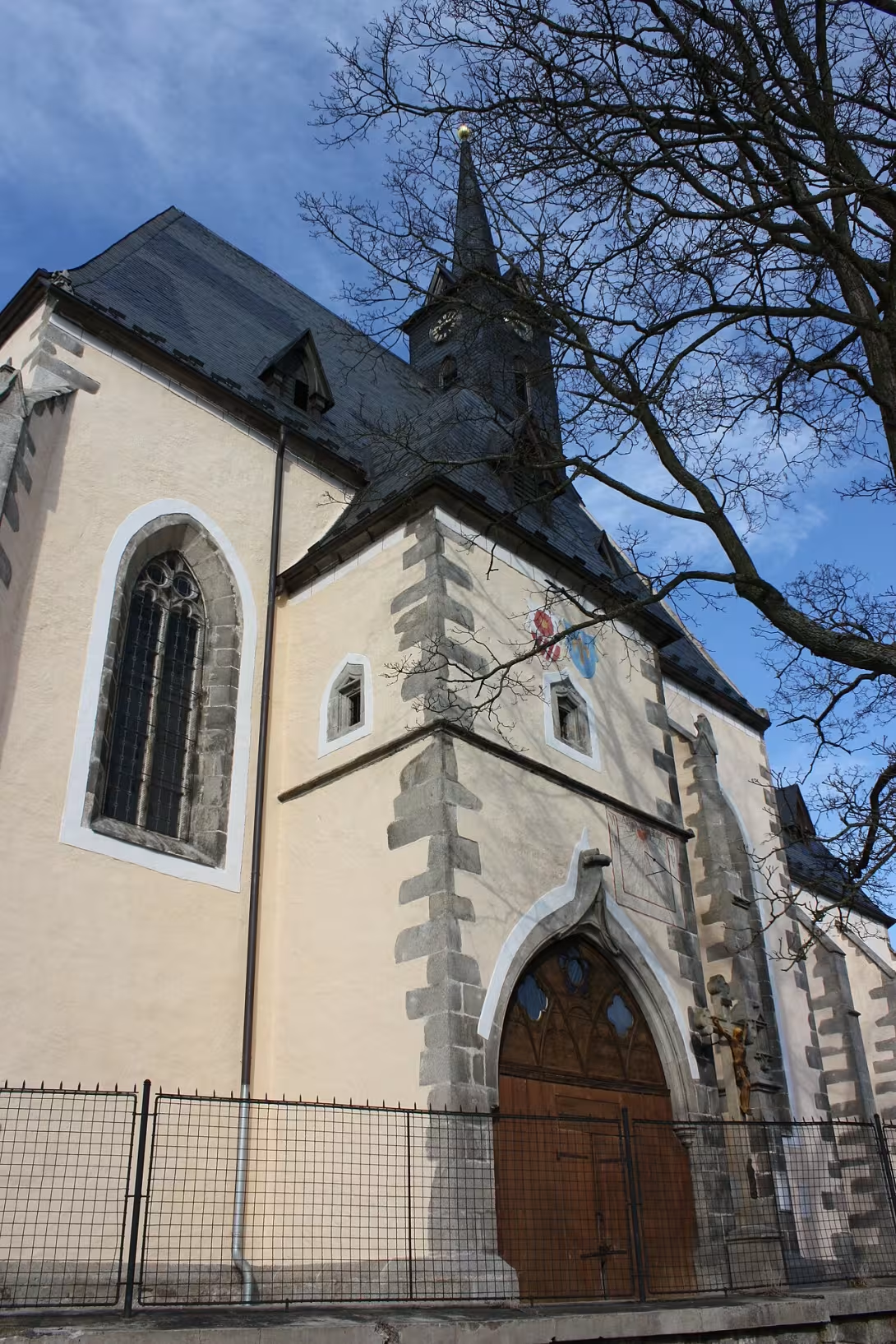
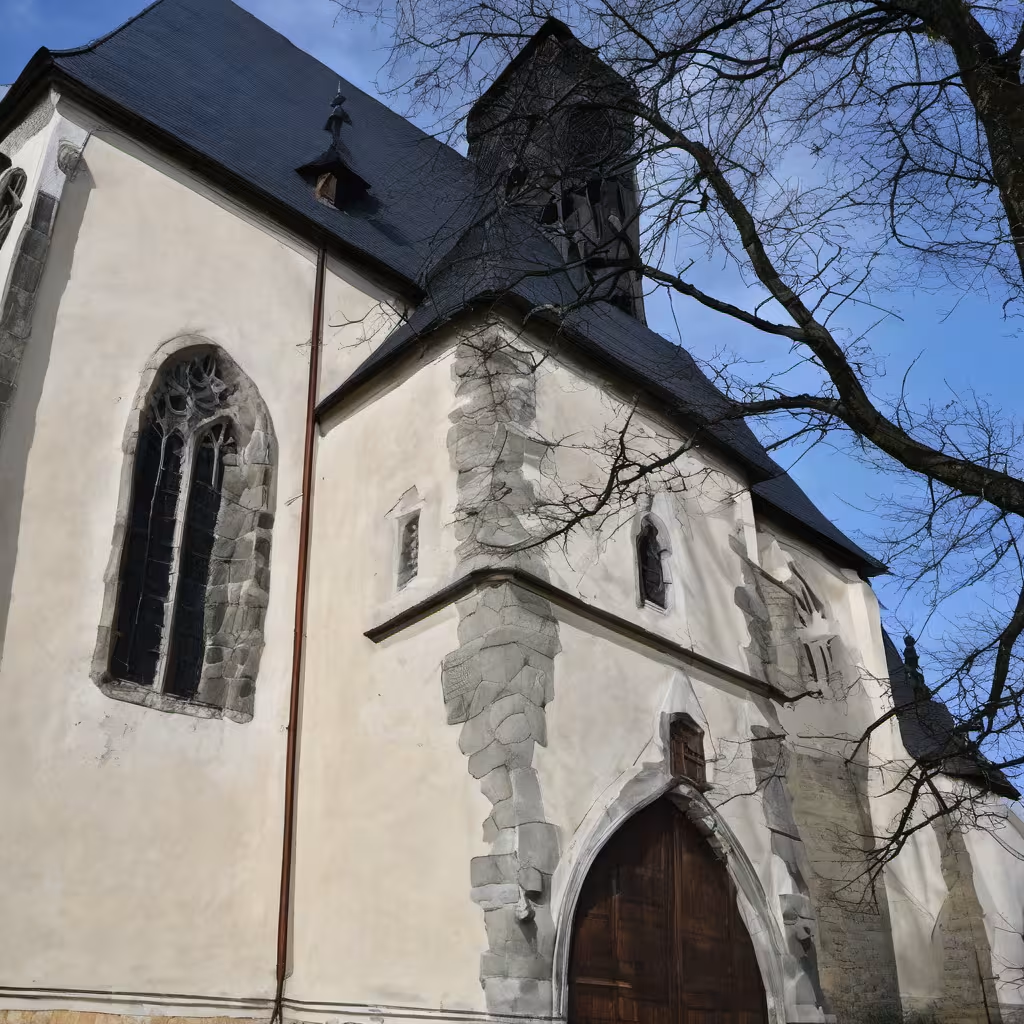
The historical appearance on the left is an AI-generated visualisation and serves as inspiration only.
Historical milestones
- 1279
- First mention of the existence of the church
- 1480
- Beginning of the building of the present church
- 1488
- Complement the priesthood with a stone shrine and vault
- 1507
- Church ordination
- 1891
- Reconstruction and installation of neo-gothic equipment
- 1963
- Entry into the list of cultural monuments
Architectural development
The church was originally built around 1480 and in the first stage included sacristy with a skeleton, circumferential masonry of the priesthood and a halo vault. At the beginning of the 16th century, there was a change in the project which led to a significant increase in the perimeter walls of the tripod.
Historical events
- 1480
- The beginning of the church's main construction.
- 1507
- The consecration of St. Jilji's Church.
Owners
Rožmberk family
Points of interest
- The church is located at the highest point of its surroundings, which gives it a dual character - it acts as a building with a defensive element and as a temple with a pilgrimage function. This dual role is highlighted by the increased wall of the cemetery and the dominant position visible from all access roads. - The main construction of the present church started only from 1480, because the original plans for a large reconstruction of 1400 have stopped the Hussite War. The construction was financially supported by the forgiving privilege that the Rožmberks acquired specifically for construction purposes. - At the beginning of the 16th century there was a radical change in the project of trozlodship, when the perimeter walls were significantly increased. As a result, the already fixed vaults had to be partially broken in order to achieve a higher eclipse. - The church shares many common elements with the church of St. James in Prachatice, including vaults and shapes of connecting warheads. These details suggest that both structures could have been the work of the same architect. - During the reconstruction in 1891 the plaster was removed and the Baroque equipment was replaced by a neo-gothic one. After 1945, the creation of a border zone and the forced displacement of the German population led to a gradual collapse of the building.
Guide
This guide is narrated by a synthetic voice generated by artificial intelligence.
Show guide text
This text was created by artificial intelligence and has not been editorially reviewed. It may contain inaccuracies.
Welcome to this historic place, where we are located in front of the Gothic pearl of Lower Dvořiště - the church of St. Gilji. You are standing in front of a building built in the most memorable part of the region, on the top of a hill that controls the entire region. The church boasts a dominant location and an elevated wall of the cemetery, which gives it both defensive and pilgrimage functions.
Let's dive into his history. The first mention of the existence of the church dates back to 1279, when Dolní Dvořiště was founded by the noble family of Rožmberk. This influential family had a big part in the development of the region and their decision to build the church of St. Gilji wanted not only to strengthen it religious but also politically in this area. The beginning of the construction of the present church dates back to 1480 and was completed by the addition of the priesthood with a stone shrine and a vault in 1488. In 1507 there was a famous event - the consecration of the church, which was the peak period of its history.
Now pay attention to the architecture of this masterpiece. Although specific architects are not known, you may notice the subtle detail of the stone halibut and the vaults of the priesthood which give the church its unique Gothic character. Despite the modesty of its size, there is an obvious skill of master former builders.
Among the key personalities associated with this monument is Petra IV. z Rožmberka, a member of an influential family that had a significant influence on the history and development of Lower Dvořiště. His benefits were not only political but also cultural, which is reflected in this church.
The interesting thing is that even though this place is not among the most important structures of the House of Rožmberks of late goth, its location and historical role have given it an important place in the heart of the region. The church of St. Jilji became not only a place of religious ceremonies, but also a pilgrimage centre for many travelers.
Let us talk to this church and its history for a moment. Look up to the sky through the high windows, which by their lighting bring in life and warm atmosphere.
Now that they have seen this memory, we invite you to explore this beautiful place again. Continue to travel through Lower Dvořiště and discover more of his hidden treasures. See you in this historic landscape!
Tips for visitors
The best time to visit is morning or late afternoon hours, when the low sun best highlights the details of late goth and plays on the facade of the church. The monument is available by car and public transport; The current connection and parking possibilities in the surrounding area are recommended in the current search engine or local information boards.
Since the church stands at the highest point in the area, we recommend shoes with comfortable soles for easy access to the building. For families with children, the visit is suitable as a short trip associated with the story of the history of the family Rožmberk and the importance of Gothic buildings.
For the best photos we recommend looking for a point of view under the church, which highlights its dominant position in the landscape and its original defensive function. In the immediate vicinity of the monument there are no other specific marked objects, so we recommend focusing on the architecture of the temple itself.
Frequently asked questions
Is Kostel svatého Jiljí (Dolní Dvořiště) open to the public?
Yes, the church is open to the public all year round. The opening hours are 9: 00 to 5: 00.
How do I get to the place by car / public transport?
The church is located in the village of Dolní Dvořiště, which lies in the district of Český Krumlov. Bus transport is possible from Český Krumlov.
How much is the entrance fee and is it paid on the spot?
Admission to the Holy Church Jilji is free, but there are collections for the maintenance of the monument.
Is the tour suitable for children and seniors?
Yes, the church is suitable for all ages. There is an opportunity for children to become acquainted with history and art.
How long does the tour take?
The tour of St. Jilji's Church takes approximately 30 minutes.
What are the opening times and booking is required?
The opening hours are 9: 00 to 5: 00. Reservation is not required, but we recommend prior verification of opening hours.
What's interesting in the immediate vicinity?
In the immediate vicinity of the Holy Church Jilji is located in forests and mountain terrain. We recommend a walk along the surrounding roads.
For kids
Imagine going back 556 years to a time when the world was still full of secrets and danger. It was a time when people believed in angels, demons, and magic.
Here, in the beautiful city of Dolní Dvořiště, there was once a great forest game where hunting masters and their dogs met. Sometimes wolves stayed here. It was a wilderness where every day something new was waiting for a hunter.
Businesses nearby
Do you run a restaurant, accommodation, shop, museum, rental, wellness or other visitor service near this monument? Show yourself directly to the people heading to it — this is how they will see you in the app and on the web:
Events nearby
Zdroj akcí: otevřená data měst a obcí ČR (Národní katalog otevřených dat) a kalendář akcí Národního památkového ústavu.
Nearby
The church is located in the village of Dolní Dvořiště, which lies in the district of Český Krumlov. The surrounding area is characterized by mountain terrain and forests.
Accommodation nearby
Trips and activities nearby
Guided tours, tickets and activities nearby from GetYourGuide
Affiliate link: if you buy from the partner, we may receive a commission. The price for you does not change.
Search tours and activities →Themed route
1. The church of St. Jilji, sacral space, here you can see the religious elements and architecture inside the temple. 2. The church tower, an architectural element, offers the possibility to observe details of the building and surrounding landscape from a height. 3. The courtyard near the church, the immediate area, is an ideal place for a tour of the outdoor parts and a moment of peace in close proximity to the monument.
Seasonal recommendations
Spring in the vicinity of St. Jilje church in Lower The courtyard brings a slowly awakening landscape and a soft, golden light that highlights the Gothic details of the building after winter sleep. Nature is awakened around the church with the first leaf shoots and colored grass, which creates a calm, almost poetic atmosphere suitable for photography and artistic reflections. Practically, it is good to visit the place in the morning, when crowds of visitors are still small and the temperature is comfortable, but you should prepare layered clothes, because spring weather in the Sumava Proverbs can be unexpectedly variable and moisture often persists despite the sun.
Summer is a time when the church of St. Jilje in Lower Dvořiště, dedicated to daylight, fills with bright, jealous lights, which contrasts with the shadow of ancient stone walls and increases the perceived weight of architecture. In the main summer season, the surrounding area will fill with dense greenery and visiting crowds looking for shelter from heat, so it is best to come early in the morning or late in the afternoon when temperatures drop slightly and light becomes interesting. For a comfortable experience, choose light, breathable clothes and comfortable shoes, but also carry a thin layer for cooling if necessary; Avoid the noon when the crowds are the most numerous and the parking lot is full.
Autumn around the Holy Church Jilji brings a specific atmosphere of slowly cooling air and colorful leaves that surround the sacral object with warm tones of yellow, red and brown, while soft autumn light creates interesting shadows on the stone wall. This season the crowds of visitors are usually milder than in summer, but the weather may be relentless, so it is advisable to choose the time of visit around noon when daylight is the strongest and the temperature is the most welcoming for walking around. Practically, you should prepare warmer clothes, fixed shoes for wet or leaf-covered roads and an overview of possible short showers, which are no exception in autumn months, not the rule.
The winter around the church of St. Gilje in Lower Dvořiště offers a quiet, almost mystical atmosphere, where daylight is low and soft, while the freezing surroundings and perhaps a layer of snow highlight the Gothic lines of construction and create an interesting contrast with the interior, which at this time is lit only by small windows. In the winter months the opening hours of the office or church are often shortened and the crowds of visitors are greatly reduced, making the place ideal for a peaceful prayer or reflection, but counting on the need for warm clothes, gloves, scarves and solid shoes for possible ice or snow; The best time to visit is usually the afternoon when daylight is the strongest and the temperature is the most welcoming, but always check the current opening time in advance to avoid disappointment.
Visualizations and artistic views


The visualisations are generated by artificial intelligence and serve as inspiration.
Photos from the area
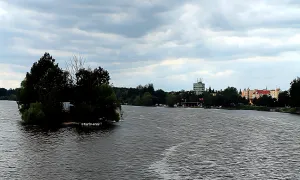
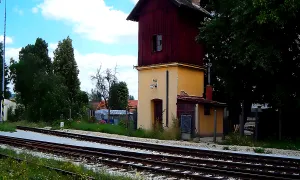
Real photos taken near the monument


Zdroj a licence jsou uvedeny u každého snímku.
Atmosphere of the place
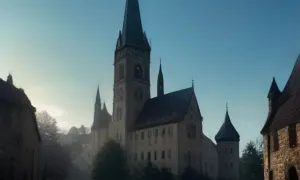
This atmospheric visualisation of the place and period was generated by artificial intelligence. It is not real footage of the location.
Tips from visitors
No tips yet. Be the first!
Log in and add your tip.
Sources and literature
Fotografie: Linhasar / CC BY-SA 4.0 — Wikimedia Commons. The author and licence also appear when you hover over the image.
Faktickým podkladem tohoto textu byl článek na Wikipedii, jehož autory jsou přispěvatelé Wikipedie. Článek je dostupný pod licencí CC BY-SA 4.0.
Location on the map

Příběhy a pověsti
Legendy, pověsti a příběhy spjaté s touto památkou
Fotografie návštěvníků
Zatím žádné fotografie. Buďte první, kdo přidá fotografii z návštěvy!
Přihlaste se a přidejte svou fotografii nebo hodnoťte.
Za ověřenou návštěvu v aplikaci získáte víc bodů — poznáme podle GPS, že jste na místě.
Reviews and comments