






kostel svatého Jiljí (Libeř) Church
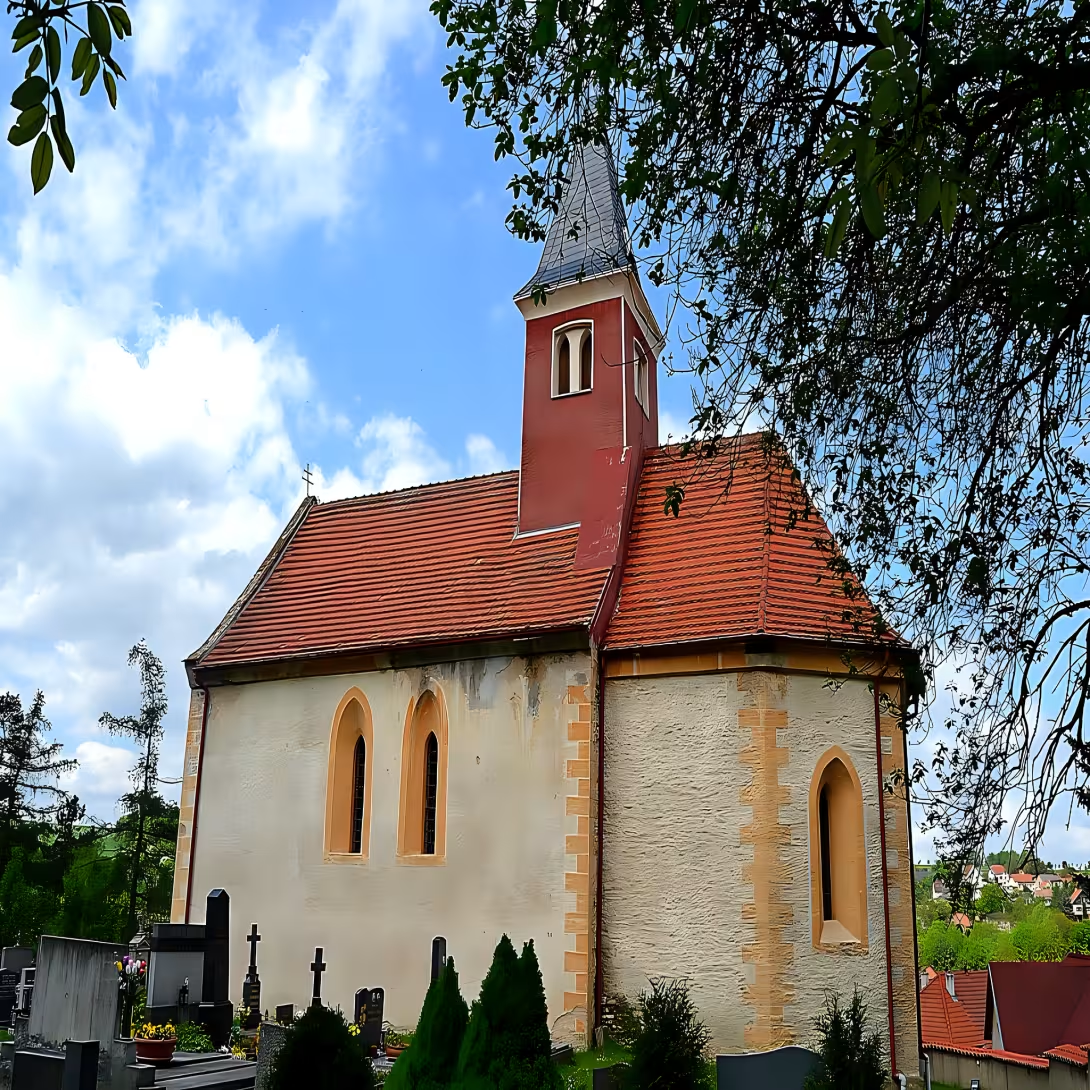
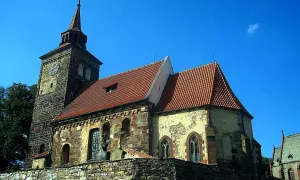
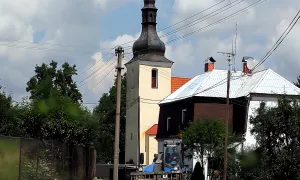
Holy Church Jilji stands in Libra in Praha-západ district as a witness of over six centuries of Czech history. It is a small Gothic building which the state protects as a cultural monument of the Czech Republic. Since the 14th century it has been mentioned as a parish church and falls under the administration of the Archbishop of Prague, as a filial temple it is subject to the control of the church of St. Vojtěv in Jílová near Prague.
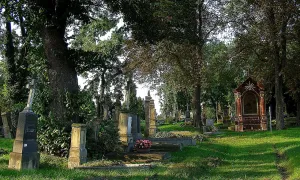
The construction dates back to the early 14th century, when it was probably founded by local masters. We know the names of several feeders: in 1362 Štěpán Dlužil and Velislav, in 1402 Jaroslav and since 1413 Kolman z Křekavy. The first priests included Bartoloměj in 1362, the pleban Ulrich z Libře in 1399 and Jan z Chotěšova in 1413. There is a small cemetery around the church, where the inhabitants of Libra themselves and the surrounding villages found the last refuge.
The church lived a long life here. Until recently, it was visited by citizens who held annual Christmas concerts. However, this tradition ended in 2010, when the critical state of the building - particularly broken roof cover, decaying wooden roof construction and part of the ceilings - had to be closed externally. Thanks to the support of the citizens, the interior has remained inaccessible to the public.
Architecturally, the church is interesting by approaching the temples in Jílová near Prague. It was built from mixed masonry probably on solid rock ground. The mornings of the Gothic masonry from the early 14th century are today in good condition without visible cracks. The construction consists of a single-boat structure on a rectangular plan, the western part of which ends with a polygonal presbytery nearly 5 metres long, approximately 6 metres wide and 7 metres high. The ship measures to a length of 8,5 metres and a width of 7 metres, illuminating it by two slender thick windows from both north and south.
Presbytery offers richer architectural details. It is cast off by three sides of a regular octagonal with rounded columns in the corners. The priestess is arched by a six-beam arch with a strong lift and ribs coming from the console heads. The southern wall of the presbytery preserved decorated seats and sactuarium in the form of a rectangular niche. Between the presbytery and the ship there are two sharp victory arches, between which in 1864 a segmental flattened arch was built instead of the original flat ceiling. The ship covers a flat, probably wooden ceiling.
The entrance to the church consists of a stone rectangle with profiled arms and carved consoles made of opposites, reminiscent of small male figures. In the northwest corner of the ship leads a snail staircase to the circle and further to the ground, illuminated by a narrow sharp window. The organ was originally placed on the circle, built on two sacraments without ribs. The northern side is surrounded by a rectangular sacristy glassware with a flared arch with lunnets.
Today, this piece of Gothic goth remains closed to the world, waiting to be rescued. Visitors can only move to the cemetery and admire this modest but architecturally sophisticated building from the outside.
Then and now
Drag the slider to compare how the landmark may have looked when it was built with the view today.
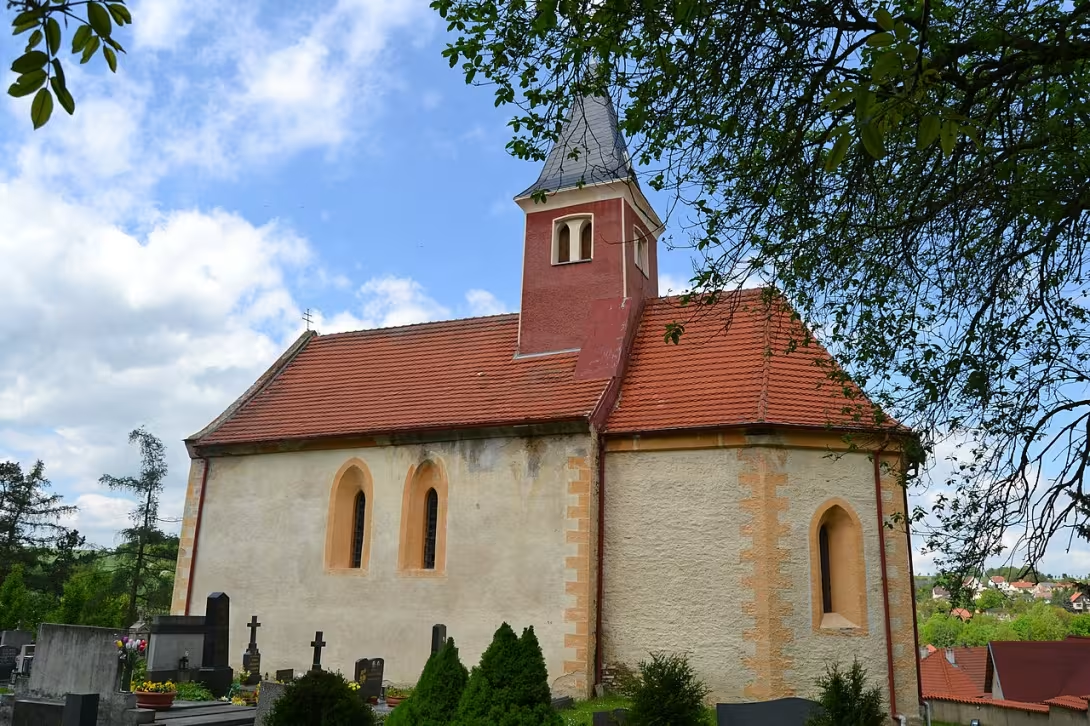
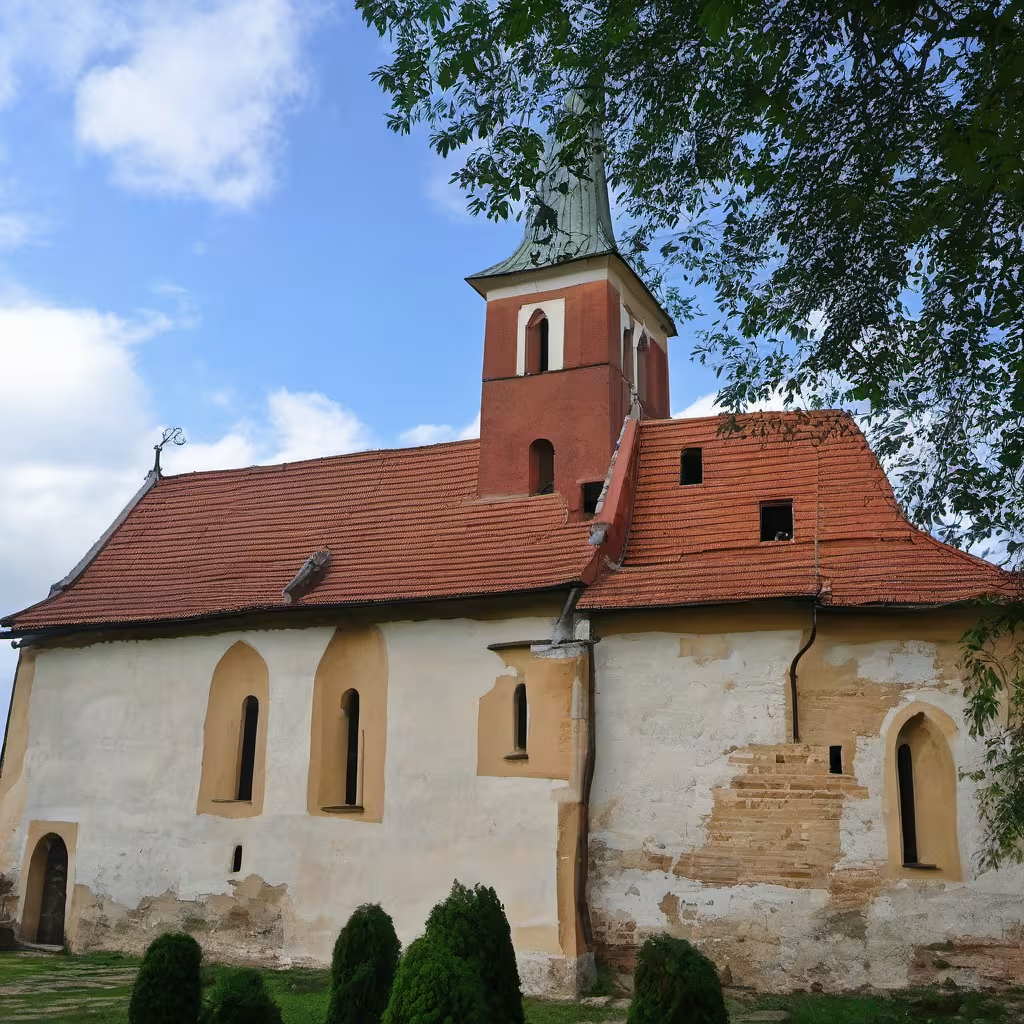
The historical appearance on the left is an AI-generated visualisation and serves as inspiration only.
Historical milestones
- 1362
- Mention of priest Bartoloměji from Brzieza.
- 1864
- Rebuilding the space between the steep welcome arches into the segment vault.
- 2010
- Closure of the church due to critical building condition of roof and roof.
Architectural development
The construction dates back to the early 14th century and is built from mixed masonry. The architecture is related to the church in Jílová near Prague thanks to the location of the tower between the presbytery and the boat. The interior contains a six-beam vault in the presbytery and a flat ceiling in the ship.
Historical events
In 1362 the priest Bartoloměj was mentioned in the documents; in 1864, the space between the welcome arches was rebuilt into a segment vault; in 2010, the church was closed due to bad condition.
Owners
Since the 14th century listed as a parish church; the archbishop of Prague is the current owner.
Points of interest
- The church is a small Gothic building protected by the state as a cultural monument of the Czech Republic. - There is a small cemetery around the church where the inhabitants of Libra and surrounding villages sought refuge. - Due to the critical state of the roof and wooden structures, the church had to be closed to the public in 2010. - The entrance to the church is made up of a stone rectangle with consoles made of opposites that resemble small male figures. - The priestess is arched by a six-beam vault with ribs coming out of the console warheads.
Guide
This guide is narrated by a synthetic voice generated by artificial intelligence.
Show guide text
This text was created by artificial intelligence and has not been editorially reviewed. It may contain inaccuracies.
Welcome to Libra. You are standing in front of one of the oldest and most sensitive historical jewels in this region. In front of you stands the modest but magnificent silhouette of the church of St. Gilji. Although at first glance it may seem to be a simple rural structure, its stone walls hide within themselves more than 700 years of history. Look at the low but solid masonry and the characteristic shape of the roof. This single-boat object, with a polygonal presbytery on a rectangular plan, is an example of how they could build the masters of goth who worked with a minimum of space but with a maximum of spiritual tension. The atmosphere here is quiet, almost blocked by breath, which is due to the fact that you are in a place where generations of inhabitants of Libra and surrounding villages once gathered.
If you think about what you're seeing, transfer yourself into the 14th century. The church of St. Jilji is not a random building. Its existence is documented already in 1362, when a reference to the priest Bartoloměji from Brzieza appears in the written sources. This dating shows us that it is a construction that has survived centuries of wars, plagues and political changes. At that time Libeř was a village where life revolved around agriculture and faith. The church was not only a place of prayer, but the center of social life. It was a parish church, which means it served as a spiritual and administrative center for the wide area. People came here not only to Mass, but also to baptism, marriage and funerals. It was their home in the hardest time of their lives.
Now pay attention to architectural details that are visible from the outside. Even if we can't enter to admire the arches and altars, we can imagine how the space worked. The single-boat structure was typical of smaller parish churches at the time. It was a spacious, but intimate hall, where every voice, every word of the preacher sounded clear. The presbytery, the space behind the altar, has a polygonal shape, which was a very fashionable and practical solution in goth. It allowed better acoustics and also created an optical impression of higher space. In 1864 there was an important intervention in the interior. The space between the steep welcome arches was converted into a segment vault. This change suggests that the church underwent modernization, which was intended to improve its functionality and possibly aesthetics for the then visitor. Despite these later modifications, the building retains its Gothic character, which you feel now when you look at its hard lines.
Let's move on to the stories of the people who lived and cared for this church. Historical personalities associated with this place include names such as Štěpán Dlužil, Velislav, Jaroslav, Kolman z Křekavy, Bartoloměj, Ulrich z Libře and Jan z Chotěšova. These names aren't just dry records in chronicles. They represent the particular people who lived here, loved, suffered and died. Kolman z Křekavy or Ulrich z Libře are examples of nobles or influential citizens who had a great influence on the fate of the village and its church. Perhaps they were the ones who financed repairs, foundation or determined the direction of spiritual life in Libre. Each of them left a trail that was preserved in the stones of this church. Imagine these people entering this space, bowing down, looking for a cliff in prayer. Their stories are an integral part of the history of this place.
The interesting thing that may surprise you is that there is a small cemetery around the church. This area was the final resting place for many inhabitants of Libra and surrounding villages. The cemetery was an inherent part of parochial life. People here sought refuge not only in life but also in death. The view of tombs and tombstones that have been lost or set up over time reminds us of how fragile human life is and how important the monument is. The church and cemetery formed one whole where joy and sadness, life and death intertwined. This closeness of holy and sacred space with the place of burial was commonplace for the medieval man. Today, when you look at this space, you feel connected to those who once lived and rested here.
Unfortunately, we must also mention the present day of this church. In 2010, the church was closed to the public. The reason for this was the critical state of the roof and wooden structures which form the grove. The roof is a key element for any construction, it protects it from rain, snow and freeze. When this system fails, the entire object is in danger of extinction. The builders and conservators had to close the church to prevent further damage and ensure the safety of visitors. Although the church is now protected as a cultural monument of the Czech Republic, its physical condition requires attention and care. It is a warning to all of us how fragile historical monuments are and how important it is to protect and restore them.
Even if we can't enter and admire the interior details, such as arches, altars or statues, we can imagine what they would look like. Gothic architecture is known for its vertical, light and mysticism. Imagine what light would look like falling in through the windows, reflected from the stone walls, creating the atmosphere of the supernatural. This is what this church offers those who are fortunate to see him in full glory. Although it is now closed, its history and its importance remain. It's where the past meets the present, where history touches the present.
Now look around the church. Libeř is a picturesque village that offers many other places to explore. The Church of St. Jilji is just one of many historical jewels found in this area. Look at the other buildings, alleys and natural beauty surrounding you. Every stone, every wall has a story. Every history is important and deserves attention. The church of St. Jilji is a symbol of resistance and continuity. Although it has undergone many changes and difficulties, it still stands here, reminding us how important the monument is and how strong the roots that keep us here are.
To conclude, visiting this place is more than just a tour of the historical monument. It's time travel, meeting people who lived here before you, and thinking about what we're gonna leave behind. The church of St. Gilji is a place where history touches the soul. Even if it's closed now, his presence is felt in every step you take here. Thank you for your attention and for taking the time to stop and us
Tips for visitors
The best time to visit the church of St. Jilje in Libra is autumn, when the woods around the church are coloured with vivid colours and the sun illuminates the building in warm light. This time of year also offers a calmer environment without the heat of the summer months.
Parking can be found near the village Libeř where parking is available. For those travelling by public transport, the church can be reached by bus or tram; Check specific connections and times before leaving in the online search engine.
When visiting to take a suitable suit with you because the church is a historical monument and can be cold inside. Fill your equipment with protective glasses or caps for possible sun rays, especially if you plan to take pictures.
Photographing the church is especially nice in the early morning or evening when light is softer and shadow effects add a mystical touch. The best places for photos can be found on the garden side of the church, where are the views of the surrounding landscape.
The surrounding area is the historical village Libeř with picturesque streets and natural park. For families with children it is advisable to visit the park where children can play in the open area or see wild animals.
Frequently asked questions
Is kostel svatého Jiljí (Libeř) open to the public?
Yes, the church is open to the public. The tour is possible after the previous arrangement with the landlady.
How do I get to the place by car / public transport?
The nearest public transport stop is in the village Libeř. The car can be parked in front of the church, but local parking signs must be respected.
How much is the entrance fee and is it paid on the spot?
The church entrance is free. If you are interested in more information or sightseeing, you can contact the administration.
Is the tour suitable for children and seniors?
Yes, a church tour is also suitable for families with children. For seniors, access to the church is easy, but we recommend to inform you in advance of any restrictions.
How long does the tour take?
A tour of the church usually takes 15-30 minutes, depending on the interest of the visitors.
What are the opening times and booking is required?
The church is accessible by prior agreement with the trustee. We recommend contacting the administration in advance to ensure an appropriate time of visit.
What's interesting in the immediate vicinity?
Near the church you will find a nature reservation Libeř where you can observe local flora and fauna. The village Libeř also offers basic services and shops.
For kids
Imagine going back to a time when our country was warm under the sun and the woods were full of life. Where do you want to go? Deep woods or a big lake?
But today we're going to talk about a small village called Libeři, where there was a beautiful Gothic building - the church of St. Jilji. It was like a small fortress in the heart of the woods where people came to prayer and protected themselves from danger.
Businesses nearby
Do you run a restaurant, accommodation, shop, museum, rental, wellness or other visitor service near this monument? Show yourself directly to the people heading to it — this is how they will see you in the app and on the web:
Events nearby
Zdroj akcí: otevřená data měst a obcí ČR (Národní katalog otevřených dat) a kalendář akcí Národního památkového ústavu.
Nearby
The church is located in the village Libeř in the district of Praha-západ.
Accommodation nearby
Trips and activities nearby
Guided tours, tickets and activities nearby from GetYourGuide
Affiliate link: if you buy from the partner, we may receive a commission. The price for you does not change.
Search tours and activities →Themed route
1. Exterior of the church of St. Jilji (architecture) - A tour of the exterior facade and architectural details of the building. 2. Interior of the church of St. Gilji (sacral space) - Visit the inner spaces for admiring the altar and spiritual atmosphere. 3. The area of St. Jilje Church (surrounding area) - Walk through the immediate surroundings of the monument in the village Libeř.
Seasonal recommendations
In spring, the church surrounds the awakening greenery, which creates a strong contrast with abandoned walls. The soft spring light highlights the details of the ruins and returns hope to the place. I recommend moisture-resistant footwear, because the surrounding terrain can be muddy when the snow melts. The best place to visit is in the morning when the air is the cleanest.
In the summer months the monument is very dramatic thanks to the bright sun, with deep shadows playing a major role in the space of ruins. In the main summer season there are more visitors, so come early in the morning to avoid heaps of people and heat. Dress light and breathable clothes and do not forget enough fluids.
Autumn brings a melancholy atmosphere with colourful leaves that floods the surrounding church. Fog often gives the place a mysterious touch and emphasizes its isolation. Due to the variable weather, it is advisable to choose layered clothes and waterproof jacket. The ideal time for visiting is the late afternoon when the light is the most golden.
In winter, the construction in the snow-covered landscape is very stroboid and silence highlights its emergency condition. Because of the cold and the short days, I recommend very warm clothes and a visit in the middle of the day to make sure you have enough daylight. Before travelling, check the availability of the path as snow may make it difficult to access the object.
Visualizations and artistic views


The visualisations are generated by artificial intelligence and serve as inspiration.
Photos from the area
Real photos taken near the monument


Zdroj a licence jsou uvedeny u každého snímku.
Atmosphere of the place
This atmospheric visualisation of the place and period was generated by artificial intelligence. It is not real footage of the location.
Tips from visitors
No tips yet. Be the first!
Log in and add your tip.
Sources and literature
Fotografie: Daniela Holanová / CC BY-SA 3.0, rozlišení zvýšeno umělou inteligencí — Wikimedia Commons. The author and licence also appear when you hover over the image.
Faktickým podkladem tohoto textu byl článek na Wikipedii, jehož autory jsou přispěvatelé Wikipedie. Článek je dostupný pod licencí CC BY-SA 4.0.
Location on the map
Příběhy a pověsti
Legendy, pověsti a příběhy spjaté s touto památkou
Fotografie návštěvníků
Zatím žádné fotografie. Buďte první, kdo přidá fotografii z návštěvy!
Přihlaste se a přidejte svou fotografii nebo hodnoťte.
Za ověřenou návštěvu v aplikaci získáte víc bodů — poznáme podle GPS, že jste na místě.
Reviews and comments