



Kostel svatého Jiljí (Teplá) Church
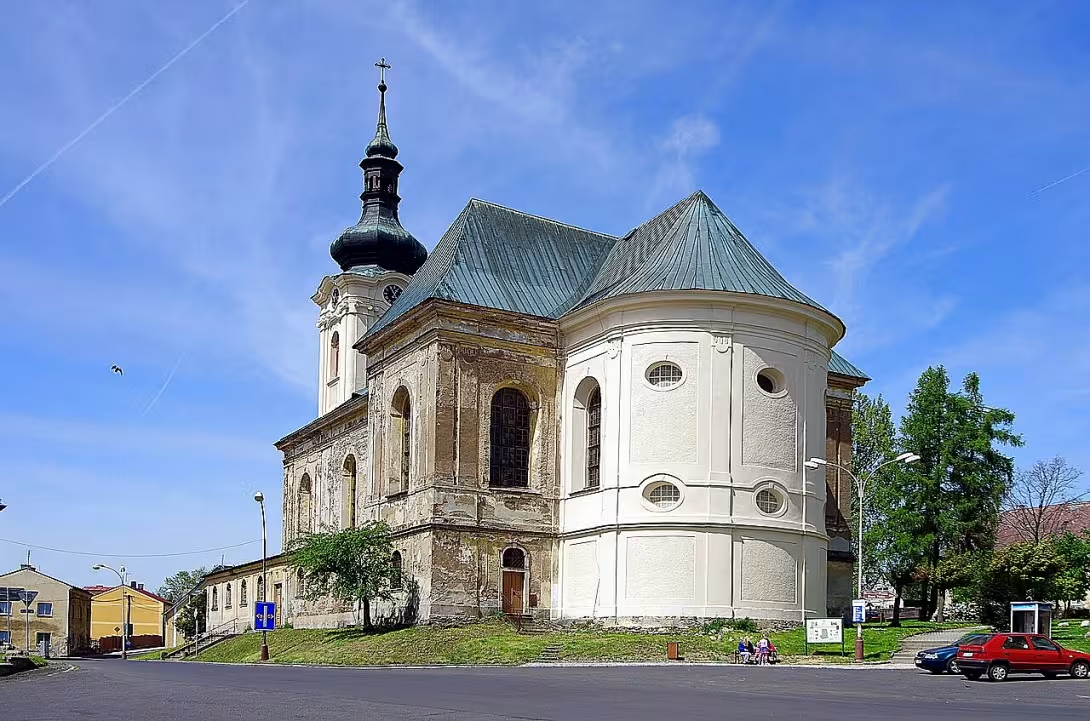
The Church of Saint Giles in Teplá is a notable Baroque church celebrated for its unique architecture and exquisite frescoes. Situated in Teplá within the Karlovarský kraj region, this cultural monument was built between 1762 and 1765 by architect Wenzel Hausmann. The church serves as an important religious site and an architectural treasure that reflects the area's rich history and artistic heritage.
The origins of the Church of Saint Giles date back to at least 1384 when it first appeared in historical records. Over time, the structure underwent several transformations. A significant rebuilding phase occurred between 1667 and 1694, preserving its original layout. The current Baroque building, designed by Wenzel Hausmann, replaced earlier structures and marked a major architectural advancement for the church.
Architecturally, the Church of Saint Giles features a single nave with a semi-circular presbytery. It includes side sacristies and low galleries known as ambulatory, added between 1808 and 1838. The roof design consists of a valved structure over the nave and a shed-style covering for the galleries. One of its most striking artistic elements is the ceiling paintings by Elias Dollhopff in 1765, depicting scenes from Saint Giles' life. Additionally, the main altar comes from a dissolved monastery church in Chotěšov, crafted by Matěj V. Jäckel and František I. Weisse.
Throughout its history, the Church of Saint Giles has experienced key events shaping its current form. In 1794, it suffered fire damage, requiring repairs and modifications. The construction of the ambulatory between 1808 and 1838 added new dimensions to the church's structure. Further renovations from 1850 to 1853 completed the tower, enhancing architectural integrity. In 1896, frescoes within the church were restored by A. Waller, preserving its artistic heritage.
Today, the Church of Saint Giles stands as a well-preserved cultural monument open for visitors interested in its historical and artistic significance. Its Baroque architecture, combined with the rich history encapsulated in its walls, makes it an appealing destination for those fascinated by religious art and architectural evolution. The church's frescoes and altars offer insights into 18th-century Bohemian craftsmanship and cultural narratives.
The Church of Saint Giles is a testament to artistic achievements of its time and symbolizes resilience through centuries of change. Its preservation as a cultural monument ensures future generations can explore and learn from this remarkable site. Visitors are encouraged to experience the beauty and historical depth of this Baroque masterpiece, making it a must-see destination in Teplá.
Then and now
Drag the slider to compare how the landmark may have looked when it was built with the view today.
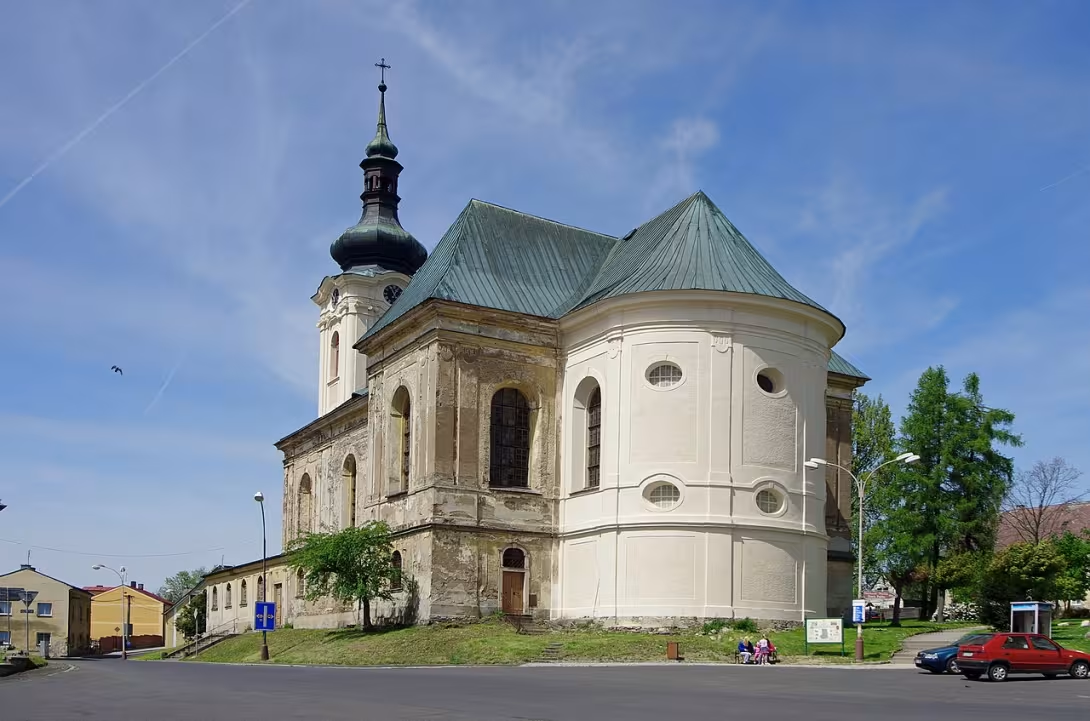
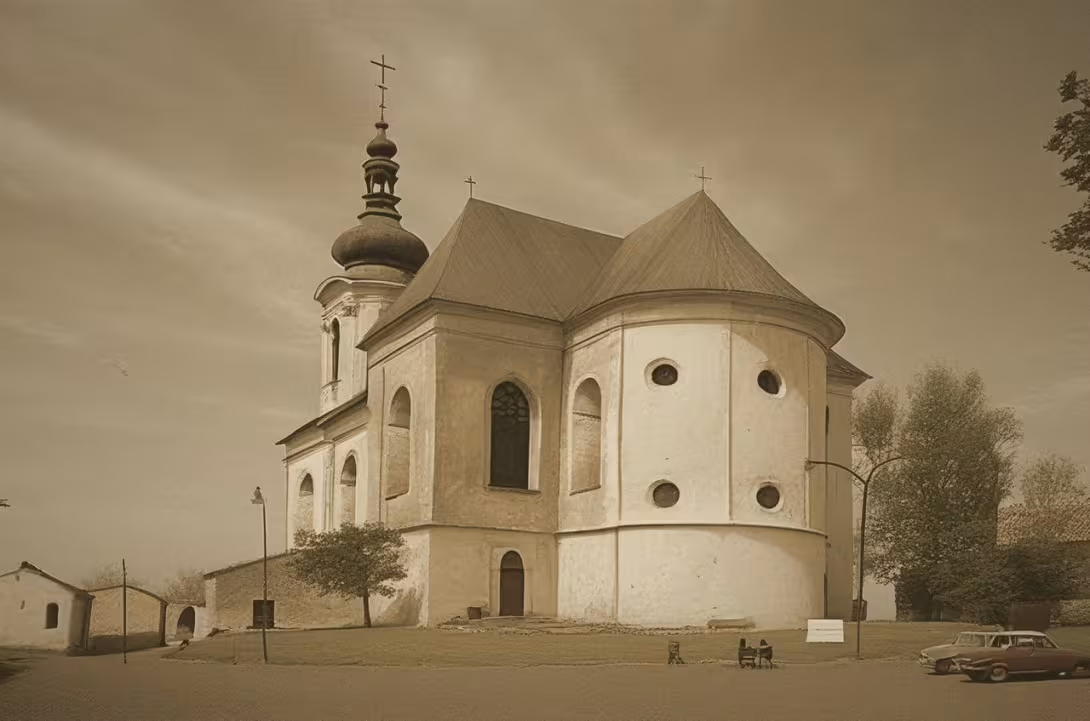
The historical appearance on the left is an AI-generated visualisation and serves as inspiration only.
Historical milestones
- 1384
- The church was first mentioned.
- 1667-1694
- Rebuilding of the church maintaining original layout.
- 1762-1765
- Construction of the current Baroque structure by Wenzel Hausmann.
- 1794
- The church was damaged by a fire.
- 1808-1838
- Ambulatory construction.
- 1850-1853
- Renovations completed the tower.
- 1896
- Frescoes were restored by A. Waller.
Architectural development
The Church of Saint Giles underwent several phases of development. Initially mentioned in 1384, it was rebuilt between 1667 and 1694. The current Baroque structure was constructed from 1762 to 1765 by Wenzel Hausmann. Subsequent additions included the ambulatory (1808–1838) and a tower completed during renovations from 1850 to 1853.
Historical events
The church was rebuilt between 1667 and 1694, maintaining the original layout.
A fire damaged the church in 1794.
Ambulatory construction took place from 1808 to 1838.
Owners
The church is owned by the Teplá monastery.
Points of interest
- The Church of Saint Giles holds a unique place in history as its original structure dates back to at least 1384, making it one of the older religious sites in Teplá with centuries of transformation and adaptation.
- An intriguing aspect of the church is that its main altar was repurposed from a dissolved monastery church in Chotěšov, showcasing how artifacts can travel and find new significance across different locations and contexts within Bohemia.
- The ceiling paintings by Elias Dollhopff are particularly noteworthy as they depict scenes from Saint Giles' life; these frescoes highlight the artistic collaborations that were common during the Baroque period, bringing together various artists to create cohesive works of art.
- Despite suffering fire damage in 1794, the Church of Saint Giles underwent significant repairs and modifications, demonstrating its resilience and the community's dedication to preserving this architectural gem through centuries of change.
- The construction of side sacristies and low galleries known as ambulatory between 1808 and 1838 added new dimensions to the church’s structure, reflecting evolving architectural styles and functional needs over time.
Guide
This guide is narrated by a synthetic voice generated by artificial intelligence.
Show guide text
This text was created by artificial intelligence and has not been editorially reviewed. It may contain inaccuracies.
The Deanery Church of Saint Aegidius is the parish church in Teplá and is protected as a cultural monument. It was built between 1762 and 1765 by the Teplá builder Wenzel Hausmann.
A church at this location is mentioned as early as 1384. Between 1667 and 1694 it was rebuilt. The new church from 1762 to 1765 retained its layout. In 1794 the building was damaged by fire. Galleries were added between 1808 and 1838. During repairs from 1850 to 1853 the tower was completed, and in 1896 frescoes were restored.
It is a single-nave structure with a semicircularly terminated chancel. Attached to its sides are a sacristy, followed by low galleries. The nave is covered with a hipped roof, the galleries with a lean-to roof. The façades are articulated with pilasters.
The ceiling paintings depicting scenes from the life of Saint Aegidius were created by Ellias Dollhopff in 1765. The main altar comes from the defunct monastery church in Chotěšov and was created in the workshop of Matěj Jäckel and František Weisse. The frescoes of Saint Cecilia, King David, and the enthroned Madonna were painted by the artist Waller in 1896.
Tips for visitors
The best time to visit the Church of Saint Giles in Teplá is during late spring or early autumn, when the weather is pleasant for exploring both indoors and outdoors. During these months, you can enjoy the beautiful frescoes inside without the summer crowds, and the surrounding landscape is particularly vibrant with blooming flowers and lush greenery. Additionally, visiting outside peak tourist seasons often means more opportunities to engage with local guides or attend special events that showcase the church's rich history.
It's advisable to check current schedules and routes online or at local transportation hubs to ensure smooth travel plans.
When visiting the church, it’s recommended to bring comfortable walking shoes as there are steps leading up to the entrance, and you may want to explore the surrounding town of Teplá afterward. Additionally, carrying a camera is advisable for capturing the stunning Baroque architecture and intricate frescoes inside the church. Don’t forget to bring water and perhaps a light snack if you plan to spend several hours exploring.
Photography enthusiasts will find several spots around the Church of Saint Giles ideal for capturing its beauty. The best lighting conditions are typically in the morning or late afternoon, when the sunlight enhances the textures and colors of the church's façade and interior frescoes. Inside, try to capture the play of light through stained glass windows, which adds a vibrant touch to the historic interiors.
For families with children visiting Teplá, nearby attractions within 30 minutes include the charming town center where you can explore quaint shops and cafes. Additionally, the surrounding natural landscapes offer opportunities for outdoor activities like hiking or picnicking in scenic areas. These options provide a well-rounded experience that combines cultural exploration with family-friendly fun.
Frequently asked questions
Can the monument be visited?
Religious buildings are usually open mainly during services; at other times a visit is normally arranged with the parish or the operator. We have not verified specific times.
Where is the monument?
Location: Teplá, Karlovarský kraj. The map on this page shows the exact spot.
Why is the monument protected?
It is listed in the Central List of Cultural Monuments of the Czech Republic as a cultural monument (register no. 35417/4-1067).
Businesses nearby
Do you run a restaurant, accommodation, shop, museum, rental, wellness or other visitor service near this monument? Show yourself directly to the people heading to it — this is how they will see you in the app and on the web:
Events nearby

Zdroj akcí: otevřená data měst a obcí ČR (Národní katalog otevřených dat) a kalendář akcí Národního památkového ústavu.
Nearby
The church is located in the Teplá monastery in the Karlovy Vary Region.
Accommodation nearby
Trips and activities nearby
Guided tours, tickets and activities nearby from GetYourGuide
Affiliate link: if you buy from the partner, we may receive a commission. The price for you does not change.
Search tours and activities →Themed route
Tematická výletní trasa: Kostel svatého Jiljí (Teplá)
1. Kostel svatého Jiljí (Teplá) - Hlavní cíl - Typ: Historický kostel - Proč stojí za návštěvu: Tento barokní kostel, postavený v 18. století, je nejenom architektonickou perli obce Teplá, ale také domovem bohatých uměleckých děl a historických artefaktů. Jeho interiér nabízí návštěvníkům pohled na krásné fresky a sochy.
2. Náměstí u kostela svatého Jiljí - Typ: Náměstí - Proč stojí za návštěvu: Toto centrální náměstí v Teplé je ideálním místem pro odpočinek a prohlídku. Zde si můžete užít klidné chvilky, zatímco se díváte na kostel svatého Jiljí ze strany ulice. Náměstí je také výchozím bodem pro další procházku po historických ulicích obce.
3. Klášterní zahrada Teplá - Typ: Zahrada - Proč stojí za návštěvu: Klášterní zahrada je místo klidu a krásy, kde můžete prozkoumat původní zahradnictví a užít si přírodního prostředí. Je to ideální místo pro relaxaci po prohlídce kostela a nabízí jedinečný pohled na klášterní komplex.
4. Klášter Teplá - Typ: Klášter - Proč stojí za návštěvu: Tento historický klášter je součástí kulturního dědictví obce a nabízí zajímavé informace o životě a činnosti mnichů. Jeho architektura a historie jsou fascinující pro všechny, kteří se zajímají o duchovní a kulturní tradice regionu.
Tato trasa nabízí návštěvníkům možnost prozkoumat nejen kostel svatého Jiljí, ale také další historické a kulturní památky v okolí Teplé.
Seasonal recommendations
Spring: Visiting the Church of Saint Giles (Teplá) during spring offers a serene experience as nature awakens around this historic site. The surrounding landscape is adorned with blooming flowers and lush greenery, creating a picturesque backdrop that enhances the church's architectural beauty. The gentle warmth of the season often brings pleasant temperatures, making it an ideal time for leisurely exploration. Visitors should be mindful of occasional spring showers, so carrying a light raincoat or umbrella can enhance comfort during their visit. Although crowds are generally manageable, arriving early in the day can provide a more peaceful experience before larger groups gather.
Summer: Summer is the peak season to explore the Church of Saint Giles (Teplá), with long daylight hours and warm weather inviting visitors to spend extended time outdoors. The church's surroundings come alive with vibrant greenery and blooming flowers, providing an idyllic setting for photography enthusiasts. This period often sees increased visitor numbers due to its popularity among tourists, so planning ahead by arriving early can help avoid the busiest times. Wearing comfortable walking shoes is advisable as you explore both the church grounds and nearby attractions. The warm weather also makes it a perfect time to enjoy local cafes or outdoor seating areas after your visit.
Autumn: Autumn at the Church of Saint Giles (Teplá) presents a stunning display of fall foliage, with vibrant reds, oranges, and yellows transforming the landscape into a breathtaking scene. The cooler temperatures are ideal for walking tours around the church and its surroundings, allowing visitors to fully appreciate the changing colors without the summer heat. This season tends to have fewer tourists compared to summer, offering a more tranquil visit. Layered clothing is recommended to accommodate fluctuating temperatures throughout the day. Exploring in autumn provides a unique opportunity to experience the historic site amidst nature's seasonal transformation.
Winter: The Church of Saint Giles (Teplá) takes on a magical quality during winter when snow blankets the landscape, creating a serene and picturesque setting that enhances its historical charm. The shorter daylight hours mean visiting earlier in the day is advisable to make the most of your time. Winter conditions can lead to reduced opening times for certain facilities within or around the church, so checking ahead is recommended. Visitors should dress warmly with layers, including hats, gloves, and insulated boots, to comfortably enjoy their visit. The quietness of winter also offers a peaceful atmosphere, making it an ideal time for reflection amidst the historic beauty of the site.
Visualizations and artistic views


The visualisations are generated by artificial intelligence and serve as inspiration.
Photos from the area
Real photos taken near the monument


Zdroj a licence jsou uvedeny u každého snímku.
Tips from visitors
No tips yet. Be the first!
Log in and add your tip.
Sources and literature
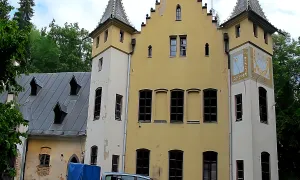
Photos: Lubor Ferenc / CC BY-SA 4.0 — Wikimedia Commons. The author and licence also appear when you hover over the image.
Faktickým podkladem tohoto textu byl článek na Wikipedii, jehož autory jsou přispěvatelé Wikipedie. Článek je dostupný pod licencí CC BY-SA 4.0.
Location on the map

Příběhy a pověsti
Legendy, pověsti a příběhy spjaté s touto památkou
Fotografie návštěvníků
Zatím žádné fotografie. Buďte první, kdo přidá fotografii z návštěvy!
Log in a přidejte svou fotografii nebo hodnoťte.
Za ověřenou návštěvu v aplikaci získáte víc bodů — poznáme podle GPS, že jste na místě.
Reviews and comments