






Kostel svatého Václava (Most) Church
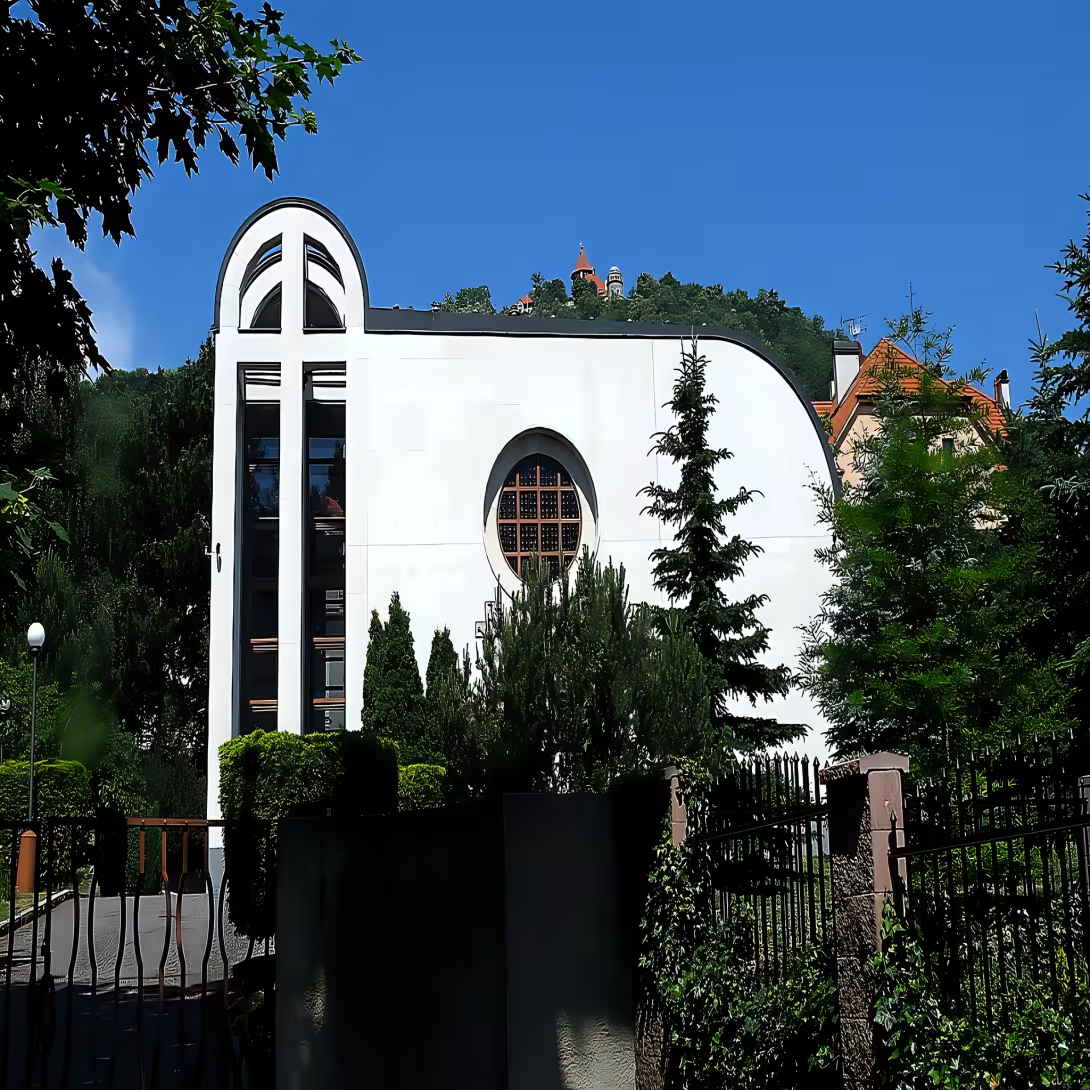
The Church of Saint Wenceslas in Most is a unique monument from Czechoslovakia's socialist era, built between 1983 and 1989. Located in the town of Most within Ústecký kraj, it replaced six demolished churches during the redevelopment of the historic center. This church serves as a singular example of religious architecture from the "normalization" period.
Constructed under strict communist rule following the Prague Spring of 1968, this era aimed to reassert Soviet influence and suppress dissent. The Church of Saint Wenceslas is notable for being the only religious structure erected in Czechoslovakia during this time of political repression and economic challenges. It also replaced a dean's church that was relocated outside the town.
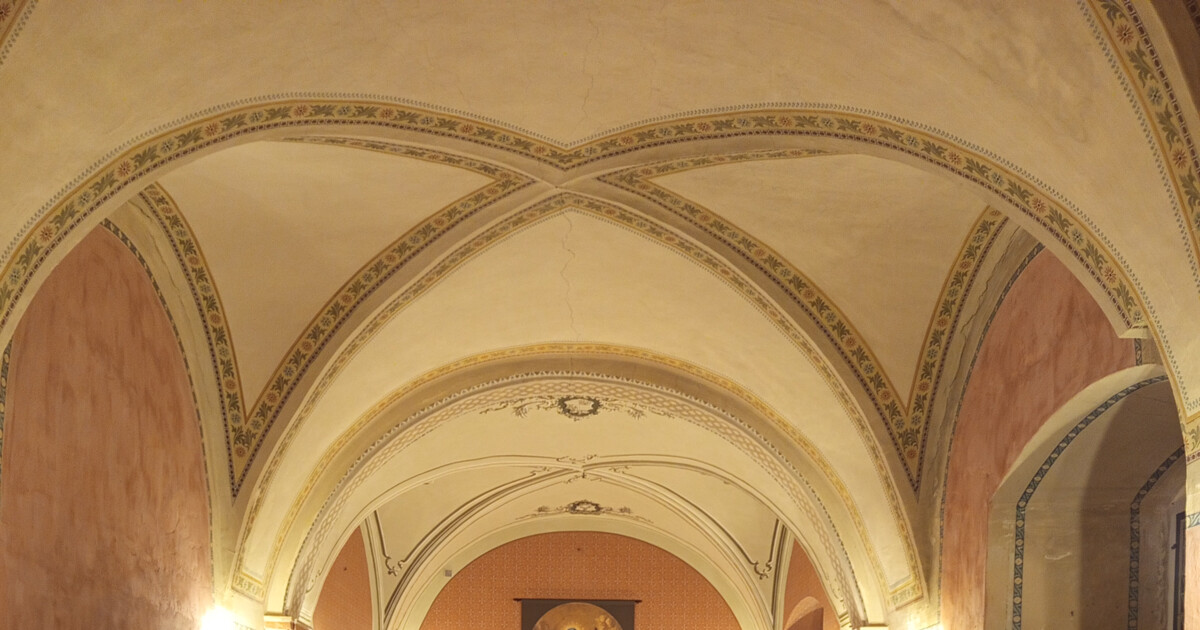
Architecturally, the church adheres to restrictions imposed by the communist regime. Designed by Michal Sborwitz, it lacks traditional external features like towers or steeples. Instead, it presents a three-nave structure inspired by early Christian basilicas and Romanesque architecture. The interior, crafted by academic sculptor Bořivoj Rak, is richly decorated, reflecting these historical influences despite the absence of visible external religious symbols.
Throughout its history, the Church of Saint Wenceslas has remained under the administration of the local Catholic community. Its construction was a direct response to the loss of six churches and the relocation of another, making it significant in the town's religious landscape. The church stands as a unique monument from the normalization period, embodying both architectural constraints and the resilience of faith during political repression.
Today, visitors can explore its rich interior and understand its historical context. Its design and construction story make it compelling for those interested in Czechoslovakia's socialist era and religious architecture. The church offers insight into a time when architectural creativity navigated political constraints, making it a valuable cultural and historical landmark.
Visiting the Church of Saint Wenceslas allows appreciation of its architectural beauty and significance as a symbol of resilience during a challenging period in Czechoslovakia's history. It stands as a testament to the enduring spirit of faith and creativity under restrictive conditions, inviting reflection on its historical journey and cultural importance.
Then and now
Drag the slider to compare how the landmark may have looked when it was built with the view today.
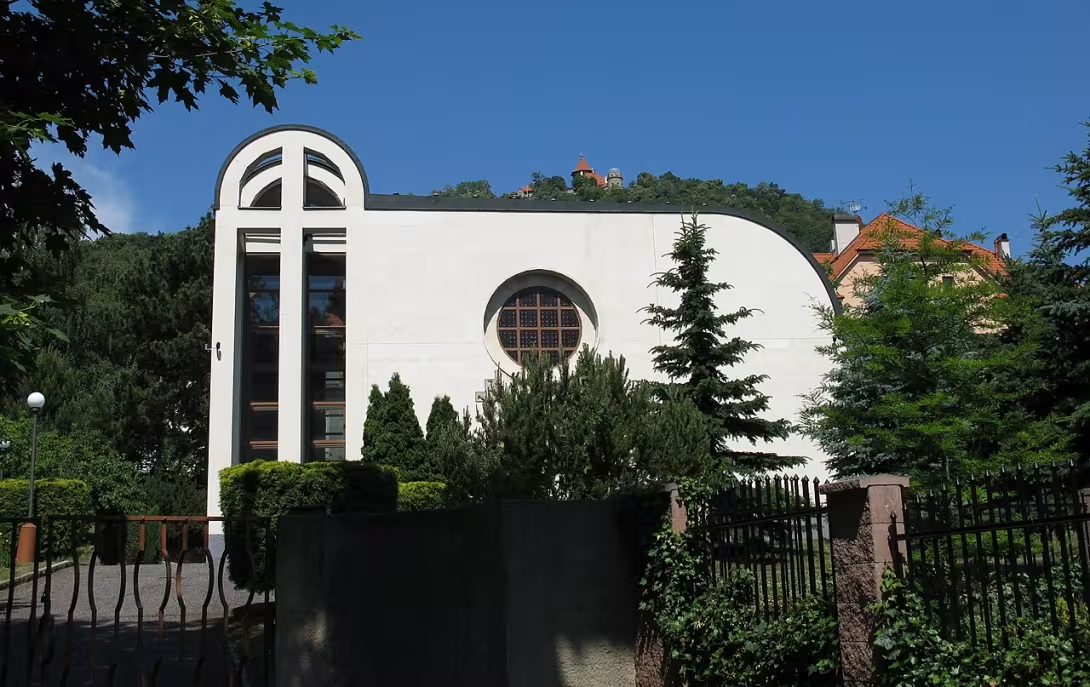
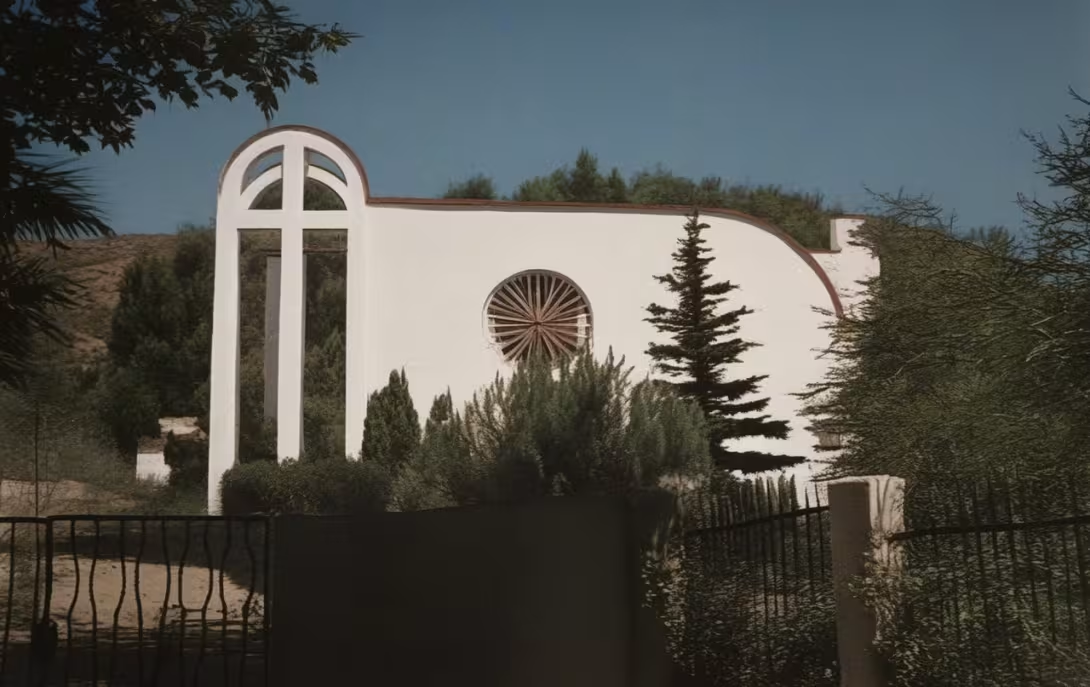
The historical appearance on the left is an AI-generated visualisation and serves as inspiration only.
Historical milestones
- 1968
- Prague Spring and subsequent reassertion of Soviet influence in Czechoslovakia.
- 1983
- Construction of the Church of Saint Wenceslas began.
- 1989
- Completion of the Church of Saint Wenceslas construction.
- 1960s-1980s
- Normalization period in Czechoslovakia, characterized by political repression and economic challenges.
Architectural development
The church was designed by architect Michal Sborwitz and features an interior crafted by academic sculptor Bořivoj Rak. Its three-nave structure is inspired by early Christian basilicas, with elements of Romanesque architecture. The design adhered to the restrictions imposed by the communist regime, avoiding external religious symbols.
Historical events
- 1983
- Construction of the Church of Saint Wenceslas began.
- 1989
- Completion of the Church of Saint Wenceslas, marking it as a unique socialist-era construction in Czechoslovakia.
Guide
This guide is narrated by a synthetic voice generated by artificial intelligence.
Show guide text
This text was created by artificial intelligence and has not been editorially reviewed. It may contain inaccuracies.
The Roman Catholic Church of Saint Wenceslas in Most is the only church that was built in Bohemia during the period of normalization. It was constructed between 1983 and 1989.
It was meant to replace six churches that disappeared during the demolition of the historic city center. At the same time, it was to take over the role of the deanery Church of the Assumption of the Virgin Mary. That church was relocated outside the city and it was expected that it would serve cultural purposes.
The new church rose in the garden of the deanery. The communist regime ordered that it must not have a tower, bell tower, or any other religious elements visible from the outside.
The project was developed by architect Michal Sborwitz, and the interior is the work of academic sculptor Bořivoj Raka. The building has three naves and is based on the layout of an early Christian basilica. It also draws inspiration from the forms of Romanesque architecture.
Frequently asked questions
Can the monument be visited?
Religious buildings are usually open mainly during services; at other times a visit is normally arranged with the parish or the operator. We have not verified specific times.
Where is the monument?
Location: Most, Ústecký kraj. The map on this page shows the exact spot.
Businesses nearby
Do you run a restaurant, accommodation, shop, museum, rental, wellness or other visitor service near this monument? Show yourself directly to the people heading to it — this is how they will see you in the app and on the web:
Events nearby
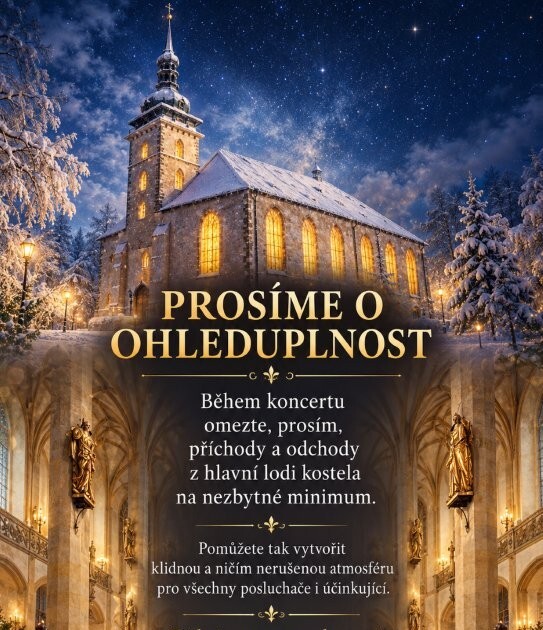
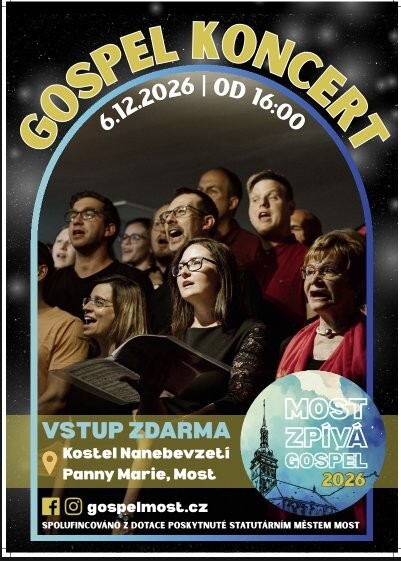
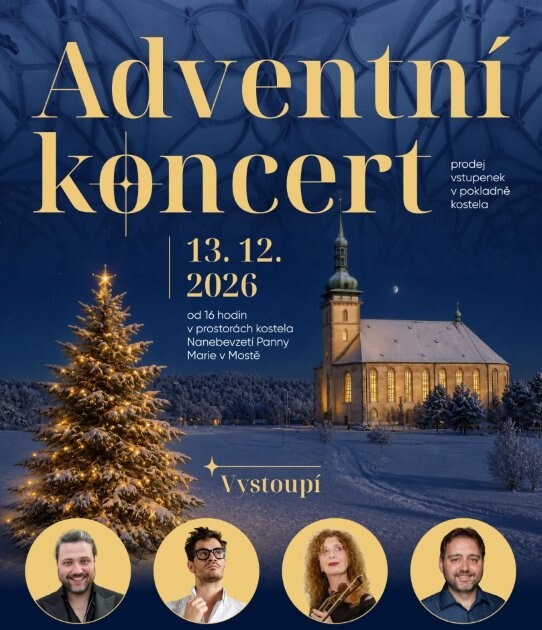
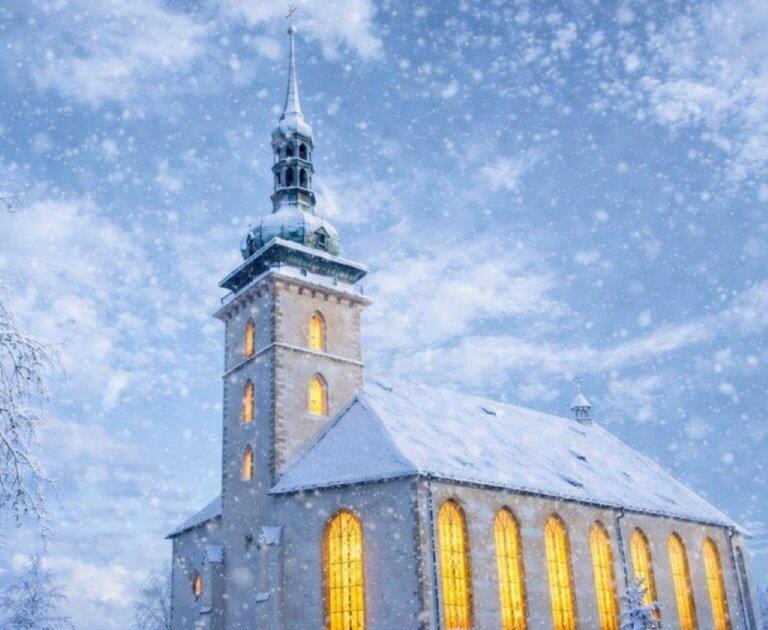
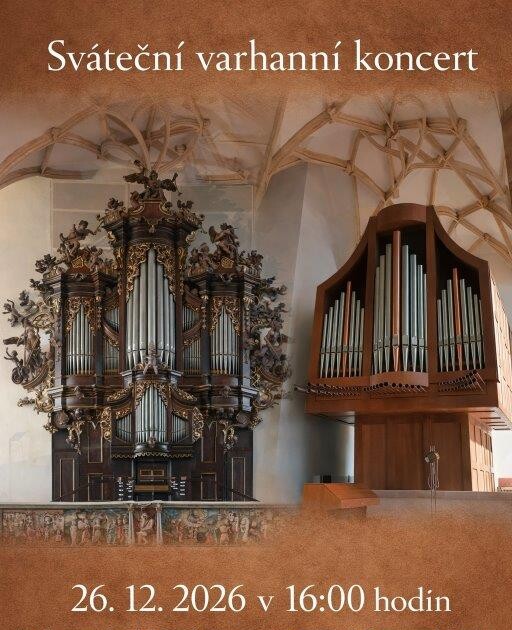
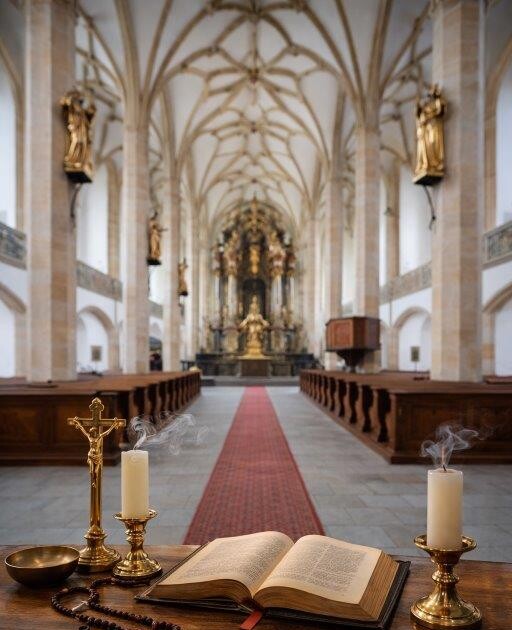
Zdroj akcí: otevřená data měst a obcí ČR (Národní katalog otevřených dat) a kalendář akcí Národního památkového ústavu.
Accommodation nearby
Themed route
Tematická výletní trasa: Kostel svatého Václava (Most)
1. Kostel svatého Václava (Most) - Hlavní cíl
- Typ: Historický kostel
- Proč stojí za návštěvu: Tento barokní kostel, postavený v 18. století, je nejenom duchovním centrem města Most, ale také architektonickou perli s bohatou historií a uměleckými prvky. Jeho interiér nabízí návštěvníkům pohled na krásné sochy a fresky.
2. Mostecké hory - Okolní zajímavost
- Typ: Přírodní prostor
- Proč stojí za návštěvu: Tato oblast je ideální pro krátkou procházku nebo piknik, nabízí pohledy na město Most a okolní krajinu. Je to místo klidu a přírody v blízkosti historického centra.
3. Mostecký hřbitov - Okolní zajímavost
- Typ: Historický hřbitov
- Proč stojí za návštěvu: Hřbitov je domovem památníků a soch, které připomínají významné osobnosti z historie města. Je to místo s hlubokou historickou hodnotou, kde si návštěvníci mohou užít klidnou procházku a promyslet důležitost minulosti.
4. Náměstí Republiky - Okolní zajímavost
- Typ: Městské náměstí
- Proč stojí za návštěvu: Centrální náměstí města Most je známé svým historickým vzhledem a architektonicky zajímavými budovami. Je to místo, kde se setkávají tradice a modernita, ideální pro zhlédnutí místního života a atmosféry.
Tato trasa nabízí návštěvníkům přehledný pohled na historii a kulturu obce Most, od hlavní památky po klidné přírodní a městské prostory.
Seasonal recommendations
Jaro: In the spring season, St. Wenceslas Church in Most is enlivened by green leaves and blooming shrubs that add vibrancy to the atmosphere. Sunlight illuminating the ancient façade gives the church a unique appearance. During this time, visits can be slightly crowded due to the beautiful weather, so it's advisable to visit the monument early in the day or on Sundays. For longer walks around the church, wearing comfortable shoes and a short jacket for potential coolness is recommended.
Léto: During the summer season, the area around St. Wenceslas Church in Most is full of vitality, with sweltering temperatures and long days. Sunlight highlights the architectural details of the church while nature is in full bloom. This period is the most popular for visits, so it's recommended to arrive early in the morning to avoid crowds. Wearing light clothing and a sunhat is important for ensuring comfort during your visit.
Podzim: In the autumn season, the area around St. Wenceslas Church in Most takes on colorful hues as nature begins to shed its leaves. Golden and red foliage adds melancholic beauty to the atmosphere while sunlight is less intense than in summer. This time often sees more tourists due to stunning landscape views, but it's still recommended to visit the church early in the day. Wearing warmer clothing and shoes suitable for dry surfaces is useful.
Zima: The winter season brings a mild atmosphere to St. Wenceslas Church in Most as snow covers the surroundings and illuminates the architecture. Fewer visitors mean more peaceful strolls around the monument. Sunlight during this period tends to be less regular, so it's good to visit the church in the late morning. Wearing warm clothing and protective boots is essential for ensuring comfort during your visit, especially if paths are snowy.
Visualizations and artistic views


The visualisations are generated by artificial intelligence and serve as inspiration.
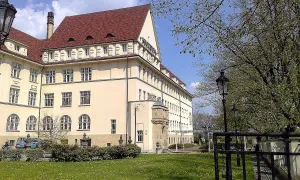
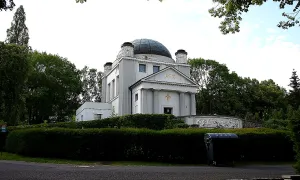
Photos from the area
Real photos taken near the monument


Zdroj a licence jsou uvedeny u každého snímku.
Atmosphere of the place
This atmospheric visualisation of the place and period was generated by artificial intelligence. It is not real footage of the location.
Tips from visitors
No tips yet. Be the first!
Log in and add your tip.
Sources and literature
Photos: Hadonos / CC BY-SA 3.0, rozlišení zvýšeno umělou inteligencí — Wikimedia Commons. The author and licence also appear when you hover over the image.
Faktickým podkladem tohoto textu byl článek na Wikipedii, jehož autory jsou přispěvatelé Wikipedie. Článek je dostupný pod licencí CC BY-SA 4.0.
Location on the map


Příběhy a pověsti
Legendy, pověsti a příběhy spjaté s touto památkou
Fotografie návštěvníků
Zatím žádné fotografie. Buďte první, kdo přidá fotografii z návštěvy!
Log in a přidejte svou fotografii nebo hodnoťte.
Za ověřenou návštěvu v aplikaci získáte víc bodů — poznáme podle GPS, že jste na místě.
Reviews and comments