






Křížová cesta na Zahražanech Way of the cross
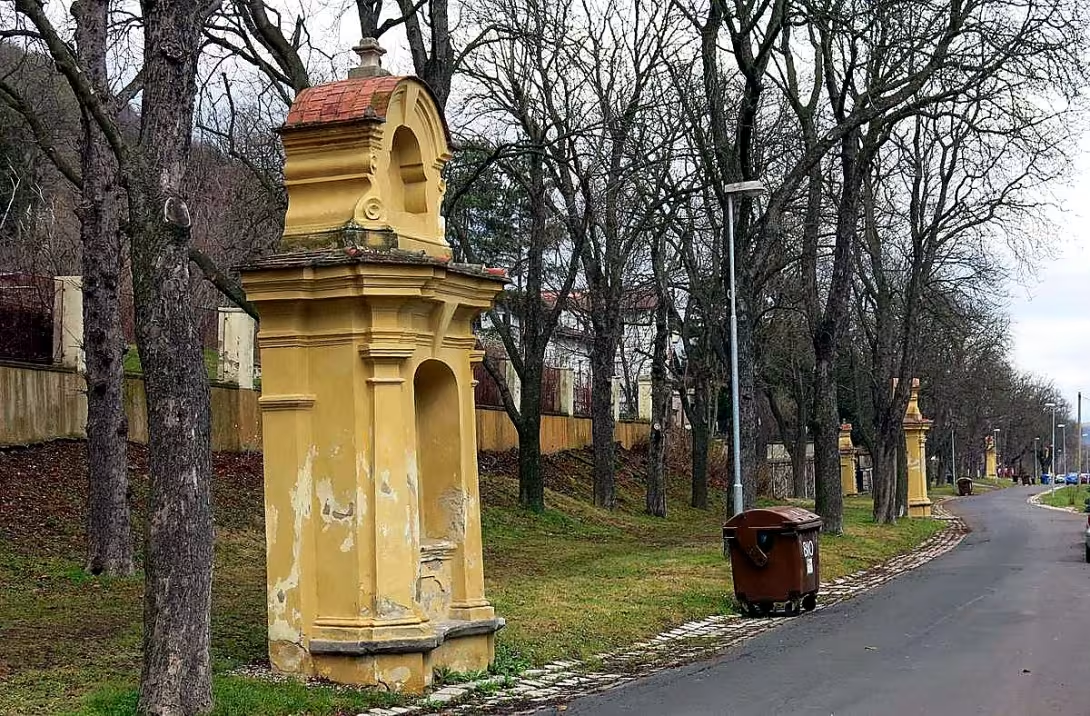
The Křížová cesta na Zahražanech is a baroque cultural monument located in Most, Czech Republic. This site features ten preserved chapels that form part of a historic pilgrimage route linked to a Magdalenite convent and a Marian statue. Established through an endowment by Johann Gottfried von Schmiedl in 1761, the Way of the Cross is notable for its religious significance and architectural heritage.
The origins date back to the mid-18th century when it was established as a pilgrimage site. The area had already been significant due to a Magdalenite convent that attracted pilgrims because of a statue of the Virgin Mary. In 1756, Johann Gottfried von Schmiedl founded an endowment to construct this religious path, with the foundation stone laid in 1761. Originally planned as fourteen chapels depicting scenes from Jesus' journey to Golgotha and his crucifixion, these structures were built along a route extending from Most to Zahražany.
Architecturally, the Křížová cesta was designed as traditional walled niches with frescoes replacing original murals in 1856. These artistic changes reflect broader European trends during this period, emphasizing baroque art and religious expression. Despite challenges over time, including damage from urban redevelopment that led to the demolition of four chapels in 1970, the site was declared a cultural monument in 1958.
Throughout its history, Křížová cesta na Zahražanech has seen various owners and administrators. The Magdalenite convent was dissolved under Joseph II's reforms, yet the Way of the Cross endured as a significant religious landmark. Notably, Franz Gruss, a renowned fresco painter, restored the chapels in 1939, further cementing its cultural importance.
Key events include its establishment through von Schmiedl's endowment and subsequent artistic transformations. Despite urban development challenges, it has remained a testament to religious devotion and baroque artistry. The site’s resilience is evident from its survival despite the convent's dissolution and partial destruction in the 20th century.
Today, Křížová cesta na Zahražanech stands as an accessible cultural monument, having undergone restoration in 2007 funded by the city of Most. While original images have not been restored due to their loss over time, the site continues to attract visitors interested in its historical and religious significance. Its location near historical sites like a former orphanage building adds to its appeal.
Křížová cesta na Zahražanech offers a unique glimpse into the baroque period's religious practices and artistic expressions. Visitors can explore this historic pilgrimage route, reflecting on its enduring legacy as both a cultural and spiritual landmark. Its preservation allows for an appreciation of Czech history and architecture, making it a worthwhile destination for those interested in exploring the past.
Then and now
Drag the slider to compare how the landmark may have looked when it was built with the view today.
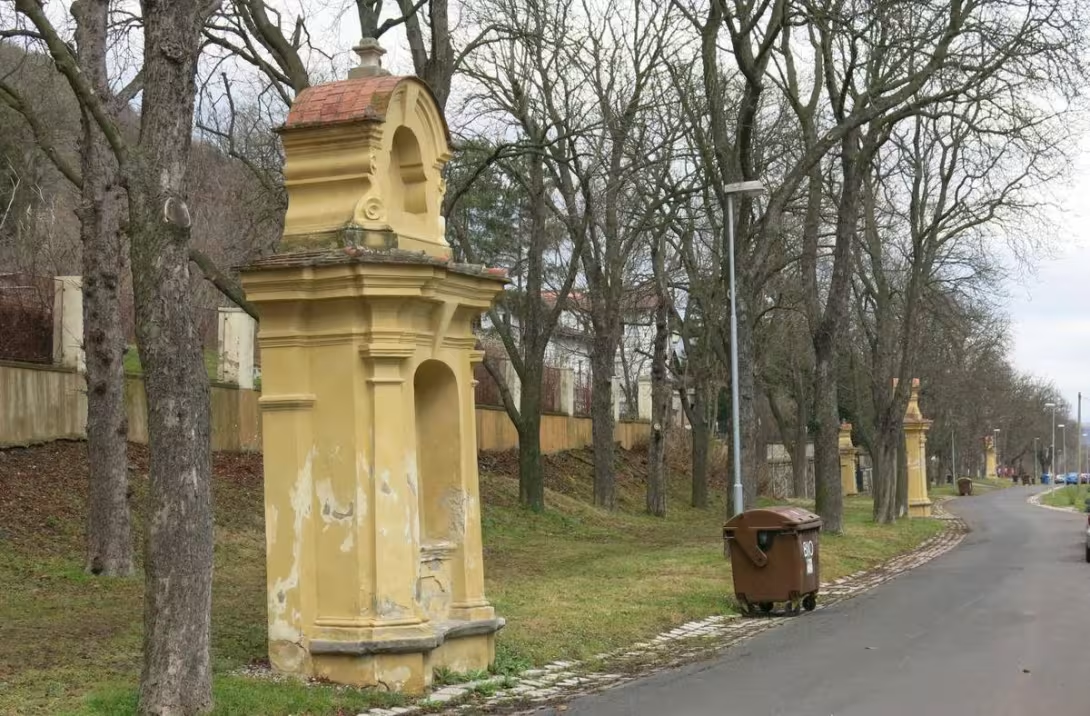

The historical appearance on the left is an AI-generated visualisation and serves as inspiration only.
Historical milestones
- 1756
- Johann Gottfried von Schmiedl founded a foundation for the construction of the Way of the Cross.
- 1761
- The cornerstone for the Way of the Cross was laid.
- 1856
- The original paintings in the religious chapels were replaced with friezes.
- 1958
- The Way of the Cross was declared a cultural monument.
- 1970
- Four chapels were demolished due to urban development.
- 1939
- Frescoes in the chapels were restored by fresco artist Franz Gruss.
Architectural development
The Křížová cesta was initially constructed as a series of fourteen traditional walled niches depicting scenes from Jesus' journey to Golgotha and his crucifixion. Over time, the chapels underwent several renovations, including fresco replacements in 1856 and further restorations by Franz Gruss in 1939. Despite damage during urban redevelopment in 1970, which led to the demolition of four chapels, the site was declared a cultural monument in 1958.
Historical events
- 1756
- Johann Gottfried von Schmiedl established an endowment for the construction of the Way of the Cross.
- 1761
- The foundation stone for the chapels was laid, marking the beginning of their construction.
- 1856
- Original murals in the chapels were replaced with frescoes.
Points of interest
- The Křížová cesta na Zahražanech was initially planned with fourteen chapels, but only ten were completed due to various historical challenges. This incomplete construction reflects the turbulent times and shifting priorities during its development.
- In 1970, four of the original chapels were demolished as part of urban redevelopment efforts in Most, significantly altering the site's landscape. Despite this loss, the remaining structures continue to hold cultural significance.
- The frescoes that adorn the niches today replaced original murals in 1856, showcasing a shift from traditional mural art to more elaborate baroque fresco techniques prevalent across Europe at the time.
- Franz Gruss, a distinguished fresco painter known for his work on other significant religious sites, played a crucial role in restoring the chapels in 1939. His involvement highlights the site's importance within Czech cultural heritage and its connection to broader artistic movements.
- Although originally linked with a Magdalenite convent that was dissolved under Joseph II’s reforms, the Křížová cesta na Zahražanech has endured as an independent religious landmark, demonstrating resilience amid changing political and social landscapes.
Guide
This guide is narrated by a synthetic voice generated by artificial intelligence.
Show guide text
This text was created by artificial intelligence and has not been editorially reviewed. It may contain inaccuracies.
Welcome to the Křížová cesta on Zahražany, one of the most interesting baroque monuments in Most. You are standing before an impressive complex of ten preserved chapels that were originally part of a pilgrimage site associated with the Magdalenite Monastery and the Marian statue. Let's move into history and try to learn how this beautiful structure has been preserved until today.
The Křížová cesta on Zahražany was founded in 1756 thanks to an endowment by Johann Gottfried von Schmiedl. The cornerstone was laid five years later, in 1761. However, over time the original plans changed and instead of fourteen chapels being built, only ten were completed. Now, when we look at these little chapels, we can see frescoes that replaced the original paintings from 1856.
Notice how the frescoes intertwine with the architecture of the chapels. Their combination creates a unique atmosphere that takes us into the world of baroque art. Take a look at the facades of the chapels and observe how they are adorned with ornaments and motifs that refer to their original purpose as part of a pilgrimage site.
One of the key figures associated with the Křížová cesta on Zahražany is Johann Gottfried von Schmiedl. He was the one who founded the foundation that made it possible to build this beautiful monument. His name is linked to many other cultural institutions in the region and his contribution to the development of art and culture is still remembered.
Now, let's stop for a moment at one of the chapels and try to notice the details. Observe how light penetrates through the windows and creates interesting shadows on the walls. Experience the atmosphere that prevails in these little chapels. It is something more than just an architectural work – it is a place where we encounter spiritual and artistic experiences.
An interesting fact is that the Křížová cesta on Zahražany was originally planned as a complex of fourteen chapels, but due to historical challenges and changes in priorities, only ten were built. What remained unfinished is also part of its captivating character.
Today, when we look at the Křížová cesta on Zahražany, we can see how this beautiful monument has been preserved until today. Its baroque architecture and frescoes will take us into a world where we encounter spiritual and artistic experiences. It's time for it to invite you to explore more and discover all its secrets.
Tips for visitors
The best time to visit the Křížová cesta na Zahražanech is during late spring or early autumn when the weather is mild, making it ideal for walking and appreciating the baroque architecture of the chapels. These seasons offer pleasant temperatures and fewer crowds, allowing visitors to enjoy a more serene experience. Additionally, visiting outside of peak tourist season ensures that you can take your time exploring each chapel without feeling rushed.
Always check for the most current transport options online before your visit.
When visiting the Křížová cesta na Zahražanech, it's advisable to wear comfortable shoes as you will be doing some walking between the chapels. Bring a camera or smartphone with a good camera to capture the intricate details of each chapel. Since photography is allowed, consider bringing a lens hood or polarizing filter to manage reflections and enhance colors during bright daylight.
For families with children, the Křížová cesta na Zahražanech offers an educational opportunity to learn about baroque art and history in an engaging way. Bring along a small guidebook or download an app that provides information on each chapel to keep children interested. Plan for breaks at the chapels where you can sit and discuss what you've seen, making the visit both informative and enjoyable.
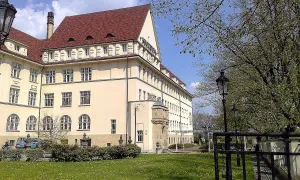
Nearby attractions within 30 minutes include the remnants of Zahražany's old town, which offer a glimpse into the area's historical architecture. The former orphanage building, now serving as a healthcare facility, is also worth exploring for its historical significance. These sites provide additional context to the cultural heritage surrounding the Křížová cesta na Zahražanech.
Frequently asked questions
Can the monument be visited?
This is a structure in a public space that can usually be seen from outside free of charge. We have not verified that this particular one is freely accessible.
Where is the monument?
Location: Most, Ústecký kraj. The map on this page shows the exact spot.
Why is the monument protected?
It is listed in the Central List of Cultural Monuments of the Czech Republic as a cultural monument (register no. 1000156088).
Businesses nearby
Do you run a restaurant, accommodation, shop, museum, rental, wellness or other visitor service near this monument? Show yourself directly to the people heading to it — this is how they will see you in the app and on the web:
Events nearby
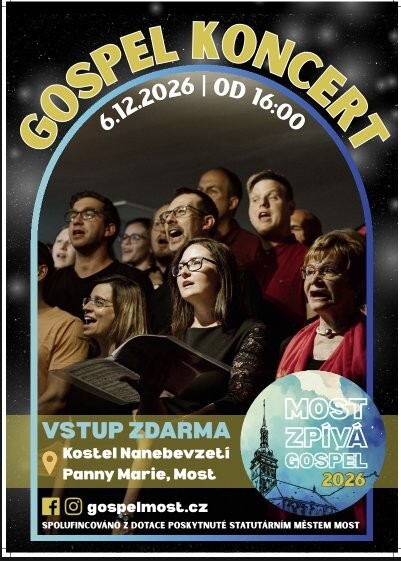
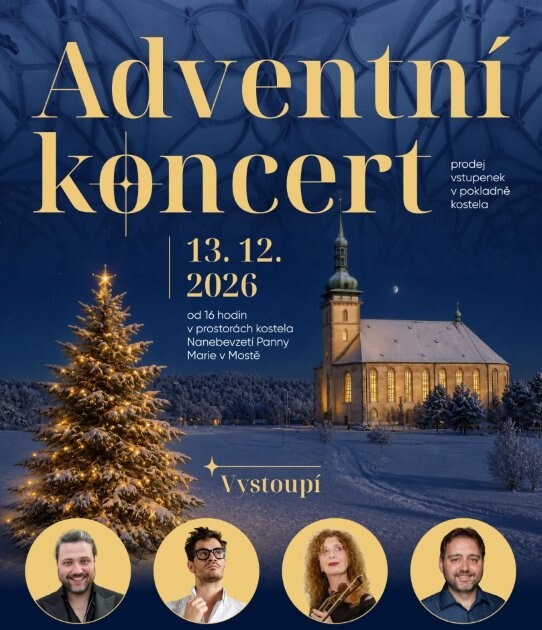
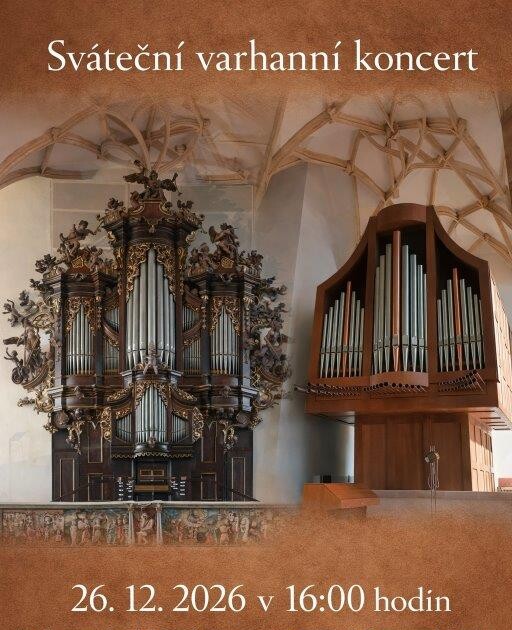
Zdroj akcí: otevřená data měst a obcí ČR (Národní katalog otevřených dat) a kalendář akcí Národního památkového ústavu.
Nearby
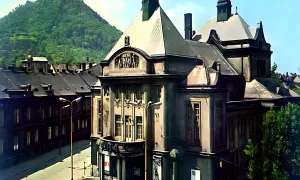
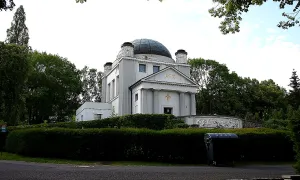
Located in Most, the Way of the Cross is situated near historical sites such as the former orphanage building (now a healthcare facility) and along Žižkova Street. The surrounding area includes remnants of Zahražany's old town.
Accommodation nearby
Themed route
Most's Hidden Gems and the Way of the Cross
This 3.5 km walking tour takes you through the historic town of Most, exploring its lesser-known sites and the famous Křížová cesta on Zahražane.
1. Žižkova Street: Start your journey on Žižkova Street, a charming pedestrian zone lined with cafes and shops. Take a stroll along this picturesque street and get a feel for the town's atmosphere. 2. Former Orphanage Building: Stop by the former orphanage building, now a healthcare facility, which dates back to the 19th century. Its architecture is a great example of the region's unique style. 3. Křížová cesta (Way of the Cross): The main attraction of this tour is the Křížová cesta, a beautiful and historic way of the cross located on the outskirts of Most. This 14-station path leads you through a serene and peaceful environment, perfect for reflection and contemplation. 4. Remnants of Zahražany's Old Town: End your tour by exploring the remnants of Zahražany's old town, which offers a glimpse into the town's rich history and architecture.
Seasonal recommendations
Jaro
Specific: In the spring season, the pilgrimage route at Zahražany is surrounded by flowers and greenery, creating a pleasant atmosphere. The sun lights up the path, making it an ideal time for photography. The atmosphere is calm and quiet, allowing for deeper religious meditation.
Practical Tips: The best time to visit the pilgrimage route is from April to May when the weather is sunny and warm. We recommend wearing comfortable shoes and layered clothing as the path is long and winding. Visit in the morning or afternoon to avoid crowds that typically gather at noon.
Léto
Specific: In the summer season, the pilgrimage route at Zahražany is full of life and energy. Green trees and flowers create shade that protects visitors from the sun. The atmosphere is relaxed and cheerful, making it ideal for a family visit.
Practical Tips: The best time to visit the pilgrimage route is from June to August when the weather is sunny and warm. We recommend bringing an umbrella or sunglasses to protect against the sun. Visit earlier to avoid large crowds and dodge the throngs.
Podzim
Specific: In the autumn season, the pilgrimage route at Zahražany is surrounded by colorful leaves and sunshine. The atmosphere is calm and meditative, ideal for deep religious reflection.
Practical Tips: The best time to visit the pilgrimage route is from September to October when the weather is cool and dry. We recommend wearing warm clothing and comfortable shoes to avoid the cold and dampness. Visit in the morning or afternoon to avoid crowds that typically gather at noon.
Zima
Specific: In the winter season, the pilgrimage route at Zahražany is surrounded by snow and silence. The atmosphere is calm and meditative, ideal for deep religious reflection.
Practical Tips: The best time to visit the pilgrimage route is from December to February when the weather is cold and snowy. We recommend wearing warm clothing and shoes with good grip to avoid slipping on ice. Visit in the morning or afternoon to avoid crowds that typically gather at noon.
Visualizations and artistic views


The visualisations are generated by artificial intelligence and serve as inspiration.
Photos from the area
Real photos taken near the monument


Zdroj a licence jsou uvedeny u každého snímku.
Tips from visitors
No tips yet. Be the first!
Log in and add your tip.
Sources and literature
Photos: Barocco / CC0 — Wikimedia Commons. The author and licence also appear when you hover over the image.
Faktickým podkladem tohoto textu byl článek na Wikipedii, jehož autory jsou přispěvatelé Wikipedie. Článek je dostupný pod licencí CC BY-SA 4.0.
Location on the map

Příběhy a pověsti
Legendy, pověsti a příběhy spjaté s touto památkou
Fotografie návštěvníků
Zatím žádné fotografie. Buďte první, kdo přidá fotografii z návštěvy!
Log in a přidejte svou fotografii nebo hodnoťte.
Za ověřenou návštěvu v aplikaci získáte víc bodů — poznáme podle GPS, že jste na místě.
Reviews and comments