






Kostel svatého Vojtěcha (Opava-Město) Church
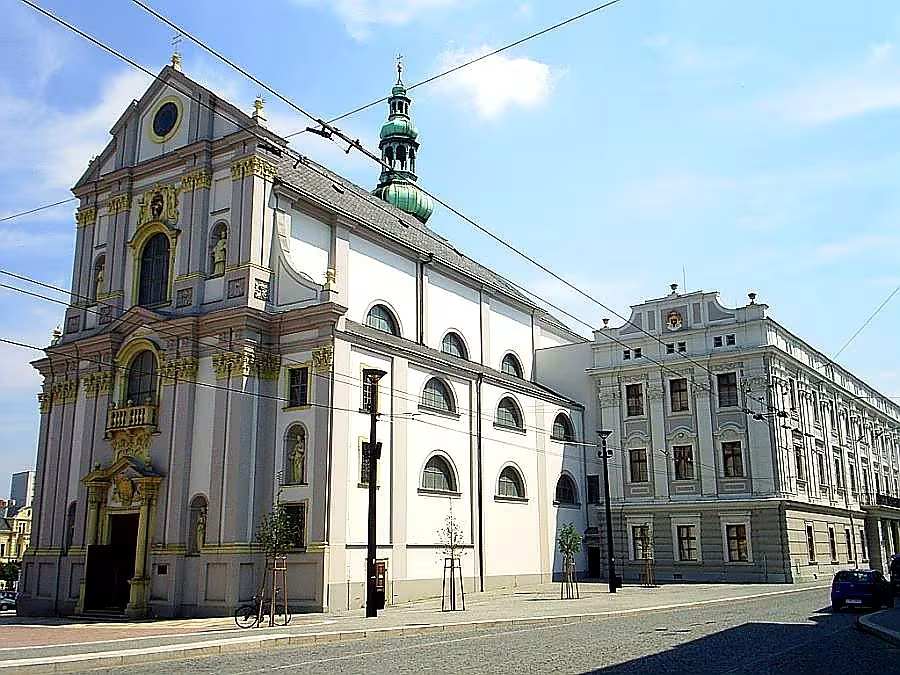
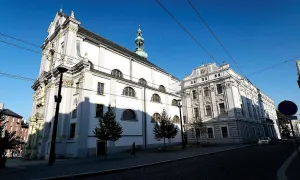
Kostel svatého Vojtěcha in Opava-Město is a monumental single-nave Baroque church. Originally known as the Church of Saint George, it was constructed between 1675 and 1681 by the Jesuits on the site of an earlier Gothic chapel founded before 1350. It stands as a cultural monument of the Czech Republic. The church suffered severe damage during World War II but has since been restored to its current form. Its historical significance is enhanced by its architectural style and notable events that have shaped its history.
Construction began in 1675, replacing an earlier Gothic chapel on the same site. This period followed the Thirty Years' War when Baroque architecture was prevalent across Europe, including Bohemia. The Jesuits commissioned this new church to reflect cultural and architectural developments of the late 17th century.
Architecturally, Kostel svatého Vojtěcha is characterized by its Baroque style, which replaced the earlier Gothic structure. The church features a single nave with průchozí boční kaple (passageway side chapels) on either side of the nave that survived a bombing raid during World War II. Although the interior suffered significant damage, including the loss of nearly all nástěnné malby (wall paintings), frescoes in these side chapels were preserved. The church's main altar, originally from a Capuchin church in Fulnek, was relocated and restored after the war. This restoration involved dismantling the damaged altar in Fulnek and transporting its components to Opava-Město, where they were restored and reassembled between 1981 and 1982.
Throughout its history, Kostel svatého Vojtěcha has undergone several transformations. The Jesuits initially built it as a replacement for the earlier Gothic chapel, integrating it into the area of the jezuitská koleje (Jesuit college), which was originally constructed between 1631 and 1642 and later expanded from 1711 to 1723. This site also housed significant institutions such as a gymnázium (secondary school) and Slezský zemský sněm (Silesian regional assembly) starting in 1853, before becoming the location of Zemský archiv v Opavě (Regional Archive in Opava).
Key events include its severe damage during a bombing raid at the end of World War II. This led to significant restoration efforts, culminating in the re-consecration of the main altar by Olomoucký biskup Josef Vranou on November 20, 1982. The restoration involved contributions from several Prague-based restorers and artists who worked on the oltářní obrazy (altar paintings) by Felix I. Leichera.
Today, Kostel svatého Vojtěcha stands as a testament to resilience and historical continuity. Visitors can explore its restored interior, including the intarzovaný dřevěný hlavní oltář (inlaid wooden main altar) with its intricate details and historical significance. The church is accessible to the public, offering insights into both Baroque architecture and the turbulent history of 20th-century Europe.
Kostel svatého Vojtěcha is not only a place of worship but also a cultural landmark that reflects the rich tapestry of Czech history. Its restoration efforts highlight the dedication to preserving historical heritage, making it a worthwhile visit for anyone interested in architecture or history.
Then and now
Drag the slider to compare how the landmark may have looked when it was built with the view today.
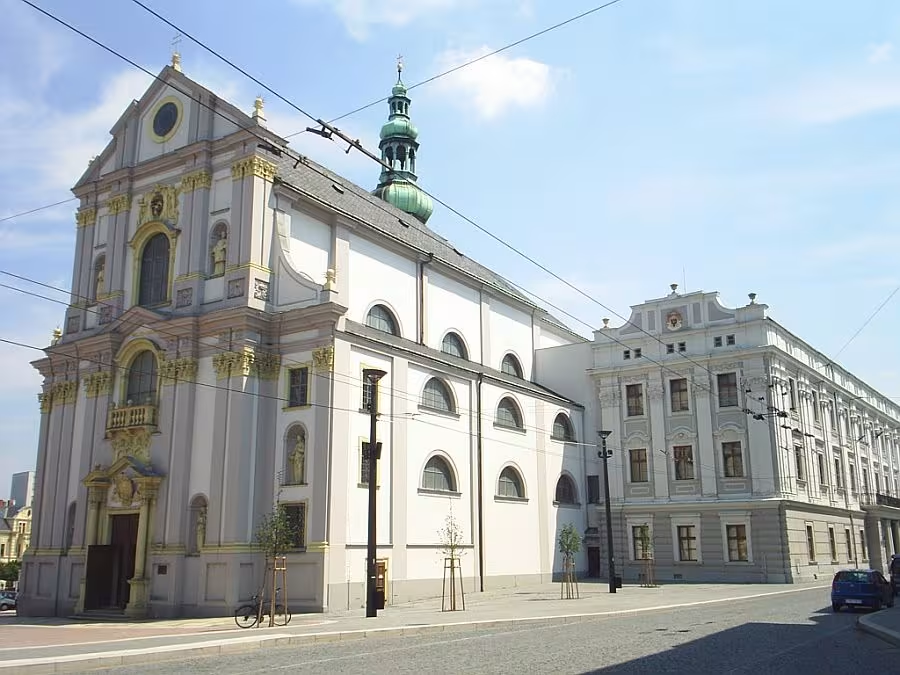
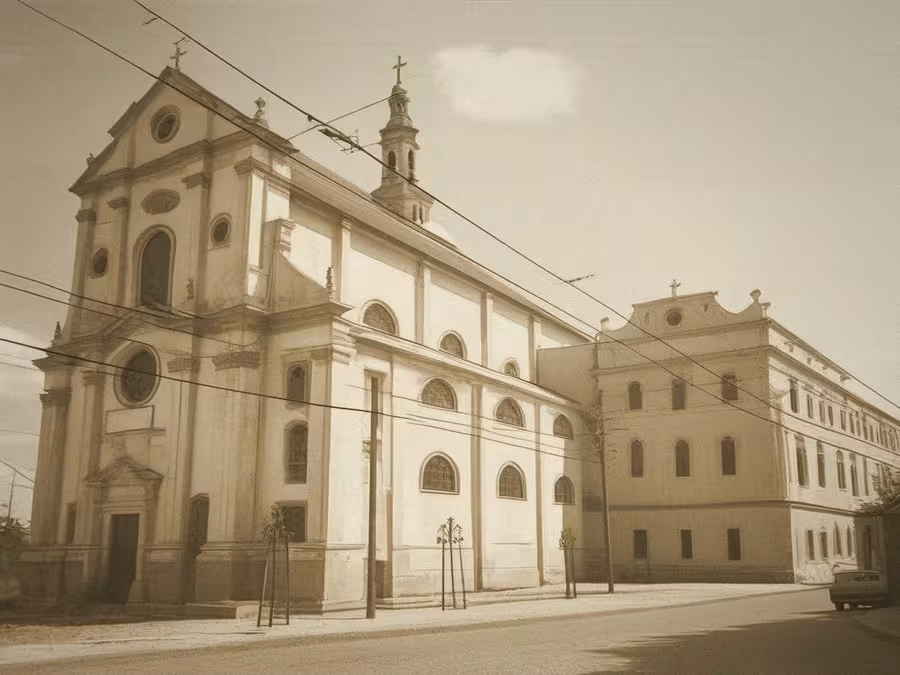
The historical appearance on the left is an AI-generated visualisation and serves as inspiration only.
Historical milestones
- 1675
- Construction of the Baroque Church began.
- 1681
- Completion of the Baroque Church construction.
- 1945
- The church was heavily damaged by a bombing raid during World War II.
- 1982
- Restoration and re-consecration of the main altar.
Architectural development
The church replaced an earlier Gothic chapel and was built in the Baroque style between 1675 and 1681. It suffered significant interior damage during WWII but has been restored since then. The main altar, originally from a Capuchin church in Fulnek, was relocated and restored to its current form.
Historical events
1675-1681: Construction of the Baroque Church by the Jesuits.
1945: Severe damage from a bombing raid during World War II, leading to restoration efforts.
Points of interest
- Originally known as the Church of Saint George, Kostel svatého Vojtěcha was renamed to honor St. Adalbert (Vojtěch) after its Jesuit founders emphasized his significance in spreading Christianity among Slavic peoples.
- The church's průchozí boční kaple (passageway side chapels), which survived the WWII bombing, contain frescoes that depict scenes from the life of St. Adalbert, showcasing the artistry and religious devotion of the Baroque period.
- During its history, Kostel svatého Vojtěcha served as a focal point for Jesuit education in Opava-Město, closely linked to the jezuitská koleje (Jesuit college), which played a crucial role in the Counter-Reformation efforts across Silesia.
- The main altar of Kostel svatého Vojtěcha was originally from a Capuchin church in Fulnek. Its relocation and restoration involved intricate craftsmanship, reflecting both religious dedication and historical preservation efforts after WWII damage.
- In 1853, the site around Kostel svatého Vojtěcha became significant for political history as it housed the Slezský zemský sněm (Silesian regional assembly), marking its importance beyond just a religious landmark.
Guide
This guide is narrated by a synthetic voice generated by artificial intelligence.
Show guide text
This text was created by artificial intelligence and has not been editorially reviewed. It may contain inaccuracies.
Welcome to the historic site of Kostel svatého Vojtěcha in Opava-Město, a place where history and architecture intertwine to tell the story of this magnificent Baroque church. As you stand here, imagine yourself stepping back into time, surrounded by the grandeur that has withstood centuries.
Originally known as the Church of Saint George, Kostel svatého Vojtěcha was constructed between 1675 and 1681 by the Jesuits on a site once home to an earlier Gothic chapel. This transformation from a modest chapel founded before 1350 into this Baroque masterpiece reflects not just architectural evolution but also the shifting tides of history and faith in this region.
As you look around, take a moment to appreciate the church's monumental single-nave design. The Baroque style is evident in its grandeur and attention to detail, inviting you to explore further. Notice how the structure stands as a testament to resilience; despite being severely damaged during World War II, it has been lovingly restored, preserving its historical essence for future generations.
The church's journey through time is marked by significant events. In 1945, it faced devastation from bombing raids but rose again in 1982 with the restoration and re-consecration of the main altar. This resilience speaks volumes about the community’s dedication to preserving their cultural heritage.
Kostel svatého Vojtěcha also holds a special place in history due to its connection with St. Adalbert, known as Vojtěch. Originally dedicated to Saint George, it was renamed by its Jesuit founders who emphasized his role in spreading Christianity among the Slavic peoples. This change underscores the church's importance not just as a religious site but also as a beacon of cultural and spiritual influence.
One intriguing aspect that might catch your eye is the průchozí boční kaple, or passageway side chapels. These elements survived through tumultuous times, adding layers to the church’s architectural narrative. They invite you to ponder on the countless stories they hold within their walls.
As we conclude this brief journey through Kostel svatého Vojtěcha's history and architecture, I encourage you to explore further. Each corner of this site has a story waiting to be discovered, inviting you to immerse yourself in its rich tapestry of history and beauty. Thank you for visiting, and may your exploration here inspire a deeper appreciation for the past that shapes our present.
---
This audio guide aims to enrich your visit with insights into Kostel svatého Vojtěcha's historical significance and architectural splendor. We hope it enhances your experience as you explore this remarkable site in Opava-Město.
Tips for visitors
The best time to visit the Church of Saint Vojtěch, originally known as the Church of Saint George, is during late spring or early autumn. During these seasons, the weather is typically mild and pleasant, making it ideal for exploring the church's architectural details without the discomfort of summer heat or winter cold. Additionally, visiting outside peak tourist season can provide a more serene experience, allowing you to appreciate the Baroque architecture in relative tranquility.
It’s recommended to verify the latest schedules and routes through a reliable transit app or website before your visit.
When planning your visit, consider bringing comfortable walking shoes as you may want to explore not only the church but also its surrounding area. A camera is essential for capturing the stunning Baroque details of the church's interior and exterior. Early morning light offers soft illumination that enhances architectural features, making it an ideal time for photography. Additionally, carrying a small umbrella or raincoat can be helpful in case of unexpected weather changes.
For families with children, visiting the Church of Saint Vojtěch can be both educational and enjoyable. The church's history and architecture provide a great opportunity to engage young minds with stories about its Jesuit origins and Baroque style. Nearby attractions within 30 minutes include historical sites that offer interactive experiences or guided tours suitable for families. These nearby locations often have open spaces where children can play, making them perfect stops after exploring the church.
Frequently asked questions
Can the monument be visited?
Religious buildings are usually open mainly during services; at other times a visit is normally arranged with the parish or the operator. We have not verified specific times.
Where is the monument?
Location: Dolní náměstí, Město, Opava, Opava-Město, Moravskoslezský kraj. The map on this page shows the exact spot.
Why is the monument protected?
It is listed in the Central List of Cultural Monuments of the Czech Republic as a cultural monument (register no. 34884/8-1305).
Businesses nearby
Do you run a restaurant, accommodation, shop, museum, rental, wellness or other visitor service near this monument? Show yourself directly to the people heading to it — this is how they will see you in the app and on the web:
Events nearby
Zdroj akcí: otevřená data měst a obcí ČR (Národní katalog otevřených dat) a kalendář akcí Národního památkového ústavu.
Accommodation nearby
Themed route
Tematická výletní trasa: Kostel svatého Vojtěcha (Opava-Město)
1. Kostel svatého Vojtěcha
Typ: Historický kostel
Proč stojí za návštěvu: Tento barokní chrám, postavený v 18. století, je nejenom duchovním centrem místní komunity, ale také architektonickou perli Opavy-Města s bohatou historií a uměleckými prvky. Jeho interiér nabízí návštěvníkům pohled na krásné sochy a fresky.
2. Přilehlé náměstí
Typ: Městské náměstí
Proč stojí za návštěvu: Toto místo sloužilo jako historický srdce města, kde se dnes nachází několik starých domů a soch. Je ideálním místem pro relaxaci a prohlídku místní architektury, která odráží bohatou minulost Opavy-Města.
3. Staroměstské parky
Typ: Městský park
Proč stojí za návštěvu: Tyto parky nabízejí klidné prostory k odpočinku a krásnou příležitost prozkoumat zelené plochy v blízkosti historických památek. Jsou ideálním místem pro piknik nebo jen pro chvíli relaxace pod stromy.
4. Přilehlé ulice s historickými domy
Typ: Historická architektura
Proč stojí za návštěvu: Procházka po těchto ulicích nabízí pohled na starobylou městskou stavbu, která svými fassádami a detaily vypráví příběhy minulých generací. Jsou to živé stránky historie Opavy-Města, které si lze prohlédnout pohodlně po chodbách.
Tato trasa nabízí návštěvníkům komplexní pohled na kulturní a historický bohatství Opava-Města, od hlavního kostela přes městské prostory až po uličky plné historie.
Seasonal recommendations
Spring: Visiting the Church of Saint Adalbert (Opava-Město) during spring offers a unique experience as nature awakens around this historical site. The blooming flowers and budding trees create a picturesque setting, enhancing the church's architectural beauty with vibrant colors and fresh greenery. While the weather can be unpredictable, it is advisable to dress in layers that can accommodate both warmth and cool breezes. Spring mornings are particularly serene for visiting, as they tend to be less crowded than later in the day, allowing visitors to appreciate the tranquil atmosphere without interruption.
Summer: Summer at the Church of Saint Adalbert is marked by long daylight hours and warm weather, making it an ideal time for exploring both the church’s interior and its surrounding areas. The lush greenery and blooming gardens provide a stunning backdrop, while the gentle summer light illuminates the intricate details of the church's architecture. Due to the popularity of this season, arriving early in the morning is recommended to avoid larger crowds that gather later in the day. Comfortable walking shoes and light clothing are essential, along with sun protection such as hats or sunglasses.
Autumn: Autumn brings a magical transformation to the Church of Saint Adalbert, as the surrounding landscape turns into a palette of warm hues—reds, oranges, and yellows—that complement the historical architecture beautifully. The cooler temperatures make for pleasant exploring, though visitors should be prepared with layers that can handle both brisk mornings and milder afternoons. This season is ideal for those who appreciate photography or simply want to enjoy a quiet visit, as it tends to attract fewer tourists compared to summer months.
Winter: Winter at the Church of Saint Adalbert offers a serene and contemplative atmosphere, with snow often blanketing the area in a peaceful white layer that enhances its historical charm. The church's architecture is particularly striking against the winter sky, and the shorter days mean visitors can enjoy the site in quieter settings. It’s important to dress warmly, as temperatures can be quite cold, and ensure you have appropriate footwear for potentially icy conditions. Visiting during midday when sunlight is at its peak may provide better visibility of the church's details, which are often softened by winter weather.
Visualizations and artistic views


The visualisations are generated by artificial intelligence and serve as inspiration.
Photos from the area
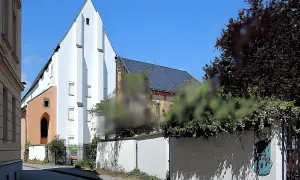
Real photos taken near the monument


Zdroj a licence jsou uvedeny u každého snímku.
Tips from visitors
No tips yet. Be the first!
Log in and add your tip.
Sources and literature
Photos: VišňaO / Public domain — Wikimedia Commons. The author and licence also appear when you hover over the image.
Faktickým podkladem tohoto textu byl článek na Wikipedii, jehož autory jsou přispěvatelé Wikipedie. Článek je dostupný pod licencí CC BY-SA 4.0.
Location on the map

Příběhy a pověsti
Legendy, pověsti a příběhy spjaté s touto památkou
Fotografie návštěvníků
Zatím žádné fotografie. Buďte první, kdo přidá fotografii z návštěvy!
Log in a přidejte svou fotografii nebo hodnoťte.
Za ověřenou návštěvu v aplikaci získáte víc bodů — poznáme podle GPS, že jste na místě.
Reviews and comments