






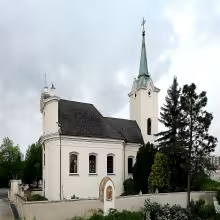
The Church of Saints Peter and Paul in Radotín is a Roman Catholic parish church located in Praha 16, near the Berounka River. Originally built in Gothic style during the late medieval period, it was transformed into its current Baroque form between 1881-1882. This church holds historical significance due to its long-standing presence and architectural evolution, reflecting religious and cultural shifts over centuries.
The earliest documented mention of the Church dates back to 1298 when King Václav II requested the transfer of several churches, including Radotín's, to the Zbraslav Monastery. Bishop Řehoř granted this request, highlighting the era’s religious significance and the interplay between secular rulers and ecclesiastical authorities in Bohemia during the late 13th century. The church has been part of the II. Pražský vikariát since its establishment as a parish.
Architecturally, the church initially showcased Gothic elements, prevalent in medieval European religious structures. However, it was extensively renovated between 1881 and 1882 to adopt Baroque characteristics—a style known for grandeur and elaborate details. Despite these changes, certain original features have been preserved, such as the Gothic presbytery and walls dating back to the 14th century. These elements provide a tangible link to the church's medieval origins.
Throughout history, the Church has seen various administrative changes. In the late Middle Ages, it was under the spiritual care of figures like Heřman, its first known duchovní správce from 1347 to 1378. The Hussite Wars disrupted records of church administration until the mid-16th century when a series of utrakvistických farářů took over. From the mid-17th century, it was associated with Třebotov until 1917, after which it became an independent parish under arcipastýř Pavel Huyn.
A notable event in its history is the extensive renovation in 1881, transforming it into its current Baroque style. This period also saw involvement from the Öttingen-Wallerstein family, whose emblem is displayed near the date of restoration on the church’s facade—a testament to their patronage during this transformative era.
Today, the Church stands as a protected heritage site under the care of the Národní památkový ústav since 1964. Its preservation ensures that visitors can appreciate both its historical significance and architectural beauty. The church remains an active parish within the II. Pražský vikariát, continuing to serve as a place of worship and community gathering.
Visitors to Radotín are invited to explore this remarkable monument, which offers insights into Bohemia's rich religious history and architectural evolution. Its blend of Gothic and Baroque elements makes it a unique site worth visiting for anyone interested in the cultural heritage of Prague.
Historical milestones
- 1298
- King Václav II requested transfer of churches to Zbraslav Monastery.
- 1347
- Heřman became the first known duchovní správce.
- 1378
- End of Heřman's tenure as duchovní správce.
- kolem 1350
- Church likely built in Gothic style during late medieval period.
- 1881
- Renovation began, transforming church to Baroque style.
- 1964
- Church became a protected heritage site under Národní památkový ústav.
Architectural development
Initially constructed in Gothic style, the Church of Saints Peter and Paul underwent a major transformation between 1881-1882 when it was rebuilt into a Baroque structure. The renovation preserved some elements from the original building, such as the Gothic presbytery and parts of the 14th-century walls.
Historical events
- 1298
- King Václav II requested the transfer of several churches, including Radotín's church, to the Zbraslav Monastery.
- 1881
- The church was extensively renovated and transformed into its current Baroque style.
Points of interest
- The Church of Saints Peter and Paul was originally part of a request by King Václav II in 1298 to transfer several churches to the Zbraslav Monastery, showcasing the significant influence of secular rulers over ecclesiastical matters during that era.
- Despite its transformation into Baroque style between 1881 and 1882, the church retains elements from its Gothic origins, such as the presbytery and parts of the 14th-century walls, providing a unique blend of architectural styles.
Guide
Show guide text
Welcome to the Church of Saints Peter and Paul in Radotín, a gem nestled within the city district of Praha 16, close to the serene Berounka River. As you stand here, take a moment to absorb the sight before you—a structure that whispers tales from centuries past, its walls echoing with history.
The story of this church begins with King Václav II in 1298, who requested the transfer of several churches to the Zbraslav Monastery. This act highlighted the significant influence secular rulers wielded over ecclesiastical matters during that era. Imagine the landscape of medieval Bohemia, where kings and clergy intertwined their destinies.
Architecturally, this church is a testament to transformation. Originally built in the Gothic style around 1350, it underwent a dramatic change between 1881-1882 when it was reconstructed into its present Baroque form. As you look at the church now, notice how it retains elements of its original structure—the Gothic presbytery and walls that date back to the 14th century—a beautiful blend of eras.
Let's delve into some key figures associated with this place. Heřman, who became the first known duchovní správce in 1347, played a pivotal role until his tenure ended around 1378. These individuals were instrumental in shaping the spiritual and communal life surrounding the church.
One intriguing aspect of this church is its journey to becoming a protected heritage site under Národní památkový ústav in 1964. This recognition underscores its architectural and historical significance, ensuring that future generations can continue to explore its stories.
As we conclude our brief visit, I invite you to wander around the church, taking in every detail at your own pace. Feel free to explore the surroundings and let the history envelop you. Thank you for joining me on this journey through time. May your exploration be filled with discovery and wonder.
Tips for visitors
The best time to visit the Church of Saints Peter and Paul in Radotín is during late spring or early autumn. During these months, you can enjoy pleasant weather that enhances your experience as you explore the church's Gothic architecture without the crowds typically found in peak tourist seasons. The soft light filtering through stained glass windows creates a serene atmosphere ideal for appreciating the intricate details of the interior.
Parking and transportation to Radotín are convenient options. While there may not be dedicated parking facilities directly at the church, you can find parking areas nearby that serve visitors to the district. Public transport is also accessible; using buses or trams will get you close to your destination. For the most current routes and schedules, it's recommended to check a local transportation app or website.
When visiting the Church of Saints Peter and Paul, consider bringing comfortable walking shoes as you may want to explore the surrounding area along the Berounka River. A camera is also advisable for capturing the church’s architectural beauty and any picturesque views nearby. If you plan on spending an extended period exploring, a light jacket or water bottle might be useful depending on the weather.
Photography enthusiasts will find several spots around the church offering excellent lighting conditions, especially during the golden hours of early morning or late afternoon. The side facades and stained glass windows provide stunning backdrops for photos. Capturing these elements when the sun is low can create dramatic shadows and highlights, enhancing your images.
For families with children visiting Radotín, a short trip to nearby attractions within 30 minutes makes for an enjoyable day out. Consider exploring local parks or walking along the Berounka River where kids can play and enjoy nature. These activities provide a nice balance between cultural exploration at the church and outdoor fun.
Businesses nearby
Do you run a restaurant, accommodation, shop, museum, rental, wellness or other visitor service near this monument? Show yourself directly to the people heading to it — this is how they will see you in the app and on the web:
Accommodation nearby
Trips and activities nearby
Guided tours, tickets and activities nearby from GetYourGuide
Search tours and activities →Themed route
Thematic Walking Tour: Radotín and the Church of Saints Peter and Paul
1. Church of Saints Peter and Paul (Radotín) - Type: Historical Landmark - Why Visit: This baroque church, designed by Kilian Ignaz Dientzenhofer in 1710, stands as a testament to architectural brilliance with its ornate interior and serene atmosphere. It offers visitors a glimpse into the religious and cultural history of Radotín.
2. St. John Nepomuk Statue - Type: Historical Monument - Why Visit: Located near the church, this statue commemorates St. John Nepomuk, a revered figure in Czech history known for his martyrdom and association with protecting secrets. It's an excellent spot to reflect on local traditions and legends.
3. Radotín Cemetery - Type: Historical Site - Why Visit: The cemetery surrounding the church is rich with history, featuring gravestones that date back centuries. Walking through this peaceful area offers insights into the community’s past generations and their stories.
4. Church Nádvoří (Courtyard) - Type: Cultural Space - Why Visit: The courtyard of the church serves as a tranquil gathering place where visitors can enjoy local events or simply relax amidst historical surroundings. It's an ideal spot to appreciate the architectural beauty and community spirit.
5. Local Artisan Shops - Type: Cultural Experience - Why Visit: Explore nearby artisan shops that showcase traditional Czech crafts and products. These small businesses provide a unique opportunity to support local artisans while acquiring authentic souvenirs or gifts.
This tour offers a comprehensive experience of Radotín's cultural heritage, centered around the Church of Saints Peter and Paul, with each stop providing deeper insights into the area’s rich history and vibrant community life.
Seasonal recommendations
Spring: The arrival of spring breathes new life into the Church of Saints Peter and Paul in Radotín, with blooming flowers adorning its surroundings and gentle sunlight casting a warm glow over its historic architecture. This season offers a serene atmosphere as nature awakens, creating an ideal backdrop for appreciating the church's intricate details without the distraction of large crowds. Visitors are advised to wear comfortable layers, as temperatures can vary between mild days and cooler evenings. Early mornings or late afternoons provide the best light for photography while avoiding peak tourist times.
Summer: During summer, the Church of Saints Peter and Paul is enveloped in lush greenery and vibrant blooms, with extended daylight hours enhancing its picturesque setting. This period often sees increased visitor numbers due to favorable weather conditions, making it a popular time for sightseeing. To fully enjoy your visit without feeling rushed by crowds, consider arriving early in the morning or later in the afternoon. Light, breathable clothing is recommended to stay comfortable during warmer days, and carrying water is advisable.
Autumn: Autumn transforms Radotín with its rich tapestry of reds, oranges, and yellows, providing a stunning visual contrast against the church's historic facade. The cooler temperatures and softer light create an enchanting atmosphere perfect for leisurely exploration. As visitor numbers typically decrease compared to summer, it is an excellent time to experience the church in relative tranquility. Dressing in layers will help accommodate fluctuating weather conditions, and carrying a jacket or sweater can ensure comfort during your visit.
Winter: The Church of Saints Peter and Paul takes on a magical quality in winter, with its surroundings often blanketed in snow, offering a picturesque scene reminiscent of postcard imagery. While the church itself remains open for visitors, it's essential to be aware that operating hours may be shorter due to the season. Winter attire is crucial—thermal layers, hats, gloves, and waterproof footwear will keep you warm and dry during your visit. The quieter atmosphere allows for a more intimate experience of the church’s historical ambiance without the bustle of larger crowds.
Visualizations and artistic views

Vizualizace jsou generovány umělou inteligencí a slouží jako inspirace.


Tips from visitors
No tips yet. Be the first!
Log in and add your tip.


Reviews and comments