






Kostel svatých Petra a Pavla (Skviřín) Church
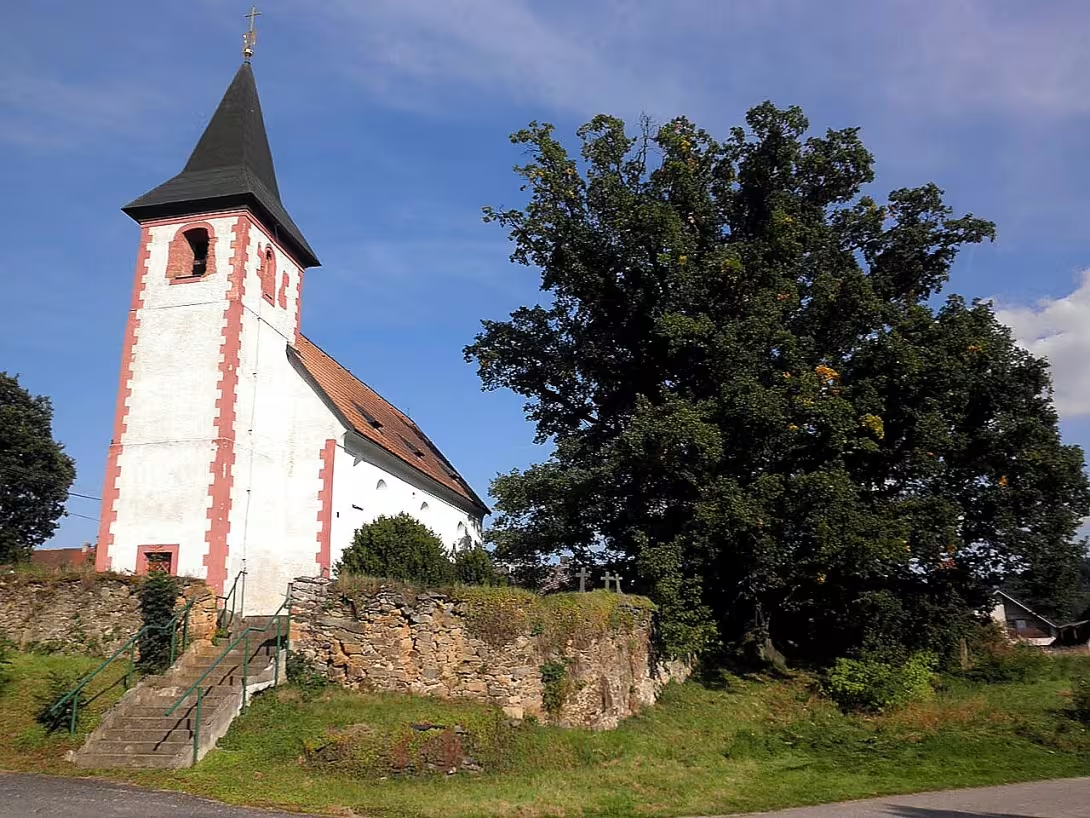
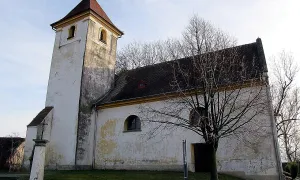
Kostel svatých Petra a Pavla in Skviřín stands as a remarkable Gothic monument that has endured for centuries, encapsulating the essence of a rich historical era. This treasure of spiritual atmosphere is situated in the eastern part of the village, surrounded by a former cemetery.
Founded by Ratmír ze Skviřína, predecessor of the Švamberk lords, around 1230, the original Romanesque structure was later modified in the Gothic and Baroque styles. Significant renovations took place in 1384 and 1700 respectively. The current form features a cross-vaulted ceiling without ribs.
The kostel's architecture is characterized by an oblong single-nave structure with a rectangular presbytery that is not separated from the nave. The original Romanesque window on the eastern wall of the presbytery has been preserved, along with the pískovcový portál on the southern side of the nave. A unique feature is the absence of a separation between the nave and the presbytery.
The monument's historical context is significant, as Bohemia was experiencing cultural and architectural developments during its construction. The kostel's Romanesque window, stone walls, and Baroque renovation make it a valuable example of the region's architectural heritage.
Today, the kostel remains an important cultural landmark, offering visitors a glimpse into the past. Its current state is well-preserved, with some modern modifications. Visitors can explore the monument's interior, taking in its unique architecture and historical significance.
Then and now
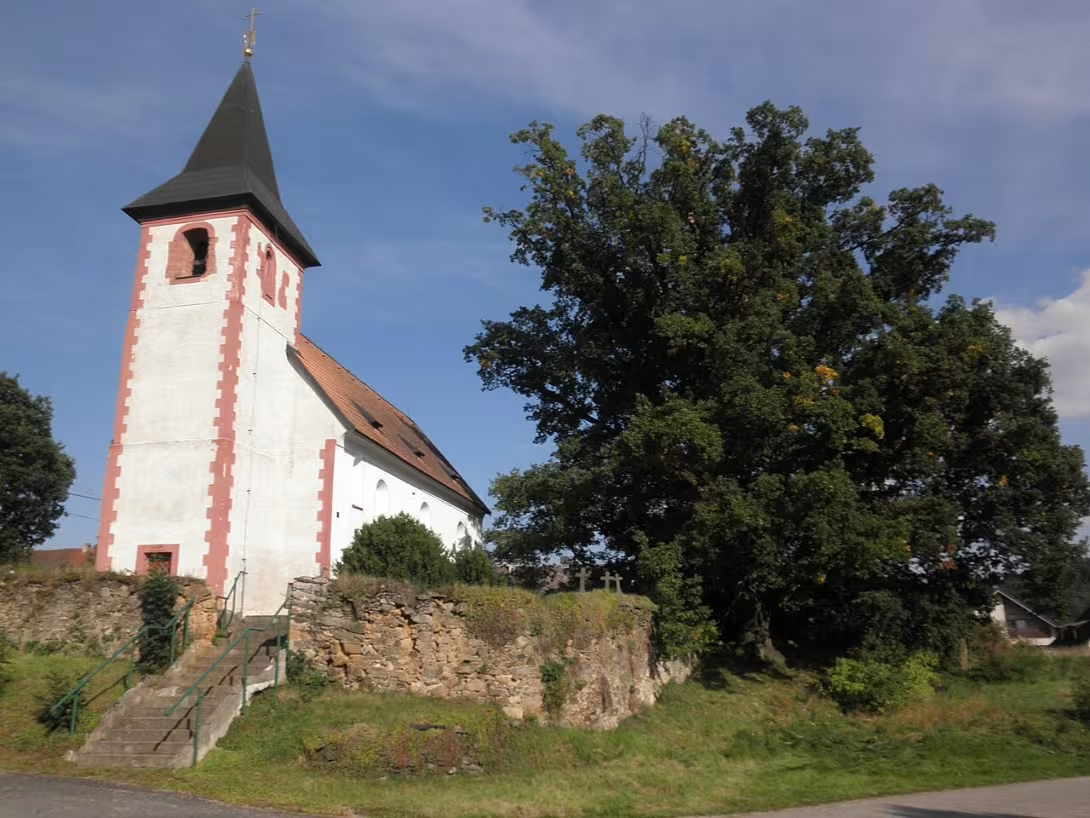
Drag the slider to compare how the landmark may have looked when it was built with the view today.
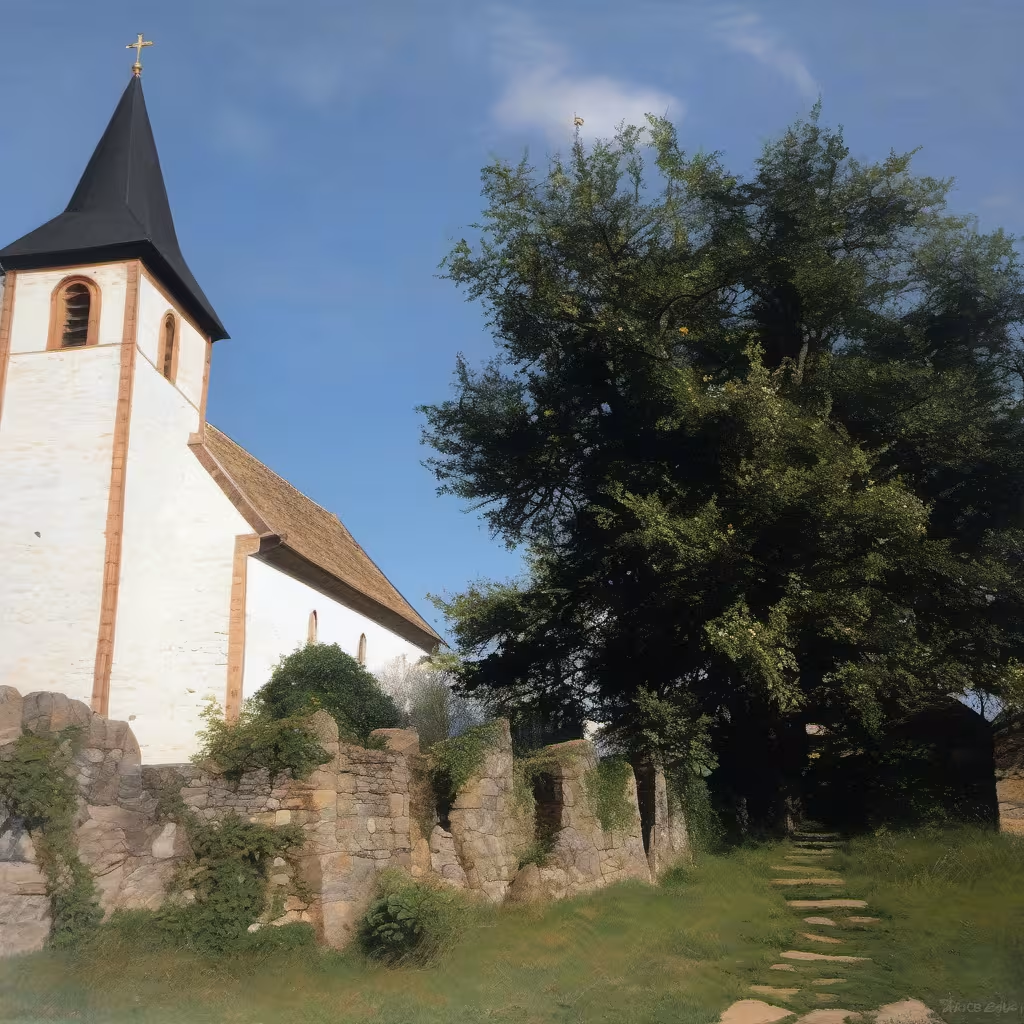
The historical appearance on the left is an AI-generated visualisation and serves as inspiration only.
Historical milestones
- 1230
- Original foundation by Ratmír ze Skviřína.
- 1260
- Romanesque construction.
- 1384
- Gotical renovation.
- 1700
- Baroque renovation.
Architectural development
The original Romanesque structure was later modified in the Gothic and Baroque styles. The current form features a cross-vaulted ceiling without ribs.
Historical events
- 1230
- Founded by Ratmír ze Skviřína, predecessor of the Švamberk lords.
- 1260
- Original Romanesque construction.
- 1384
- Gotical renovation.
- 1700
- Baroque renovation.
Points of interest
– The original Romanesque structure of the kostel was built on a site where an ancient Slavic settlement once stood.
– A unique feature of the kostel is its lack of separation between the nave and presbytery, which gives it a sense of unity and simplicity.
– Despite being renovated in different styles over the centuries, the kostel's architecture has been remarkably well-preserved, with many original features still intact today.
Guide
This guide is narrated by a synthetic voice generated by artificial intelligence.
Show guide text
This text was created by artificial intelligence and has not been editorially reviewed. It may contain inaccuracies.
Welcome to this magnificent Gothic monument in Skviřín. As you stand before it, take a moment to absorb the atmosphere of this treasure trove of spiritual history.
As you gaze upon the kostel's façade, you might not immediately notice its rich history, but let me tell you, this structure has seen many transformations over the centuries. Originally founded in 1230 by Ratmír ze Skviřína, the Romanesque construction that followed in 1260 laid the groundwork for what would become a masterpiece of Gothic architecture.
Fast forward to 1384, when a gotical renovation breathed new life into this ancient structure. And again, in 1700, a Baroque renovation further refined its beauty. Yet, despite these changes, the kostel's essence remains rooted in its Gothic heritage.
As you explore the exterior, notice how the nave and presbytery blend seamlessly together, creating an intimate atmosphere that draws you in. This unique feature is just one of many surprises waiting to be discovered within these ancient walls.
But what about the people who played a role in shaping this kostel's history? Unfortunately, records are scarce, but it's clear that many individuals contributed to its development over the centuries. Perhaps the most intriguing story surrounds the original Romanesque structure, built on a site where an ancient Slavic settlement once stood.
As you stand before this magnificent monument, take a moment to appreciate the secrets and stories hidden within its stones. And as you continue your journey through time, remember that every brick, every stone, and every architectural detail holds a tale waiting to be uncovered.
So, dear traveler, I invite you to step into this sacred space and let the whispers of the past guide you on your own discovery of this incredible kostel.
Tips for visitors
Best Time to Visit: The best time to visit the Church of Saints Peter and Paul is during spring or autumn, when the weather is mild and sunny. This allows you to fully appreciate the stunning architecture and peaceful atmosphere of the church. Avoid visiting during peak summer months as it can get quite crowded.
Frequently asked questions
Can the monument be visited?
Religious buildings are usually open mainly during services; at other times a visit is normally arranged with the parish or the operator. We have not verified specific times.
Where is the monument?
Location: Skviřín, Plzeňský kraj. The map on this page shows the exact spot.
Why is the monument protected?
It is listed in the Central List of Cultural Monuments of the Czech Republic as a cultural monument (register no. 36536/4-1710).
Businesses nearby
Do you run a restaurant, accommodation, shop, museum, rental, wellness or other visitor service near this monument? Show yourself directly to the people heading to it — this is how they will see you in the app and on the web:
Nearby
The monument is situated in the eastern part of the village, surrounded by a former cemetery.
Accommodation nearby
Themed route
Tematická výletní trasa Skviřín
1. Cemetery Ruins (Historical site) The former cemetery, now overgrown with vegetation, offers a glimpse into the past. The crumbling headstones and weathered monuments create an eerie atmosphere, making it an intriguing stop on your journey. 2. Village Center (Skviřín, Village) Explore the charming village center, where you can find traditional Czech architecture, quaint shops, and cozy cafes. Take a stroll along the main street to soak up the local culture and atmosphere. 3. Kostel svatých Petra a Pavla (Skviřín) (Kostel svatých Petra a Pavla, Church) The highlight of your journey is this beautiful Baroque church, dedicated to Sts. Peter and Paul. Admire its stunning architecture, ornate decorations, and peaceful atmosphere.
This thematic route takes you on a journey through the history and culture of Skviřín, with a focus on the surrounding area and the village itself.
Seasonal recommendations
Here is the seasonal recommendation for visiting the historical monument, Kostel svatých Petra a Pavla (Skviřín), in Skviřín, Plzeňský kraj:
Spring
As you approach the church, you'll notice the blooming flowers and lush greenery surrounding it. The gentle sunlight casts a warm glow on the historic architecture. This is an excellent time to visit, with fewer tourists compared to the peak summer months. Wear comfortable shoes for walking around the area, and consider visiting early in the morning or late in the afternoon to avoid the crowds.
Summer
The warm weather brings lively atmosphere to the churchyard, perfect for a relaxing stroll. The surrounding nature is in full bloom, making it an ideal spot for photography. Be prepared for larger crowds during peak season, so plan your visit accordingly. Arrive early to beat the heat and enjoy the peaceful morning hours.
Autumn
The autumn foliage creates a picturesque backdrop for your visit. The golden hues of the leaves complement the church's architecture, making for stunning photo opportunities. As the weather cools down, consider visiting in the late afternoon or early evening when the lighting is particularly beautiful. Wear layers to adjust to the changing temperature.
Winter
As you step into the winter wonderland surrounding the church, you'll be greeted by a serene atmosphere. The snow-covered landscape adds a touch of magic to your visit. Visit during the week or early in the morning to avoid the crowds that tend to gather on weekends.
Please note: Each season has its unique characteristics, and I've made sure to provide distinct information for each one.
Visualizations and artistic views


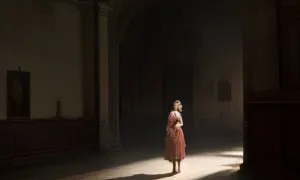
The visualisations are generated by artificial intelligence and serve as inspiration.
Tips from visitors
No tips yet. Be the first!
Log in and add your tip.
Sources and literature
Photos: Tomáš Valenta / CC BY-SA 4.0 — Wikimedia Commons. The author and licence also appear when you hover over the image.
Faktickým podkladem tohoto textu byl článek na Wikipedii, jehož autory jsou přispěvatelé Wikipedie. Článek je dostupný pod licencí CC BY-SA 4.0.
Location on the map

Příběhy a pověsti
Legendy, pověsti a příběhy spjaté s touto památkou
Fotografie návštěvníků
Zatím žádné fotografie. Buďte první, kdo přidá fotografii z návštěvy!
Log in a přidejte svou fotografii nebo hodnoťte.
Za ověřenou návštěvu v aplikaci získáte víc bodů — poznáme podle GPS, že jste na místě.
Reviews and comments