






Kostel Všech svatých (Boněnov) Church
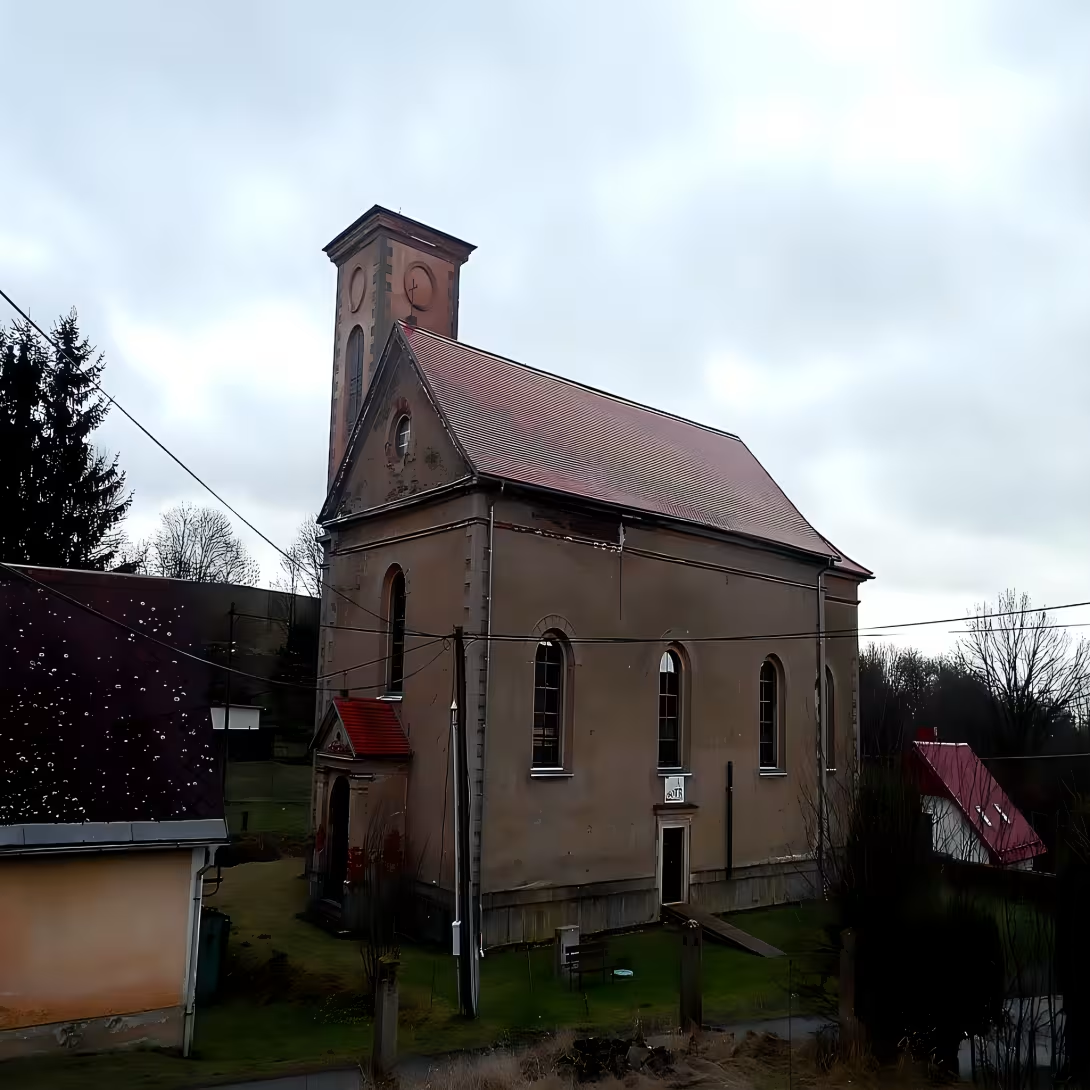
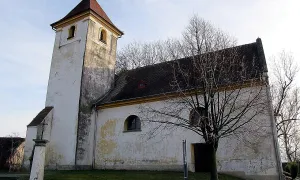
Kostel Všech svatých in Boněnov is a Roman Catholic church dedicated to All Saints. Constructed between 1877 and 1878, it features the Neo-Renaissance style designed by architect Josef Týl. Located in the Plzeňský kraj region of the Czech Republic, this historical monument showcases rural craftsmanship despite lacking official cultural site protection. Its significance lies in its architectural heritage and ongoing restoration efforts to preserve its legacy.
The church replaced an earlier structure on the same site that was demolished after completion. The original building, also dedicated to All Saints, existed since at least the 15th century when parts of Boněnov were under the ownership of the Tepelský monastery. This historical context highlights a period in Bohemia marked by cultural revival and architectural innovation during the late 19th century, which saw many Neo-Renaissance buildings constructed across Europe.
Architecturally, Kostel Všech svatých exemplifies the Neo-Renaissance style with its classical elements and symmetry. Designed by Josef Týl, it focuses on aesthetic harmony typical of that era. Over time, however, it suffered significant damage; in 1990, the vault above the nave collapsed, necessitating further structural interventions including roof removal for safety.
Throughout its history, Kostel Všech svatých served as a parish church until the mid-1980s when declining structural integrity led to disuse. The last service was held in 1986, marking a period of neglect that culminated in further damage and theft of interior fittings. Despite these challenges, local efforts have been instrumental in preserving this monument.
In 2009, restoration began under Občanské sdružení pro obnovu tepelského regionu, focusing on essential repairs such as roof reconstruction and wall stabilization. By 2010, the church was re-roofed, and by 2011, its vaults were restored, alleviating immediate safety concerns. The restoration process continued with significant milestones including a new terracotta floor in 2018 and the installation of new altars featuring artwork by local artist Zdeněk Rolka.
Today, Kostel Všech svatých stands as an emblem of community resilience and dedication to cultural heritage. While not officially recognized as a protected monument, its restoration highlights the value placed on preserving historical architecture within rural settings. Visitors can appreciate both the architectural beauty and the story of perseverance that this church embodies.
Kostel Všech svatých offers more than just insight into Neo-Renaissance architecture; it represents a community's commitment to honoring its past while looking towards the future. Its ongoing restoration serves as an invitation for visitors to explore not only the church itself but also the broader historical and cultural landscape of Boněnov and the Tepelský region.
Then and now
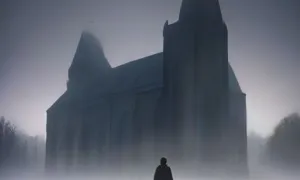
Drag the slider to compare how the landmark may have looked when it was built with the view today.
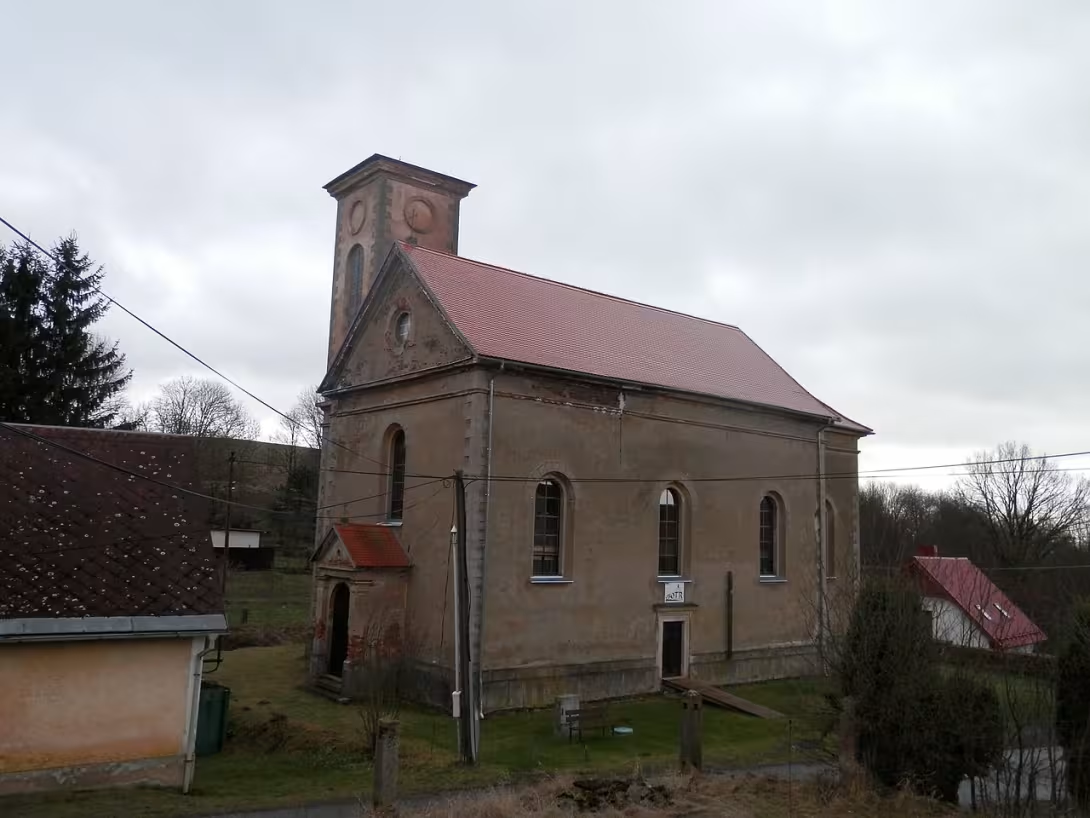
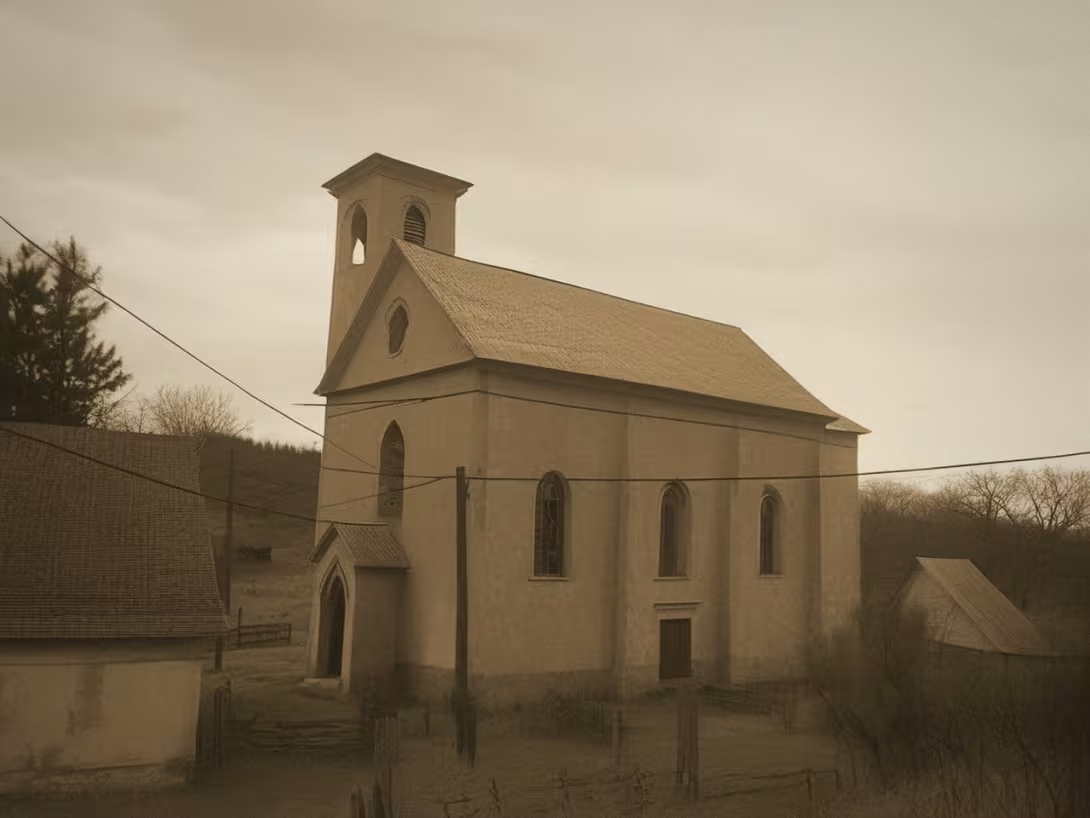
The historical appearance on the left is an AI-generated visualisation and serves as inspiration only.
Historical milestones
- 1877
- Construction began under the design of architect Josef Týl.
- 1986
- The last service was held before structural decline.
- 1990
- Collapse of the vault above the nave.
- 2009
- Restoration efforts initiated by Občanské sdružení pro obnovu tepelského regionu.
Architectural development
Kostel Všech svatých was built in the Neo-Renaissance style, replacing an earlier church on the same site. The original structure was demolished after the new church's completion. Over time, it suffered significant damage, including a vault collapse in 1990 and theft of its interior fittings. Restoration efforts have focused on repairing roofs, strengthening walls, and restoring key architectural elements.
Historical events
The church was constructed between 1877 and 1878 under the design of Josef Týl.
In 1986, the last service was held before structural issues led to its decline.
A significant collapse occurred in 1990 when the vault above the nave fell.
Restoration efforts began in 2009 by Občanské sdružení pro obnovu tepelského regionu.
Points of interest
- The site of Kostel Všech svatých has been a place of worship since at least the 15th century, originally under the care of the Tepelský monastery, reflecting its long-standing religious significance in the region.
- Despite lacking official cultural protection, the church's restoration is driven by local community efforts, showcasing a grassroots commitment to preserving regional heritage and historical architecture.
- In an unusual twist of fate, the church experienced significant structural damage when the vault above the nave collapsed in 1990, highlighting challenges faced during its preservation journey.
- The restoration process included the installation of new altars featuring artwork by Zdeněk Rolka, a local artist, integrating contemporary artistic contributions into this historical site.
- Kostel Všech svatých is emblematic of community resilience, as it has been restored through collective efforts despite not being officially recognized as a protected monument.
Guide
This guide is narrated by a synthetic voice generated by artificial intelligence.
Show guide text
This text was created by artificial intelligence and has not been editorially reviewed. It may contain inaccuracies.
Welcome to the historical site of Kostel Všech svatých in Boněnov. As you stand here, enveloped by the serene landscape of Plzeňský kraj, you're about to embark on a journey through time and architecture. This Neo-Renaissance masterpiece, designed by Josef Týl between 1877 and 1878, serves as a testament to both religious devotion and architectural innovation. Though its structure has faced challenges over the years, it remains a poignant reminder of the area's rich cultural tapestry.
The story of this site begins in the 15th century when it was first established under the care of the Tepelský monastery. This long-standing place of worship reflects the deep-rooted spiritual significance that Boněnov has held for centuries. The church you see before you replaced an earlier structure on the same grounds, a decision made to embrace new architectural visions and accommodate growing congregational needs.
As we delve into its architecture, take a moment to appreciate the Neo-Renaissance style that Josef Týl so masterfully executed. Notice how the design harmonizes with its surroundings, inviting contemplation and reverence. The church's structure, despite the passage of time and the challenges it has faced, still resonates with the artistic intent of its creator.
Throughout its history, Kostel Všech svatých has witnessed many pivotal moments. It served as a parish until the mid-1980s when structural issues began to surface, leading to its decline. The last service held in 1986 marked an end of an era, and by 1990, the vault above the nave had collapsed. Yet, hope was not lost for this cherished landmark. In 2009, restoration efforts were initiated by Občanské sdružení pro obnovu tepelského regionu, a testament to the community's dedication to preserving their heritage.
One of the most intriguing aspects of Kostel Všech svatých is its continued significance despite not being protected as a cultural monument. This lack of official status has not deterred local efforts to restore and maintain the church, highlighting a collective commitment to safeguarding their historical legacy for future generations.
As we conclude our exploration, I invite you to linger in this space, reflecting on the layers of history that surround us. Whether it's the architectural details or the stories etched into its walls, Kostel Všech svatých offers a unique glimpse into the past and an opportunity to connect with the enduring spirit of Boněnov.
Thank you for joining me on this journey through time. As we part ways, carry forward the memories of what you've seen and learned here today, and perhaps, let it inspire your own explorations into history's vast and varied landscapes.
Tips for visitors
The best time to visit Kostel Všech svatých in Boněnov is during the late spring or early autumn months, from May to September. During this period, the weather is typically mild and pleasant, making it ideal for exploring both the church and its surrounding countryside. Additionally, these months often coincide with local festivals and events that can enhance your visit with cultural experiences unique to the Tepelské region.
Parking and transportation options are convenient for visitors coming to Kostel Všech svatých. There is parking available nearby, which makes it accessible by car. For those preferring public transport, there are bus services that connect to Boněnov from larger towns in the Plzeňský kraj region. It's advisable to check current schedules and routes using a transportation app or website before your visit to ensure smooth travel arrangements.
When planning your visit to Kostel Všech svatých, consider bringing comfortable walking shoes as you may want to explore the surrounding countryside and historical sites linked to the Tepelské region. A camera is also recommended for capturing the scenic landscapes and architectural details of the church. Additionally, carrying a light jacket or sweater can be useful, especially if visiting during cooler months.
Photography enthusiasts will find several spots around Kostel Všech svatých ideal for capturing its Neo-Renaissance architecture. The best lighting conditions are typically in the early morning or late afternoon when the sunlight casts soft shadows and highlights the intricate details of the church's façade. Exploring the surrounding countryside can also provide unique backdrops for your photos, especially during sunrise or sunset.
For families with children visiting Kostel Všech svatých, there are several nearby attractions within a 30-minute drive that can make the trip more enjoyable. The Tepelské region offers historical sites and scenic landscapes that provide both educational and recreational opportunities for kids. Exploring these areas can be a great way to spend time outdoors while learning about local history.
Businesses nearby
Do you run a restaurant, accommodation, shop, museum, rental, wellness or other visitor service near this monument? Show yourself directly to the people heading to it — this is how they will see you in the app and on the web:
Nearby
Located in Boněnov, Plzeňský kraj, the church is surrounded by typical Czech countryside. The area includes historical sites linked to the Tepelské region and offers scenic landscapes.
Accommodation nearby
Themed route
Thematic Walking Tour: Boněnov and the Church of All Saints
1. Church of All Saints (Boněnov) - *Type:* Historical Religious Site - *Why Visit:* The Church of All Saints is a beautiful example of Baroque architecture, featuring intricate designs that reflect its historical significance in the Tepelské region. Its serene atmosphere and stunning interior make it a must-visit for anyone interested in religious history or architectural beauty.
2. Boněnov Village Square - *Type:* Historical Village Center - *Why Visit:* Located just a short walk from the church, the village square offers a glimpse into traditional Czech rural life. The area is surrounded by charming cottages and historical buildings that provide insight into the local culture and history of Boněnov.
3. Tepelské Region Historical Sites - *Type:* Cultural Heritage Area - *Why Visit:* Explore the broader Tepelské region, which encompasses several sites linked to the area's rich past. This includes remnants of historical settlements that offer a deeper understanding of the cultural and social evolution of this picturesque part of Plzeňský kraj.
4. Scenic Countryside Walks - *Type:* Scenic Landscape - *Why Visit:* Take a leisurely walk through the typical Czech countryside surrounding Boněnov, where rolling hills and lush greenery provide a tranquil escape from city life. The scenic landscapes are perfect for nature lovers and those looking to enjoy peaceful outdoor activities.
5. Local Historical Landmarks - *Type:* Cultural Heritage Sites - *Why Visit:* Discover local historical landmarks that tell the story of Boněnov's past. These sites offer a unique perspective on the region’s history, showcasing architectural styles and cultural influences that have shaped this area over centuries.
This tour offers an enriching experience through the heart of Boněnov, combining religious, cultural, and natural attractions to provide a comprehensive exploration of this charming part of Czechia.
Seasonal recommendations
Spring: Visiting the Church of All Saints during spring offers a unique experience as nature begins to awaken around Boněnov. The reinvigorating scent of blooming flowers and fresh greenery creates an enchanting atmosphere, complemented by longer daylight hours that beautifully illuminate the church's architecture. This season is ideal for enjoying serene walks through nearby gardens, with fewer crowds compared to summer. Visitors are advised to wear comfortable layers as temperatures can vary; a light jacket might be necessary during cooler mornings or evenings.
Summer: The summer months bring vibrant life and warmth to Boněnov, making the Church of All Saints a delightful destination amidst lush landscapes. The extended daylight enhances the church's features with natural lighting, while nearby greenery flourishes in full bloom. This is peak tourist season, so arriving early can help avoid larger crowds. Comfortable walking shoes and breathable clothing are recommended due to warm weather, and carrying water is advisable for longer explorations.
Autumn: Autumn transforms Boněnov into a picturesque setting with its rich tapestry of reds, oranges, and yellows. The church's surroundings offer a stunning backdrop as leaves gently fall, creating a tranquil and reflective atmosphere. This season sees fewer visitors, allowing for more intimate exploration of the site. Layered clothing is recommended to accommodate cooler temperatures, and bringing an umbrella might be wise due to unpredictable weather.
Winter: Winter in Boněnov provides a magical experience with the Church of All Saints set against a backdrop of snow-covered landscapes. The soft glow from festive lights can add charm to the church's architecture during this time. However, winter also means shorter days and potential closures or limited access for visitors due to maintenance work. Dressing warmly is essential, including thermal layers, gloves, and a hat, while planning visits during daylight hours ensures better accessibility.
Visualizations and artistic views


The visualisations are generated by artificial intelligence and serve as inspiration.
Photos from the area
Real photos taken near the monument


Zdroj a licence jsou uvedeny u každého snímku.
Tips from visitors
No tips yet. Be the first!
Log in and add your tip.
Sources and literature
Fotografie: Luis Topic / CC BY-SA 4.0, rozlišení zvýšeno umělou inteligencí — Wikimedia Commons. The author and licence also appear when you hover over the image.
Faktickým podkladem tohoto textu byl článek na Wikipedii, jehož autory jsou přispěvatelé Wikipedie. Článek je dostupný pod licencí CC BY-SA 4.0.
Location on the map

Příběhy a pověsti
Legendy, pověsti a příběhy spjaté s touto památkou
Fotografie návštěvníků
Zatím žádné fotografie. Buďte první, kdo přidá fotografii z návštěvy!
Přihlaste se a přidejte svou fotografii nebo hodnoťte.
Za ověřenou návštěvu v aplikaci získáte víc bodů — poznáme podle GPS, že jste na místě.
Reviews and comments