






Krannerova kašna Fountain
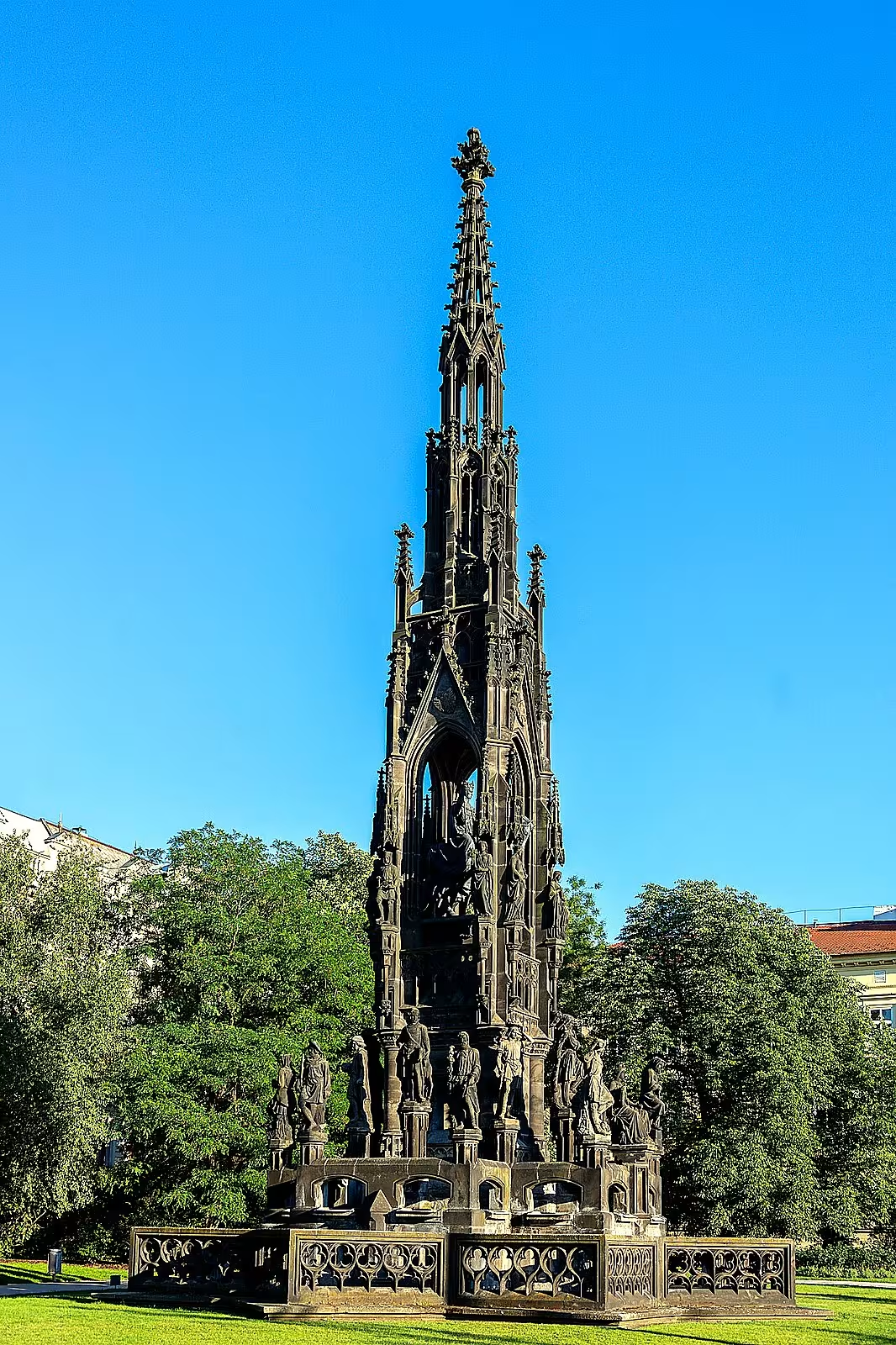
Krannerova kašna, also known as Hold of Czech states, is a historical monument located in the National Awakening Park on Smetana's waterfront in Prague 1. This neo-gothic monument was built as a tribute to Emperor Franz I, and its discovery in 1850 was an important event for Czech states. Today the monument is not only an architectural work but also a witness to rich historical changes and cultural conflicts.
The monument was created on the basis of the design of the Czech Regional Assembly, which decided to build a memorial for Emperor Franz Joseph I in 1840. The original plan was a monumental palace of science and the muse of Francisco, but due to disagreements, the idea was realized in a different way at the end of the century. The cornerstone for Kranner's fountain was laid in 1845, but its completion was extended due to revolutionary events in 1848 and 1849. Finally, it was festively revealed on 30 May 1850.
Architecturally, the fountain is built in the style of neo-gothic, which manifests itself in the shape of an eight-pointed ground plan and a shallow tank. The authors of this work were architect Josef Kranner and sculptor Josef Max. The fountain contains a bronze equestrian statue of emperor Franz I., surrounded by characters symbolizing ideal states, human activities and various Czech regions. This composition expresses an effort to depict the emperor as a protector and supporter of science, art and industry.
After the declaration of a separate Czechoslovakia, the monument was covered with canvas to prevent its destruction by a revolutionary crowd. In June 1919 the equestrian statue was married and moved to the Lapidarium of the National Museum. This move was supported by the Club for Old Prague, which promoted not only the cover of the monument but also the dismantling of the statue of the monarch.
There was a significant change in 2003: a modern copy of the equestrian statue was replanted in the fountain for Vladimir Vihan's initiative. This act was carried out in order to end ideological views of historical monuments and return to the porridge its original function of water work.
Today, Krannerova kašna stands as a witness to the rich historical events that shaped Czech society. Its architecture and symbolism reflect the tension between liberal national efforts and the absolutism of Emperor Franz I, which makes it not only an artistic but also an important historical place. Exploring this memory is an opportunity for every curious tourist to learn more about Czech history and culture.
Krannerova kašna is worth visiting not only as a monument to Emperor Franz I, but also as a reminder of the rich history and cultural development of Prague. Its existence is a testament to the changes that the Czech society has undergone, and its architecture remains an important part of the city's panorama.
Then and now
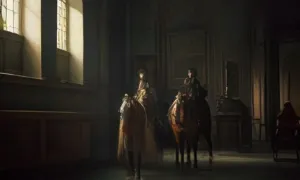
Drag the slider to compare how the landmark may have looked when it was built with the view today.
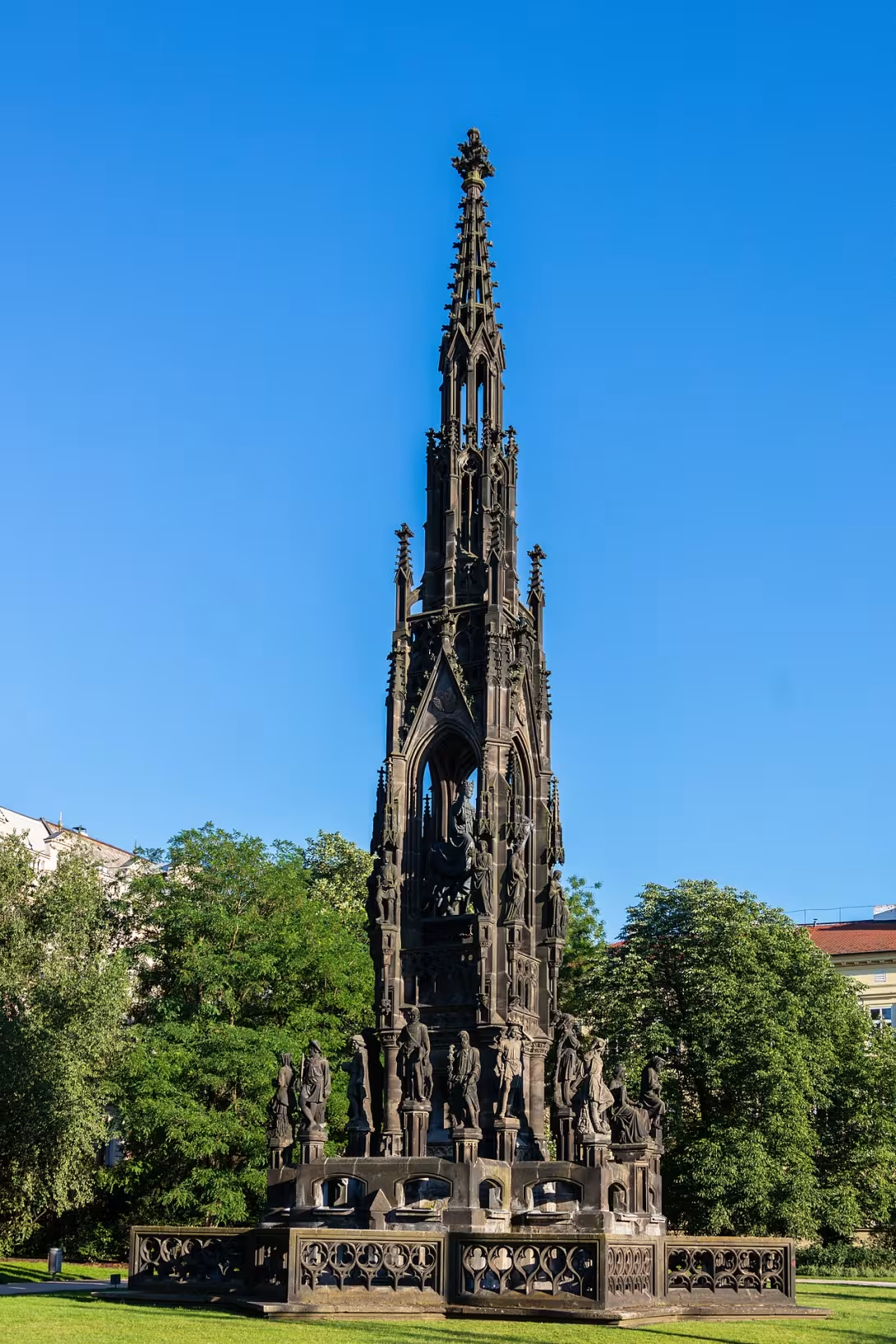
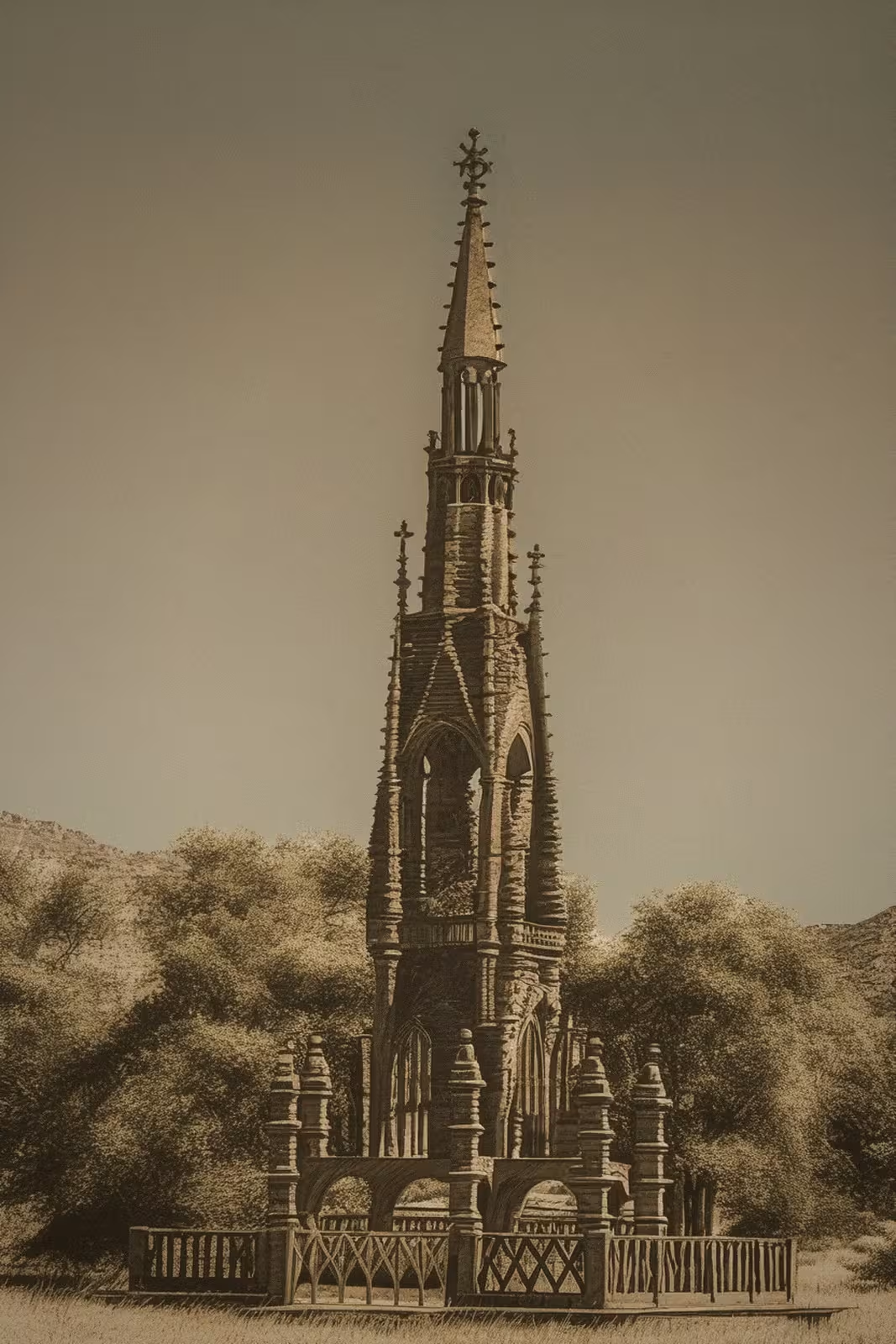
The historical appearance on the left is an AI-generated visualisation and serves as inspiration only.
Historical milestones
- 1845
- The laying of the foundation stone of the monument.
- 1850
- Exposing a fountain in a neo-gothic style.
- 1919
- Taking a riding statue of the emperor and transferring it to the Lapidarium of the National Museum.
- 2003
- Reinstallation of a copy of the equestrian statue and reintroduction of water.
Architectural development
The construction is carried out in a neo-gothic style in the shape of a high-fallopian, raised from a shallow tank with an eight-pointed plan. Originally she carried a bronze riding statue and stone figures symbolizing states and regions. In 2003, a modern copy of the original statue was repaired and installed.
Historical events
In 1850, the monument was festively revealed. In June 1919 the equestrian statue was married and transferred to the Lapidarium of the National Museum. In August 2003, a copy of the statue and water were replanted in the fountain.
Points of interest
- Krannerova kašna is also known as Hold of Czech states. - This neo-gothic monument was built as a tribute to Emperor Franz I, and its discovery in 1850 was an important event for Czech states. - The monument was created on the basis of the design of the Czech Regional Assembly, which decided to build a memorial for Emperor Franz Joseph I in 1840. - After the declaration of Czechoslovakia, the monument was covered with canvas to prevent its destruction by a revolutionary crowd. In June 1919 the equestrian statue was married and moved to the Lapidarium of the National Museum. - There was a significant change in 2003: a modern copy of the equestrian statue was replanted in the fountain for Vladimir Vihan's initiative.
Guide
Show guide text
This text was created by artificial intelligence and has not been editorially reviewed. It may contain inaccuracies.
Welcome to the heart of Prague, on Smetana's waterfront, where the River Vltava slowly winds up around historic buildings and the breeze tells stories from many centuries. Please stop for a moment and focus fully on what you see right in front of you. You stand before one of the very special and fascinating works, which is Krannerova kašna. The first impression of this building is certainly a sense of nobility and certain drama. Notice how dominant he is in his high, pointy form, which resembles the Gothic Cathedral. It is a place where water, art and politics join together, and all within one monumental unit, which today forms an integral part of the National Awakening Park.
In order to understand why this monument is even standing here, we have to go back almost two yards in our minds. Let us move to the middle of the nineteenth century, when Prague was another city, but its ambitions were as great as today. The whole story began in 1840, when the Czech Parliament decided that it was necessary to pay tribute to the Emperor Franz first. It was an act of gratitude and political declaration. The laying of the foundation stone itself took place in 1845, and after several years of creative work, in 1850, the fountain was festively revealed to the public. The author of this ambitious project was the architect Josef Kranner, who put into the work his idea of what should be a tribute to the monarch in the spirit of that time.
Now, please pay attention to the architecture itself and to what you're seeing right now. Look up. The dominance of the whole piece is a high fial, which is the thin one, ending with the tip of the element that goes to the sky. On top of it you will see the riding statue of Emperor Franz first. The Emperor here is not only depicted as a ruler, but as a character who watches and is surrounded by his subjects. But if you look below, you will see that the monument is not just about one man. The whole structure is surrounded by a series of characters that have deep symbolic significance. Note the statues that represent ideal states and human activity. There are images that are meant to resemble crafts, science and the order on which society stood at that time. In addition, here you will find characters symbolizing the Czech region, which makes the whole work a map of the then Czech territory carved into stone. This whole set of elements gives memory of its second, very poetic name, which is Hold of Czech states. It's an image of unification and loyalty, materialized in a neo-gothic style, which at that time experienced its great revival.
But if we go further in time, we will find that the fate of this monument was very stormy, like the fate of the people who lived in this city. History is not only about construction, but about what happens to it when regimes and ideology change. In 1919, after the creation of a separate Czechoslovakia, there was a fundamental change. The emperor's equestrian statue, which had dominated the peak of the musical for so long, was married. At that time, it was no longer seen as appropriate that a monument of a former monarch stood in such a form at the heart of the new state. The statue was transferred to the Lapidarium of the National Museum where it was stored outside the direct view of the public. So the fountain remained incomplete for many decades, as a reminder of the past, which was present but partially erased.
This condition lasted until modern times. A major act of renewal took place in 2003. It was decided that the monument should be returned to its original form, not out of respect for imperial power, but out of respect for the historical truth and artistic value of Josef Kranner's work. So a faithful copy of the equestrian statue was installed at the top of the musical and water was reintroduced, which breathed new life into the whole piece. Today you can hear the noise of water that accompanies your tour and remind us that monuments can be reborn.
When you're standing in the National Awakening Park, feel the atmosphere of this place. This park is not randomly named. It is a space connected with the great personalities that shaped the Czech nation. Although the fountain is a monument to the emperor, its surroundings breathe the spirit of people like František Palacký, who was the father of Czech national revival, or Karel Havlíček Borovský, a brave journalist and critic. Even Josef Max, an important historian, returns in his thoughts to similar epoch. It's a fascinating contrast. On the one hand we have a Hold of Czech states, a symbol of hierarchy and imperial power, and on the other hand a park that celebrates the awakening of the nation, its freedom and intellectual growth. It is in this tension between loyalty to the old order and the desire for a new beginning that lies the true power of this place.
Perhaps you are now interested in one interesting thing that makes the monument something more than a stone object. Notice how the neo-gothic style intersects with the function of the water work. In the nineteenth century, the fountains were not only ornaments, but they were meant to express progress and hygiene, bringing water to urban areas. Krannerova kašna therefore served as a bridge between the beauty of art and practical use. It is a so-called total project where architecture, sculpture and water engineering form one harmonious whole. The mystery of this place is how over time our view of it changed. From the celebration of the emperor, to the period of oblivion and removal, to today's perception as a valuable historical artifact.
Take one last look at the details at the bottom of the monument. Try to guess which of the regional symbols represents your area or which of the characters of human activity speaks to you the most. Each of us sees something different in these stone faces because each of us sees history differently.
Now that you know the story of Kranner's fountain, its take-offs and falls, I suggest you slowly continue to explore the waterfront. Let the Vltava flow guide you and see how modern Prague intersects with these silent witnesses of the past. I hope this short trip in time helped you better understand the spirit of this place. I wish you a pleasant further journey and many other discoveries in our beautiful city. Goodbye.
Tips for visitors
The best time to visit Kranner's fountain is in the early morning or in the evening when there are fewer people and light turns into romantic colors. This monument offers a beautiful view of Smetana's waterfront and surrounding historical buildings.
Parking nearby may be limited, therefore we recommend using public transport. Buses or trams are a comfortable way to get to the centre of Prague and near the Kranner fountain. You can verify the current connection in the online search engine.
When you visit, wear a suitable suit because the climate on Smetana's waterfront can be cold. The pictures from the sights are excellent, so remember to take the camera or mobile phone with good quality cameras.
Photography is ideal from Smetana's waterfront towards the fountain. The best light will offer sunrise or sunset, adding magic and beauty to the place.
In the vicinity of the Kranner fountain there are several interesting places to walk. Visit the National Awakening Park where you can find quiet pavements and green areas. Visiting Rudolfinum or the National Museum is an excellent option for history lovers.
Businesses nearby
Do you run a restaurant, accommodation, shop, museum, rental, wellness or other visitor service near this monument? Show yourself directly to the people heading to it — this is how they will see you in the app and on the web:
Events nearby

Zdroj akcí: otevřená data měst a obcí ČR (Národní katalog otevřených dat) a kalendář akcí Národního památkového ústavu.
Nearby
Smetanovo nábřeží, park Národního probuzení, Rudolfinum, Národní muzeum.
Accommodation nearby
Trips and activities nearby
Guided tours, tickets and activities nearby from GetYourGuide
Affiliate link: if you buy from the partner, we may receive a commission. The price for you does not change.
Search tours and activities →Themed route
Thematic cruise route: Krannerova kašna and surroundings
1.Krannerova kašna (memorial) Type: Monument Why is it worth a visit: Krannerova kašna is a monument to the important Czech architect Josef Krann, who was responsible for the development of Prague architecture. It is a place where you can appreciate its contribution and enjoy a quiet moment in the centre of Prague.
2. Smetana's waterfront Type: waterfront Why is it worth a visit: Smetana's waterfront is a beautiful place for a walk overlooking the Vltava and Prague bridges. Here you can enjoy a quiet moment, watch the boat sailing down the river or watch live music that often takes place here.
3. National Awakening Park Type: Park Why is worth a visit: This park is an ideal place for relaxation and a view of historical buildings in the surroundings such as Rudolfinum. It is a place full of green and quiet in the center of Prague, where you can enjoy the natural environment and a beautiful view of the Vltava.
4. Rudolfin Type: Concert Hall Why is it worth a visit: Rudolfinum is one of the most famous concert halls in Prague, famous for its impressive architecture and history. You can see its beautiful interiors or look at the programs of events and concerts that take place here.
5. National Museum Type: Museum Why is worth a visit: The National Museum offers a rich collection of Czech and world historical, artistic and natural sciences treasures. It is an ideal place for those who want to learn more about the history and culture of the Czech Republic.
This route will guide you through a short but fun journey through the historical centre of Prague, each point offering its unique view of the city and its rich culture.
Seasonal recommendations
In spring the surroundings of the monument are refreshed and nature is awakening. The soft spring light will highlight the details of the statue beautifully and the overall atmosphere feels hopeful. I recommend visiting a place in the morning where there are fewer people. Clothes should be layered because the weather is very variable these days.
The summer season brings intense sun and the noisy atmosphere of the city. Water in the casserole gives a refreshing impression in the middle of the heat. It is best to come very early in the morning to avoid the biggest crowds of tourists. Remember light summer clothes and plenty of fluids with you.
In autumn, the space is filled with golden leaves and mild cold. The atmosphere is quieter and a little melancholic, which is suitable for reflection on historical work. It's convenient to pack a waterproof jacket or umbrella for frequent collisions. The ideal time for a walk is late afternoon.
In winter, the monument is more severe, especially if it is covered by snow or frost. Evening lighting creates a cosy contrast with the freezing air and the silence of the winter city. It is necessary to wear a warm sweater, gloves and a hat. For short days and cold I recommend a short but intense visit.
Visualizations and artistic views


The visualisations are generated by artificial intelligence and serve as inspiration.
Photos from the area
Real photos taken near the monument

Zdroj a licence jsou uvedeny u každého snímku.
Tips from visitors
No tips yet. Be the first!
Log in and add your tip.
Sources and literature
Photos: Diego Delso / CC BY-SA 4.0 — Wikimedia Commons. The author and licence also appear when you hover over the image.
Faktickým podkladem tohoto textu byl článek na Wikipedii, jehož autory jsou přispěvatelé Wikipedie. Článek je dostupný pod licencí CC BY-SA 4.0.
Location on the map
Příběhy a pověsti
Legendy, pověsti a příběhy spjaté s touto památkou
Fotografie návštěvníků
Zatím žádné fotografie. Buďte první, kdo přidá fotografii z návštěvy!
Log in a přidejte svou fotografii nebo hodnoťte.
Za ověřenou návštěvu v aplikaci získáte víc bodů — poznáme podle GPS, že jste na místě.
Reviews and comments