






Leopoldova brána Gate
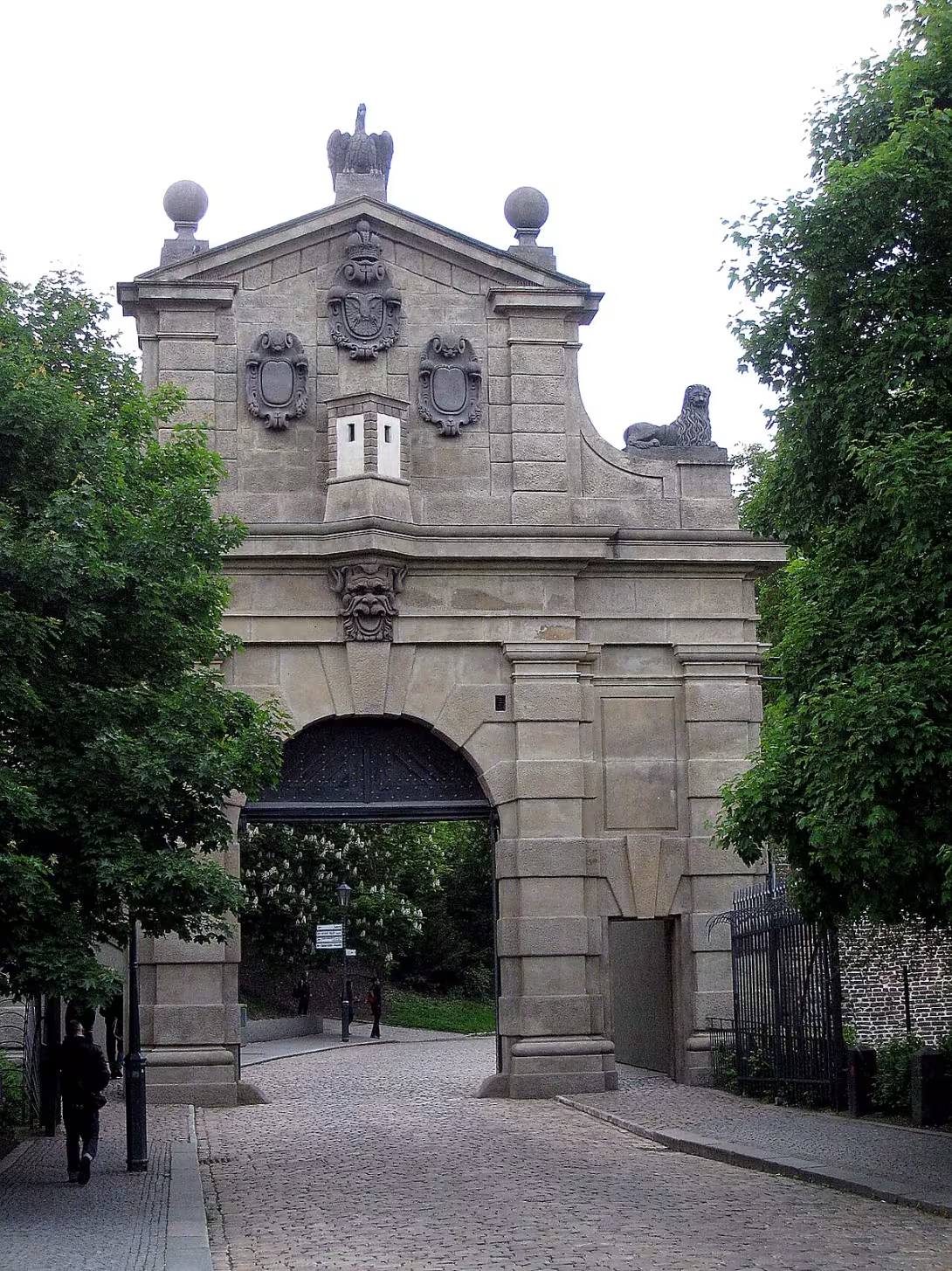
Leopoldova Brána stands as an early Baroque gate located in Vyšehrad, Prague. Constructed between 1653 and 1672, this architectural gem serves as the entrance to the inner Vyšehrad fortress. Despite never serving a military purpose, it holds historical significance. Its importance was realized in the mid-19th century with the construction of a road connecting Nové Město and Pankrác over Vyšehrad.
The origin of Leopoldova Brána dates back to when Bohemia was part of the Habsburg Monarchy, experiencing political and religious tensions after the Thirty Years' War. During this period, the Baroque style flourished across Europe, influencing designs like that of Leopoldova Brána. While specific construction details are limited, it is believed to have been designed by Carlo Lurago, whose architectural plans have been preserved.
Architecturally, Leopoldova Brána exemplifies early Baroque style, characterized by grandeur and elaborate design elements typical of the period. Although part of a fortification system conceived by Giuseppe Priami, it never fulfilled any military role. Instead, its significance grew as Vyšehrad became more accessible with 19th-century road construction.
Throughout history, Leopoldova Brána has remained an integral part of the Vyšehrad citadel's fortification system. Its historical context is enriched by its location within a site holding immense cultural and architectural value. Vyšehrad itself features significant structures such as St. Peter and Paul's Church and the Basilica of St. Martin, contributing to its status as one of the most important Czech monuments.
Today, Leopoldova Brána stands as a testament to Prague's rich history and architectural heritage. It remains accessible to visitors exploring the historic Vyšehrad area. The gate's historical significance, coupled with its unique Baroque design, makes it a worthwhile destination for those interested in architecture and history.
Visiting Leopoldova Brána offers an opportunity to connect with the past while appreciating architectural beauty that has stood the test of time. Its presence at Vyšehrad invites exploration and reflection on cultural narratives shaping this historic site, making it a must-see for anyone visiting Prague.
Then and now
Drag the slider to compare how the landmark may have looked when it was built with the view today.
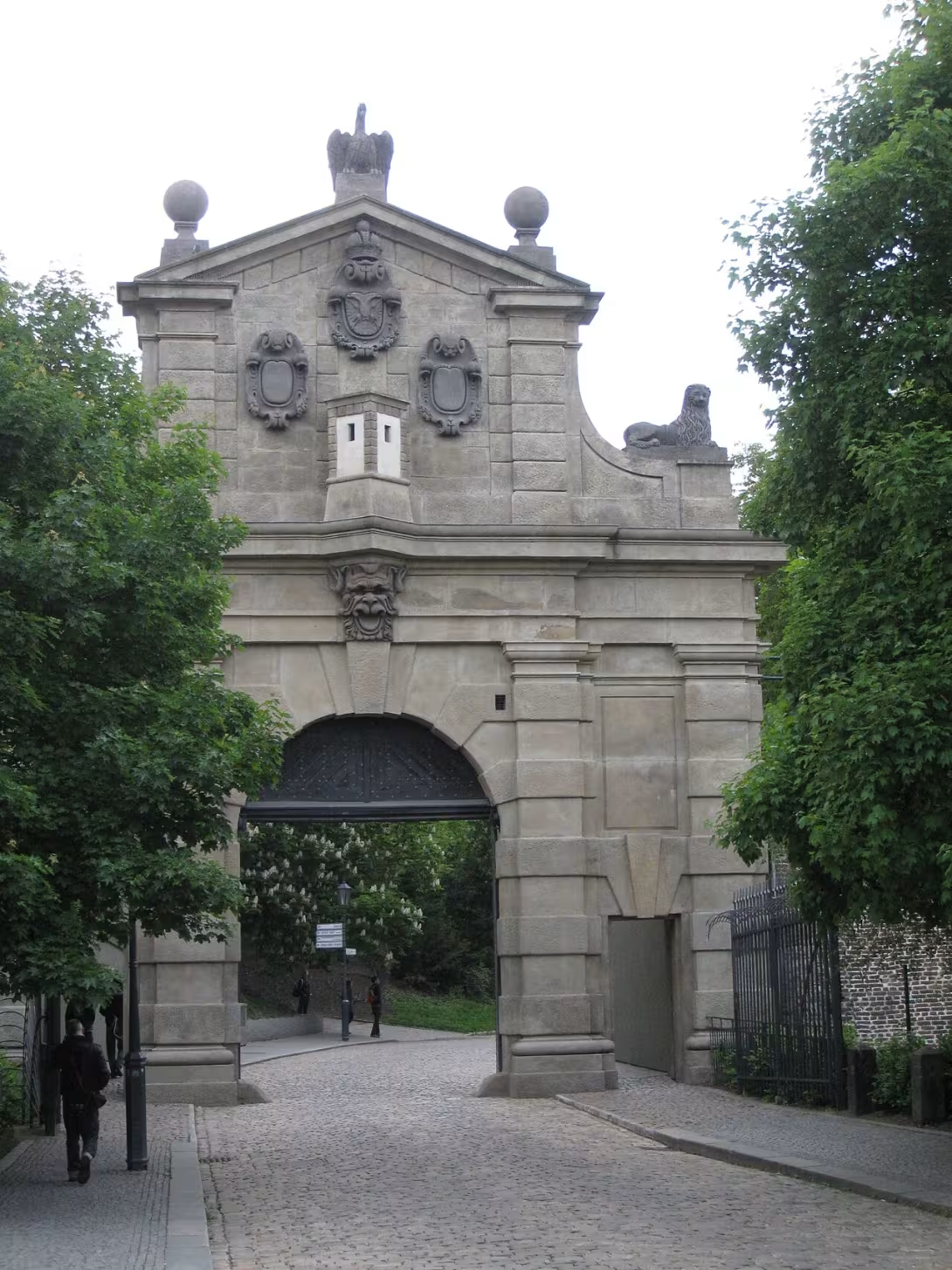

The historical appearance on the left is an AI-generated visualisation and serves as inspiration only.
Historical milestones
- 1653-1672
- The Leopold Gate was built as a gate into Vyšehrad.
- c. 1650
- The Baroque style spread across Europe, influencing designs such as the Leopold Gate.
- mid-19th century
- The significance of the gate grew with the construction of a road connecting Nové Město and Pankrác through Vyšehrad.
- after the Thirty Years' War
- Czech lands experienced political and religious tensions as part of the Habsburg Monarchy, which influenced architecture.
Architectural development
Leopoldova brána was likely designed by Carlo Lurago, with his architectural plans preserved. It is an integral part of the Vyšehrad citadel's fortification system, although it never fulfilled a military role.
Historical events
- 1653-1672
- Construction of Leopoldova brána.
Guide
This guide is narrated by a synthetic voice generated by artificial intelligence.
Show guide text
This text was created by artificial intelligence and has not been editorially reviewed. It may contain inaccuracies.
Welcome to the historic site of Leopoldova brána, an exquisite example of early Baroque architecture nestled in the heart of Vyšehrad, Prague. As you stand before this grand structure, take a moment to absorb its majestic presence and imagine the stories it holds within its walls.
Constructed between 1653 and 1672, Leopoldova brána was designed as an entrance to the inner Vyšehrad fortress. During this period, Baroque architecture was flourishing throughout Europe, influencing designs with its dramatic flair and intricate details. This gate is a testament to that era's architectural ambition, even though it never served a military purpose.
As you gaze upon the gate, notice how its design reflects the grandeur of the Baroque style without resorting to overtly militaristic features. The attention to detail in the stonework invites admiration and curiosity about the craftsmen who brought this vision to life. While specific details are not documented here, take a moment to appreciate the craftsmanship evident in every carved stone.
The architect behind this remarkable gate is believed to be Carlo Lurago, though his plans have largely been lost to time. This adds an air of mystery to Leopoldova brána, as we can only speculate on the full extent of his design intentions and how they were realized by those who followed his vision.
In the mid-19th century, the gate's significance grew when a road was constructed over Vyšehrad, connecting Nové Město and Pankrác. This development transformed Leopoldova brána from a mere architectural feature into a symbolic gateway, enhancing its role within the city’s landscape.
One intriguing aspect of this site is that despite its grand Baroque design, it was never used for military purposes. Instead, it became an emblematic entrance to Vyšehrad, highlighting how architecture can evolve in function and meaning over time.
As you continue your visit, I encourage you to explore further around Vyšehrad, where history and culture intertwine with the natural beauty of this historic site. Thank you for joining me on this journey through time, and may your exploration be filled with discovery and wonder.
Tips for visitors
The best time to visit Leopoldova brána is during the late spring or early fall when the weather is mild, making it ideal for exploring the historic site of Vyšehrad. During these seasons, you can enjoy pleasant temperatures and blooming gardens without the crowds typical of summer months. Additionally, visiting in the morning provides softer light that enhances the architectural details of the gate.
The site is accessible by tram lines that stop close to Vyšehrad, making it convenient for visitors without cars.
When visiting Leopoldova brána and its surroundings, consider bringing comfortable walking shoes, a hat, sunscreen, and water, especially if you plan on spending several hours exploring. The area has uneven paths and cobblestones, so sturdy footwear is recommended. Additionally, carrying a camera or smartphone for photography will allow you to capture the stunning views of Prague from Vyšehrad.
For photography enthusiasts, Leopoldova brána offers excellent opportunities in the early morning or late afternoon when the light is soft and warm, highlighting the intricate Baroque details of the gate. The best spots include the area around St. Peter and Paul's Church where you can capture both the gate and the church in a single frame against the backdrop of Prague’s skyline.
Nearby Vyšehrad, within a 30-minute walk or short tram ride, are several attractions worth visiting. Explore St. Peter and Paul's Basilica, renowned for its stunning frescoes by Karel Škréta, and take time to visit the Vyšehrad Cemetery where many notable Czechs are buried. For families with children, consider a leisurely walk along the scenic paths of Vyšehrad Park, which offers playgrounds and picnic areas.
Frequently asked questions
Can the monument be visited?
This is a structure in a public space that can usually be seen from outside free of charge. We have not verified that this particular one is freely accessible.
Where is the monument?
Location: K rotundě, Vyšehrad, Praha, Hlavní město Praha. The map on this page shows the exact spot.
Why is the monument protected?
It is listed in the Central List of Cultural Monuments of the Czech Republic as a national cultural monument (register no. 113). It is protected as part of a larger listed ensemble.
Businesses nearby
Do you run a restaurant, accommodation, shop, museum, rental, wellness or other visitor service near this monument? Show yourself directly to the people heading to it — this is how they will see you in the app and on the web:
Events nearby

Zdroj akcí: otevřená data měst a obcí ČR (Národní katalog otevřených dat) a kalendář akcí Národního památkového ústavu.
Nearby
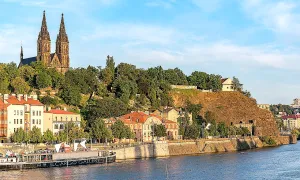
Vyšehrad is a historic site featuring a unique ensemble of historical, urbanistic, and architectural value. It includes significant structures such as St. Peter and Paul's Church and the Basilica of St. Martin.
Accommodation nearby
Trips and activities nearby
Guided tours, tickets and activities nearby from GetYourGuide
Affiliate link: if you buy from the partner, we may receive a commission. The price for you does not change.
Search tours and activities →Themed route
Thematic Walking Tour: Vyšehrad
1. Leopoldova Brána (Gate) - Type: Historical Monument - Why Visit: Begin your journey at Leopoldova Brána, a significant historical gateway that offers insight into the medieval fortifications of Vyšehrad. This gate is an excellent starting point to appreciate the architectural heritage and strategic importance of this historic site.
2. St. Peter and Paul's Church - Type: Historic Church - Why Visit: A short walk from Leopoldova Brána, St. Peter and Paul’s Church stands as a remarkable example of Romanesque architecture with its iconic twin towers. This church is one of the most important religious structures in Prague, offering stunning views of the city skyline from its towers.
3. Basilica of St. Martin - Type: Basilica - Why Visit: Continue to the Basilica of St. Martin, a Gothic masterpiece known for its impressive frescoes and historical significance as one of the oldest churches in Prague. The basilica provides an opportunity to delve into the spiritual and artistic heritage that Vyšehrad encapsulates.
4. Vyšehrad Cemetery - Type: Historic Cemetery - Why Visit: Conclude your tour at the Vyšehrad Cemetery, a resting place for many of Czechia’s most notable figures in literature, music, and politics. The cemetery is not only a serene spot but also offers beautiful views over Prague, making it a poignant end to your exploration of this historic site.
This tour provides a comprehensive experience of Vyšehrad's rich history and cultural significance, focusing on its architectural marvels and historical narratives.
Seasonal recommendations
Spring: As spring unfolds, Leopoldova brána on Vyšehrad is enveloped in a vibrant tapestry of blooming flowers and lush greenery that accentuates its historical charm. The soft sunlight bathes the area in a warm glow, creating an inviting atmosphere ideal for leisurely walks. Visitors are encouraged to wear comfortable layers as temperatures can vary, with breezes from the nearby Vltava River adding a refreshing touch. This time of year typically sees moderate crowds, making it perfect for those seeking a balance between tranquility and exploration.
Summer: Summer at Leopoldova brána is marked by long daylight hours that illuminate its historical architecture beautifully, offering an enchanting backdrop for photography enthusiasts. The warm weather invites visitors to enjoy outdoor activities around Vyšehrad, though the area can become quite busy during peak tourist season. To avoid large crowds and the midday heat, it's advisable to visit early in the morning or later in the afternoon. Comfortable walking shoes and light clothing are recommended to ensure a pleasant experience.
Autumn: Autumn brings a spectacular display of colors as leaves turn golden and red around Vyšehrad, casting a picturesque scene that enhances Leopoldova brána's historical allure. The cooler temperatures make for comfortable exploration, although visitors should be prepared with layers in case of chilly winds. This is an excellent time to visit if you prefer fewer crowds, as the area becomes quieter after the summer rush. Early morning visits are particularly rewarding when the light softly highlights the changing foliage.
Winter: During winter, Leopoldova brána takes on a serene and almost mystical quality under a blanket of snow or misty skies, offering unique photographic opportunities with its historic architecture set against a stark yet beautiful landscape. The shorter days mean that visits should be planned earlier in the day to make the most of daylight hours. Visitors are advised to dress warmly, as temperatures can drop significantly, especially near the river. Despite potentially fewer crowds due to inclement weather, some outdoor areas may have limited access or reduced opening times.
Visualizations and artistic views


The visualisations are generated by artificial intelligence and serve as inspiration.
Photos from the area
Real photos taken near the monument

Zdroj a licence jsou uvedeny u každého snímku.
Tips from visitors
No tips yet. Be the first!
Log in and add your tip.
Sources and literature
Photos: Enfo / CC BY-SA 3.0 — Wikimedia Commons. The author and licence also appear when you hover over the image.
Faktickým podkladem tohoto textu byl článek na Wikipedii, jehož autory jsou přispěvatelé Wikipedie. Článek je dostupný pod licencí CC BY-SA 4.0.
Location on the map

Příběhy a pověsti
Legendy, pověsti a příběhy spjaté s touto památkou

Fotografie návštěvníků
Zatím žádné fotografie. Buďte první, kdo přidá fotografii z návštěvy!
Log in a přidejte svou fotografii nebo hodnoťte.
Za ověřenou návštěvu v aplikaci získáte víc bodů — poznáme podle GPS, že jste na místě.
Reviews and comments