






Lobkovický palác Palace
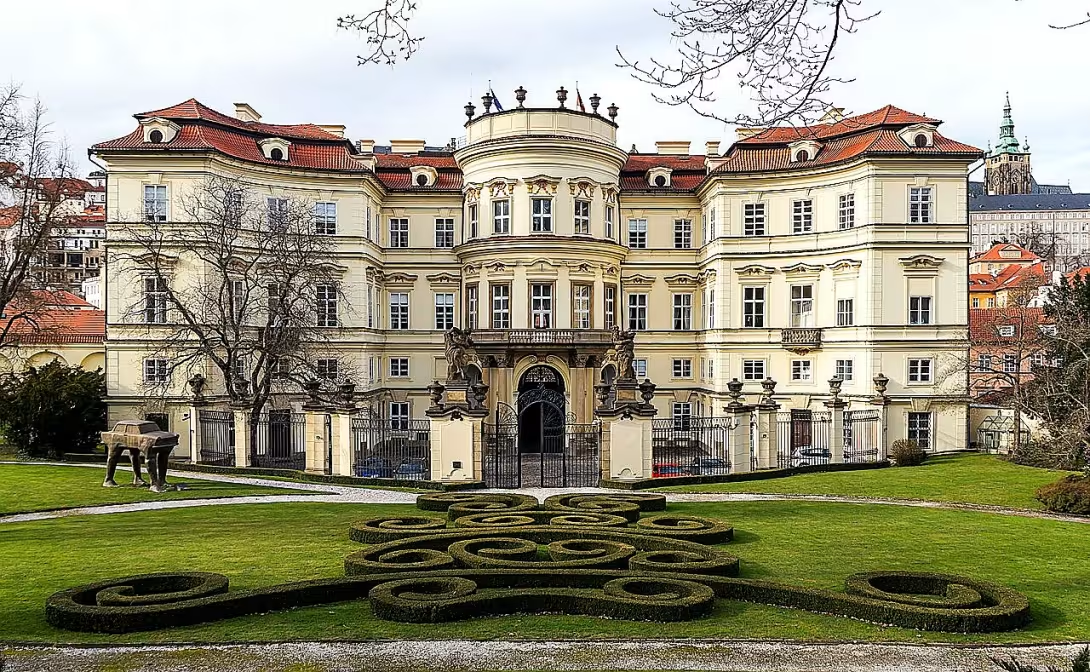
Lobkovický Palác stands as a baroque architectural marvel in Prague's Malá Strana district, located at Vlašská 347/19. Built initially in 1702 by František Karel Přehořovský z Kvasejovic, the palace has played significant roles throughout history, serving as both a cultural hub and diplomatic site. Today, it is notably recognized for housing the German Embassy.
The origins of Lobkovický Palác trace back to its construction on the site of an old brewery and house known as "U tří mušketýrů." Commissioned by František Karel Přehořovský z Kvasejovic, the palace was designed by Giovanni Battista Alliprandi. In 1713, due to financial difficulties, it was sold at auction and later acquired by the Lobkovic family in 1753. This transition marked a new chapter for the building as it became the Prague seat of their Hořínsko-Mělnická branch.
Architecturally, the palace underwent significant changes after a fire in 1769 when Ignác Palliardi was tasked with its redesign and expansion. His work included adding an upper floor, giving the structure its final form. The building features ornate facades on both street and garden fronts, showcasing the baroque style's characteristic grandeur.
Ownership of Lobkovický Palác has seen several transitions over the centuries. After the Lobkovic family acquired it in 1753, they maintained ownership until 1927 when they sold it to the Czechoslovak state for educational purposes. Over time, various institutions such as the Ministry of Education and Culture, the Slavonic Institute, and later the Chinese Embassy occupied the building. From 1974 onwards, following the restoration of diplomatic relations between Czechoslovakia and West Germany, the palace became the seat of the German Embassy.
The palace has witnessed numerous key events. In 1989, during the fall of the Berlin Wall, it played a pivotal role when Hans-Dietrich Genscher announced from its balcony that East Germans seeking asylum could leave for West Germany. This momentous event is commemorated by a sculpture titled "Quo vadis" (Trabant) by David Černý. Additionally, on September 17, 2023, the palace hosted the premiere of Rachel Danzigerová van Embden's opera "Die Dorfkomtesse," highlighting its ongoing cultural significance.
Today, Lobkovický Palác is not only a diplomatic site but also a cultural landmark. Visitors can appreciate its rich history and architectural beauty, including ornate facades and interior decorations. The palace's cupola hall, which has hosted concerts by renowned composers like Ludwig van Beethoven and Carl Maria von Weber, remains a testament to its historical importance.
Lobkovický Palác is more than just an embassy; it is a living piece of history that continues to captivate those who visit. Its blend of architectural elegance and storied past makes it a must-see for anyone exploring Prague's Malá Strana district.
Then and now
Drag the slider to compare how the landmark may have looked when it was built with the view today.
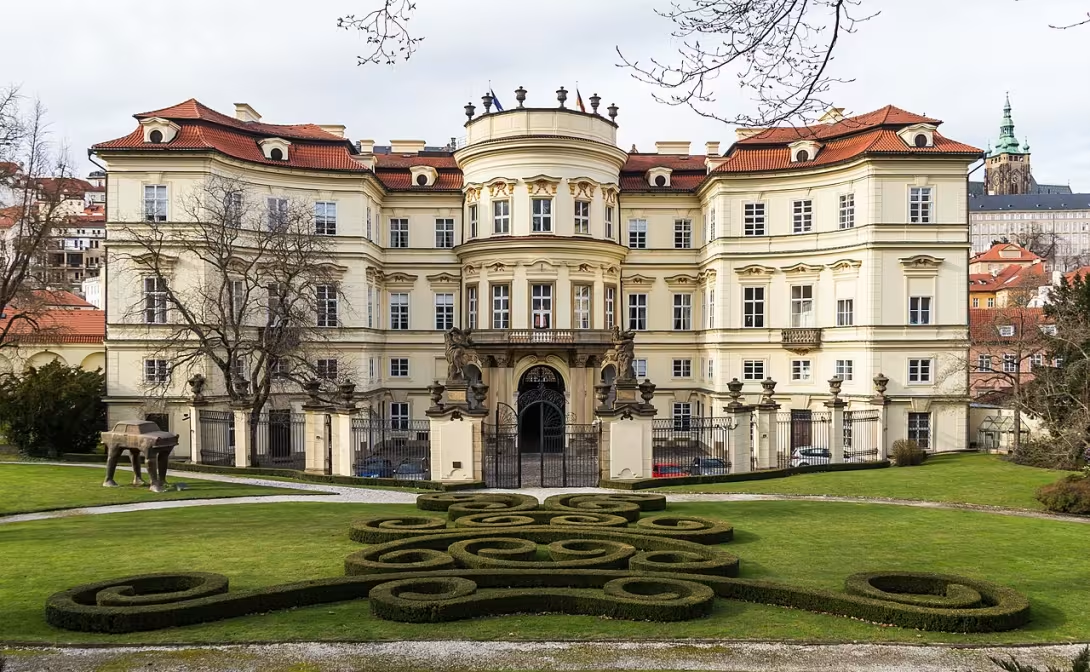

The historical appearance on the left is an AI-generated visualisation and serves as inspiration only.
Historical milestones
- 1989
- Hans-Dietrich Genscher announced from the balcony that East German asylum seekers could leave for West Germany.
Architectural development
The Lobkovický palác was initially designed by Giovanni Battista Alliprandi and later modified by Ignác Palliardi after a fire in 1769. These changes included the addition of an upper floor, giving the palace its final form. The building features ornate facades on both street and garden fronts.
Historical events
In 1769, Ignác Palliardi redesigned the palace after a fire, adding an upper floor.
On September 17, 2023, a modern opera premiere took place in the palace's cupola hall.
During the events of 1989, Hans-Dietrich Genscher announced from the balcony that East German asylum seekers could leave for West Germany.
Owners
František Karol Přehořovský z Kvasejovic (1702-1713)
Rod Lobkoviců (from 1753 onwards)
Points of interest
- The Lobkovický Palác was originally built on the site of an old brewery and house known as "U tří mušketýrů," which translates to "At the Three Musketeers." This quirky origin highlights a connection between its historical roots and popular culture.
- In 1989, during a pivotal moment in history, Hans-Dietrich Genscher announced from the balcony of Lobkovický Palác that East Germans seeking asylum could leave for West Germany. This announcement contributed to the fall of the Berlin Wall and is commemorated by David Černý's sculpture "Quo vadis" (Trabant) outside the palace.
- The building underwent a significant architectural transformation after a fire in 1769, when Ignác Palliardi was commissioned to redesign it. His work included adding an upper floor, which gave the palace its current grand baroque appearance, showcasing the style's characteristic ornate facades and grandeur.
- In 2023, Lobkovický Palác hosted the premiere of Rachel Danzigerová van Embden's opera "Die Dorfkomtesse," underscoring its ongoing role as a cultural hub in Prague. This event highlights the palace’s continuous contribution to the arts beyond its diplomatic functions.
- The cupola hall within Lobkovický Palác has hosted concerts by renowned composers such as Ludwig van Beethoven and Carl Maria von Weber, emphasizing its historical significance as a venue for prestigious musical performances throughout the centuries.
Guide
This guide is narrated by a synthetic voice generated by artificial intelligence.
Show guide text
This text was created by artificial intelligence and has not been editorially reviewed. It may contain inaccuracies.
Welcome! You are standing in front of one of the most beautiful Baroque palaces in Prague - the Lobkowicz Palace. Look up at its façade and notice the details that make it so exceptional.
Let's move through time and return to its origins. In 1702, František Karol Přehořovský of Kvasejovice had it built. The palace was originally constructed on the site of an old brewery and a house called U tří mušketýrů. This name might intrigue you as it evokes Alexandre Dumas's famous book.
Now, pay attention to the architecture. The palace was built in Baroque style, characterized by its rich and intricate ornamentation. Notice that the façade is adorned with stucco and sculptures.
The Lobkowicz Palace has a very rich history. It served as the residence for many notable figures, including members of the Lobkowitz family. In 1989, it became the palace from which Hans-Dietrich Genscher announced that East German refugees could leave for West Germany.
The palace is full of interesting details and stories. Notice that its façade is adorned with numerous sculptures and reliefs. These sculptures and reliefs are works by Italian sculptors Giovanni Battista Alliprandi and Ignazio Palliardini.
Whether you're visiting Prague for the first time or have visited several times, the Lobkowicz Palace is a place worth exploring. Please ask your guide to show you more interesting features and secrets of this beautiful palace.
Tips for visitors
The best time to visit Lobkovický palác is during the late spring or early fall when the weather is pleasant, allowing you to fully appreciate both the architectural beauty of the palace and its surrounding gardens. These seasons offer mild temperatures ideal for leisurely exploration without the crowds that can be common in peak tourist months like summer. Additionally, visiting during these times often means enjoying better lighting conditions for photography.
Parking near Lobkovický palác can be challenging due to its location in the historic Malá Strana district of Prague. Public transportation is recommended as a convenient alternative; you can use trams or buses that service the area. For those who prefer driving, look for parking options nearby and consider using a park-and-ride service if available. Always check current public transport routes online before your visit to ensure smooth travel.
When visiting Lobkovický palác, it's advisable to bring comfortable walking shoes as you'll likely be exploring both the palace interiors and its gardens. A camera is essential for capturing the stunning baroque architecture and scenic views of Prague’s skyline across the Vltava River. Don't forget a water bottle and perhaps some snacks if you plan on spending several hours at the site, especially during warmer months.
For photography enthusiasts, the best spots around Lobkovický palác include its gardens where natural light enhances the lush greenery and architectural details of the palace. Early morning or late afternoon are ideal times for capturing soft lighting conditions that highlight the baroque features. The view from the riverbank is also a popular spot for photographing the palace against the backdrop of Prague’s skyline.
Within 30 minutes, visitors can explore other historical sites such as the Church of St. Nicholas and the nearby Strahov Monastery with its famous library. These attractions offer additional cultural experiences that complement your visit to Lobkovický palác. The proximity allows for a well-rounded day trip exploring some of Prague’s most significant landmarks.
For families with children, Lobkovický palác offers an engaging experience with its beautiful gardens and interesting history. Consider bringing along a map or guidebook tailored for kids to make the visit more interactive. There are also plenty of open spaces where children can run around safely. A small picnic in the garden could be a delightful way to spend time together after exploring the palace.
Frequently asked questions
Can the monument be visited?
Yes. We verified the opening hours or admission on the official website (21. 9. 2026); you will find them in the visitor information on this page. Please double-check with the operator before you travel.
What are the opening hours and admission?
Details verified on the official website (21. 9. 2026) are listed in the visitor information on this page. Official website: https://www.lobkowicz.cz/
Where is the monument?
Location: Vlašská 347/19, Malá Strana, Praha, Hlavní město Praha. The map on this page shows the exact spot.
Why is the monument protected?
It is listed in the Central List of Cultural Monuments of the Czech Republic as a cultural monument (register no. 38886/1-776).
Businesses nearby
Do you run a restaurant, accommodation, shop, museum, rental, wellness or other visitor service near this monument? Show yourself directly to the people heading to it — this is how they will see you in the app and on the web:
Events nearby

Zdroj akcí: otevřená data měst a obcí ČR (Národní katalog otevřených dat) a kalendář akcí Národního památkového ústavu.
Nearby
Lobkovický palác is situated in Prague's Malá Strana district, near the Vltava River. The area features other historical sites and lush gardens that enhance its cultural landscape.
Accommodation nearby
Trips and activities nearby
Guided tours, tickets and activities nearby from GetYourGuide
Affiliate link: if you buy from the partner, we may receive a commission. The price for you does not change.
Search tours and activities →Themed route
Lobkovický palác and Malá Strana
1. Lobkovický palác (Palace) - This 18th-century Baroque palace is a must-visit for its stunning architecture and beautiful gardens. Explore its grand halls and learn about its rich history. 2. Wallenstein Garden (Garden) - A beautiful Baroque garden located just behind the palace, offering a peaceful escape from the city's hustle and bustle. Take a stroll through its picturesque paths and admire the beautiful fountains and statues. 3. St. Nicholas Church (Church) - A stunning Baroque church located in the heart of Malá Strana, known for its beautiful architecture and impressive organ. Take a moment to admire its interior and exterior decorations. 4. Wallenstein Square (Square) - A charming square located in the heart of Malá Strana, surrounded by beautiful buildings and historic landmarks. Take a moment to admire the square's unique atmosphere and take some photos. 5. Charles Bridge (Bridge) - A historic bridge located just a short walk from the palace, offering stunning views of the Vltava River and the city. Take a leisurely walk across the bridge and enjoy the views.
Seasonal recommendations
Jaro
Lobkowicz Palace is full of life and energy during the spring season. The green foliage of trees and flower beds creates a pleasant atmosphere, complemented by the romantic lighting of the palace. Visit when gardens and parks are starting to open but before peak season. We recommend visiting on Tuesday or Wednesday when there are fewer tourists. Don't forget to dress warmly, as it can still be chilly in spring weather.
Léto
Lobkowicz Palace is full of life and energy during the summer. The main summer season sees a large number of tourists and visitors, so it's best to arrive before 9:00 AM to avoid crowds. Gardens and parks are at their peak, providing beautiful settings for walks and relaxation. The atmosphere is relaxed and laid-back, ideal for family visits or romantic outings. Don't forget to dress warmly and enjoy local specialties in nearby cafés and restaurants.
Podzim
Lobkowicz Palace is full of color and life during the autumn season. The green foliage of trees changes into beautiful colors, complemented by the romantic lighting of the palace. The atmosphere is relaxed and calm, perfect for visiting with family or friends. We recommend visiting between 10:00 AM and 2:00 PM when there are fewer tourists. Don't forget to dress warmly, as it can still be chilly in autumn weather.
Zima
Lobkowicz Palace is full of romance and tranquility during the winter season. The palace's lighting is more dramatic, creating a pleasant atmosphere. Gardens and parks are less frequented in winter, offering peace and quiet. We recommend visiting between 10:00 AM and 2:00 PM when opening hours are shorter. Don't forget to dress warmly and prepare for inclement weather.
Visualizations and artistic views


The visualisations are generated by artificial intelligence and serve as inspiration.
Photos from the area
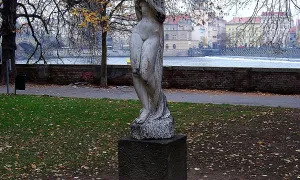
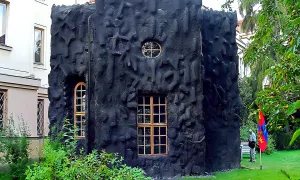
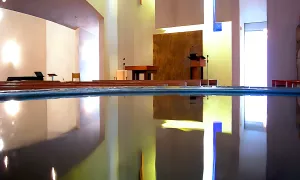
Real photos taken near the monument


Zdroj a licence jsou uvedeny u každého snímku.
Atmosphere of the place
This atmospheric visualisation of the place and period was generated by artificial intelligence. It is not real footage of the location.
Tips from visitors
No tips yet. Be the first!
Log in and add your tip.
Sources and literature
Photos: Raimond Spekking / CC BY-SA 4.0 — Wikimedia Commons. The author and licence also appear when you hover over the image.
Faktickým podkladem tohoto textu byl článek na Wikipedii, jehož autory jsou přispěvatelé Wikipedie. Článek je dostupný pod licencí CC BY-SA 4.0.
Location on the map

Příběhy a pověsti
Legendy, pověsti a příběhy spjaté s touto památkou
Fotografie návštěvníků
Zatím žádné fotografie. Buďte první, kdo přidá fotografii z návštěvy!
Log in a přidejte svou fotografii nebo hodnoťte.
Za ověřenou návštěvu v aplikaci získáte víc bodů — poznáme podle GPS, že jste na místě.
Reviews and comments