



Mariánský sloup (Litoměřice) Marian column
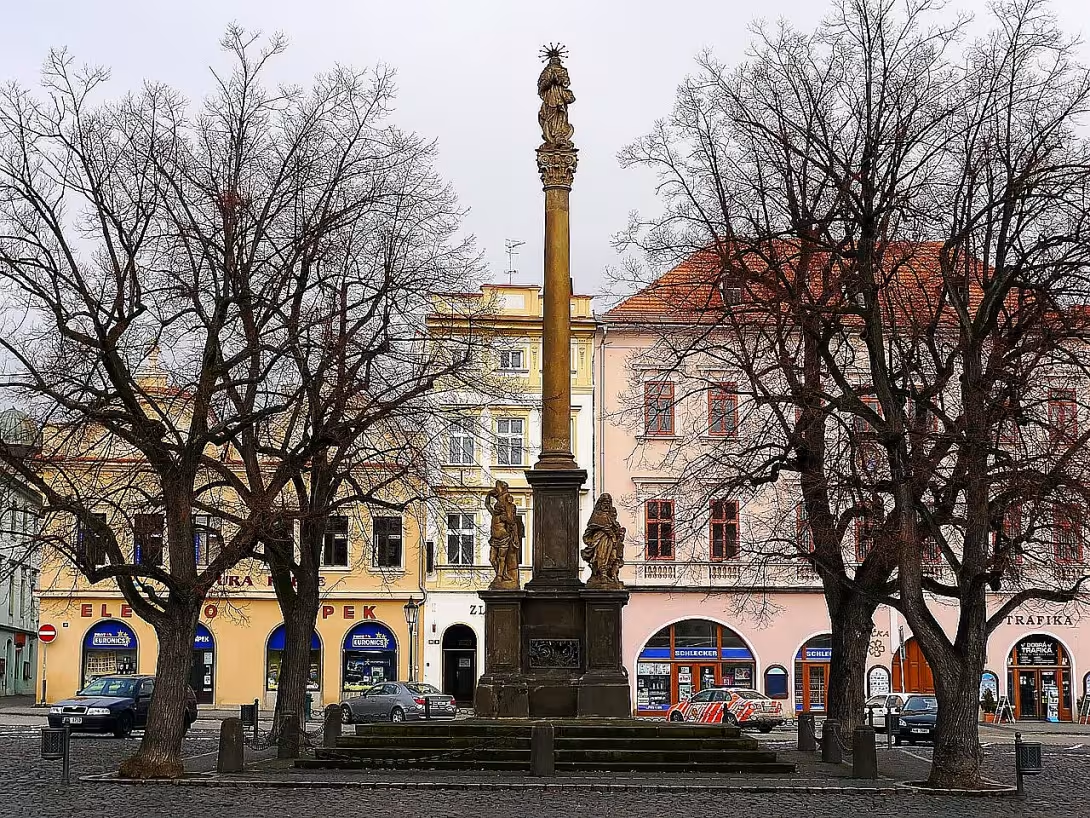
The Marian column in Litomerice is a Baroque monument on the Peace Square. It was built in the 17th century as a token of gratitude for overcoming the plague epidemic. Monumental protection has been in place since 1979 and the whole sculpture is important in its historical context and artistic processing.
In 1680, Litoměřice, like the whole country, was affected by a plague epidemic in which about 400 people died in the city. In the 1970s and 1980s, Czech countries repeatedly faced devastating plague wounds. Therefore, as a token of piety and gratitude for averting these disasters, baroque plains and Marian columns were created in many places. Out of gratitude for overcoming this event, the Baroque sculpture was built in Litoměřice between 1681 and 1685 and the column was consecrated on 13 April 1681.
This work was built according to the design by Giulia Broggio sculptor Abraham Kitzinger of Decin and lithomeric stonemakers Andreas Kolderer and Ambroz Wald. Immaculata is located at the top of the column. It is the iconographic type of the Virgin Mary standing on the crescent moon and the globe with a wrapped snake as a symbol of hereditary sin. On the sides of the sculptures there are four statues of patrons against the plague: St. Roch in the front on the right, St. Shebestian in the front on the left, St. Francis Xaverský in the back on the right and St. Felix in the back on the left. In the niche lies the statue of St. Rosalie. The statue of St. Felix is mistaken for St. Bartholomew. It is a martyr whose remains were brought to Litoměřice from Rome in 1676 by Bishop Jaroslav Ignác Šternberk, whose councilmen asked for approval to build a pillar.
In 1992, the original sculptures were replaced by copies. These were created by academic sculptors and restorer Čestmír Mudruňka and Ivo Hamáček. The original statues found their place in the depository of a former Jesuit church. In 2003 the column was restored by Pavel Míka.
A key moment in the history of the building was the plague epidemic in 1680 and subsequent construction in the 1980s. Later developments brought rescue of original works by moving them to the depository in 1992 and modern restoration in the early 21st century.
Today, this historic monument is located in the Peace Square in the middle of a group of Lips in the northern part of the area. It is part of a protected area with historical development. Visiting this place offers a view of the Baroque sculpture associated with the history of the city and the events of the 17th century.
Historical milestones
- 1680
- Litoměřice has been affected by a plague epidemic involving about 400 deaths.
- 1681
- The Marian pillar was ordained and its construction began.
- 1979
- The column has acquired the status of monument protection.
- 1992
- The original sculptures were replaced by copies from academic sculptors.
Architectural development
The Baroque sculpture was built according to the design by Giulia Broggio sculptor Abraham Kitzinger and lithomeric stonemakers. In the nineties of the twentieth century, original sculptures were replaced by copies and stored in the depository. At the beginning of the twenty-first century, the pillar underwent further restoration.
Historical events
In 1680, Litoměřice was affected by a plague epidemic. The Baroque sculpture was built between 1681 and 1685. In 1992, the original sculptures were replaced by copies.
Points of interest
- The column was built in the seventeenth century as a token of gratitude for overcoming the plague epidemic, in which about 400 people died in the city in 1680. - The work was built according to the design by Giulia Broggio sculptor Abraham Kitzinger and lithomeric stonemakers Andreas Kolderer and Ambroz Wald. - At the top of the pillar there is Immaculata as the Virgin Mary on the Crescent and the globe with a snake, with four statues of patrons against the plague on the sides and a statue of Saint Rosalie in the niche. - The statue of St. Felix is often mistaken for St. Bartholomew, with the remains of this martyr brought to the city in 1676 by Bishop Jaroslav Ignác Šternberk. - In 1992, the original sculptures were exchanged for copies from the sculptors and restorer Čestmír Mudrínka and Ivo Hamáček, the originals were stored in the depository and in 2003 the memory was restored by Pavel Míka.
Guide
Show guide text
This text was created by artificial intelligence and has not been editorially reviewed. It may contain inaccuracies.
Welcome to Litomerice, Peace Square. Right now, you are facing a unique historical monument, which is a Marian pillar, which is also known in our city as a plague pillar. Take a look around you and let the atmosphere of this area, at the centre of which this noble building is erected. There is a monument in front of you that carries deep stories of gratitude, an art championship, and also a reminder of the dark times that the inhabitants of the past had to go through.
Let's go back together in time to the second half of the seventeenth century to understand why this column actually came into being. The year one thousand six hundred and eighty has entered the history of Litomeric in very black letters. The city was affected by a devastating plague epidemic that claimed massive human losses. Around 400 people died in the streets at the time. It was an extremely difficult test for the people here, full of fear and despair. When this terrible disease was finally overcome and life slowly returned to its tracks, gratitude for the rescue led to a decision to build a lasting reminder of God's grace. In the year one thousand six hundred and eighty-one, this Marian pillar was ceremonially consecrated and its construction began at this moment.
Now pay attention to the architecture itself and the details you see before you. The whole work was built according to the design of the important builder Giulio Broggio. Other people, especially talented sculptor Abraham Kitzinger and skilled lithomeric stonemakers Andreas Kolderer and Ambrož Wald, were also involved in its creation. Look slowly up at the top of the pole. There you will find a statue of the so-called Immaculata, the immaculate Virgin Mary, standing on the Crescent and the Earth. When you look down a little bit lower, notice the side planks. On them are the statues of four patrons who were to protect the city against the plague. And don't forget to look for a niche in which the statue of St. Rosalie lies peacefully, which is another important protector of this malignant disease.
However, the story of this monument did not close in the seventeenth century, but it is written continuously further. Over the long centuries, the pillar has passed through a series of transformations and fates. In the year one thousand nine hundred seventy-nine, this monument obtained the official status of monument protection, underlining its extraordinary importance for the Czech cultural heritage. A little later, in the year one thousand nine hundred ninety-two, a major event took place. The original historical sculptures were then replaced by faithful copies, which were created by experienced academic sculptors, including names such as Jaroslav Ignác Šternberk, Čestmír Mudruňka, Ivo Hamáček and Pavel Míka, for the sake of rescue and against the Destruction of the Weather. With this monument is thus connected a number of generations of artists and restoreers who have taken care to make its message last for future generations.
When you think about what this column has experienced, you realize it's not just a cold piece of stone, it's a witness to human hope in the hardest moments. The inhabitants of Litoměřice have put all their former and faith in a better tomorrow into its construction. Every sight of the figures of the saints on the plains reminds us how much our ancestors valued each day won over a deadly disease.
We now invite you to further explore our beautiful city. Take a walk around the surrounding square, see the historical atmosphere of Litoměřice and discover other clues that people have left over the centuries. Thank you for listening to our audio guide, we wish you a wonderful experience from the tour and goodbye.
Tips for visitors
For the tour of this monument column it is best to choose the morning hours, when the sunlight ideally radiates sculpture decoration and allows a detailed view of historical artistic details. Since the work is freely in space, you can see it at any time of the day without any time limits.
The actual means of transport can be left on one of the weaning areas in the wider vicinity of the historical core.
To get the best pictures, stand slightly away from the main activity, where you can capture the column in combination with the surrounding historical development, while the softest light for photography offers late afternoon.
In the immediate vicinity of this place you can admire the entire Peace Square with its preserved historical development and also visit the nearby former Jesuit church, which complements the spiritual nature of the whole location.
Frequently asked questions
Can the monument be visited?
This is a structure in a public space that can usually be seen from outside free of charge. We have not verified that this particular one is freely accessible.
Where is the monument?
Location: Litoměřice. The map on this page shows the exact spot.
Why is the monument protected?
It is listed in the Central List of Cultural Monuments of the Czech Republic as a cultural monument (register no. 1000150305).
Businesses nearby
Do you run a restaurant, accommodation, shop, museum, rental, wellness or other visitor service near this monument? Show yourself directly to the people heading to it — this is how they will see you in the app and on the web:
Events nearby


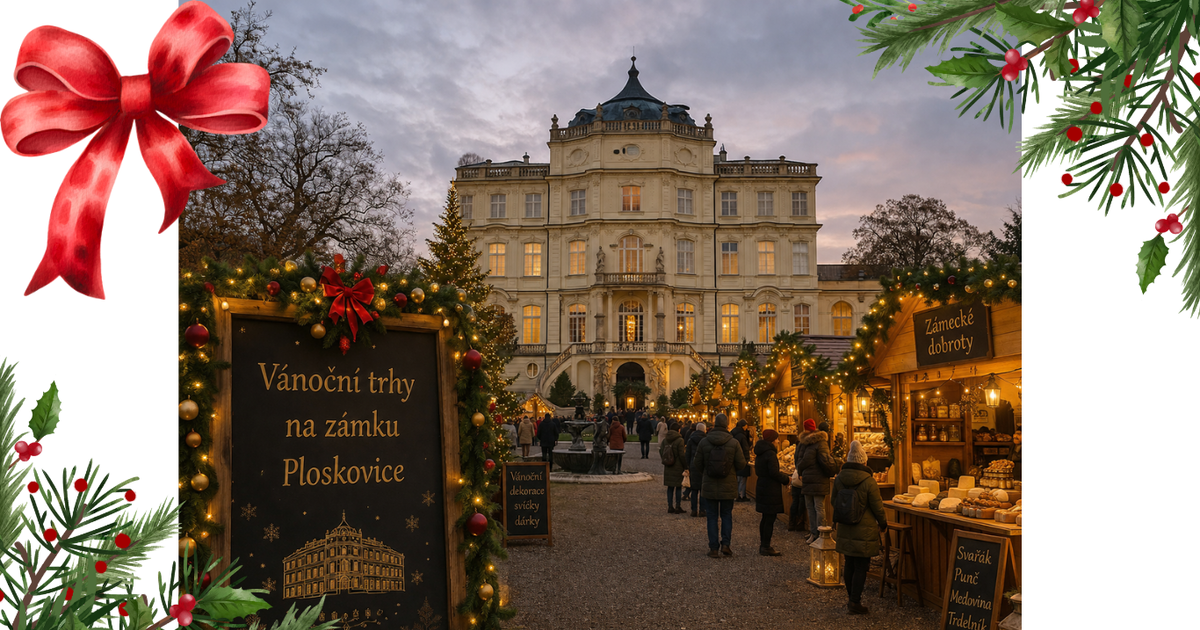
Zdroj akcí: otevřená data měst a obcí ČR (Národní katalog otevřených dat) a kalendář akcí Národního památkového ústavu.
Nearby
Mírový náměstí v Litoměřicích s historickou zástavbou a bývalý jezuitský kostel v nedalekém okolí.
Accommodation nearby
Trips and activities nearby
Guided tours, tickets and activities nearby from GetYourGuide
Affiliate link: if you buy from the partner, we may receive a commission. The price for you does not change.
Search tours and activities →Themed route
Here is the design of the thematic route:
1. Peace Square (historical centre) - Walk between houses with rich history, which represents the heart of the city. 2. Marian Column (memorial) - The main destination of the journey, which stands as an important symbol of faith and beauty in the middle of the square. 3. Former Jesuit church (sacral building) - A magnificent building near the square, which captures its architecture and spiritual atmosphere.
Seasonal recommendations
In spring, the surroundings are awakening to life and the fresh green creates a fresh contrast to the surface of the monument. Light is soft in this period, which is ideal for observing the details of statues. We recommend light but laminated clothing and a visit in the morning when the air is the cleanest.
In the summer months, clear sun and hot air dominate space. The monument stands out in a sharp light that highlights its height. Due to high temperatures and more people on the streets, it's best to leave early in the morning or at dusk. Don't forget the headgear and plenty of water.
Autumn brings golden colors to the city with leaves and melancholy atmosphere. The lighting is more saturated and with low sun, interesting shadows are created. It is suitable for waterproof clothes and shoes because the weather is unstable. The ideal time for a visit is the afternoon when the colors of the surrounding area shine most.
In winter, the column works very strictly, especially if it is covered with snow or freezing. The atmosphere is quieter, and in advent time the surroundings are lit, which gives the monument a cozy touch. It is necessary to wear warm winter clothes and solid shoes to avoid slipping on the frozen surface.
Visualizations and artistic views

The visualisations are generated by artificial intelligence and serve as inspiration.
Photos from the area
Real photos taken near the monument


Zdroj a licence jsou uvedeny u každého snímku.
Tips from visitors
No tips yet. Be the first!
Log in and add your tip.
Sources and literature
Photos: H2k4 / CC BY-SA 3.0 — Wikimedia Commons. The author and licence also appear when you hover over the image.
Faktickým podkladem tohoto textu byl článek na Wikipedii, jehož autory jsou přispěvatelé Wikipedie. Článek je dostupný pod licencí CC BY-SA 4.0.
Location on the map


Příběhy a pověsti
Legendy, pověsti a příběhy spjaté s touto památkou
Fotografie návštěvníků
Zatím žádné fotografie. Buďte první, kdo přidá fotografii z návštěvy!
Log in a přidejte svou fotografii nebo hodnoťte.
Za ověřenou návštěvu v aplikaci získáte víc bodů — poznáme podle GPS, že jste na místě.
Reviews and comments