






Menhartovský palác Palace
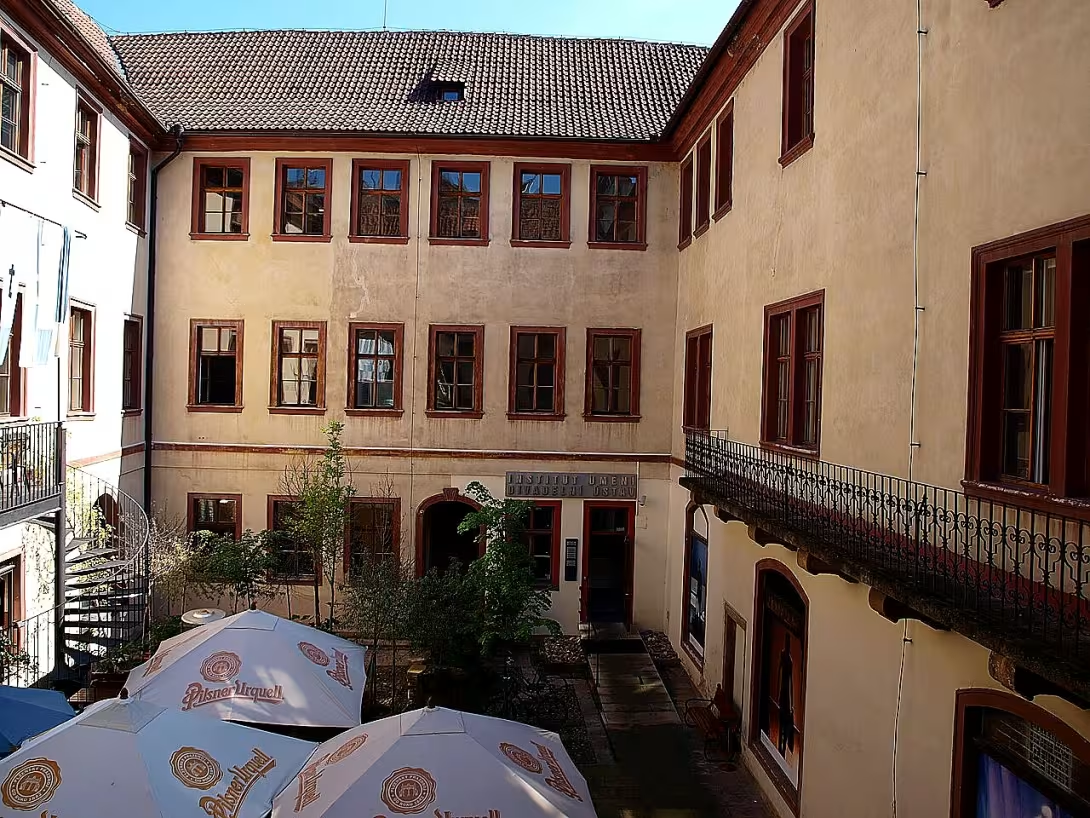
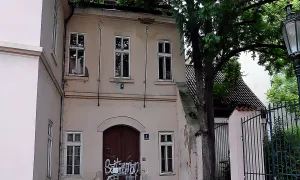
Menhartovský Palác stands as a testament to Prague's rich architectural history. Located in Staré Město between Celetná and Štupartská streets, it was constructed around 1700 on the site of several older houses. This Baroque palace is notable for its blend of Baroque and Classical facades, reflecting an evolution in style over time. Today, it serves as home to Divadlo v Celetné and the Institute of Arts – Theatre Institute, making it a significant cultural landmark.
The origins of Menhartovský Palác trace back to when Bohemia was part of the Habsburg Monarchy, experiencing a flourishing Baroque culture. The palace was built on land that previously hosted several medieval houses, with the earliest documented mention dating back to 1402 and another in 1413 under the name "U koz." Following the Hussite Wars, these properties were expanded into what would become the current structure of the palace. Notable historical figures such as Kryštof Harant z Polžic a Bezdružic and Adam z Valdštejna once owned parts of this land.
Architecturally, Menhartovský Palác showcases significant Baroque elements from its early 18th-century reconstruction, likely undertaken by Vít Václav Kaňka and his son František Maxmilián Kaňka. The building's facades are a mix of Baroque and Classical styles, with the latter possibly influenced by architect František Heger in the late 18th century. This blend is evident as the palace stretches across the block between Štupartská and Celetná streets.
Ownership of Menhartovský Palác has changed hands several times throughout its history, reflecting shifts in fortune and purpose. After being built around 1700, it was owned by Jan Kristian Stubig and later by Jan Bedřich Manhart. In the early 18th century, František Mikuláš Hartmann z Klarsteinu acquired the palace, during which time artist Jan Petr Molitor resided there and created frescoes that no longer exist. By 1752, the Order of Pious Schools (piaristé) purchased the palace to use as a college, marking another significant chapter in its history.
The palace has witnessed several key events, including its transformation into an educational institution under the piarists and later becoming a site for manufacturing luxury textiles like silk fabrics. These changes highlight the building's adaptability and enduring significance over centuries. Additionally, Menhartovský Palác houses intriguing artistic elements such as a wooden sculpture of Hercules with a lion by Jan Jiří Bendl from the late 17th century and a replica of Lehkomyslnost from Matyáš Bernard Braun’s Virtues series in its courtyard.
Today, Menhartovský Palác is not only an architectural marvel but also a vibrant cultural hub. It hosts performances at Divadlo v Celetné and serves as the location for the Institute of Arts – Theatre Institute. Visitors can explore its rich history and appreciate its unique blend of Baroque and Classical architecture. The palace's historical significance, combined with its current role in Prague’s artistic community, makes it a must-visit destination for anyone interested in experiencing the city's cultural heritage firsthand.
Then and now
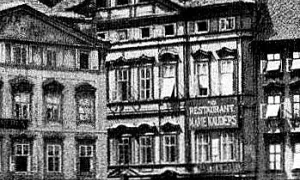
Drag the slider to compare how the landmark may have looked when it was built with the view today.
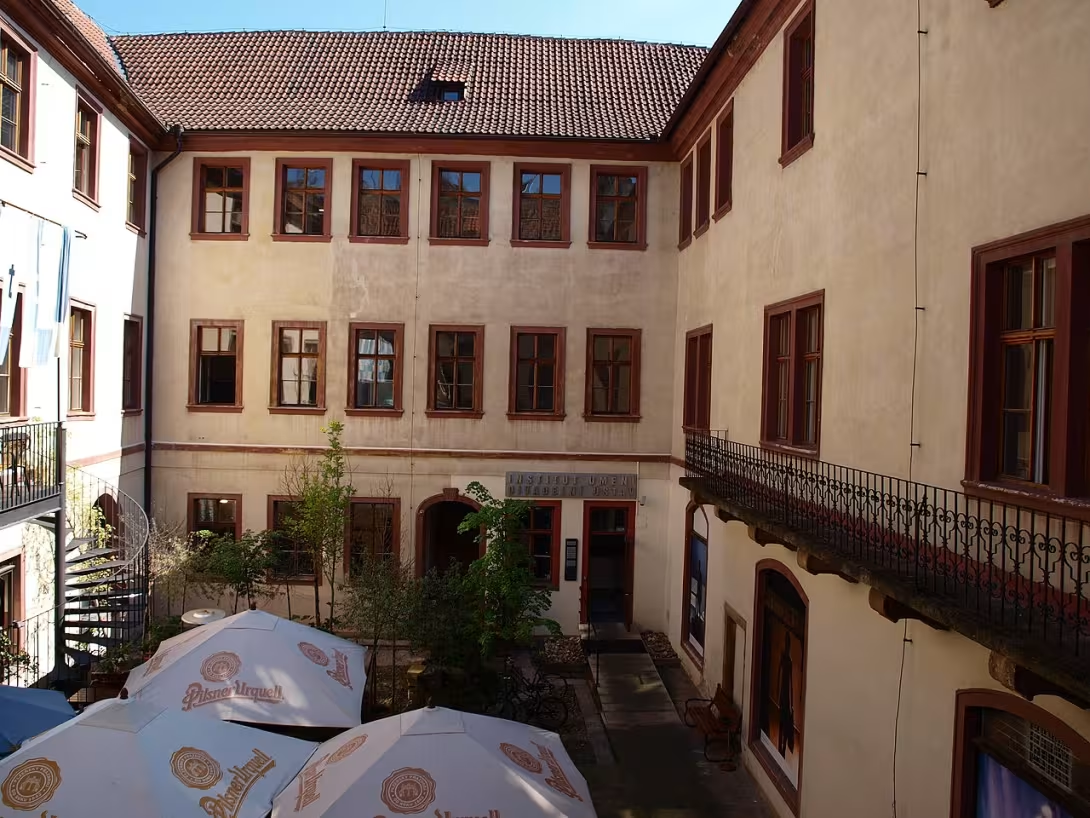
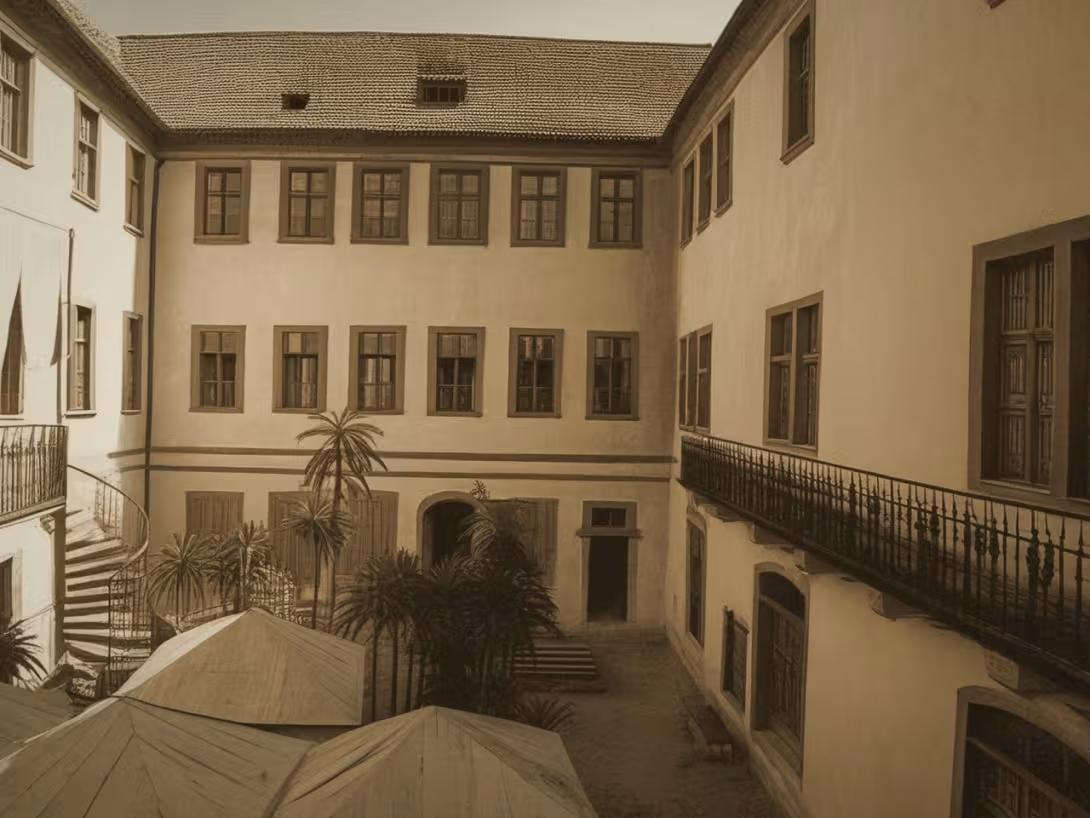
The historical appearance on the left is an AI-generated visualisation and serves as inspiration only.
Historical milestones
- 1402
- Oldest mention of the land under Menhart's Palace.
- 1413
- Record of property 'U koz' at the site of the future palace.
- 1700
- Construction of Menhart's Palace began.
- 1752
- The Piarists bought the palace for use as a college.
Architectural development
The palace underwent significant Baroque reconstruction in the early 18th century. It was later modified in a Classical style around the late 18th century, possibly by František Heger. The building's facades reflect these stylistic changes.
Historical events
Baroque reconstruction around early 18th century by Vít Václav Kaňka and František Maxmilián Kaňka.
Acquisition by the Order of Pious Schools in 1752, leading to its use as a college.
Owners
Jan Kristian Stubig (post-1700)
Jan Bedřich Manhart
František Mikuláš Hartmann z Klarsteinu
Řád zbožných škol (piaristé) from 1752
Points of interest
- The Menhartovský Palác was originally built on land that had been home to medieval houses as early as 1402, with one of the properties being known as "U koz" in 1413, reflecting its long-standing historical roots.
- During its history, the palace served as a residence for artist Jan Petr Molitor, who created frescoes there during František Mikuláš Hartmann z Klarsteinu's ownership; however, these artworks have since disappeared, leaving only historical records of their existence.
- The Order of Pious Schools (piaristé) acquired Menhartovský Palác in 1752 to use it as a college, marking its transformation into an educational institution and reflecting the building’s adaptability over time.
- A unique artistic element within the palace is a wooden sculpture of Hercules with a lion by Jan Jiří Bendl from the late 17th century, showcasing the rich artistic heritage embedded in the structure.
- In its courtyard stands a replica of Lehkomyslnost from Matyáš Bernard Braun’s Virtues series, adding to the cultural and historical depth experienced by visitors today.
Guide
This guide is narrated by a synthetic voice generated by artificial intelligence.
Show guide text
This text was created by artificial intelligence and has not been editorially reviewed. It may contain inaccuracies.
Welcome to the historic Menhartovský Palác, nestled in the heart of Prague's Old Town. As you stand here, take a moment to absorb the grandeur before you—a testament to centuries of history and architectural evolution. The palác presents an exquisite blend of Baroque and Classical facades, inviting you to explore its storied past.
The origins of this site trace back to 1402 when it was first mentioned in historical records. By 1413, a property known as "U koz" stood here, hinting at the area's long-standing significance. Fast forward to around 1700, and construction began on what would become Menhartovský Palác, built upon these medieval foundations.
Architects Vít Václav Kaňka and František Maxmilián Kaňka were instrumental in shaping the palác's distinctive appearance. As you look around, notice the harmonious blend of architectural styles that define its façade—a dialogue between Baroque exuberance and Classical restraint.
Throughout its history, Menhartovský Palác has been a witness to many pivotal moments and figures. In 1752, it became part of the educational landscape when Piarist monks acquired it for use as a college. It later served as a residence for the artist Jan Petr Molitor, adding another layer to its rich tapestry.
One fascinating aspect is the palác's transformation over time—from medieval houses to a brewery and eventually an educational institution. This evolution reflects not only architectural changes but also shifts in societal roles and functions.
As you continue your exploration, let yourself be drawn into the stories of historical figures like Kryštof Harant z Polžic a Bezdružic and Adam z Valdštejna, whose lives intersected with this place. Their presence adds depth to the narrative tapestry that is Menhartovský Palác.
Before you move on, take a moment to ponder the mysteries and stories embedded within these walls. Each stone seems to whisper tales of past eras, inviting you to delve deeper into its history.
Thank you for joining me on this journey through time at Menhartovský Palác. I encourage you to continue exploring Prague's Old Town, where every corner holds a new discovery. Until next time, farewell and happy travels!
Tips for visitors
The best time to visit Menhartovský Palác is during the late spring or early fall when the weather is pleasant, allowing you to comfortably explore both the interior of the palace and its surrounding historical area. These seasons offer mild temperatures and fewer crowds compared to summer, enhancing your experience as you admire the Baroque architecture and vibrant atmosphere of Prague's Old Town.
Getting to Menhartovský Palác is convenient via public transportation or by car. The palace is located between Celetná and Štupartská streets, making it easily accessible from several tram lines that serve the Old Town. If you're driving, there are parking options available in the vicinity, though spaces can be limited during peak tourist seasons. It's advisable to check current public transport routes or nearby parking availability online before your visit.
When visiting Menhartovský Palác, it’s a good idea to bring comfortable walking shoes as exploring the Old Town involves navigating cobblestone streets and stairs. A camera is recommended to capture the stunning Baroque details of the palace and its surroundings. Additionally, carrying a map or using a navigation app can help you discover other nearby attractions efficiently.
Photography enthusiasts will find several spots around Menhartovský Palác ideal for capturing its architectural beauty. The morning light provides soft illumination that highlights the intricate façade details, while late afternoon offers dramatic shadows and warm tones. Inside, natural lighting through windows enhances the interior's Baroque features, making it a great time to take photos.
Nearby attractions within 30 minutes include Prague Castle, which is just a short walk away across Charles Bridge, offering breathtaking views of the city. Visitors can also explore Wenceslas Square and Old Town Square, both rich in history and cultural significance. For families with children, these areas provide plenty of sights to see, including historic sites and lively markets.
Frequently asked questions
Can the monument be visited?
Yes. We verified the opening hours or admission on the official website (19. 9. 2026); you will find them in the visitor information on this page. Please double-check with the operator before you travel.
What are the opening hours and admission?
Details verified on the official website (19. 9. 2026) are listed in the visitor information on this page. Official website: https://lumia.gallery/
Where is the monument?
Location: Celetná 595/17, Staré Město, Praha, Hlavní město Praha. The map on this page shows the exact spot.
Why is the monument protected?
It is listed in the Central List of Cultural Monuments of the Czech Republic as a cultural monument (register no. 44529/1-327).
Businesses nearby
Do you run a restaurant, accommodation, shop, museum, rental, wellness or other visitor service near this monument? Show yourself directly to the people heading to it — this is how they will see you in the app and on the web:
Events nearby

Zdroj akcí: otevřená data měst a obcí ČR (Národní katalog otevřených dat) a kalendář akcí Národního památkového ústavu.
Nearby
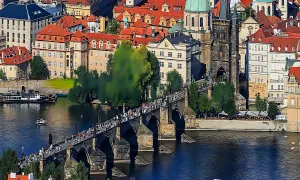
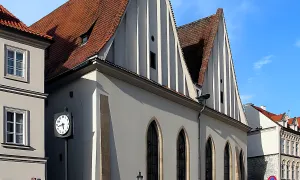
The palace is situated between Celetná and Štupartská streets in Prague's Old Town, surrounded by historical buildings and cultural landmarks.
Accommodation nearby
Trips and activities nearby
Guided tours, tickets and activities nearby from GetYourGuide
Affiliate link: if you buy from the partner, we may receive a commission. The price for you does not change.
Search tours and activities →Themed route
Thematic Walking Tour: Menhartovský Palác and Surroundings
1. Menhartovský Palác (Palace) - Type: Historical Building - Why Visit: This exquisite Renaissance palace, located between Celetná and Štupartská streets in Prague's Old Town, is a testament to the architectural elegance of its era. Its rich history and stunning design make it an essential stop for anyone interested in exploring Prague’s cultural heritage.
2. Celetná Street - Type: Historic Street - Why Visit: Just a short walk from Menhartovský Palác, Celetná Street is one of the most famous and picturesque streets in Prague's Old Town. Known for its beautiful baroque facades and vibrant atmosphere, it offers a glimpse into the city’s past with landmarks like the Dancing House nearby.
3. Štupartská Street - Type: Historic Street - Why Visit: Adjacent to Menhartovský Palác, Štupartská Street is less crowded than Celetná but equally charming. This street provides a quieter exploration of the area’s historical architecture and offers an intimate experience of Prague's urban landscape.
4. Church of St. James of the Sword - Type: Religious Site - Why Visit: Situated near Menhartovský Palác, this church is notable for its unique architectural style and historical significance. It serves as a cultural landmark that reflects the religious heritage intertwined with Prague's history.
5. Old Town Square (Staroměstské náměstí) - Type: Historic Square - Why Visit: A short walk from Menhartovský Palác, this iconic square is the heart of Prague’s Old Town. Known for its stunning Astronomical Clock and vibrant atmosphere, it offers a perfect conclusion to your tour with its rich history and lively cultural scene.
This walking tour provides an immersive experience into the historical and architectural beauty surrounding Menhartovský Palác in Prague's Old Town.
Seasonal recommendations
Spring: The arrival of spring at Menhartovský Palace brings a vibrant transformation as the surrounding gardens and streets of Staré Město bloom with colorful flowers, creating a picturesque setting for visitors. The gentle warmth of the season often results in soft, diffused lighting that enhances the architectural details of the palace. As nature awakens, it's an ideal time to explore outdoor spaces at a leisurely pace. Visitors should consider wearing comfortable layers as temperatures can vary throughout the day and prepare for occasional showers typical of spring weather.
Summer: Summer is the peak season for visiting Menhartovský Palace, with long days offering extended hours for exploration under bright sunlight that highlights the palace's intricate features. The bustling atmosphere of Staré Město during this time provides a lively backdrop to your visit. To avoid large crowds, it's advisable to arrive early in the morning or later in the afternoon. Dressing in light, breathable clothing and wearing sunscreen is recommended due to the intense summer heat.
Autumn: Autumn at Menhartovský Palace offers a serene experience as the leaves change color, casting a warm, golden hue over the historic surroundings of Staré Město. The cooler temperatures create a cozy atmosphere, perfect for enjoying outdoor cafes or strolling through nearby streets adorned with seasonal decorations. As days shorten, visitors should plan their visit during daylight hours to fully appreciate the palace's beauty in softer lighting conditions. Layered clothing is recommended to stay comfortable as temperatures can fluctuate.
Winter: Winter transforms Menhartovský Palace into a magical setting with snow-covered rooftops and festive lights that illuminate Staré Město, creating an enchanting atmosphere. The shorter days mean visiting hours are more limited, so it's wise to check the palace's schedule in advance. The chilly weather necessitates warm clothing, including coats, hats, gloves, and scarves, to ensure a comfortable visit. Despite potential crowds during holiday seasons, the winter charm of Prague adds an extra layer of allure to your experience at this historic site.
Visualizations and artistic views


The visualisations are generated by artificial intelligence and serve as inspiration.
Photos from the area
Real photos taken near the monument


Zdroj a licence jsou uvedeny u každého snímku.
Atmosphere of the place
This atmospheric visualisation of the place and period was generated by artificial intelligence. It is not real footage of the location.
Tips from visitors
No tips yet. Be the first!
Log in and add your tip.
Sources and literature
Photos: VitVit / CC BY-SA 3.0 — Wikimedia Commons. The author and licence also appear when you hover over the image.
Faktickým podkladem tohoto textu byl článek na Wikipedii, jehož autory jsou přispěvatelé Wikipedie. Článek je dostupný pod licencí CC BY-SA 4.0.
Location on the map

Příběhy a pověsti
Legendy, pověsti a příběhy spjaté s touto památkou

Fotografie návštěvníků
Zatím žádné fotografie. Buďte první, kdo přidá fotografii z návštěvy!
Log in a přidejte svou fotografii nebo hodnoťte.
Za ověřenou návštěvu v aplikaci získáte víc bodů — poznáme podle GPS, že jste na místě.
Reviews and comments