






Millesimovský palác Palace
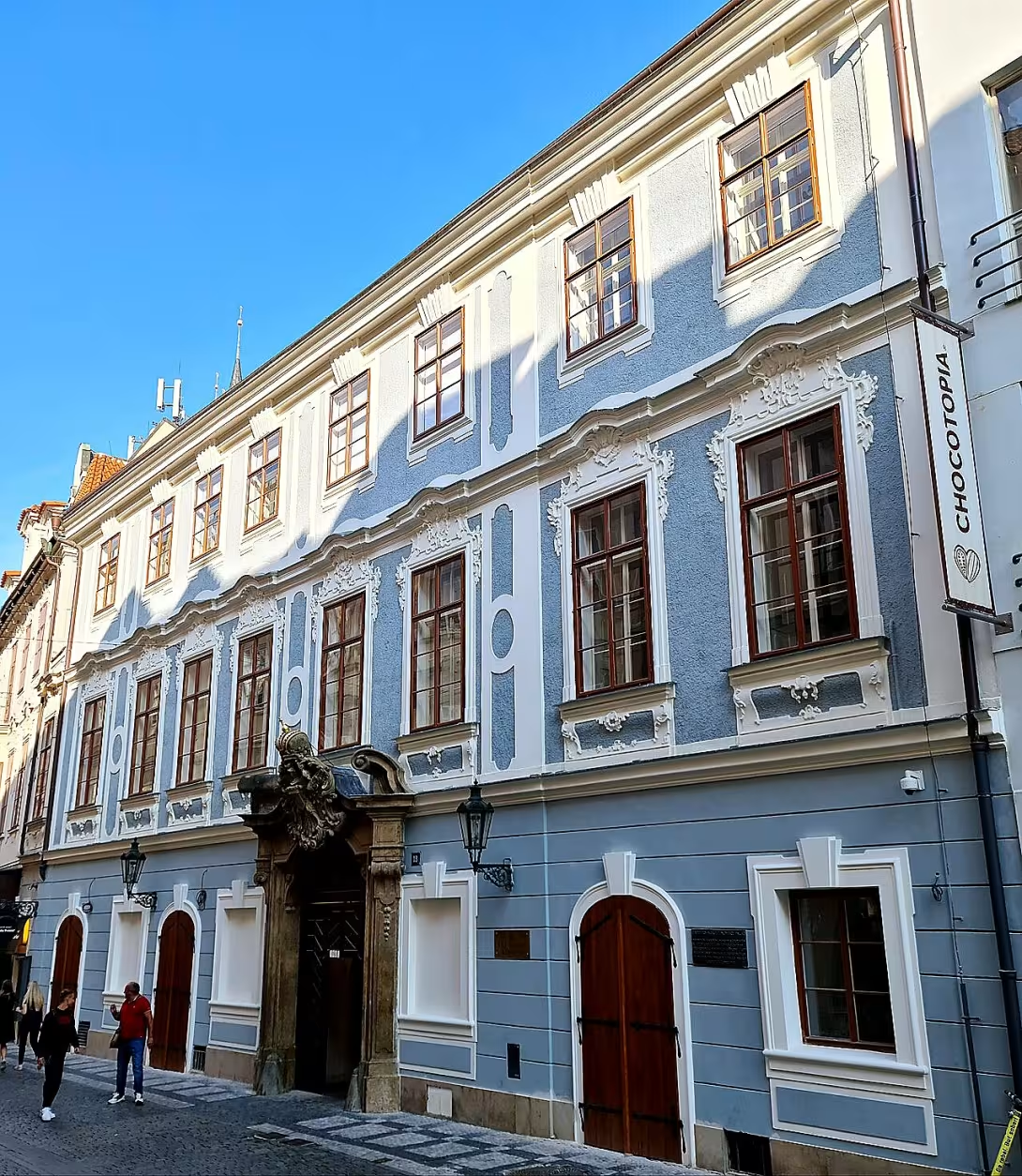
Millesimovský Palace stands as a testament to Baroque grandeur in Prague's historic Old Town. Located at Celetná 597/13, this architectural gem dates back to its completion in 1756 and has been recognized as a cultural monument of the Czech Republic since 1964. Its significance lies not only in its ornate design but also in its rich history, having served various roles from a noble residence to an academic institution.
The origins of Millesimovský Palace trace back to Romanesque and Gothic structures that once occupied the site. By the mid-18th century, it underwent a significant transformation into its current Baroque form. Historical sources suggest architects Anselmo Martin Lurago or František Ignác Prée were responsible for this redesign. The palace's evolution reflects broader architectural trends in Bohemia during the Habsburg Monarchy era when Baroque influence was prominent.
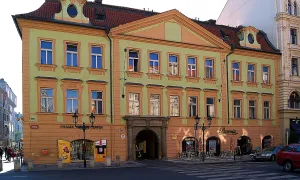
Architecturally, Millesimovský Palace is a four-winged structure with its main wing facing Celetná and a rear wing along Štupartské. The building features a two-story design enclosing an oblong, covered courtyard. Notably, the first floor boasts Rococo stucco decorations, adding to its aesthetic appeal. The main façade in Celetná is distinguished by a monumental stone portal with voluted pediment and coat of arms, while the rear façade remains more subdued.
Ownership of the palace has changed hands several times throughout history. Initially owned by the Černínové family, it later passed to the Hrzánové z Harrasova and subsequently the Vratislavů z Mitrovic in the 17th century. In the early 18th century, Count Kryštof Cavriani acquired the property, initiating its Baroque transformation. The completion of this architectural metamorphosis was achieved by Jan Josef Caretto-Millesimo in 1756.
Throughout its history, Millesimovský Palace has witnessed various significant events and transformations. In 1848, it served as a residence for priest and mathematician professor Josef Jandera. By the 1970s, the palace had been adapted into a school facility with a library for Ústav marxismu-leninismu. Since 1990, it has been utilized by Charles University, reflecting its continuous adaptation to meet contemporary needs.
Today, Millesimovský Palace remains an integral part of Prague's cultural landscape. Its historical and architectural significance makes it a worthwhile visit for those interested in exploring the city's rich heritage. Located amidst other notable landmarks like the Charles Bridge and Prague Castle, the palace offers a glimpse into the past while continuing to serve educational purposes. Visitors are invited to appreciate its enduring legacy and the stories embedded within its walls.
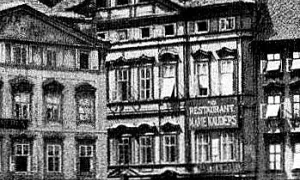
Then and now
Drag the slider to compare how the landmark may have looked when it was built with the view today.
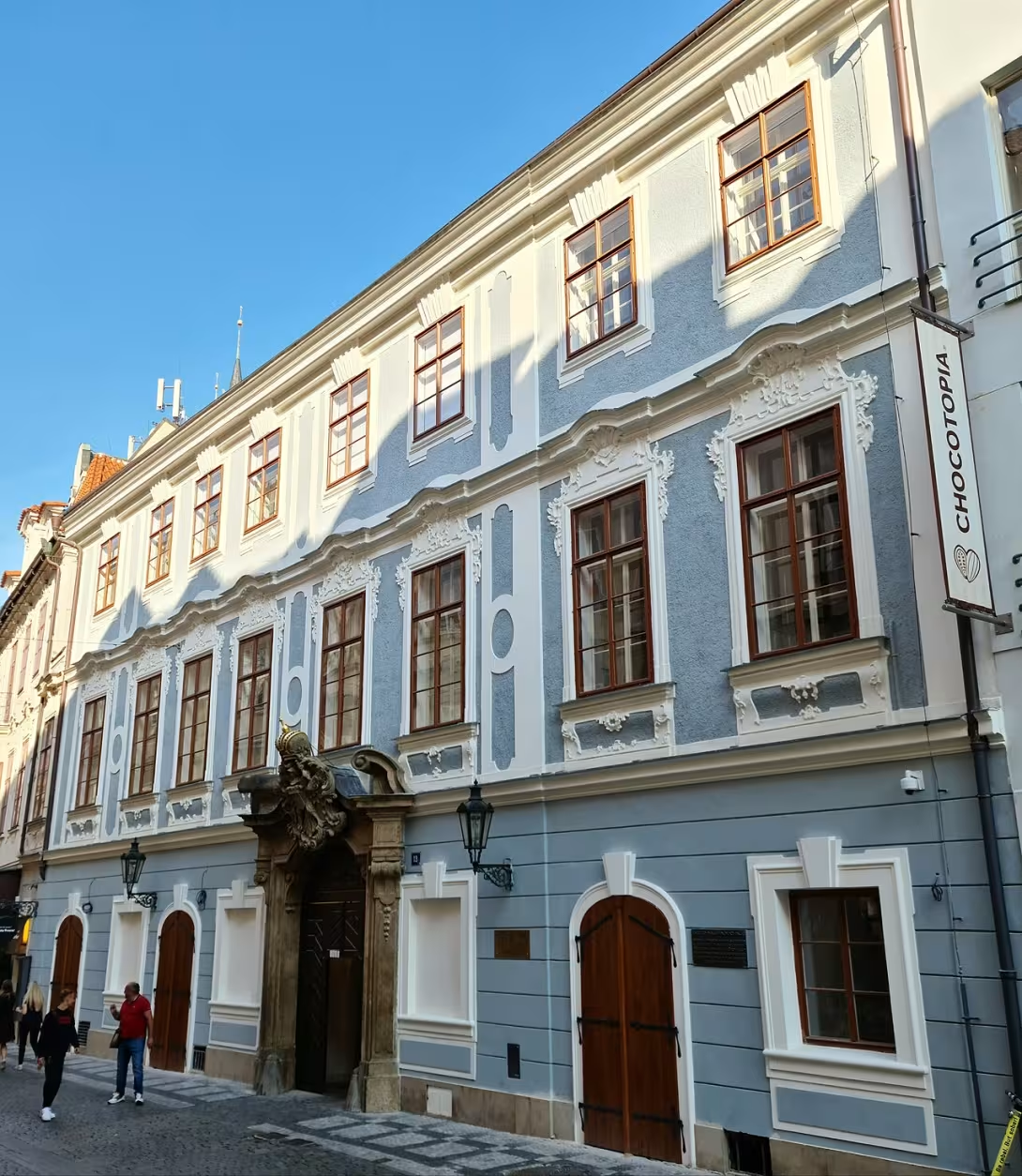
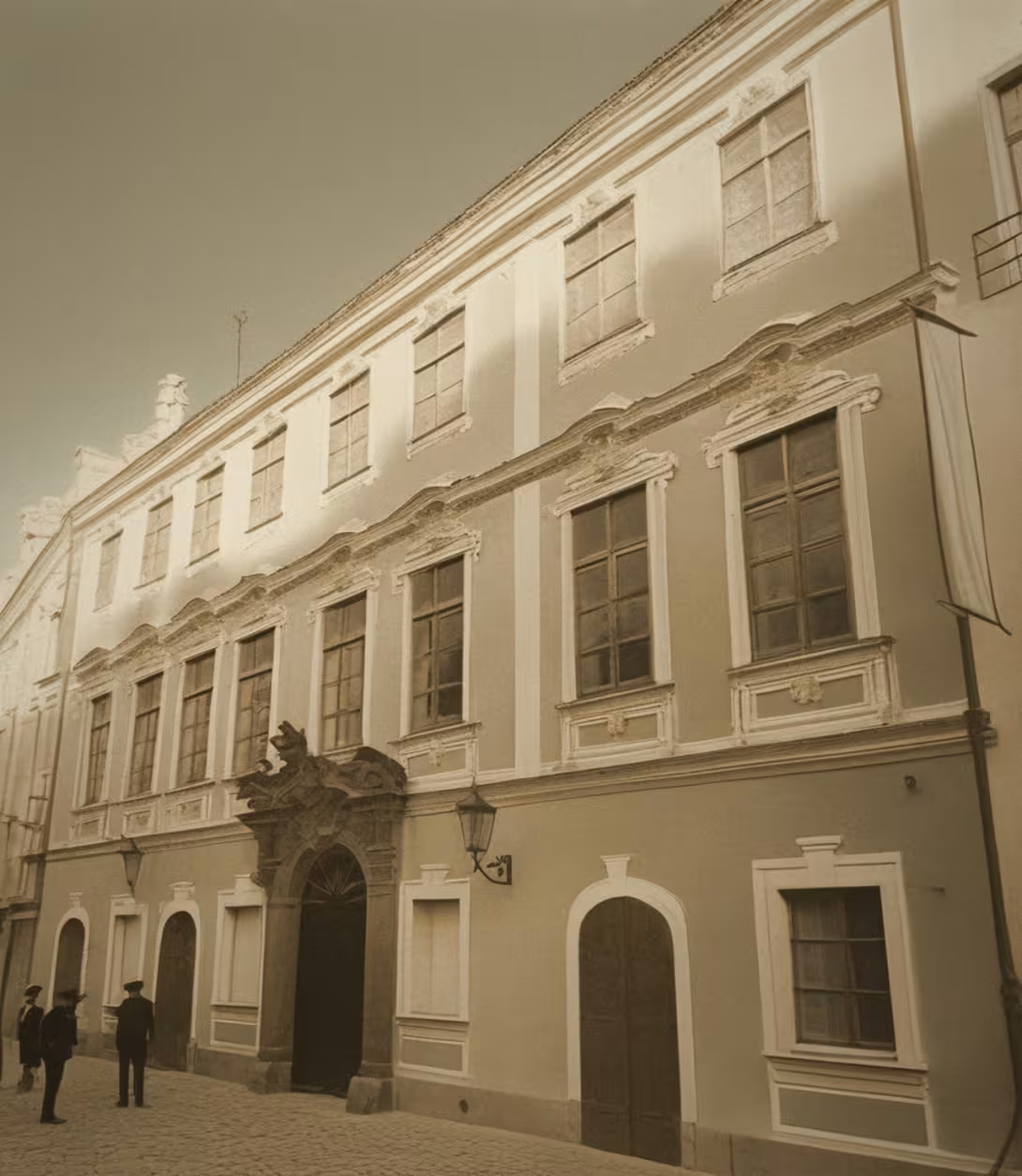
The historical appearance on the left is an AI-generated visualisation and serves as inspiration only.
Historical milestones
- 1756
- Completion of the remodeling of Millesimovský Palace into a Baroque form.
- 1964
- Designated as a cultural monument of the Czech Republic.
- 1848
- Served as the residence of priest and mathematician Josef Jandera.
- 1970
- Converted into an educational facility with a library for the Institute of Marxism-Leninism.
- 1990
- Began to be used by Charles University.
Architectural development
The Millesimovský Palác evolved from Romanesque and Gothic structures to its current Baroque form in the mid-18th century. Architects Anselmo Martin Lurago or František Ignác Prée are credited with this transformation. The palace features a two-story design enclosing an oblong, covered courtyard, with Rococo stucco decorations on the first floor.
Historical events
1756: Completion of the Baroque transformation by Jan Josef Caretto-Millesimo.
1848: Residence of priest and mathematician professor Josef Jandera in the rear part of the palace.
1970s: Conversion into a school facility with library for Ústav marxismu-leninismu.
1990 onwards: Utilization by Charles University.
Owners
Černínové
Hrzánové z Harrasova
Vratislavů z Mitrovic
hrabě Kryštof Cavriani (17th century)
Jan Josef Caretto-Millesimo
Points of interest
- The Millesimovský Palace's transformation into its Baroque form was influenced by the Habsburg Monarchy's architectural trends in Bohemia, reflecting a broader European movement during that era.
- Initially built upon Romanesque and Gothic structures, the palace showcases how historical layers of architecture can coexist and evolve over centuries, offering insights into Prague’s architectural history.
- The Rococo stucco decorations on the first floor are particularly noteworthy as they add an intricate layer of artistry to the Baroque design, highlighting the blend of artistic styles prevalent in 18th-century Bohemia.
- In 1848, the palace served as a residence for Josef Jandera, a priest and mathematician professor, illustrating its role beyond just an architectural landmark by being part of intellectual history.
- The transition of Millesimovský Palace into a school facility with a library for Ústav marxismu-leninismu in the 1970s reflects how historical buildings can adapt to serve educational and ideological purposes across different eras.
Guide
This guide is narrated by a synthetic voice generated by artificial intelligence.
Show guide text
This text was created by artificial intelligence and has not been editorially reviewed. It may contain inaccuracies.
Welcome to the Millesimovský Palác, a jewel nestled in the historic heart of Staré Město in Prague. As you stand before this grand structure, take a moment to absorb its Baroque elegance—a testament to centuries of architectural evolution and cultural significance.
The story of Millesimovský Palác begins with foundations laid upon Romanesque and Gothic structures. By 1756, it had been transformed into the magnificent Baroque edifice we see today. This transformation was influenced by the Habsburg Monarchy's architectural trends in Bohemia, reflecting a broader European movement during that era. The architects Anselmo Martin Lurago and František Ignác Prée played pivotal roles in crafting its ornate façade.
As you take in the sight before you, notice how the palace seamlessly blends historical layers into its current form. This is not just a building but a narrative of change and adaptation over time. The Baroque style is evident in its intricate details—ornamental stonework and symmetry that invite closer inspection. Imagine walking through the corridors where history unfolded.
The palace has been home to notable figures, including Jan Josef Caretto-Millesimo, whose legacy adds depth to this site. In 1848, it served as a residence for the priest and mathematician Josef Jandery, marking its role in both spiritual and intellectual realms.
Over time, Millesimovský Palác has adapted to various roles—transitioning from a private residence to an educational institution. By 1970, it housed the library of Ústavu marxismu-leninismu, reflecting shifts in political landscapes. In 1990, Charles University began utilizing this historic space, continuing its tradition as a center for learning and discovery.
One fascinating aspect of Millesimovský Palác is how it mirrors the broader architectural trends of its time while maintaining unique local characteristics. This blend of influences makes it an intriguing subject for both historians and architecture enthusiasts alike.
As you continue your exploration, consider the stories embedded within these walls—the lives that have intersected here, the knowledge shared, and the cultural shifts witnessed. Each corner holds a piece of history waiting to be discovered.
Thank you for visiting Millesimovský Palác. We invite you to delve deeper into its rich past and perhaps uncover more secrets hidden in its timeless elegance. Enjoy your journey through this remarkable chapter of Prague's storied landscape.
Tips for visitors
The best time to visit Millesimovský Palác is during the late spring or early fall when the weather is pleasant, allowing you to comfortably explore its Baroque elegance without the crowds typical of peak tourist seasons like summer. During these months, the natural light enhances the ornate façade and intricate details of the palace, making it a perfect time for photography enthusiasts.
Getting to Millesimovský Palác is convenient by both public transportation and car. The Old Town area offers several parking options, though spaces can be limited during peak times, so planning ahead or using nearby parking facilities is advisable. Public transport, including trams and buses, provides easy access to the palace, with multiple lines serving the vicinity. For the most current routes and schedules, checking a local transportation app or website before your visit is recommended.
When visiting Millesimovský Palác, it's wise to bring comfortable walking shoes as exploring Prague’s Old Town involves a fair amount of walking between its many attractions. A camera is also essential for capturing the palace's architectural beauty and the surrounding historic sites. Additionally, carrying water and some snacks can enhance your visit, especially if you plan to explore nearby areas.
Photography enthusiasts will find several spots around Millesimovský Palác ideal for capturing its Baroque elegance. The best light is typically in the morning or late afternoon when the sun casts a soft glow on the façade. From Charles Bridge, you can also capture stunning views of the palace with Prague Castle and the Vltava River as a backdrop.
Within 30 minutes walking distance from Millesimovský Palác are several must-see sites including the iconic Charles Bridge, which offers picturesque views and access to Prague Castle. The Old Town Square, home to the Astronomical Clock, is another nearby attraction that provides insight into Prague's rich history.
For families with children, visiting Millesimovský Palác can be an educational experience. The palace's rich history and architecture provide a tangible connection to the past, sparking curiosity in young minds. Nearby Charles Bridge offers a fun walking experience with its many statues and views of the Vltava River. Additionally, exploring Old Town Square allows children to see Prague's famous clock up close.
Frequently asked questions
Can the monument be visited?
Yes. We verified the opening hours or admission on the official website (1. 10. 2026); you will find them in the visitor information on this page. Please double-check with the operator before you travel.
What are the opening hours and admission?
Details verified on the official website (1. 10. 2026) are listed in the visitor information on this page. Official website: https://www.galerieocelovychfigurin.cz/en/
Where is the monument?
Location: Celetná 597/13, Staré Město, Praha, Hlavní město Praha. The map on this page shows the exact spot.
Why is the monument protected?
It is listed in the Central List of Cultural Monuments of the Czech Republic as a cultural monument (register no. 38684/1-328).
Businesses nearby
Do you run a restaurant, accommodation, shop, museum, rental, wellness or other visitor service near this monument? Show yourself directly to the people heading to it — this is how they will see you in the app and on the web:
Events nearby

Zdroj akcí: otevřená data měst a obcí ČR (Národní katalog otevřených dat) a kalendář akcí Národního památkového ústavu.
Nearby
Located in Prague’s Old Town, Millesimovský Palác is surrounded by historical sites including the Charles Bridge and Prague Castle. The area offers a rich cultural landscape with numerous other architectural landmarks within walking distance.
Accommodation nearby
Trips and activities nearby
Guided tours, tickets and activities nearby from GetYourGuide
Affiliate link: if you buy from the partner, we may receive a commission. The price for you does not change.
Search tours and activities →Themed route
Tematická výletní trasa: Historická památka Millesimovský palác a okolí
1. Millesimovský Palác
- Typ: Architektonická památka
- Proč stojí za návštěvu: Nacházející se v srdci Starého Města, Millesimovský palác je krásným příkladem barokní architektury. Jeho historie a elegantní design ho činí nezbytnou návštěvní pro každého, kdo se zajímá o kulturní dědictví Prahy.
2. Karlova Most (Charles Bridge)
- Typ: Historický most
- Proč stojí za návštěvu: Tento ikonický most spojuje Staré Město s Malou Stranou a nabízí jedinečný pohled na Prahu, zejména při západu slunce. Je to nejen architektonická perla, ale také místní místo pro umělce a turisty.
3. Pražský hrad
- Typ: Historický hrad
- Proč stojí za návštěvu: I když je trochu dál, Pražský hrad nabízí jedinec z nejlepších výhledů na město a je domovem pro řadu historických budov. Jeho bohaté historie a krásné panoramatické pohledy činí návštěvu nezapomenutelnou.
4. Staroměstské náměstí
- Typ: Historické náměstí
- Proč stojí za návštěvu: Srdce Starého Města, toto náměstí je známé svým starobylým vodotryskem a gotickou radnicí. Je centrem mnoha kulturních událostí a nabízí živý pohled na dnešní i historickou Prahu.
5. Kostel svatého Mikuláše
- Typ: Historický kostel
- Proč stojí za návštěvu: Tento gotický kostel je nejstarší v Praze a slavný pro svou historii a architekturu. Jeho vysoká věž nabízí pohled na celé Staré Město, což ho činí ideálním místem pro zastavení se a užití panoramatických výhledů.
Tato trasa nabízí kombinaci architektonických krás a historických pohledů, které dokonale odrážejí bohatou minulost Starého Města.
Seasonal recommendations
Spring: Visiting the Millesimovský Palace during spring offers a refreshing experience as nature awakens with blooming flowers and lush greenery, creating a picturesque backdrop for the historic architecture. The soft, natural light enhances the palace's intricate details, making it an ideal time for photography enthusiasts. As temperatures begin to warm up, visitors should opt for layers that can be adjusted throughout the day. While spring sees fewer crowds than summer, it's still advisable to arrive early in the morning to fully enjoy the serene atmosphere before the day heats up.
Summer: Summer at Millesimovský Palace is characterized by long daylight hours and vibrant energy, with the palace often bustling with visitors exploring Prague’s cultural offerings. The warm weather allows for leisurely strolls around Staré Město, making it perfect for those who enjoy outdoor exploration. To avoid the peak tourist season crowds, consider visiting in the early morning or late afternoon. Dressing in light, breathable clothing is essential to stay comfortable during your visit.
Autumn: Autumn brings a magical transformation to Millesimovský Palace with its warm hues of reds, oranges, and yellows enveloping the historic site. The cooler temperatures create a cozy atmosphere, ideal for leisurely walks and enjoying hot beverages nearby. As daylight begins to shorten, planning your visit during midday can help maximize exposure to natural light, enhancing your experience of the palace’s beauty. Layered clothing is recommended to adapt to fluctuating temperatures throughout the day.
Winter: Winter at Millesimovský Palace offers a unique charm with its historic architecture set against a backdrop of snow-covered streets and festive lights in Staré Město. The shorter days mean visiting early is crucial to make the most of the limited daylight, while evenings can be spent enjoying Prague’s vibrant winter nightlife. Visitors should dress warmly, as temperatures can drop significantly, and be prepared for potentially reduced opening hours during this season. Despite the cold, the enchanting atmosphere makes it a memorable time to explore the palace.
Visualizations and artistic views


The visualisations are generated by artificial intelligence and serve as inspiration.
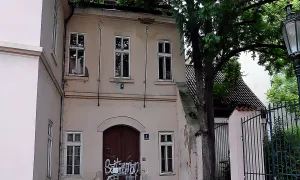
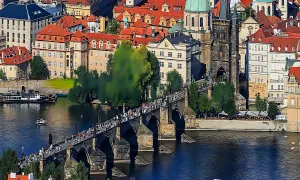
Photos from the area
Real photos taken near the monument


Zdroj a licence jsou uvedeny u každého snímku.
Tips from visitors
No tips yet. Be the first!
Log in and add your tip.
Sources and literature
Photos: Ricardalovesmonuments / CC BY-SA 4.0 — Wikimedia Commons. The author and licence also appear when you hover over the image.
Faktickým podkladem tohoto textu byl článek na Wikipedii, jehož autory jsou přispěvatelé Wikipedie. Článek je dostupný pod licencí CC BY-SA 4.0.
Location on the map

Příběhy a pověsti
Legendy, pověsti a příběhy spjaté s touto památkou

Příběh: Millesimovský palác
Bylo to v pondělí ráno, kdy Martin zjistil že ve skříňce na schodech Millesimovského paláce leželo pohlednice s nečitelným podpisem. Vůně starých listů se mi…
Číst příběh
Pověst: Millesimovský palác
Traduje se, že v hlubinách Millesimovského paláce v Celetné ulici dříme cosi, co nezná čas. Staří obyvatelé Starého Města vyprávějí, že kdokoli sestoupil do …
Číst příběhFotografie návštěvníků
Zatím žádné fotografie. Buďte první, kdo přidá fotografii z návštěvy!
Log in a přidejte svou fotografii nebo hodnoťte.
Za ověřenou návštěvu v aplikaci získáte víc bodů — poznáme podle GPS, že jste na místě.
Reviews and comments