






morový sloup se sousoším Nejsvětější Trojice Monument
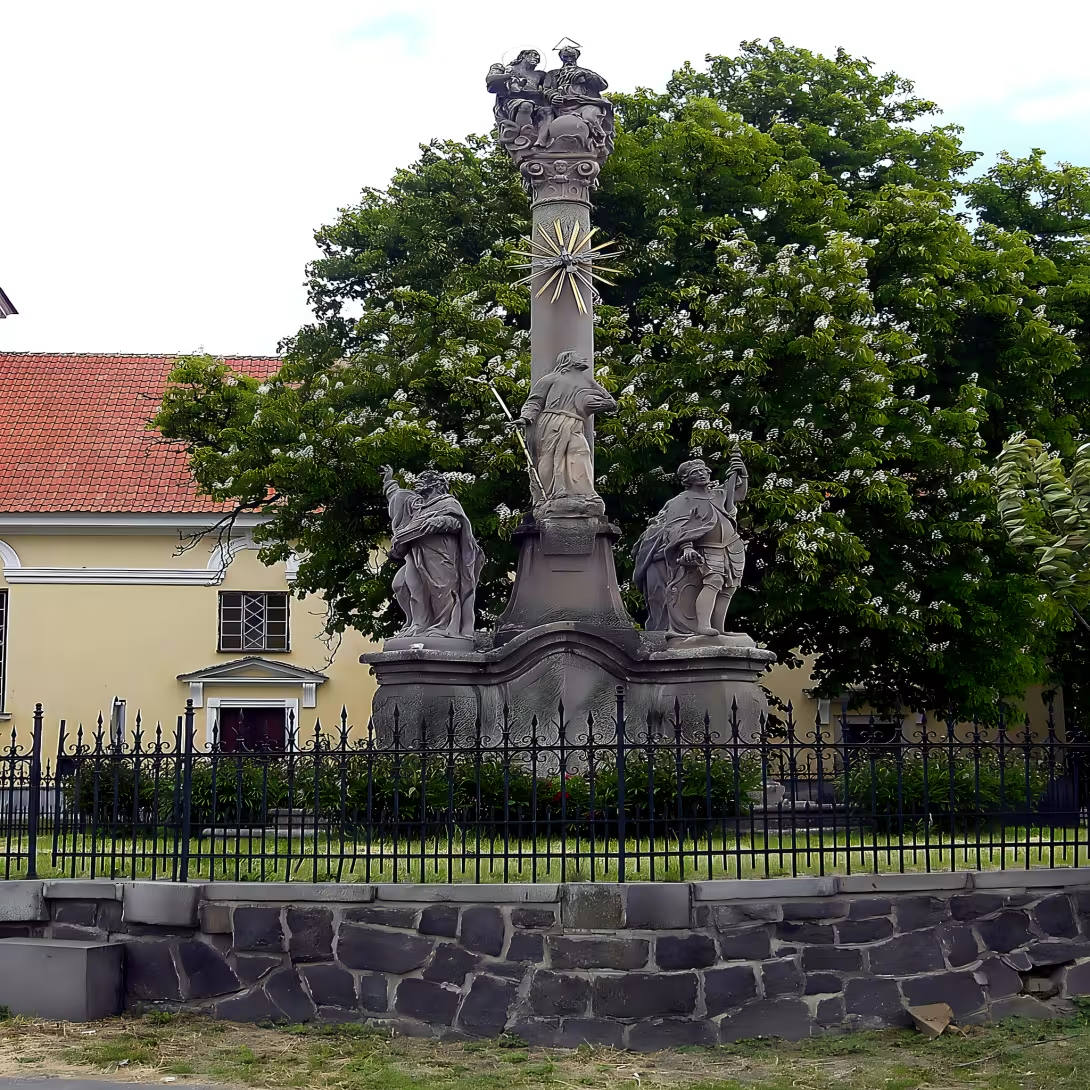
The Moravian column with the Trinity sculpture is a notable Baroque granite monument situated in the village of Čimelice, in the Šumava region. It stands near the Church of the Holy Trinity in the village square and is a protected cultural monument in the Czech Republic. The column features a unique blend of sculptures and architectural elements, making it a significant historical and artistic landmark.
The Moravian column with the Trinity sculpture was created in the 18th century, a time of significant artistic and cultural development in the region. The original sculptures, created by Jan Karel Hammer, are stored in the Čimelice town depot. The column's base features sculptures of saints, including Saint Wenceslas, Saint Augustine, Saint Anthony the Great, and Saint James the Greater, while Saint Bonaventure stands at its base. The column is topped with a sculpture of the Holy Trinity.
The column's architecture is characterized by a Baroque style, with a granite base and a central column featuring a sculpture of the Holy Trinity. The column's design includes a series of sculptures on the base, including Saint Wenceslas, Saint Augustine, Saint Anthony the Great, and Saint James the Greater, as well as Saint Bonaventure at its base. The column's top features a sculpture of the Holy Trinity, with a dove representing the Holy Spirit surrounded by rays.
The column has undergone no significant changes in ownership or administration, and its current state reflects its original design. The monument is accessible to visitors and offers a unique glimpse into the region's artistic and cultural heritage.
The Moravian column with the Trinity sculpture is a significant historical and artistic landmark that showcases the region's rich cultural heritage. Its unique blend of sculptures and architectural elements makes it a must-visit destination for those interested in history, art, and culture. Visitors can explore the column and its surroundings, gaining a deeper understanding of the region's past and its significance in the present.
Then and now
Drag the slider to compare how the landmark may have looked when it was built with the view today.
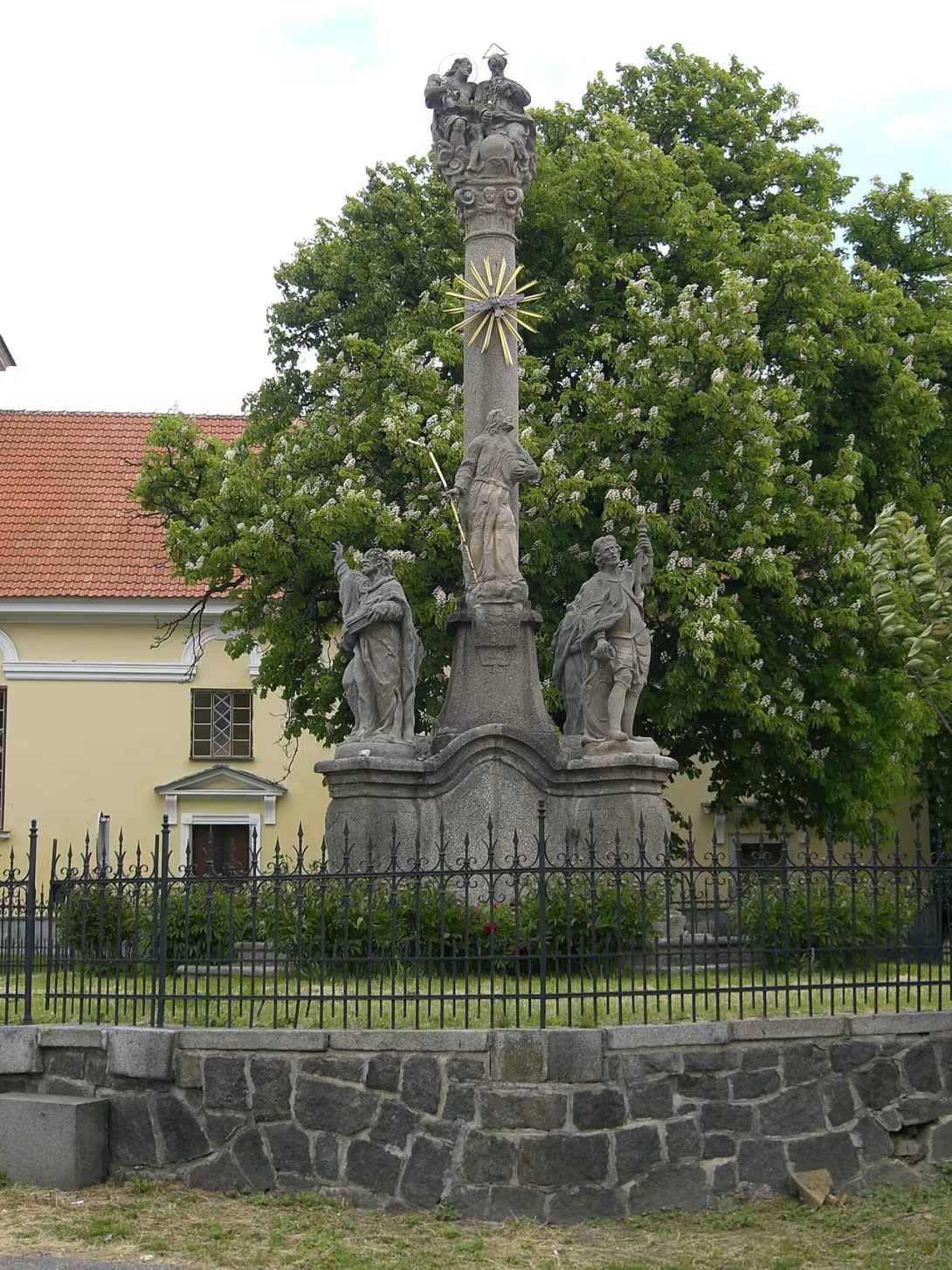

The historical appearance on the left is an AI-generated visualisation and serves as inspiration only.
Historical milestones
- 1750
- Creation of the Moravian column with the Trinity sculpture
- 18
- Significant artistic and cultural development in the region
- 18
- Time of creation of the Moravian column with the Trinity sculpture
- 1350
- Establishment of the Church of the Holy Trinity in Čimelice
- 1350
- Establishment of the village of Čimelice
- 1750
- Creation of the original sculptures by Jan Karel Hammer
Guide
This guide is narrated by a synthetic voice generated by artificial intelligence.
Show guide text
This text was created by artificial intelligence and has not been editorially reviewed. It may contain inaccuracies.
On the village square in Čimelice, near the Church of the Holy Trinity, stands a Baroque plague column with a sculptural group of the Holy Trinity. It is protected as a cultural monument and is located within a protected heritage zone.
The granite sculptural group was created in the eighteenth century. The sculptures come from the workshop of Jan Karel Hammer. The community of Čimelice preserves their originals in its collection.
The entire structure rises gradually. The foundation is a socle with a stepped cornice. Upon it stands a prismatic base, whose cornice curves outward in the middle of the walls. Smaller socles with cornices are attached to the corners of the base, and upon them stand figures of saints in larger than life size. At the center of the base sits another prismatic section with recessed edges. Only upon its cap stands the column itself.
At the foot of the column is a statue of another saint. Above it is a dove, symbol of the Holy Spirit, surrounded by rays. The column ends with a capital featuring volutes and winged cherub heads. Upon it rests the sculptural group of the Holy Trinity.
Sources disagree about which saints the sculptures actually depict. According to one interpretation, Saint Václav, Saint Augustine, Saint Anthony the Great, and Saint James the Greater stand on the socles, and Saint Bonaventure at the foot of the column. Another source lists Saint Václav, Saint James, Saint Andrew, and Saint Augustine on the socles. According to research by Tereza Šiková, these are Saint Václav, Saint Augustine, Saint Peter, and Saint James the Less, and Saint James the Greater is said to stand at the foot of the column. All three interpretations agree only on Saint Václav and Saint Augustine.
Frequently asked questions
Can the monument be visited?
This is a structure in a public space that can usually be seen from outside free of charge. We have not verified that this particular one is freely accessible.
Where is the monument?
Location: Čimelice, Jihočeský kraj. The map on this page shows the exact spot.
Why is the monument protected?
It is listed in the Central List of Cultural Monuments of the Czech Republic as a cultural monument (register no. 1000148814).
Businesses nearby
Do you run a restaurant, accommodation, shop, museum, rental, wellness or other visitor service near this monument? Show yourself directly to the people heading to it — this is how they will see you in the app and on the web:
Events nearby
Zdroj akcí: otevřená data měst a obcí ČR (Národní katalog otevřených dat) a kalendář akcí Národního památkového ústavu.
Nearby
The monument is located in the village of Čimelice, surrounded by the Šumava region.
Accommodation nearby
Themed route
Route: Čimelice Plague Column and Surroundings
1. Plague Column with Nejsvětější Trojice Group (main destination) This plague column is a significant monument in the village of Čimelice. It is located in the center of the village and is easily accessible. It is a unique work of Baroque architecture and sculpture.
2. Church of Saint Wenceslas The church of Saint Wenceslas is the parish church of the village of Čimelice. It is located near the plague column and is also a significant monument.
3. Chapel of Saint John of Nepomuk The chapel of Saint John of Nepomuk is located near the church of Saint Wenceslas. It is a small but beautiful chapel that complements the local sacred buildings.
Seasonal recommendations
Jaro
Specific: When visiting the plague column in spring, you can observe blooming surroundings and fresh vegetables. The atmosphere is calm and serene, allowing for a deeper exploration of the monument.
Practical Tips: The best time to visit the plague column is during the spring months from April to May when the weather is mild and sunny. We recommend visiting in the morning hours to avoid crowds of tourists.
Léto
Specific: In the summer season, the area around the plague column is filled with flowers and greenery. The atmosphere is relaxed and sunny, allowing for a pleasant visit.
Practical Tips: During the summer months (July to August), it's necessary to arrive early to avoid crowds of tourists. We recommend visiting the monument in the morning hours to explore without large crowds.
Podzim
Specific: In autumn, the area around the plague column is filled with colors and the scent of falling leaves. The atmosphere is calm and quiet, allowing for a deeper exploration of the monument.
Practical Tips: The best time to visit the plague column is during the autumn months from September to October when the weather is mild and sunny. We recommend visiting in the afternoon hours to avoid crowds of tourists.
Zima
Specific: In winter, the area around the plague column is covered with snow and ice. The atmosphere is calm and quiet, allowing for a deeper exploration of the monument.
Practical Tips: During the winter months (January to February), it's necessary to visit the plague column early in the morning to explore before closing. We recommend wearing warm clothing and boots to avoid frost and icy surfaces.
Visualizations and artistic views


The visualisations are generated by artificial intelligence and serve as inspiration.
Photos from the area
Real photos taken near the monument


Zdroj a licence jsou uvedeny u každého snímku.
Tips from visitors
No tips yet. Be the first!
Log in and add your tip.
Sources and literature
Photos: Chmee2 / CC BY-SA 3.0, rozlišení zvýšeno umělou inteligencí — Wikimedia Commons. The author and licence also appear when you hover over the image.
Faktickým podkladem tohoto textu byl článek na Wikipedii, jehož autory jsou přispěvatelé Wikipedie. Článek je dostupný pod licencí CC BY-SA 4.0.
Location on the map


Příběhy a pověsti
Legendy, pověsti a příběhy spjaté s touto památkou
Příběh: morový sloup se sousoším Nejsvětější Trojice
Bylo to v pondělí ráno, kdy Matyáš, mladý ševcovský učeň z Čimelic, se probudil s nesčetnými vzpomínkami na noční sen. Všechno začalo ve středu náměstí, kde …
Číst příběh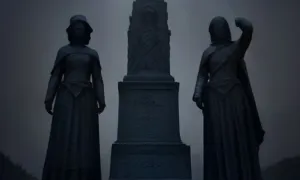
Pověst: morový sloup se sousoším Nejsvětější Trojice
Podle místní pověsti, která se v Čimelicích dědí z pokolení na pokolení, nevznikl žulový sloup na návsi z pouhopouhé zbožnosti sedláků a vrchnosti. Za jeho z…
Číst příběhFotografie návštěvníků
Zatím žádné fotografie. Buďte první, kdo přidá fotografii z návštěvy!
Log in a přidejte svou fotografii nebo hodnoťte.
Za ověřenou návštěvu v aplikaci získáte víc bodů — poznáme podle GPS, že jste na místě.
Reviews and comments