






Mšecký zámek Chateau
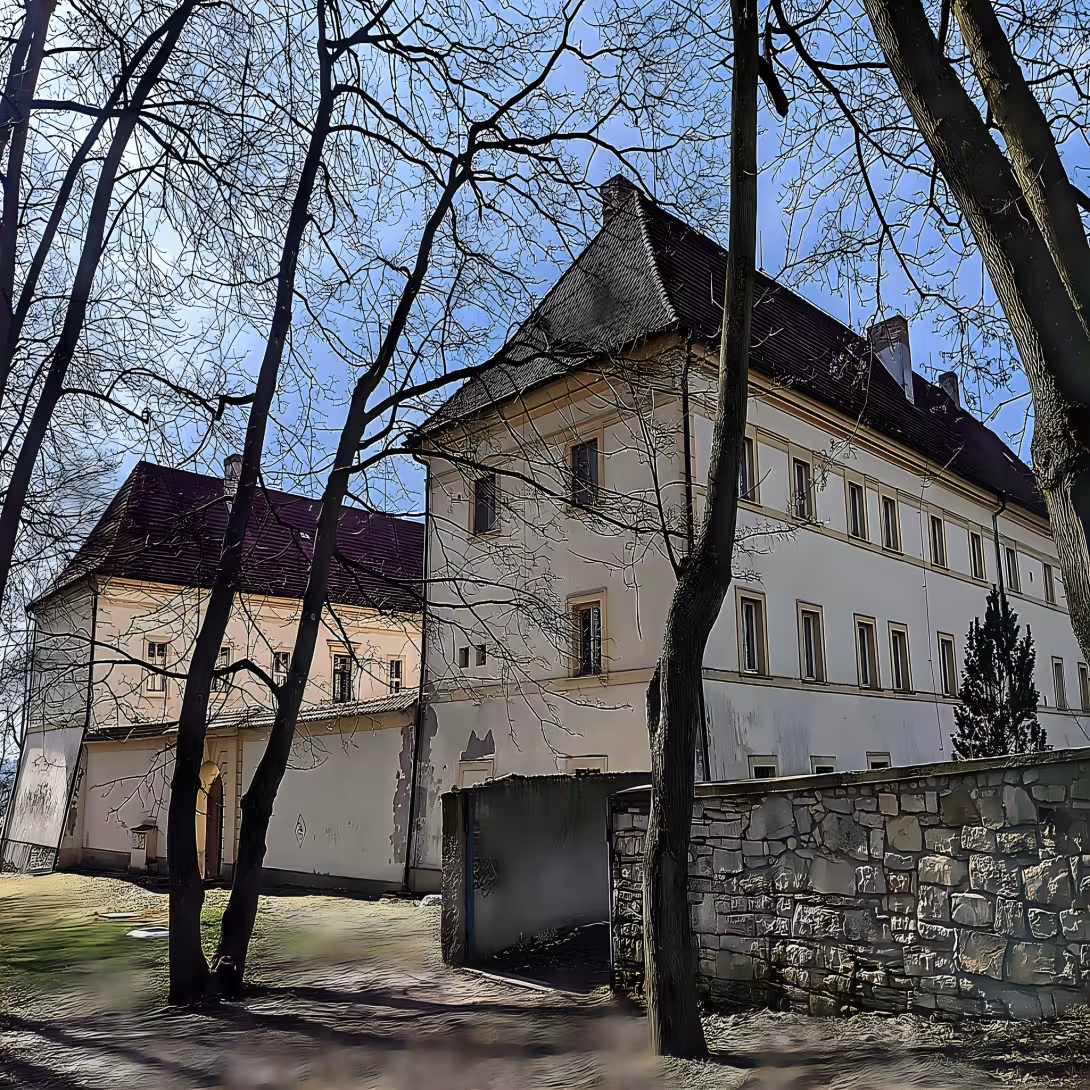
Mšec, in the past also called Kornhauz, is a castle located in the same town in the Rakovník district. Its history is closely linked to the fates of Czech noble families and to the building of representative settlements during the Renaissance and Baroque periods. The predecessor of today's castle was a Gothic fortress, which is supposed to be founded in the second half of the 14th century. The founder was probably Albrecht z Kolovrat, who acquired the Mosque estate before 1361. Albrecht and Markart of Vartenberk participated in the resistance against King Wenceslas IV, which had serious consequences. In 1388 or 1390 Kornhauz conquered the royal army, while this castle appeared for the first time in the springs. Albrecht z Kolovrat died in 1391, but the estate remained in the hands of the Kolovrat.
It is not certain that the old castle was later restored. The castle appears in historical sources only in 1548, when it was probably created by other members of the colostrat family. During the 16th century the owners gradually changed. From 1536 to 1538 he owned the castle Václav Budovec z Budova, later he was repossessed by Kolovraté. The last of them, John and Zdislav Abdon, gradually sold the estate. In 1569 it was purchased by Bedřich Mican from Klinštejn and the Solution.
Matyáš Štampach ze Štampachu became an important owner, who in 1586 paid for Mšec and other parts of the estate five fifty thousand kicks of Míšín grosches. As captain of the Slan Region and the Imperial Council needed a representative seat, he probably had the old castle demolished and in 1613 he built a new one under the direction of builder Fortini. The new chateau contained collections of weapons and exhibits from trips around Europe, chapel, library and archive. It also included a summer castle and a newly established branch. The estate was later inherited by Štampach's nephew Jan Rejchart, after whose death he was taken over by his brother Jan Henry. As a participant in the state uprising in the castle, he hosted Friedrich Falsky, for which he was sentenced to loss of half his property and had to leave Bohemia.
In 1634 Jan Jindřich was sentenced to the loss of the entire property and bought the castle Vratislav z Fürstenbergu. After his death, there was a dispute over property, which in 1662 won Jan Adolf I. ze Schwarzenbergu for 60,000 Rhine gold. The castle was in bad condition, so in 1675 its Baroque reconstruction started according to Dominika Spinetta's project. The tower was reduced already in 1664 and completely demolished in 1678. Further modifications were made between 1721 and 1724 by builder Pavel Ignác Bayer and later A. E. Martinelli. Construction modifications continued until the first third of the nineteenth century.
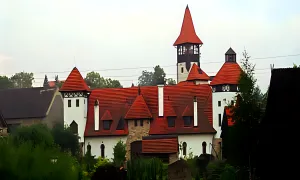
No visible remains have been preserved from the medieval castle. However, during excavation works in 1935 the remains of the masonry and round tower in the middle of the courtyard were discovered. Stampach's Renaissance chateau originally had four wings with willows, which spread around the central court enclosed by a tower gate. The facades were decorated with animal paintings and inscriptions. In a preserved form the castle contains three wings and a courtyard closed by a baroque wall with pilasters and blind arcades. The entrance facade highlights a flat risalite with an entrance portal. Since 1958, the castle has been protected as a cultural monument.
Then and now
Drag the slider to compare how the landmark may have looked when it was built with the view today.
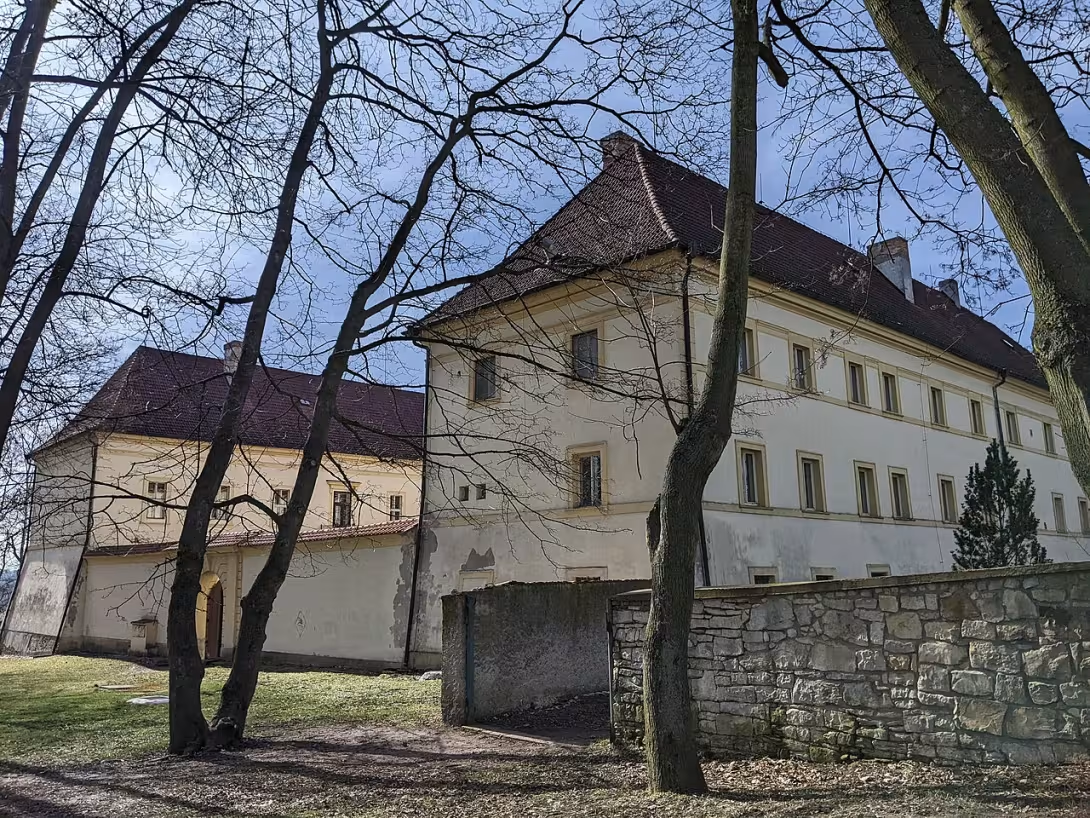

The historical appearance on the left is an AI-generated visualisation and serves as inspiration only.
Historical milestones
- 1613
- The position of the new Renaissance castle according to the Fortiniho project.
- 1675
- The beginning of the Baroque reconstruction according to Dominic Spinetta.
Architectural development
The original Gothic fortress was probably built by Albrechtem of Kolovrat. In 1613 the old castle was probably demolished and a new Renaissance castle was created in its place according to the Fortiniho project. The Baroque reconstruction started in 1675 according to Dominik Spinetta, followed by modifications by Pavel Ignác Bayer and A. E. Martinellim.
Historical events
- 1388 or 1390
- Covering and conquering castles including Kornhauz (Kolovrat)
- 1526
- Battle of Moháč where Jan Kolovrat Buštěhradský died
- 1618-1620
- Building uprising and feast of Friedrich Falsky in the castle
Owners
- before 1361
- 1586
- 1662
Points of interest
- Mšec was formerly known as Kornhauz and is a castle in the same town in the Rakovník district.
- The predecessor of today's castle was a Gothic fortress, which is supposed to be founded in the second half of the 14th century. The founder was Albrecht z Kolovrat.
- In 1388 or 1390 Kornhauz overtook the royal army, and this castle first appeared in the springs.
- Matyáš Štampach ze Štampachu purchased Mšec in 1586 for five fifty thousand kicks of Mishenian groschy and had the old castle demolished in 1613 to build a new one in the Renaissance style.
- In 1675 the Baroque reconstruction of the castle started according to Dominika Spinetta's project.
Guide
This guide is narrated by a synthetic voice generated by artificial intelligence.
Show guide text
This text was created by artificial intelligence and has not been editorially reviewed. It may contain inaccuracies.
The castle in Mšec in the Rakovnicko region was formerly called Kornhauz. Its predecessor was a Gothic stronghold, which some sources refer to as a castle. It was probably founded by Albrecht of Kolovrat, who acquired the estate before 1361. Together with Markvart of Vartenberg, he rose up against King Václav the Fourth. The royal army then conquered several castles in 1388 or 1390, including Kornhauz, which is mentioned for the first time in that period.
The estate remained with the Kolovrat family. It is uncertain whether the castle was rebuilt. However, one of the later members of the family built a castle in its place, which sources first mention in 1548. The last Kolovrats, Jan and Zdislav Abdon, gradually sold off the estate. In 1569, Bedřich Mičan of Klinštejna and Roztok purchased the castle with its courtyard.
In 1586, Mšec was acquired by Matyáš Štampach of Štampachu. As captain of the Slánský region and imperial councilor, he needed a representative residence. He had the old castle most likely demolished and built a new one in Renaissance style in 1613. The builder Fortini directed the construction. The castle contained a chapel, library, archive and collections of weapons and objects from travels across Europe. It also included a summer house and a newly established game preserve.
After Matyáš, the estate was inherited by his nephew Jan Rejchart and then by his brother Jan Jindřich Štampach. He took part in the Estates Revolt and hosted the Elector Palatine Frederick at the castle. He was sentenced to the loss of half his property and left Bohemia. During the Saxon invasion in 1631, he briefly returned, but in 1634 he lost all his property.
In 1662, the future Prince Jan Adolf I of Schwarzenberg purchased the estate. The castle was in poor condition, so a Baroque reconstruction began in 1675 according to a project by Dominik Spinetta. The tower was first lowered and completely demolished in 1678. Further renovations were carried out from 1721 to 1724 by Pavel Ignác Bayer, later builder Martinelli. Construction continued until the first third of the nineteenth century. After nationalization, the Schwarzenberg family archive was moved to the State Archives in Třeboň.
No visible remains of the medieval castle have survived. According to a report from 1935, remnants of masonry and a round tower in the middle of the courtyard were found during excavations. The Renaissance castle had four wings with galleries around the courtyard, which was entered through a tower gate. The facades were decorated with images of animals and inscriptions. Today the castle has three wings and the courtyard is enclosed by a Baroque wall with pilasters and blind arcades. The entrance facade is emphasized by a flat risalit with a portal. Since 1958, the castle has been protected as a cultural monument.
Tips for visitors
This period also offers ideal lighting conditions for shooting the castle, especially in the evening during long sunny days.
When visiting remember air-conditioned clothes and protective sunglasses, especially if you plan to take pictures. We recommend to the photographers to visit the castle at noon for the best illuminated interiors and on the eve of the sun for dramatic light effects on the facades.
For families with children, the castle is an ideal place to enjoy historical space and gardens.
Frequently asked questions
Can the monument be visited?
Some buildings of this kind are open for guided tours, others serve another purpose or are privately owned. We have not verified whether and when this monument is open – please ask the operator.
What are the opening hours and admission?
We have not verified the opening hours or admission. Current information is published by the operator.
Where is the monument?
Location: č.p. 46, Mšec, Středočeský kraj. The map on this page shows the exact spot.
Why is the monument protected?
It is listed in the Central List of Cultural Monuments of the Czech Republic as a cultural monument (register no. 16849/2-2681).
For kids
Imagine going back to when Mšecký zámek was still a young and gothic fortress. It was a time of comfort and peace when people lived in harmony with nature.
Who lived here? These people were farmers who took care of their fields and their animals. They were heroes who tried to survive in hard times. To make them feel better, they built a fortress to protect themselves from danger.
Businesses nearby
Do you run a restaurant, accommodation, shop, museum, rental, wellness or other visitor service near this monument? Show yourself directly to the people heading to it — this is how they will see you in the app and on the web:
Nearby
Ambient landscape, other sights
Accommodation nearby
Themed route
Route: Mšecký zámek and surroundings
1. Mšecký zámek (lock) - The main goal of our cruise route is the beautiful Mšecký zámek, which stands on the edge of the village Mšec. It is a unique monument that offers not only beautiful architecture, but also rich history and interesting exposition. The castle is worth a visit because it offers a unique opportunity to become acquainted with the history and culture of the region.
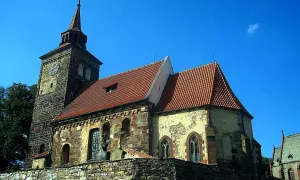
2. Church of St. Jacob the Greater (church) - near the castle is the church of St. Jacob the Greater, which is another important monument in the surroundings. The church is worth a visit because it offers a quiet and engaging environment in which you can relax and listen to music and singing.
3. MšecKá lipa (tree) - near the castle grows old and beautiful lime, which is a protected tree. Lipa is worth a visit because it is a unique natural phenomenon and offers a beautiful place to relax and relax.
4.Mšec (municipality) - The last stop of our route is the village Mšec, which offers a quiet environment and the opportunity to get acquainted with local culture and traditions. The village is worth visiting because it offers the opportunity to become acquainted with local history and culture.
Seasonal recommendations
Spring:
In the spring season Mšecký zámek is surrounded by flowering surroundings, creating a pleasant atmosphere. The tour can be done with family or group of friends. We recommend visiting the castle in spring, when nature is still slightly cold, but the sun shines sweetly.
Summer:
castle larger crowds of visitors. That's why it's good to come early so you can see all the rooms without waiting. In summer, it is also ideal time to visit gardens and parks.
Autumn:
In autumn the Mšecký zámek is surrounded by golden colors of nature. The atmosphere is calm and quiet, which is ideal for a peaceful tour. We recommend visiting the castle in the autumn, when the weather is pleasant and you can see all areas without crowds.
Winter:
In winter the Mšecký zámek is opened only in limited time. We recommend visiting the castle in winter with warm clothes because the rooms can be cold. If you like peace and quiet, this is the perfect time to visit.
Visualizations and artistic views


The visualisations are generated by artificial intelligence and serve as inspiration.
Photos from the area
Real photos taken near the monument


Zdroj a licence jsou uvedeny u každého snímku.
Tips from visitors
No tips yet. Be the first!
Log in and add your tip.
Sources and literature
Photos: MartinVeselka / CC BY-SA 4.0, rozlišení zvýšeno umělou inteligencí — Wikimedia Commons. The author and licence also appear when you hover over the image.
Faktickým podkladem tohoto textu byl článek na Wikipedii, jehož autory jsou přispěvatelé Wikipedie. Článek je dostupný pod licencí CC BY-SA 4.0.
Location on the map
Příběhy a pověsti
Legendy, pověsti a příběhy spjaté s touto památkou
Fotografie návštěvníků
Zatím žádné fotografie. Buďte první, kdo přidá fotografii z návštěvy!
Log in a přidejte svou fotografii nebo hodnoťte.
Za ověřenou návštěvu v aplikaci získáte víc bodů — poznáme podle GPS, že jste na místě.
Reviews and comments