



Němčice Chateau
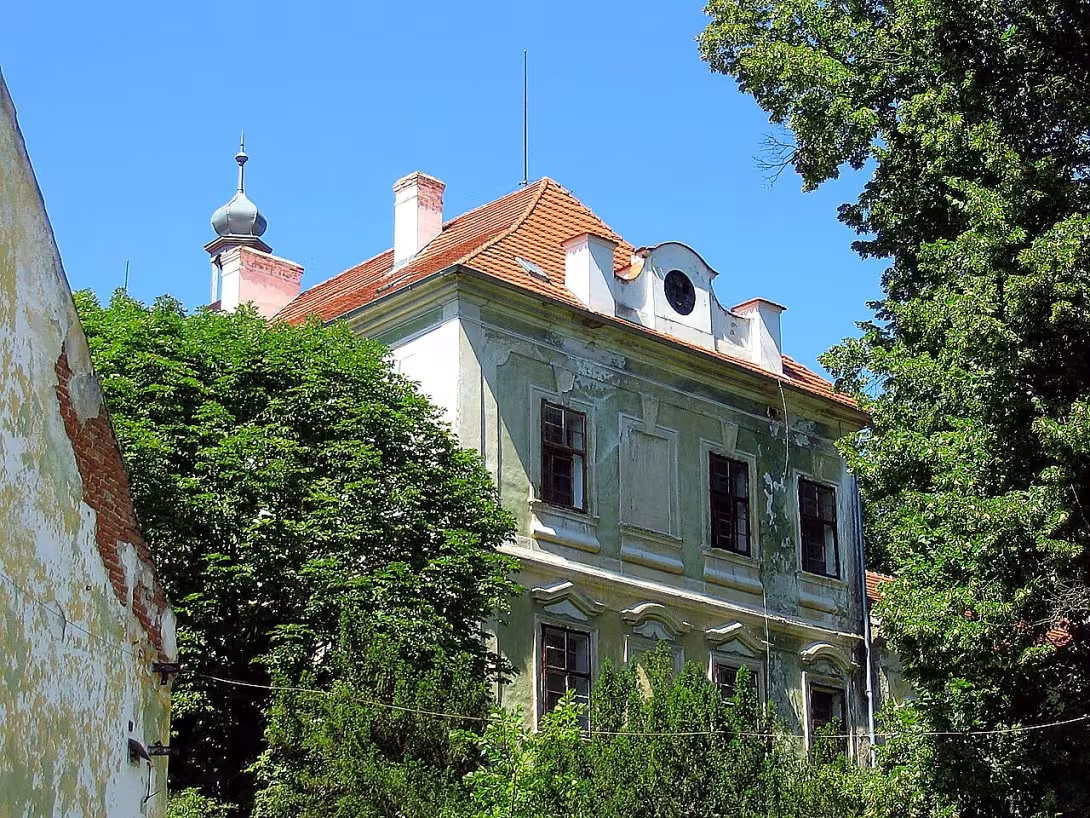
Němčice Chateau is a notable Baroque chateau in the village of Němčice, within the Strakonice District of the South Bohemian Region. Originally built as a Renaissance fortress in the late sixteenth century by Adam Chřepický z Modliškovic, it was transformed into its current Baroque form under Jiří František Věžník z Věžník in the late seventeenth century. The chateau complex includes an economic courtyard and a park, all protected as cultural heritage sites. Němčice served as the center for the Dlouhoveský family's estate until 1948.
The origins of Němčice Chateau date back to the late sixteenth century when it was initially constructed as a Renaissance fortress by Adam Chřepický z Modliškovic. During this period, Bohemia was part of the Habsburg Monarchy and experienced significant political and religious changes. The transformation into a Baroque chateau began in 1674 when Jiří František Věžník purchased Němčice and initiated its architectural evolution. This change coincided with the Counter-Reformation influence across Europe, which often favored the grandeur of Baroque architecture.
Architecturally, Němčice Chateau features two-story buildings with oblong layouts, pilasters, and stucco decorations typical of the Baroque style. The transformation from a Renaissance fortress to a Baroque structure involved adding an additional floor and commissioning a chapel dedicated to Saint John of Nepomuk in 1729. This chapel was designed by architect Pavel Ignác Bayer at the behest of Jan Felix Dlouhoveský, further enhancing the chateau's artistic form.
Throughout its history, Němčice Chateau has seen various owners and administrators who contributed to its development and legacy. After Jiří František Věžník initiated the Baroque transformation, ownership passed through notable figures such as Ctibor Václav Chřepický z Modliškovic and Jan Ignác Dlouhoveský z Dlouhé Vsi. The estate remained under the control of the Dlouhoveský family until 1948, after which it underwent several changes in ownership.
Key events at Němčice Chateau include its architectural transformation and cultural contributions. In 1729, the addition of the chapel dedicated to Saint John of Nepomuk marked a significant enhancement to the chateau complex. More recently, in 2000, restoration efforts focused on the interior of this chapel, including paintings, sculptures, and Baroque organs. Additionally, the estate served as a therapeutic community for drug addicts and inspired the film "Pravidla lži" in 2005.
Today, Němčice Chateau remains an important cultural heritage site within a rural setting that includes protected areas such as its economic courtyard and park. The chateau's historical significance, architectural beauty, and unique role in modern therapeutic practices make it a worthwhile destination for visitors interested in Czech history and Baroque architecture. Its preservation efforts ensure that future generations can appreciate this remarkable monument. Visitors are encouraged to explore Němčice Chateau to experience firsthand its rich history and cultural legacy.
Then and now
Drag the slider to compare how the landmark may have looked when it was built with the view today.
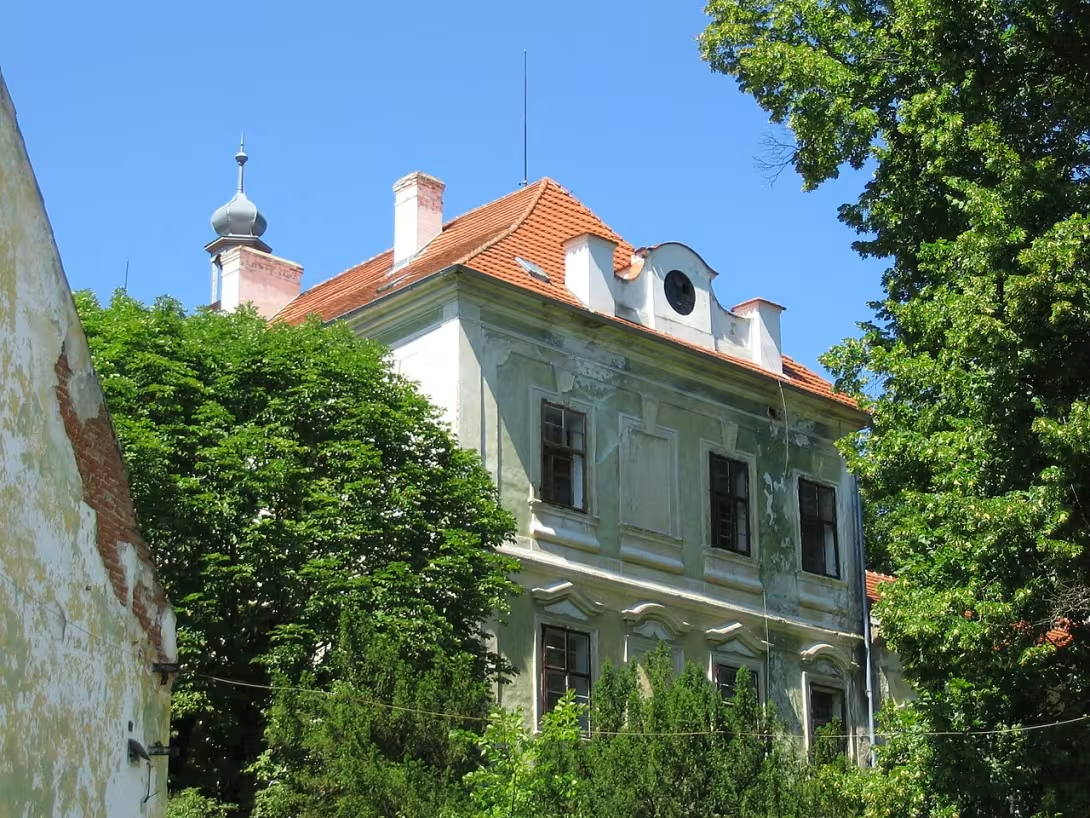

The historical appearance on the left is an AI-generated visualisation and serves as inspiration only.
Historical milestones
- 1674
- Jiří František Věžník purchased Němčice and initiated its transformation into a Baroque chateau.
- 1729
- A chapel dedicated to Saint John of Nepomuk was added to the chateau complex.
Architectural development
Němčice began as a Renaissance fortress built by Adam Chřepický z Modliškovic. It was later transformed into a Baroque chateau under Jiří František Věžník, who added an additional floor and commissioned the chapel of Saint John of Nepomuk in 1729. The architectural style is characterized by two-story buildings with oblong layouts, pilasters, and stucco decorations.
Historical events
The chateau was transformed from a Renaissance fortress to a Baroque structure in the late seventeenth century.
In 1729, Jan Felix Dlouhoveský added a chapel dedicated to Saint John of Nepomuk, designed by architect Pavel Ignác Bayer.
The estate served as a therapeutic community for drug addicts and was featured in the film 'Pravidla lži' in 2005.
Owners
Adam Chřepický z Modliškovic (1582)
Ctibor Václav Chřepický z Modliškovic (1667)
Jiří František Věžník z Věžník (1674)
Jan Ignác Dlouhoveský z Dlouhé Vsi (1696)
Rod Dlouhoveských (until 1948)
Lukáš Dlauhoweský (since 1990)
Points of interest
- The transformation of Němčice Chateau from a Renaissance fortress to a Baroque structure coincided with the Counter-Reformation period in Europe, which favored grand architectural styles like Baroque.
- In 1729, Jan Felix Dlouhoveský commissioned architect Pavel Ignác Bayer to design a chapel dedicated to Saint John of Nepomuk, enhancing the chateau's artistic and spiritual significance during its Baroque transformation.
- The Němčice Chateau estate served as a therapeutic community for drug addicts in modern times, highlighting its unique role beyond historical and architectural importance.
- The film "Pravidla lži" (The Rules of Lying) was inspired by the chateau's history and setting, showcasing its influence on contemporary Czech culture and media.
- Restoration efforts in 2000 focused on preserving the interior of the Saint John of Nepomuk chapel, including its paintings, sculptures, and Baroque organs, emphasizing ongoing cultural heritage conservation.
Guide
This guide is narrated by a synthetic voice generated by artificial intelligence.
Show guide text
This text was created by artificial intelligence and has not been editorially reviewed. It may contain inaccuracies.
Welcome to Němčice Chateau, a remarkable testament to architectural evolution nestled in the charming village of Němčice within the Strakonice District. As you stand here, imagine yourself stepping back into history, surrounded by an aura of grandeur and transformation that has shaped this site over centuries.
The story of Němčice begins in the late sixteenth century when it was originally constructed as a Renaissance fortress by Adam Chřepický z Modliškovic. This era was marked by innovation and artistic expression, setting the stage for what would become an architectural marvel. However, the chateau's journey didn't stop there. In 1674, Jiří František Věžník z Věžník acquired Němčice, initiating a significant transformation that would redefine its identity.
As you look around, take in the sweeping lines and ornate details characteristic of Baroque architecture—a style known for its drama, grandeur, and movement. This transformation coincided with the Counter-Reformation period in Europe, a time when such architectural styles flourished as expressions of faith and power. The chateau's current form is a testament to this era's influence, inviting you to appreciate its elegance and complexity.
The park surrounding the chateau and the economic courtyard are integral parts of the complex, adding layers of history and functionality that speak to the lives once lived here. Notice how these elements harmonize with the main structure, creating a cohesive narrative of past and present.
Throughout its history, Němčice has been home to notable figures such as Adam Chřepický z Modliškovic, Václav Koce z Dobrše, Ctibor Václav Chřepický z Modliškovic, Jiří František Věžník z Věžník, and Jan Ignác Dlouhoveský z Dlouhé Vsi. Each of these individuals contributed to the chateau's legacy, leaving their mark on its walls and within its grounds.
One particularly fascinating chapter in Němčice's history occurred in 1729 when Jan Felix Dlouhoveský commissioned architect Pavel Ignác Bayer to design a chapel dedicated to Saint John of Nepomuk. This addition not only enriched the spiritual life of those who lived here but also added another layer of architectural beauty to the complex.
As you explore, let yourself be captivated by the stories embedded in every corner of Němčice Chateau. From its origins as a Renaissance fortress to its transformation into a Baroque masterpiece, each element invites curiosity and admiration.
We invite you to continue your journey through this historic site, discovering more about its past and envisioning the lives that have unfolded within these walls. Thank you for joining us at Němčice Chateau, where history comes alive with every step.
Tips for visitors
The best time to visit Němčice Chateau is during the late spring or early fall, when the weather is pleasant for exploring both the chateau grounds and the surrounding natural landscapes. During these seasons, you can enjoy the beauty of the park without the crowds that might be present in peak summer months. Additionally, the lighting conditions are ideal for photography, with soft sunlight enhancing the textures and colors of the historic architecture.
It's advisable to check current transportation options and schedules online before your visit.
When planning your visit, consider bringing comfortable walking shoes as there are several areas within the chateau complex and park that may require some walking. A camera is recommended for capturing the picturesque views of the Renaissance fortress and its surroundings. Additionally, carrying a light jacket or umbrella can be useful due to changing weather conditions in the area.
For photography enthusiasts, the best spots include the main facade of the chateau and the economic courtyard, where the interplay of light and shadow creates stunning visuals. Early morning or late afternoon is ideal for capturing the soft glow on the chateau walls. The park surrounding the chateau also offers beautiful natural backdrops for photographs.
Nearby attractions within a 30-minute drive include other cultural heritage sites in the Strakonice District, such as local museums and historical villages that offer insights into the region's rich history. These destinations provide additional context to the area's past and are perfect for extending your exploration beyond Němčice Chateau.
For families with children, Němčice Chateau offers a delightful experience with its expansive grounds and park areas where kids can explore safely. The chateau's historical exhibits may also engage older children interested in history or architecture. It’s advisable to check if there are any family-friendly events or guided tours available during your visit.
Frequently asked questions
Can the monument be visited?
Some buildings of this kind are open for guided tours, others serve another purpose or are privately owned. We have not verified whether and when this monument is open – please ask the operator. According to the heritage register restoration is under way, so access may be restricted.
What are the opening hours and admission?
We have not verified the opening hours or admission. Current information is published by the operator.
Where is the monument?
Location: č.p. 1, Němčice, Jihočeský kraj. The map on this page shows the exact spot.
Why is the monument protected?
It is listed in the Central List of Cultural Monuments of the Czech Republic as a cultural monument (register no. 32460/3-4266).
Businesses nearby
Do you run a restaurant, accommodation, shop, museum, rental, wellness or other visitor service near this monument? Show yourself directly to the people heading to it — this is how they will see you in the app and on the web:
Nearby
Němčice is located in a rural setting with surrounding natural landscapes. The area includes protected cultural heritage sites such as the chateau complex itself, featuring an economic courtyard and park.
Accommodation nearby
Themed route
Thematic Vlog Tour: Němčice Chateau and Its Surroundings
1. Němčice Castle Complex - Type: Historical Site - Why Visit: The Němčice Chateau is a remarkable example of historical architecture nestled in the rural landscapes of Jihočeský kraj. Visitors can explore its economic courtyard, which offers insights into the chateau's past functions and daily life during its prime. The surrounding park provides a serene setting for reflection and appreciation of nature.
2. Economic Courtyard - Type: Historical Feature - Why Visit: As part of the Němčice Chateau complex, the economic courtyard is integral to understanding the chateau's operational history. This area showcases remnants of agricultural and service buildings that supported the chateau's inhabitants, offering a glimpse into medieval estate management.
3. Castle Park - Type: Natural Landscape - Why Visit: The park surrounding Němčice Chateau offers visitors a peaceful retreat with beautifully maintained gardens and walking paths. It is an ideal spot for nature lovers to enjoy the tranquility of the countryside, providing picturesque views that complement the historical significance of the chateau.
4. Castle Tower - Type: Architectural Feature - Why Visit: The tower within the Němčice Chateau complex offers a unique vantage point from which to view the surrounding landscapes and appreciate the architectural prowess of its construction. Climbing the tower is an opportunity to experience history up close, with panoramic views that are both breathtaking and educational.
5. Castle Exhibition - Type: Cultural Experience - Why Visit: The chateau's exhibition space provides visitors with a deeper understanding of the region's history through artifacts and displays related to the chateau's past. It is an enriching experience for those interested in cultural heritage, offering insights into the lives of those who once inhabited this historic site.
This thematic tour offers a comprehensive exploration of Němčice Chateau and its immediate surroundings, providing a blend of historical, architectural, and natural attractions that make it a must-visit destination.
Seasonal recommendations
Spring: Spring at Němčice Chateau offers a picturesque display of nature awakening, with blooming flowers and lush greenery surrounding the historic site. The soft light of early spring mornings casts a gentle glow over the chateau grounds, creating an inviting atmosphere for exploration. Visitors should be prepared for cooler temperatures in the morning and afternoon warmth, so layering is recommended. This time of year typically sees moderate visitor numbers, allowing for a more relaxed experience.
Summer: Summer at Němčice Chateau is characterized by vibrant sunlight that illuminates the chateau's architecture in vivid detail, making it an ideal time for photography enthusiasts. The surrounding gardens are in full bloom, providing a colorful backdrop to the historic structures. With summer being peak tourist season, visitors should plan their visit early in the day or later in the afternoon to avoid crowds. Comfortable walking shoes and light clothing are advisable due to warmer temperatures.
Autumn: Autumn brings a stunning transformation to Němčice Chateau with its rich tapestry of reds, oranges, and yellows as the leaves change color. The softer autumn light adds a warm, golden hue to the chateau's surroundings, enhancing its historical charm. This season offers fewer crowds compared to summer, making it an excellent time for those seeking tranquility. Visitors should dress in layers to accommodate the cooler temperatures and occasional rain showers.
Winter: Winter at Němčice Chateau presents a serene and magical atmosphere with snow-covered landscapes creating a picturesque setting that feels like stepping into a fairytale. The shorter days mean visiting times are more limited, so it's best to arrive early to make the most of daylight hours. Wearing warm clothing is essential due to the cold weather, and visitors may want to bring along hot beverages to enjoy while exploring the chateau grounds. This season typically sees fewer tourists, offering a peaceful experience amidst the winter wonderland.
Visualizations and artistic views


The visualisations are generated by artificial intelligence and serve as inspiration.
Photos from the area
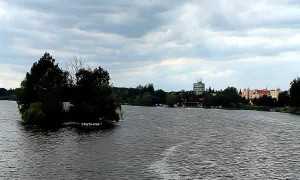
Real photos taken near the monument

Zdroj a licence jsou uvedeny u každého snímku.
Atmosphere of the place
This atmospheric visualisation of the place and period was generated by artificial intelligence. It is not real footage of the location.
Tips from visitors
No tips yet. Be the first!
Log in and add your tip.
Sources and literature
Photos: Nissan0 / CC BY-SA 3.0 — Wikimedia Commons. The author and licence also appear when you hover over the image.
Faktickým podkladem tohoto textu byl článek na Wikipedii, jehož autory jsou přispěvatelé Wikipedie. Článek je dostupný pod licencí CC BY-SA 4.0.
Location on the map



Příběhy a pověsti
Legendy, pověsti a příběhy spjaté s touto památkou
Fotografie návštěvníků
Zatím žádné fotografie. Buďte první, kdo přidá fotografii z návštěvy!
Log in a přidejte svou fotografii nebo hodnoťte.
Za ověřenou návštěvu v aplikaci získáte víc bodů — poznáme podle GPS, že jste na místě.
Reviews and comments