



Obytný dům městské spořitelny House
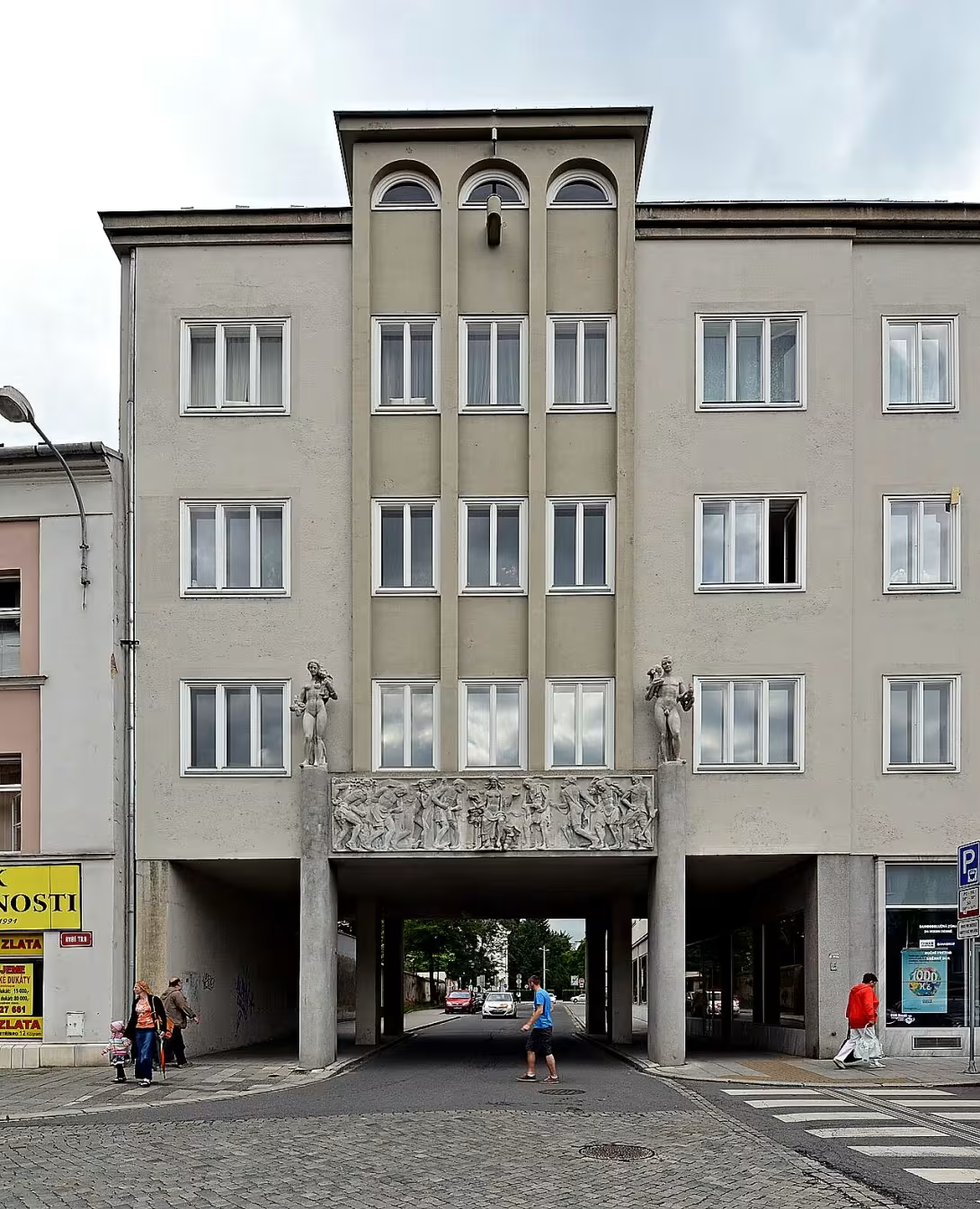
Obytný dům městské spořitelny in Opava, located at No. 170, Upper Square 24 and Čapkova Street 2, is an architectural monument from the late 1930s, designed by Otto Reichner. This building served as a seat of the city savings bank and at the same time an apartment house. It is protected by the state as a cultural monument and represents an important example of modern architecture at the time.
The emergence of a residential house is set in a historical context where Europe faced increasing tensions before World War II. Architecture in Czechoslovakia went through modern directions and Opava became one of the places where these trends found expression. From 1937 to 1939 his construction was under the leadership of architect Otto Reichner. This period was crucial for Opava as the city sought to modernise its construction environment and adapt to new architectural trends.
The architecture of the residential house is characteristic of the functional style that was popular at the time. The building was designed to meet the needs of the city savings bank and the population. Its design reflects the principles of functionalism, where emphasis is placed on the practicality and efficiency of space. Although specific materials used in the construction are not recorded in detail, it is known that architect Otto Reichner tried to integrate modern construction techniques and aesthetic principles into his work.
After completion of construction in 1939, the building served as a seat of the town savings bank. Over the years, her function has not changed, making her a stable and important object in Opava building space. The building maintained its original architectural value and was protected as a cultural monument, reflecting its importance to local history and culture.
Today, the residential house of the town savings bank is located in the historical centre of Opava in the Upper Square. It is a place that is worth visiting not only for its architectural value, but also for the possibility of immersing itself in the city's atmosphere before World War II. The accessibility of the building enables visitors to appreciate its historical and architectural importance.
This monument is an important witness to the past, which reminds us of the time when Opava tried to modernise and adapt to new architectural trends. Its preservation ensures that future generations can understand and appreciate the history of their city. Obytný dům městské spořitelny is therefore not only an architectural monument, but also part of the cultural identity of Opava, which is worth exploring and recognising.
Historical milestones
- 1937-1939
- Construction of the residential house of the city savings bank
Architectural development
The building was built in 1937- 1939. The architectural style corresponds to the then modern construction in Opava.
Historical events
From 1937 to 1939, the building was built itself. The building served as the headquarters of the city savings bank.
Points of interest
- Obytný dům městské spořitelny is an architectural monument from the late 1930s. - It was designed by Otto Reichner and served as the headquarters of the city savings bank and apartment building. - It is protected by the state as a cultural monument and represents an important example of modern architecture at the time. - It originated in a period of rising tensions before World War II, when Opava tried to modernise the building environment. - Located in the historical centre of Opava on the Upper Square and is a place worthy of visiting for its architectural value.
Guide
Show guide text
This text was created by artificial intelligence and has not been editorially reviewed. It may contain inaccuracies.
Welcome to this historic place in Opava-Town, where you are now in front of one of the most famous architectural works in this area. You are standing in front of the residential house of the city savings bank, which awaits you with great history and beautiful architecture.
This building was built between 1937 and 1939 as a combination of an apartment house and the headquarters of the city savings bank. The architect Otto Reichner, known for his modern approach, designed this building, which became an important monument to the late 1930s. The house was built at a time when the city sought new ways of life and architecture and thus became a symbol of a modern view of the residential construction site.
Look up and look over the facade. Note the meticulous arrangement of the facade that reflects the modernist style, characterized by simplicity and functionality. You won't find too much ornament here; Instead, focus on straight lines and harmony of shapes. This house is an excellent example of architecture, which aims to serve its inhabitants with maximum comfort.
Although specific historical figures associated with this building are not known, it is important to note that it was designed at a time of full change and new ideas. Otto Reichner expressed its visionary views on how spatial solutions can be integrated into everyday life.
The interesting thing is that this house not only served as a seat of the town savings bank, but also provided housing space for the inhabitants of Opava. This shows the multifunctional character of the building that combined the workplace and living space under one roof.
Now pay attention to how this monument has been maintained as a cultural heritage to date. It is protected by the state and represents an important example of modern architecture at the time. This makes it not only a monument, but also a place of inspiration for those interested in history and design.
Let's move closer to the building walls and feel its atmosphere. This house not only represents an architectural success, but also tells the story of the town of Opava and its inhabitants in times of transformation.
We would invite you to explore this fascinating place. Save time to enjoy every detail and consider how history and modernity can exist together in such harmony. Thank you for your visit to this important place. When you return to us, save time for further discoveries in Opava. God!
Tips for visitors
The best time to visit is in the morning or late afternoon, when natural light best highlights architectural details of the facade from the late 1930s.
We recommend taking with you a photographic machine and comfortable shoes that will make it easier for you to walk through the historic heart of the city.
For the best images, focus on a unique combination of residential and banking parts of the building; ideal light for photo shoot is shortly before sunset.
In the immediate vicinity is the Upper Square, which is worth visiting thanks to its historic atmosphere. For families with children, the surroundings are suitable for a peaceful walk and observation of urban architecture.
Frequently asked questions
Can the monument be visited?
This is a residential or farm building, not a museum with opening hours. Please view it from public space and respect the owners' privacy. We have no information about access to the interior.
Where is the monument?
Location: Opava-Město. The map on this page shows the exact spot.
Why is the monument protected?
It is listed in the Central List of Cultural Monuments of the Czech Republic as a cultural monument (register no. 1578973482).
Businesses nearby
Do you run a restaurant, accommodation, shop, museum, rental, wellness or other visitor service near this monument? Show yourself directly to the people heading to it — this is how they will see you in the app and on the web:
Events nearby
Zdroj akcí: otevřená data měst a obcí ČR (Národní katalog otevřených dat) a kalendář akcí Národního památkového ústavu.
Nearby
Budova leží v historickém centru Opavy na Horním náměstí.
Accommodation nearby
Themed route
1. Obytný dům městské spořitelny (Type: Building) - Look at this interesting object with rich history. 2. Upper Square (Type: Square) - Take a walk around this square that lies right by the house. 3. Historical Centre Opava (Type: Quarter) - Discover the beauty of this old town.
Seasonal recommendations
Spring: In the spring period Obytný dům městské spořitelny in Opava - the city is transformed into a magnificent still life of flowers and newly grown leaves. The sun's rays illuminate architectural details that appear in this light in full glory. The atmosphere is full of hope and renewal, making the visit strangely attractive. It is recommended to visit the memory early in the morning or in the afternoon when the sun is at the highest level and fewer people. Due to the alternating weather, it is advisable to prepare for temperature variation; light clothes with the possibility to add a layer for cooler moments would be ideal.
Summer: Summer in Opava offers the best conditions to explore the House of the City Savings House. Long sunny days and warm atmosphere attract a large number of visitors, which makes the memory alive and full of energy. The sun illuminates architecture in the best light, while the nature around it turns into full bloom. We recommend visiting the memory early in the morning or late in the evening so that it can be enjoyed without excessive crowd pressure and at lighter temperatures. Remember the sun protection; hat and sunglasses are necessary as well as sufficient hydration.
Autumn: Autumn brings the House of the City Savings House in Opava melancholy beauty. Leaves falling from trees form a living carpet that gives the atmosphere a mild nostalgia. Sun rays are shorter and warmer, which creates ideal conditions for relaxed walks around the monument. It is advisable to visit it in the meantime when the crowd is decreasing and you can enjoy a quiet tour. Due to the change in temperature, it is advisable to prepare for colder weather; light but thermal clothing would help you be comfortable throughout the visit.
Winter: Winter offers a unique atmosphere to the House of the City Savings House in Opava. Freezing air and shadow light give architecture a mysterious frame that is particularly impressive in the snow cover. The monument is less visited, which allows for a more intimate walk and observation of details without disturbing the crowd. We recommend to visit it in the afternoon, when the light is best suited for photography and tours. Don't forget the warm clothes; leather gloves, heat coat and wet-surface shoes are the basic equipment for a comfortable visit in cold weather.
Visualizations and artistic views

The visualisations are generated by artificial intelligence and serve as inspiration.
Photos from the area
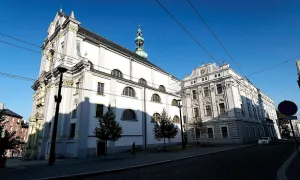
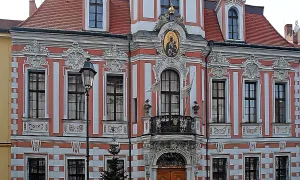
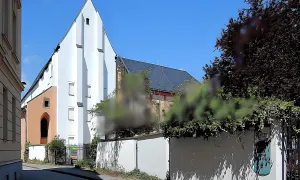
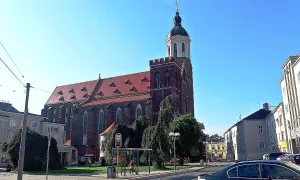
Real photos taken near the monument


Zdroj a licence jsou uvedeny u každého snímku.
Tips from visitors
No tips yet. Be the first!
Log in and add your tip.
Sources and literature
Photos: gampe / CC BY-SA 3.0 — Wikimedia Commons. The author and licence also appear when you hover over the image.
Faktickým podkladem tohoto textu byl článek na Wikipedii, jehož autory jsou přispěvatelé Wikipedie. Článek je dostupný pod licencí CC BY-SA 4.0.
Location on the map

Příběhy a pověsti
Legendy, pověsti a příběhy spjaté s touto památkou

Fotografie návštěvníků
Zatím žádné fotografie. Buďte první, kdo přidá fotografii z návštěvy!
Log in a přidejte svou fotografii nebo hodnoťte.
Za ověřenou návštěvu v aplikaci získáte víc bodů — poznáme podle GPS, že jste na místě.
Reviews and comments