






palác Granovských z Granova Palace
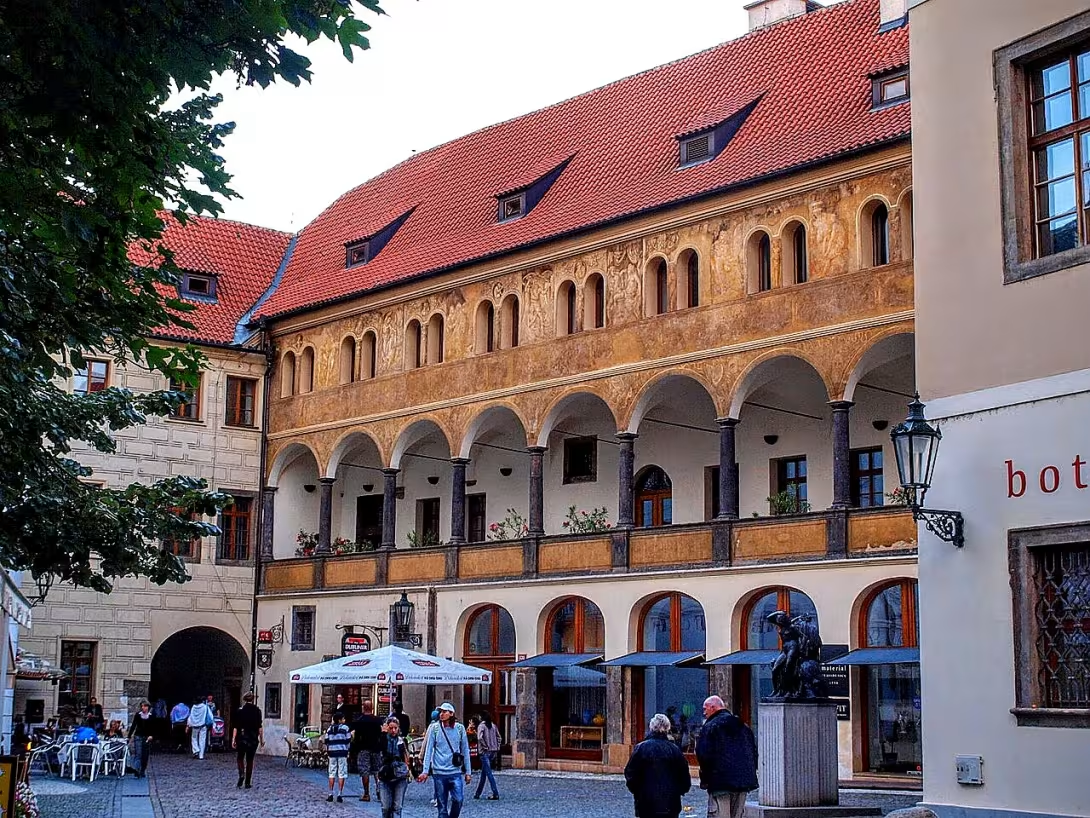
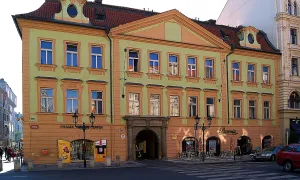
Palác Granovských z Granova, also known as the Ungelt House, is a Renaissance architectural gem located in Prague's Old Town. Situated at Týn 639/1 within Staré Město, this palace stands out for its pure Italian Renaissance style and captivating frescoes by Francesco Terzio. Recognized as a cultural monument of the Czech Republic, it offers visitors insight into Prague's rich history and artistic heritage.
The origins of Palác Granovských z Granova date back to 1558 when Jakub Granovský z Granova acquired the land through a decree from Emperor Ferdinand I. This acquisition initiated significant architectural transformations that redefined medieval structures into Renaissance elegance. The initial reconstruction phase, carried out between 1559 and 1560, focused on what is now house number 640 and expanded to include other parts of the complex. By 1667, the palace underwent a pivotal change when it was divided into separate entities, with the portion corresponding to house number 639 becoming the primary focus as the Granovský Palace.
Architecturally, the palace exemplifies Italian Renaissance style, characterized by elegant arcades and harmonious proportions. The frescoes on the first and second floors are particularly noteworthy for their use of chiaroscuro—a technique that plays with light and shadow to create depth and drama. These murals, crafted by Francesco Terzio, depict allegorical figures and biblical scenes such as Adam and Eve, Cain and Abel, and Abraham sacrificing Isaac, offering both artistic beauty and historical insight.
Ownership of the palace has seen several transitions over the centuries. Initially belonging to the Granovský family until 1620, it was sold to Pavel Michna z Vacínova in 1623 and later to Jan Petráček z Vokounštejna in 1630. The division of the Renaissance palace in 1667 marked a significant shift in its history, with the portion corresponding to house number 639 becoming distinct from other parts.
Throughout its history, Palác Granovských z Granova has witnessed various events and transformations. After World War II, it served practical purposes as storage and workshops. In more recent times, following 1989, the building returned to ecclesiastical ownership under the Archdiocese of Prague. Today, parts of the palace are utilized for office spaces while others function as a restaurant, blending its historical legacy with modern utility.
Visitors today can explore this remarkable site within the vibrant context of Prague's Old Town, an area rich with other Renaissance buildings and historical landmarks like Týn Church. The palace stands as a testament to the cultural and architectural advancements of the Renaissance period in Bohemia, offering insights into both its artistic achievements and its evolving role through history.
Palác Granovských z Granova is not only a monument of architectural significance but also a living piece of Prague's historical tapestry. Its blend of artistry and history makes it a must-visit for anyone interested in exploring the depths of Renaissance influence in Central Europe. Whether drawn to its stunning frescoes or intrigued by its storied past, this palace invites you to step into a world where history and beauty converge.
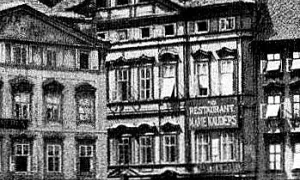
Then and now
Drag the slider to compare how the landmark may have looked when it was built with the view today.
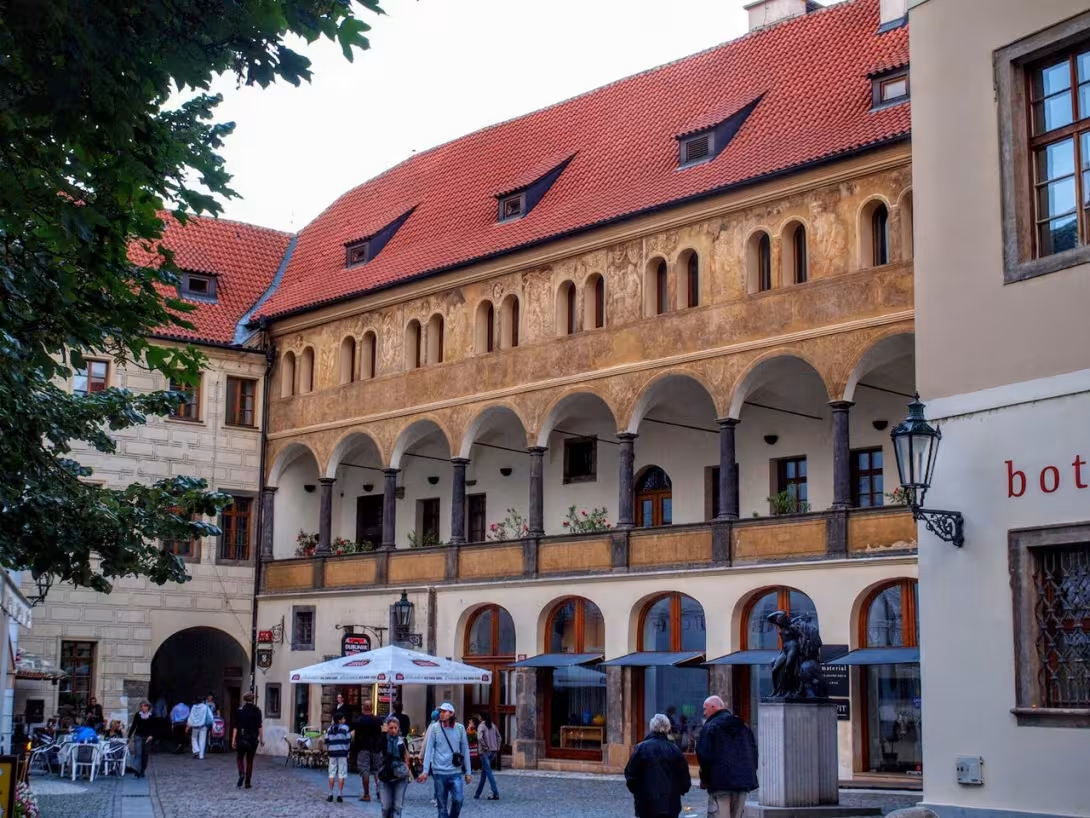
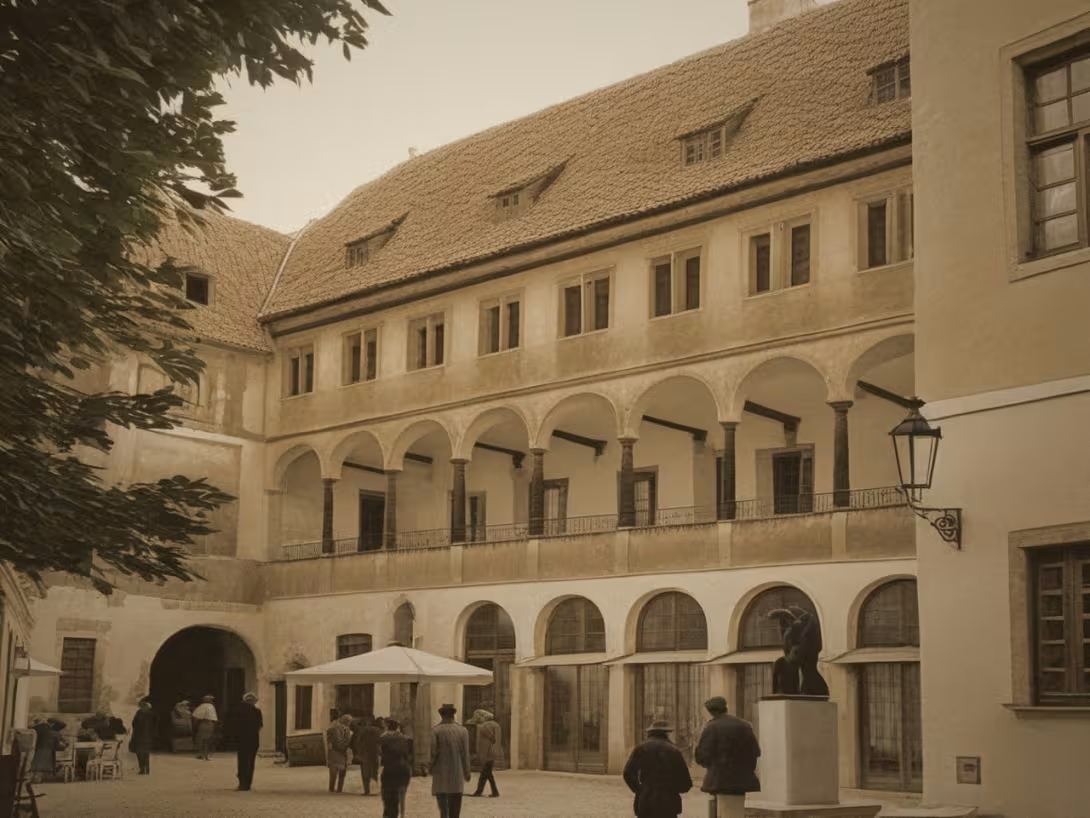
The historical appearance on the left is an AI-generated visualisation and serves as inspiration only.
Historical milestones
- 1558
- Jakub Granovský z Granova acquired the land through a decree from Emperor Ferdinand I.
- 1667
- The Renaissance palace was divided into separate entities.
Architectural development
Originally, the site housed medieval structures. The Renaissance transformation began in 1559 under Jakub Granovský z Granova's direction, initially affecting what is now house number 640 and later expanding to include other parts of the complex. Over time, the palace has seen various modifications, including restoration efforts for its frescoes.
Historical events
In 1558, Jakub Granovský z Granova acquired the land through a decree from Emperor Ferdinand I and initiated the Renaissance reconstruction of the Ungelt House between 1559-1560.
The palace underwent significant architectural changes in 1667 when it was divided into separate entities.
Owners
The Granovský family owned the palace until 1620; it was sold to Pavel Michna z Vacínova in 1623, then to Jan Petráček z Vokounštejna in 1630. In 1667, the Renaissance palace was divided.
Points of interest
- The palace was originally part of a larger complex that included what is now house number 640, indicating the Granovský family's ambitious architectural vision during its initial reconstruction phase between 1559 and 1560.
- Francesco Terzio, who created the frescoes in Palác Granovských z Granova, employed chiaroscuro—a technique that adds dramatic depth through contrasts of light and shadow—highlighting his Italian Renaissance influence and artistic mastery.
- After World War II, the palace served as a pragmatic space for storage and workshops, showcasing its adaptability to meet changing societal needs over time before returning to ecclesiastical ownership in 1989.
- The division of the palace into separate entities in 1667 marked a significant transition, emphasizing how architectural spaces can evolve and change function based on historical circumstances and ownership shifts.
- Despite various transitions in ownership—from the Granovský family to Pavel Michna z Vacínova and Jan Petráček z Vokounštejna—the palace has maintained its cultural significance, reflecting the enduring legacy of Renaissance architecture in Prague.
Guide
This guide is narrated by a synthetic voice generated by artificial intelligence.
Show guide text
This text was created by artificial intelligence and has not been editorially reviewed. It may contain inaccuracies.
Welcome to the historic site of Palác Granovských z Granova, also known as the Ungelt House, nestled in Prague's charming Old Town. As you stand here, take a moment to absorb the grandeur that surrounds you. The palatial structure stands before you, its Renaissance architecture whispering tales from centuries past.
Let's delve into its origins and historical context. In 1558, Jakub Granovský z Granova acquired this land by decree of Emperor Ferdinand I., marking the beginning of an ambitious architectural journey. By 1667, what was once a unified Renaissance palace had been divided into separate entities, reflecting the evolving needs and times.
Now, turn your attention to the architecture that captivates so many visitors. The palatial design showcases pure Italian influence, with a focus on symmetry and proportion that draws you in. As you look around, notice how seamlessly it blends into its surroundings while standing out as an architectural masterpiece of its time.
This site is intertwined with intriguing stories and historical figures. Jakub Granovský z Granova himself played a pivotal role in its history, envisioning the transformation of this land into what stands before us today. The palace's walls are adorned with chiaroscuro murals by Francesco Terzio, an Italian master whose work brings biblical scenes and allegorical figures to life.
An interesting tidbit that adds to the allure of this place is its original connection to a larger complex, which included what is now house number 640. This reflects the Granovský family's ambitious vision during the palace’s initial reconstruction phase between 1559 and 1560.
As you continue your exploration, let yourself be drawn deeper into the history and beauty that this site offers. Each corner tells a story, each mural holds secrets of its own. We invite you to wander through this historic gem and discover more about its past and the people who shaped it.
Thank you for joining us on this journey through time at Palác Granovských z Granova. May your visit inspire curiosity and wonder as you uncover the layers of history embedded in Prague's Old Town.
Tips for visitors
The best time to visit Palác Granovských z Granova, also known as the Ungelt House, is during late spring or early fall when the weather is pleasant, and there are fewer tourists compared to the peak summer months. This timing allows for a more relaxed exploration of its Renaissance architecture and historical paintings. Additionally, visiting in these seasons often means better natural lighting conditions for photography enthusiasts.
Parking can be challenging in Prague's Old Town due to limited spaces, so it is advisable to use public transportation or park in designated areas outside the city center and walk or take a tram into the area. The Old Town is well-served by trams and buses, which makes getting around convenient for visitors. Checking current routes and schedules online before your visit will help ensure smooth travel.
When visiting the Ungelt House, it's recommended to wear comfortable walking shoes as you'll likely explore more of Prague’s historical sites on foot. Also, consider bringing a camera or smartphone with a good camera to capture the stunning architecture and artwork inside the palace. A light jacket might be useful too, as temperatures can vary throughout the day.
For photography enthusiasts, the best spots for capturing the Renaissance beauty of Ungelt House are from its exterior facades, especially during the golden hours at sunrise or sunset when the lighting is soft and warm. Inside, look for areas with natural light that highlight the historical paintings and architectural details. Be respectful of any restrictions on photography inside the building.
Nearby attractions within a 30-minute walk include Týn Church, known for its impressive Gothic architecture, and other Renaissance buildings scattered throughout Prague's Old Town. These sites offer additional insights into the rich history and culture of the area. For families with children, consider visiting the nearby Charles Bridge where kids can enjoy the lively atmosphere and street performers.
Frequently asked questions
Can the monument be visited?
Yes. We verified the opening hours or admission on the official website (1. 10. 2026); you will find them in the visitor information on this page. Please double-check with the operator before you travel.
What are the opening hours and admission?
Details verified on the official website (1. 10. 2026) are listed in the visitor information on this page. Official website: https://www.muzeumprahy.cz/
Where is the monument?
Location: Staré Město, Hlavní město Praha. The map on this page shows the exact spot.
Why is the monument protected?
It is listed in the Central List of Cultural Monuments of the Czech Republic as a cultural monument. It is protected as part of a larger listed ensemble.
Businesses nearby
Do you run a restaurant, accommodation, shop, museum, rental, wellness or other visitor service near this monument? Show yourself directly to the people heading to it — this is how they will see you in the app and on the web:
Events nearby

Zdroj akcí: otevřená data měst a obcí ČR (Národní katalog otevřených dat) a kalendář akcí Národního památkového ústavu.
Nearby
Located in Prague's Old Town, the area is rich with historical sites including Týn Church and other Renaissance buildings. The landscape features a mix of medieval architecture and modern urban development within a few kilometers.
Accommodation nearby
Trips and activities nearby
Guided tours, tickets and activities nearby from GetYourGuide
Affiliate link: if you buy from the partner, we may receive a commission. The price for you does not change.
Search tours and activities →Themed route
Thematic Walking Tour: Renaissance Splendor in Prague's Old Town
1. Palác Granovských z Granova (Granovský Palace) - Type: Historical Building - Why Visit: Located in the heart of Prague’s Old Town, this exquisite Renaissance palace showcases intricate architecture and historical significance. Originally built for a prominent family of merchants, it offers insights into the opulent lifestyle of 16th-century Prague.
2. Týn Church (Church of Our Lady before Týn) - Type: Historical Site - Why Visit: Just a short walk from Granovský Palace, this stunning Gothic church is renowned for its impressive twin towers and intricate façade adorned with statues and reliefs. It provides a glimpse into the rich religious history of Prague.
3. Old Town Square (Staroměstské náměstí) - Type: Historic Plaza - Why Visit: A short stroll from Týn Church, this iconic square is the vibrant heart of Prague’s Old Town. Known for its lively atmosphere and historical landmarks such as the Astronomical Clock, it offers a perfect blend of history and modern-day culture.
4. Old New Synagogue (Staronová synagoga) - Type: Historical Site - Why Visit: Located near Old Town Square, this is one of Europe’s oldest active synagogues. Its unique architecture and the rich Jewish heritage it represents make it a must-visit for those interested in Prague's diverse cultural history.
5. Kleinovský Dvůr (Klein House) - Type: Historical Building - Why Visit: Close to Old New Synagogue, this Renaissance townhouse features beautifully preserved interiors and offers an intimate look into the architectural elegance of 16th-century Prague. It's a lesser-known gem that complements your exploration of the city’s historical treasures.
This tour provides a comprehensive journey through some of Prague’s most significant Renaissance sites, offering both architectural beauty and rich historical narratives.
Seasonal recommendations
Spring: Visiting the Granovských Palace during spring offers a unique experience as nature reawakens around the historic site. The blooming gardens and vibrant foliage create a picturesque backdrop, enhancing the palace's grandeur with lush greenery and colorful flowers. This season is characterized by mild temperatures and longer daylight hours, ideal for leisurely exploration. Visitors should take advantage of the pleasant weather to enjoy extended tours without the rush. While crowds are generally manageable, arriving early in the day can help avoid any unexpected gatherings as local interest peaks during these rejuvenating months.
Summer: Summer at Granovských Palace is marked by the full splendor of its gardens and lush surroundings, with warm sunlight casting a golden hue over the historic architecture. The atmosphere buzzes with energy as visitors flock to enjoy outdoor activities in one of Prague's most beautiful settings. Due to increased tourist activity during this peak season, it's advisable to visit early in the morning or later in the afternoon when the heat subsides and crowds thin out. Comfortable walking shoes and light clothing are recommended to navigate the expansive grounds comfortably.
Autumn: Autumn brings a serene and contemplative atmosphere to Granovských Palace as the foliage transforms into rich shades of red, orange, and gold. The cooler temperatures provide an ideal climate for exploring the palace without the summer heat, allowing visitors to appreciate the historical architecture against the backdrop of autumnal beauty. This season sees fewer tourists, offering a more intimate experience with the site's history. Layered clothing is recommended to stay warm during brisk afternoons, and capturing photographs in this picturesque setting can be particularly rewarding.
Winter: The winter months envelop Granovských Palace in a quiet, almost magical atmosphere as snow blankets the historic grounds, creating a fairy-tale-like scene that enhances its architectural elegance. Shorter days mean limited visiting hours, so planning ahead is essential to make the most of your visit. The cooler weather draws fewer visitors, allowing for a peaceful exploration of the site's rich history and architecture. Warm clothing, including hats and gloves, is crucial to stay comfortable during your visit, while capturing the palace in its winter attire offers unique photographic opportunities.
Visualizations and artistic views


The visualisations are generated by artificial intelligence and serve as inspiration.
Photos from the area
Real photos taken near the monument


Zdroj a licence jsou uvedeny u každého snímku.
Tips from visitors
No tips yet. Be the first!
Log in and add your tip.
Sources and literature
Photos: VitVit / CC BY-SA 3.0 — Wikimedia Commons. The author and licence also appear when you hover over the image.
Faktickým podkladem tohoto textu byl článek na Wikipedii, jehož autory jsou přispěvatelé Wikipedie. Článek je dostupný pod licencí CC BY-SA 4.0.
Location on the map

Příběhy a pověsti
Legendy, pověsti a příběhy spjaté s touto památkou
Fotografie návštěvníků
Zatím žádné fotografie. Buďte první, kdo přidá fotografii z návštěvy!
Log in a přidejte svou fotografii nebo hodnoťte.
Za ověřenou návštěvu v aplikaci získáte víc bodů — poznáme podle GPS, že jste na místě.
Reviews and comments