






Palác Kinských (Praha 1) Palace
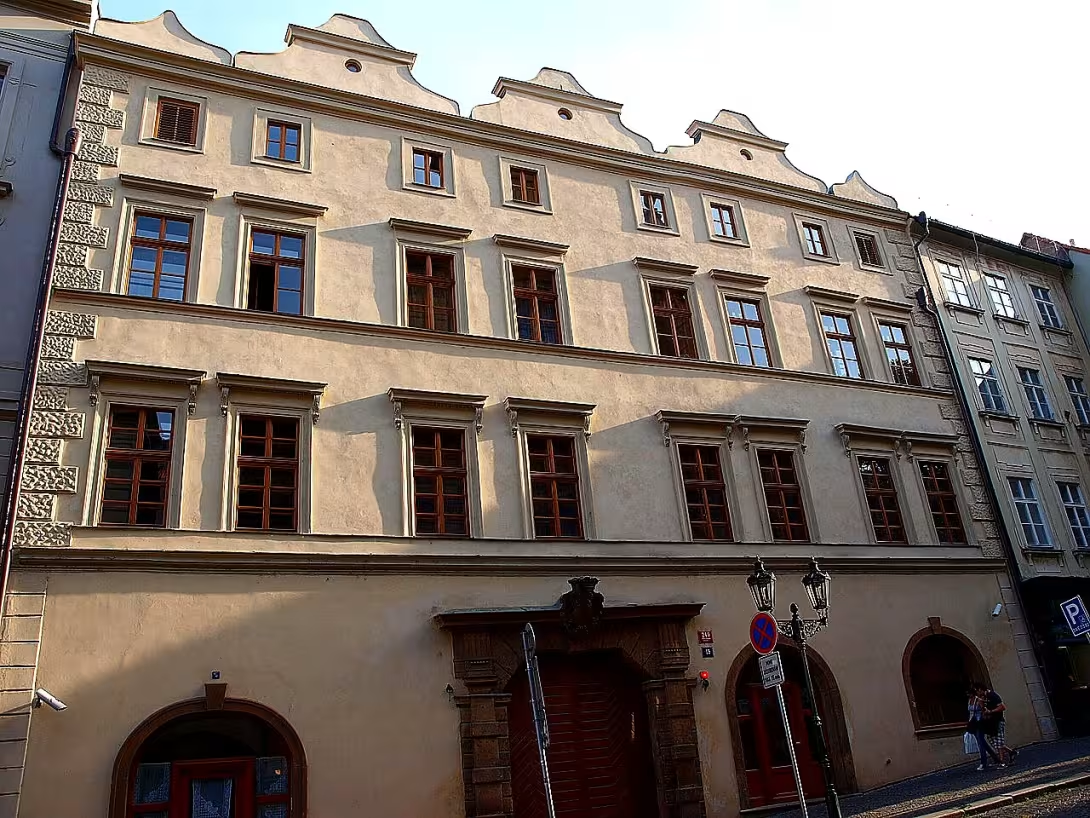
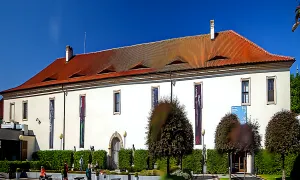
Palác Kinských, also known as Dům Kinských or Marštalkovský dům, is a Renaissance building in Nerudova Street, Prague's Malá Strana district. This palatial complex is notable for its historical significance and architectural evolution, designated as a cultural heritage site of the Czech Republic since 1958. The palace features a three-story facade with four pairs of grouped windows and five Renaissance gables, characteristic of its period. It includes two inner courtyards and a garden, all protected due to their cultural importance.
The origins of Palác Kinských involve gradual development over several architectural phases. Its western half likely rests on remnants of a former Malá Strana city wall, with Gothic masonry preserved in the ground floor. The Renaissance facade, dating back to the latter half of the 16th century, showcases hinged windows and gables typical of that era. In 1637, Rudolf von Wallenstein acquired the property, marking its transition into noble ownership. Following this acquisition, Baroque modifications were introduced after 1663 by Anselmo Lurago, adding to the palatial ensemble's architectural diversity.
The palace underwent further expansion in the late 17th century with the addition of the Hansturkovský hotel, commissioned by František Oldřich Kinský. By the late 18th century, the Kinští family ceased residing there, leading to its sale in 1800. Subsequent owners adapted the building for various uses, including residential and administrative purposes. These adaptations included significant changes such as the insertion of a new staircase and the alteration of some Renaissance vaults.
Throughout its history, Palác Kinských has experienced numerous ownership transitions and functional transformations. After being sold by the Kinští family in 1800, it served primarily for housing and later underwent further modifications to suit administrative needs. In the early 19th century, Empire-style window decorations were added to the first-floor facade, reflecting architectural trends of that period.
Today, Palác Kinských is utilized by the Office of the Chamber of Deputies to house members of parliament. Its historical layers and architectural diversity make it a noteworthy site for visitors interested in Prague's rich cultural heritage. The palace stands as a testament to the city's evolving history, offering insights into its Renaissance roots and subsequent transformations through various stylistic periods.
Visiting Palác Kinských provides an opportunity to explore a piece of Prague's storied past, where architectural innovation meets historical significance. Its preservation as a cultural monument ensures that future generations can appreciate this remarkable site within the picturesque Malá Strana district.
Then and now
Drag the slider to compare how the landmark may have looked when it was built with the view today.
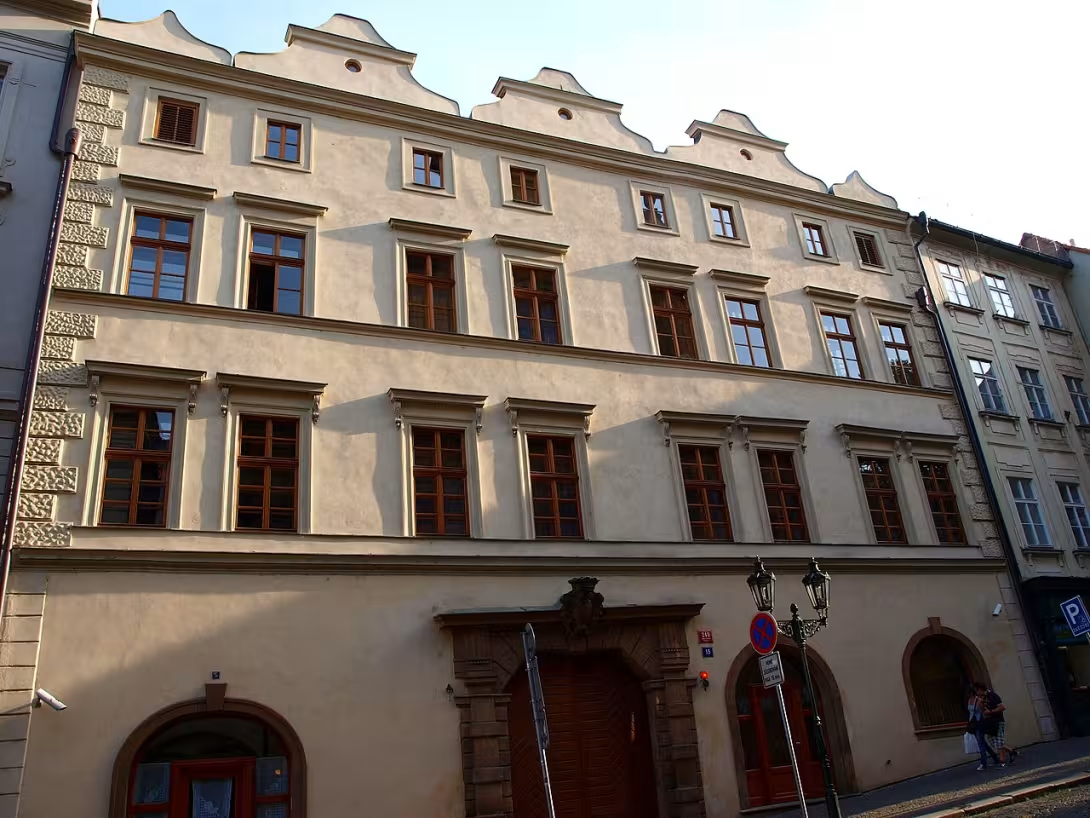
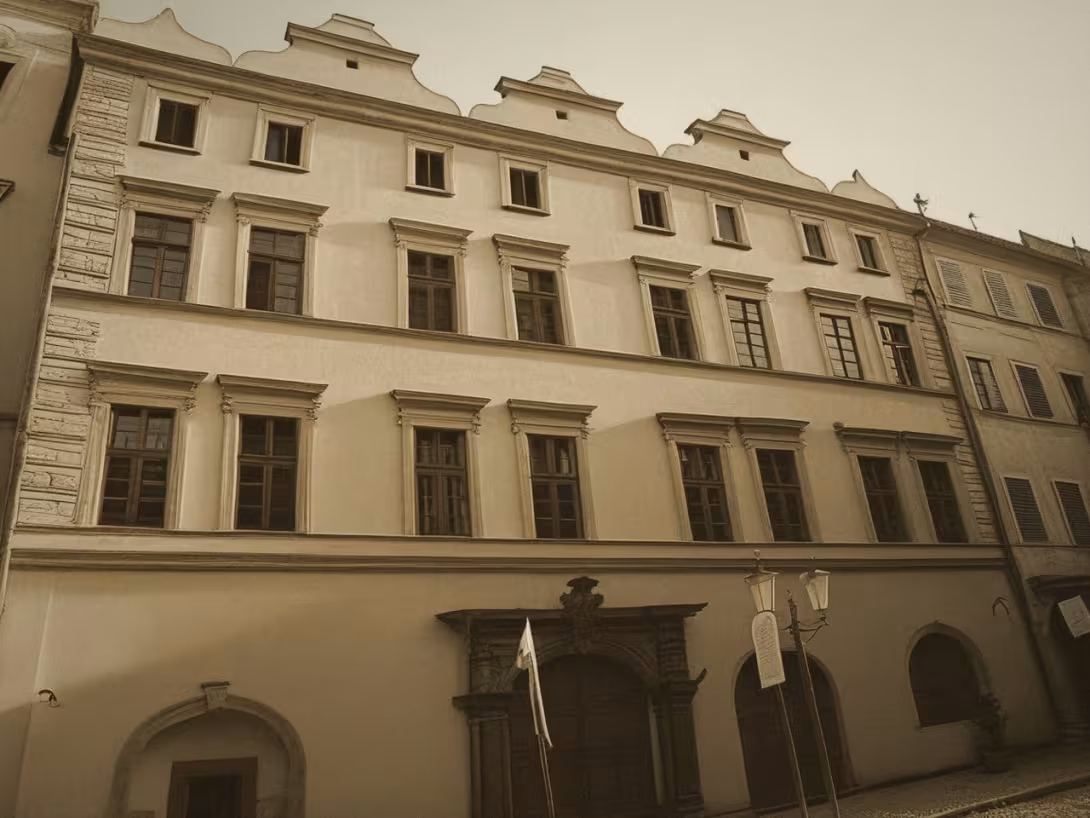
The historical appearance on the left is an AI-generated visualisation and serves as inspiration only.
Historical milestones
- end of the 16th century
- The creation of the Renaissance façade of the palace.
- 1637
- Rudolf von Wallenstein purchased the palace.
- after 1663
- Anselmo Lurago carried out Baroque modifications.
- end of the 17th century
- The addition of Hansturkovský Hotel by František Oldřich Kinský.
- 1800
- The palace was sold after the Kinští stopped living in it.
- beginning of the 19th century
- The addition of Empire style window decoration on the first floor.
Architectural development
The palace complex developed over several stages, incorporating elements from different architectural periods. The western half of the rear wing likely rests on a former Malá Strana city wall, with remnants of Gothic masonry in the ground floor. The Renaissance facade dates to the latter half of the 16th century, while Baroque modifications were made after 1663 by Anselmo Lurago. Further changes occurred in the early 19th century, including Empire-style window decorations.
Historical events
Acquired by Rudolf von Wallenstein in 1637.
Expanded with the addition of the Hansturkovský hotel after 1676.
Owners
The palace was acquired by Rudolf von Wallenstein in 1637. After the Kinští family ceased residing there in the late 18th century, it was sold in 1800. It has since been used for various purposes, including housing and administration.
Points of interest
- The western half of Palác Kinských is built upon the remnants of a former Malá Strana city wall, incorporating preserved Gothic masonry into its ground floor structure. - Rudolf von Wallenstein acquired the property in 1637, marking the beginning of its transition to noble ownership and subsequent Baroque modifications by Anselmo Lurago after 1663. - In the late 17th century, the palace expanded with the addition of the Hansturkovský hotel, commissioned by František Oldřich Kinský, reflecting the family's influence on its architectural evolution. - After ceasing to be a residence for the Kinští family in the late 18th century, Palác Kinských was sold in 1800 and underwent significant changes, including the insertion of a new staircase and alterations to some Renaissance vaults. - The early 19th-century Empire-style window decorations added to the first-floor facade illustrate the architectural trends that influenced its design during various ownership transitions.
Guide
This guide is narrated by a synthetic voice generated by artificial intelligence.
Show guide text
This text was created by artificial intelligence and has not been editorially reviewed. It may contain inaccuracies.
Welcome to the historic Palác Kinských on Prague's charming Malá Strana. As you stand here, take a moment to absorb the grandeur of this Renaissance masterpiece, with its three-story facade adorned by four pairs of grouped windows and five elegant Renaissance gables—a true testament to architectural beauty from centuries past.
Let's delve into its origins. The palace emerged in the late 16th century, crafted during an era when Prague was a vibrant hub of cultural and artistic innovation. It began as a noble residence, evolving through time as various influential figures left their mark on its structure and legacy.
Now, turn your gaze to the architectural details that catch your eye today. The facade is a harmonious blend of Renaissance elements, characterized by its symmetrical windows and gables. Notice how these features create an inviting rhythm across the building's exterior. As you walk around, observe the two inner courtyards and the serene garden nestled within—each space protected as part of our cultural heritage since 1958.
The history of Palác Kinských is rich with intriguing tales and notable figures. In 1637, Rudolf von Wallenstein acquired this property, marking a significant transition to noble ownership. His influence set in motion a series of transformations that would define the palace's character. Later, after 1663, Anselmo Lurago infused Baroque elegance into its design, adding layers of artistic flair. By the end of the 17th century, František Oldřich Kinský introduced the Hansturkovského hôtel, further enhancing its grandeur.
As you explore, consider a fascinating tidbit: the western half of the palace is built upon remnants of an old Malá Strana city wall. This integration of Gothic masonry into the ground floor adds a layer of historical intrigue to your visit today.
Now, as we conclude our brief journey through time at Palác Kinských, I invite you to continue exploring this enchanting area of Prague. Each corner holds stories waiting to be discovered. Thank you for joining me on this tour, and may your curiosity lead you to even more hidden gems in the city's rich tapestry of history.
---
This audio guide is designed to enhance your experience as you explore Palác Kinských, offering a glimpse into its storied past while encouraging further discovery. Enjoy your visit!
Tips for visitors
The best time to visit Palác Kinských is during the late spring or early autumn months when the weather is pleasant, and the crowds are smaller compared to peak tourist seasons like summer. Visiting during these times allows you to enjoy the palace's architecture without the hustle of large tour groups. Additionally, the natural light during these months enhances the beauty of the Renaissance facade with its grouped windows.
Transportation around Malá Strana is convenient both by car and public transport. If driving, there are several parking options in the vicinity, though they can be limited due to the area's popularity. Public transportation is highly recommended; you can easily reach Palác Kinských using trams or buses that serve the historic district. Always check current routes and schedules for the most efficient travel plans.
When visiting Palác Kinských, it’s advisable to bring comfortable walking shoes as Malá Strana offers many picturesque streets and gardens worth exploring on foot. A camera is also recommended to capture the stunning architecture of the palace and its surroundings. Since photography can be limited inside historical buildings, checking ahead about any restrictions or specific spots where photography is allowed would enhance your experience.
For families with children, Palác Kinských offers a delightful exploration opportunity due to its architectural beauty and the charming streets of Malá Strana. The area's gardens provide a nice space for kids to relax after exploring. Nearby, within 30 minutes walking distance, you can find other attractions like St. Nicholas Church or the nearby Charles Bridge, offering more historical insights and scenic views that are engaging for all ages.
Businesses nearby
Do you run a restaurant, accommodation, shop, museum, rental, wellness or other visitor service near this monument? Show yourself directly to the people heading to it — this is how they will see you in the app and on the web:
Events nearby

Zdroj akcí: otevřená data měst a obcí ČR (Národní katalog otevřených dat) a kalendář akcí Národního památkového ústavu.
Nearby
Located in Prague's historic Malá Strana district, Palác Kinských is surrounded by other notable buildings and landmarks. The area features picturesque streets and gardens typical of this part of the city.
Accommodation nearby
Trips and activities nearby
Guided tours, tickets and activities nearby from GetYourGuide
Affiliate link: if you buy from the partner, we may receive a commission. The price for you does not change.
Search tours and activities →Themed route
Tematická výletní trasa: Historický a architektonický průzkum Malé Strany
1. Palác Kinských - Typ: Palác - Proč stojí za návštěvu: Palác Kinských, nacházející se v srdci historického obvodu Malá Strana, je krásným příkladem barokní architektury. Původně postaven jako sídlo hrabat Kolovratů a později Kinských, tento palác nabízí návštěvníkům pohled na jeho elegantní fasády a bohatou historii spojenou s významnými osobnostmi. Jeho okolní zahrady dodávají klidné prostředí, které je ideální pro relaxaci po prozkoumání města.
2. Kostel svaté Anny - Typ: Kostel - Proč stojí za návštěvu: Nacházející se v blízkosti Paláce Kinských, kostel svaté Anny je známý svou barokní architekturou a impozantním vzhledem. Stavba byla dokončena v roce 1733 a její nejvýraznější prvek je vysoká, goticko-barokní věž s výhledem na Prahu. Kostel svaté Anny je také známý jako místo pohřbu pro členy rodu Kinských, což přidává další vrstvu historie k tomuto již fascinujícímu místu.
3. Klementinum - Typ: Knihovna a budova - Proč stojí za návštěvu: Klementinum, nacházející se jen pár minut chůze od Paláce Kinských, je nejstarší knihovnou v České republice. Tato budova byla kdysi klášterem a její historický význam spočívá v bohatém dědictví knihoven a sbírek. Návštěvníci mohou prozkoumat jeho impozantní interiéry, které zahrnují barokní sál a astronomický kabinet, což poskytuje poutavý vhled do intelektuálního života starověké Prahy.
4. Staroměstská radnice - Typ: Radnice - Proč stojí za návštěvu: I když není přímo na Malé Straně, Staroměstská radnice je snadno dostupná a nabízí pohled na Prahu z jiného úhlu. Tato ikonická budova je známá svým gotickým vzhledem, včetně věže Panny Marie s výhledem po celém městě. Je to nejen architektonicky působivé místo, ale také historické centrum českých dějin a kultury.
Tato trasa nabízí návštěvníkům komplexní průzkum barokního a gotického designu na Malé Straně, zatímco se ponořují do bohaté historie Prahy.
Seasonal recommendations
Spring: Spring at Palác Kinských offers a refreshing ambiance as the city begins to awaken from its winter slumber. The blooming flowers and lush greenery of Malá Strana provide a picturesque backdrop, enhancing the historical charm of the palace with vibrant colors. This is an ideal time for photography enthusiasts who wish to capture the blend of nature and architecture. Visitors should be prepared for occasional rain showers by wearing comfortable layers and perhaps carrying an umbrella. The weather can be unpredictable, so it's wise to check forecasts before your visit. Early mornings or late afternoons are recommended to avoid larger crowds that gather as the day progresses.
Summer: Summer at Palác Kinských is characterized by long daylight hours and warm temperatures, making it a popular time for tourists exploring Prague. The palace grounds and surrounding areas of Malá Strana come alive with energy, offering an inviting atmosphere for leisurely strolls. However, this season also sees higher visitor numbers, so arriving early in the day can help avoid crowds. Light, breathable clothing is advisable to stay comfortable during your visit. Summer evenings are particularly pleasant, as the cooler air and evening lights create a magical setting for enjoying the historical architecture.
Autumn: Autumn brings a unique charm to Palác Kinských with its rich tapestry of reds, oranges, and yellows adorning the trees around Malá Strana. The crisp air and mild temperatures make it an excellent time to explore the palace without the hustle and bustle of peak tourist seasons. This period offers a more serene experience, allowing visitors to appreciate the beauty of Prague's historical sites in tranquility. Layered clothing is recommended due to cooler mornings and evenings, ensuring comfort throughout your visit.
Winter: Winter transforms Palác Kinských into a winter wonderland with its snow-covered surroundings that enhance the palace’s majestic appearance. The city takes on a magical atmosphere during this season, especially under the glow of festive lights as Christmas approaches. While the cold weather may deter some visitors, those who do venture out will find quieter and more intimate exploration opportunities. Warm clothing is essential to enjoy your visit comfortably, along with planning for shorter opening hours that are typical in winter months. The early morning light provides a stunning backdrop for photography before the day warms up slightly.
Visualizations and artistic views


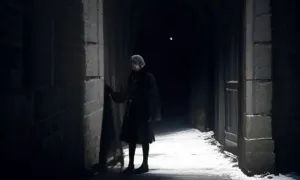
The visualisations are generated by artificial intelligence and serve as inspiration.
Photos from the area
Real photos taken near the monument

Zdroj a licence jsou uvedeny u každého snímku.
Tips from visitors
No tips yet. Be the first!
Log in and add your tip.
Sources and literature
Photos: VitVit / CC BY-SA 3.0 — Wikimedia Commons. The author and licence also appear when you hover over the image.
Location on the map

Příběhy a pověsti
Legendy, pověsti a příběhy spjaté s touto památkou
Fotografie návštěvníků
Zatím žádné fotografie. Buďte první, kdo přidá fotografii z návštěvy!
Log in a přidejte svou fotografii nebo hodnoťte.
Za ověřenou návštěvu v aplikaci získáte víc bodů — poznáme podle GPS, že jste na místě.
Reviews and comments