






Palác Langhans Palace
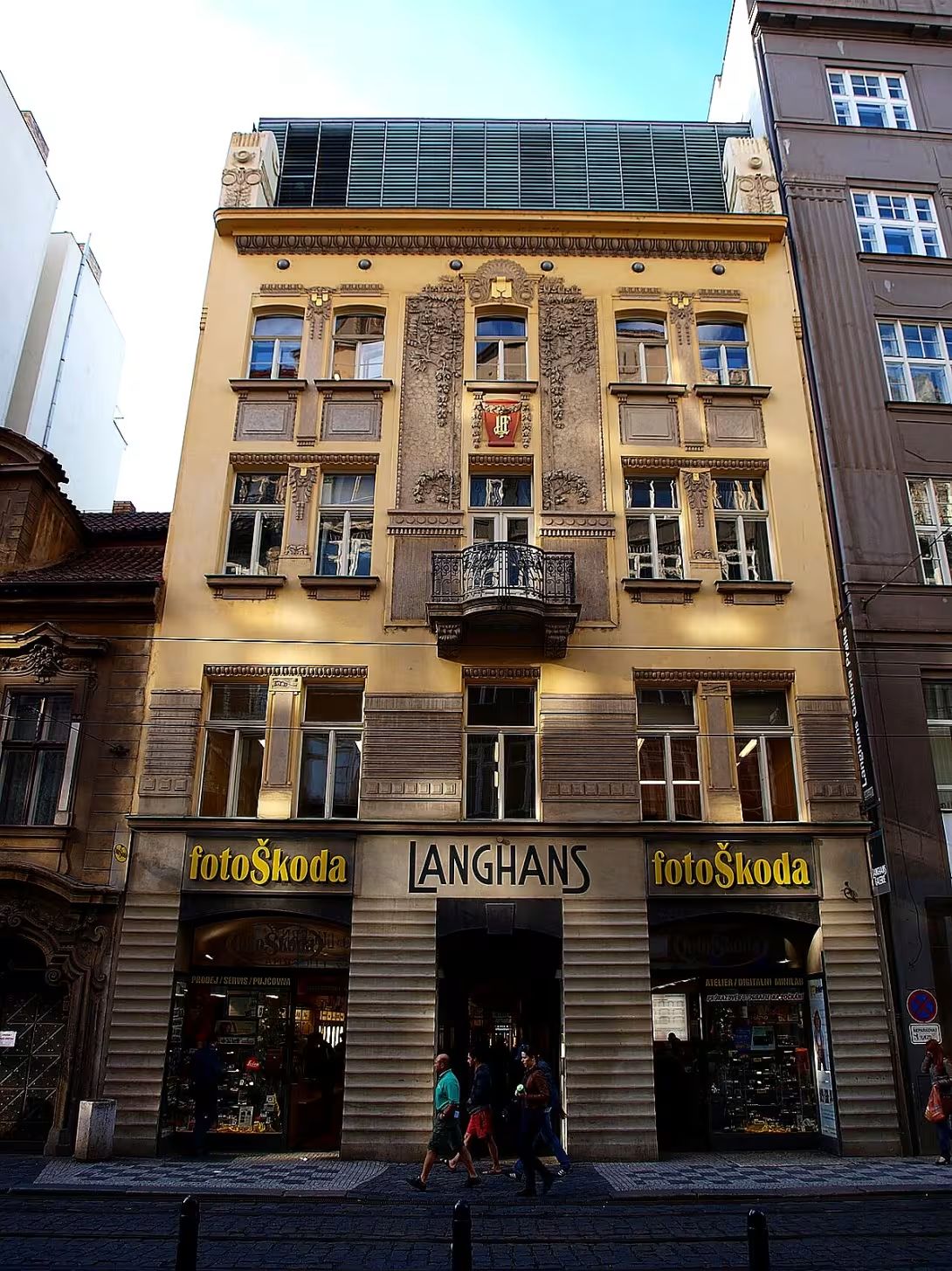
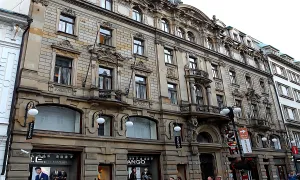
Palác Langhans stands as a significant historical monument located at Vodičkova Street in Prague 1's Nové Město district. Originally acquired by Jan Nepomuk Langhans in 1882 for his photographic studio, it became renowned for its portraits of notable figures from various fields. The building is particularly noteworthy due to the discovery of a substantial collection of historical negatives during renovations in 1998 and its modern reconstruction recognized as Building of the Year in 2003.
The origins of Palác Langhans trace back to when Jan Nepomuk Langhans, having obtained permission for photographic activities in Prague in 1880, purchased the building in 1882. This marked the beginning of a significant era for his firm, which quickly rose to prominence despite intense competition. The studio became famous for its portraits of prominent personalities of the time. In 1919, Viktor Meisner, Langhans's son-in-law, took over the firm and continued this tradition.
The architecture of Palác Langhans underwent significant changes throughout its history. Initially serving as a photographic studio, it was nationalized in 1949 by the communist regime, leading to the near destruction of Langhans’s archive. The building later served Fotografia Praha until its restitution in 1991 when it returned to the original owners. This period marked a pivotal moment with the discovery of historical negatives during renovation efforts.
Ownership and administration of Palác Langhans saw dramatic shifts over time. After Jan Nepomuk Langhans's initial acquisition, Viktor Meisner took control in 1919, maintaining the studio’s esteemed reputation. The nationalization in 1949 under communist rule marked a significant change until its restitution to the original owners in 1991.
Key events at Palác Langhans include its near destruction during the communist era and the remarkable discovery of historical negatives in 1998. These negatives included portraits of influential figures such as actors, singers, writers, politicians, industrialists, nobles, and others. This find led to an exhibition at Prague's Rudolfinum, highlighting the building’s cultural significance.
Today, Palác Langhans stands as a modernized structure with its reconstruction completed by architect Ladislav Lábus in 2003. The building is recognized for its contemporary design elements while preserving historical aspects. It houses a FotoŠkoda store and a café in its courtyard, making it an accessible site for visitors interested in both history and modern architecture.
Palác Langhans offers a unique glimpse into Prague's cultural and architectural evolution, from its origins as a renowned photographic studio to its current status as a celebrated historical monument. Its blend of historical significance and contemporary design makes it a must-visit destination for those exploring the rich tapestry of Prague’s history.
Then and now
Drag the slider to compare how the landmark may have looked when it was built with the view today.
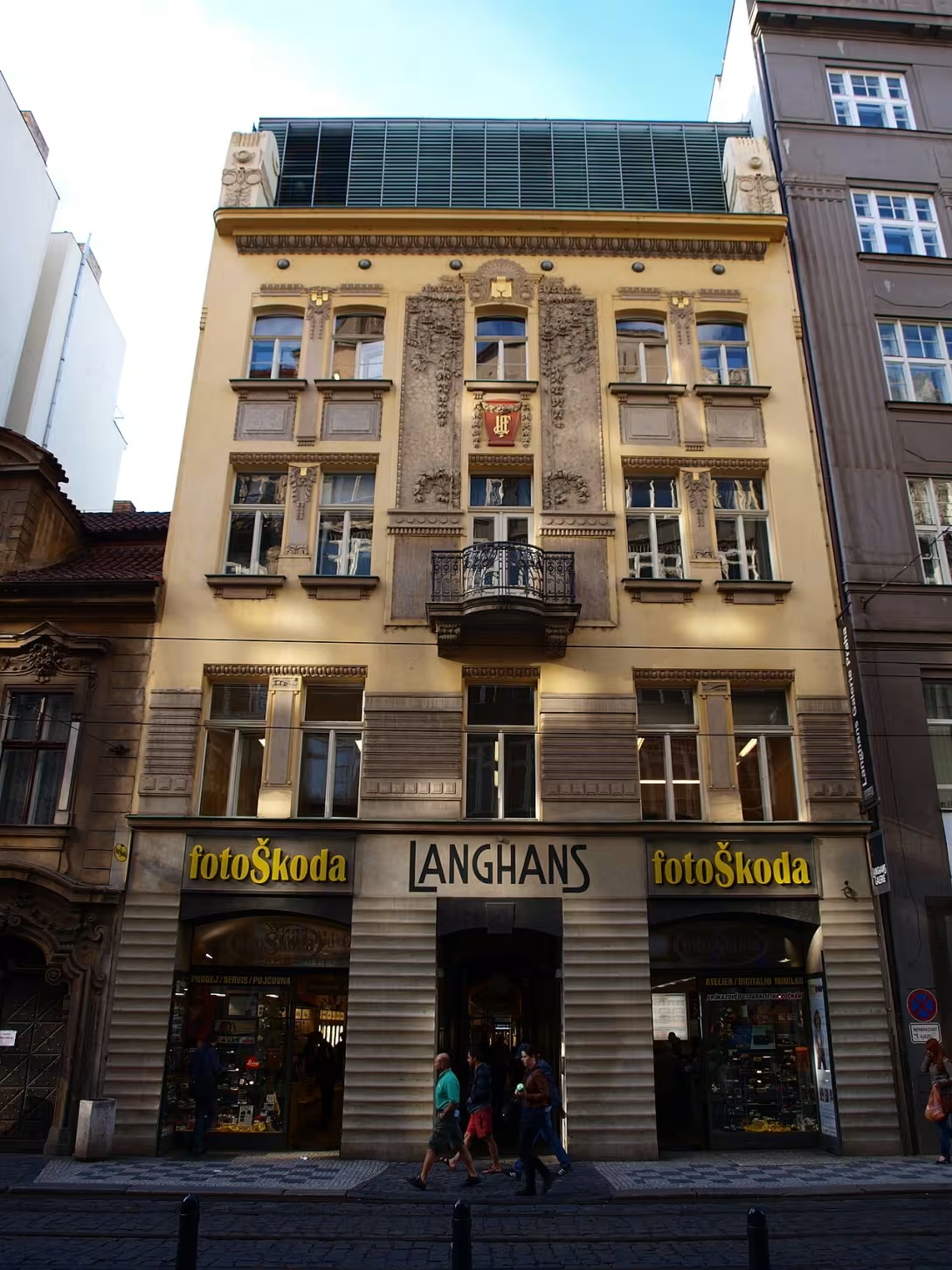
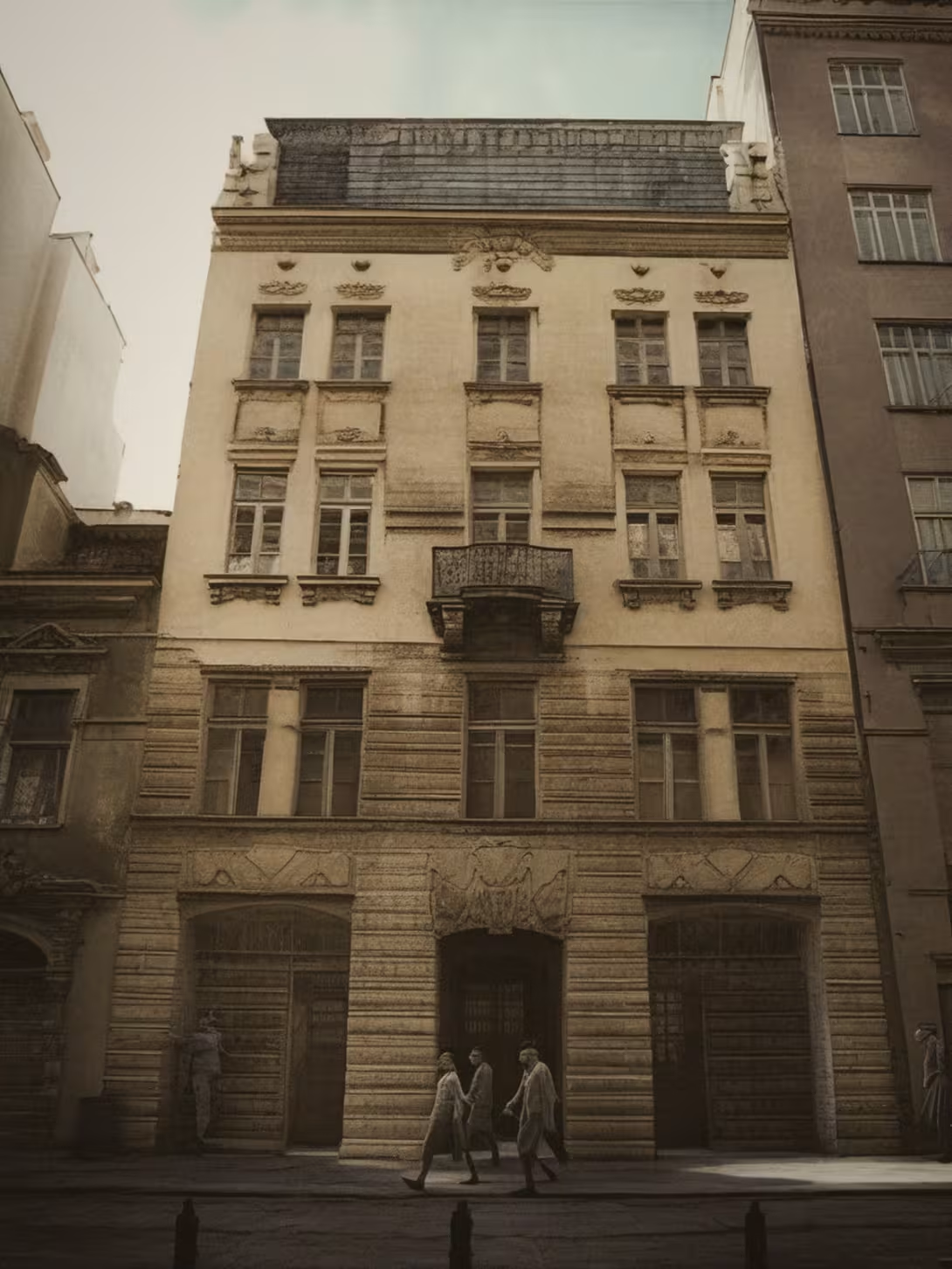
The historical appearance on the left is an AI-generated visualisation and serves as inspiration only.
Historical milestones
- 1882
- Jan Nepomuk Langhans purchased the building for his photographic studio.
- 1991
- The building was restituted to the original owners, leading to the discovery of historical negatives.
Architectural development
Originally serving as a studio for Langhans's photographic firm, Palác Langhans underwent significant changes over time. After nationalization in 1949, it was used by Fotografia Praha until its restitution in 1991. The building was then modernized and reconstructed under the direction of architect Ladislav Lábus, incorporating contemporary design elements while preserving historical aspects.
Historical events
- 1949
- The studio was nationalized and the Langhans archive was nearly destroyed.
- 1991
- The building was restituted to the original owners, leading to the discovery of historical negatives.
Points of interest
- During the communist era's nationalization of Palác Langhans in 1949, a near-total destruction of Jan Nepomuk Langhans’s extensive photographic archive was narrowly avoided due to the efforts of dedicated staff who secretly preserved some negatives.
- Among the historical negatives discovered during the 1998 renovations were portraits of Franz Kafka, capturing an intimate glimpse into the life and times of one of Prague's most enigmatic literary figures.
- Palác Langhans is rumored to have been a clandestine meeting spot for members of the Czech resistance during World War II, where secret plans were devised using hidden compartments within the studio’s walls.
- The building's unique architectural style incorporates elements from various historical periods, including an ornate Baroque façade that was added in the early 20th century as part of a renovation by Viktor Meisner to modernize its appearance while maintaining historic charm.
- In a surprising twist during its reconstruction in 2003, architect Ladislav Lábus discovered hidden tunnels beneath Palác Langhans, believed to have been used for smuggling goods during the Austro-Hungarian Empire.
Guide
This guide is narrated by a synthetic voice generated by artificial intelligence.
Show guide text
This text was created by artificial intelligence and has not been editorially reviewed. It may contain inaccuracies.
Welcome to the historic Palác Langhans, a remarkable site nestled on Vodičkova Street in Prague 1. As you stand here, take a moment to absorb the grandeur of this architectural gem that has stood as a silent witness to centuries of change and history.
The story of Palác Langhans begins in 1882 when Jan Nepomuk Langhans acquired this building for his photographic studio. This was no ordinary purchase; it marked the beginning of an era where the palatial walls would capture the essence of notable figures through the lens, creating a legacy that would transcend time.
As you gaze at the facade, notice how its classical lines speak to a bygone elegance, inviting you into a world where art and history intertwine. Though the architects remain unknown, their work has undeniably left an indelible mark on Prague's architectural heritage.
The palác is not just about architecture; it's about stories that have unfolded within these walls. Jan Nepomuk Langhans wasn't merely a photographer but a visionary who immortalized moments and faces of his time. His legacy, however, faced turmoil during the communist era when, in 1949, Palác Langhans was nationalized. This period nearly saw the destruction of an invaluable photographic archive that captured history through its lens. Yet, thanks to the clandestine efforts of dedicated staff who risked everything to preserve some negatives, this treasure trove was saved from oblivion.
Fast forward to 1991, a pivotal year when the building was restituted to Langhans' heirs. This restitution led to an extraordinary discovery: historical negatives that had been thought lost were found, offering a glimpse into the past and rekindling interest in the palác's storied history.
Among these stories is the tale of Viktor Meisner, another figure whose life intertwined with this place, further enriching its narrative tapestry. These individuals and their contributions are threads in the fabric of Palác Langhans' rich history, making it a site of not just architectural significance but also of profound historical interest.
As you stand here, let yourself be drawn into the mystery and allure that surrounds this palác. Imagine the countless stories these walls could tell if they had voices. Each photograph taken within its confines is a testament to the lives and times captured through Jan Nepomuk Langhans' lens.
We invite you to delve deeper into the history of Palác Langhans, to explore not just its architectural beauty but also the human stories that have made it what it is today. As we conclude this audio guide, remember that places like these are bridges to our past, offering insights and reflections on our journey through time.
Thank you for joining us on this auditory exploration of Palác Langhans. May your curiosity lead you to uncover more hidden gems in Prague's rich tapestry of history. Farewell, until we meet again at another historic site.
Tips for visitors
The best time to visit Palác Langhans is during the late spring or early fall when the weather is pleasant, allowing you to comfortably explore both the interior of the building and its surrounding areas. These seasons offer a balance between avoiding the summer crowds and experiencing the area's vibrant atmosphere without the chill of winter. The lighting conditions are also ideal for photography enthusiasts looking to capture the architectural beauty of the palác.
Accessing Palác Langhans is convenient by both public transport and car. Located in Prague 1, it is well-connected by various modes of transportation. Public transit options include buses and trams that service the area, making it easy for visitors without a car to reach the site.
When planning your visit to Palác Langhans, consider bringing comfortable walking shoes as you'll likely explore both the palác itself and its surrounding areas. A camera is recommended for capturing the architectural details and historical ambiance of the site. Additionally, carrying a light jacket or sweater can be helpful, especially in the early morning or late afternoon when temperatures might drop.
Photography enthusiasts will find several spots around Palác Langhans where lighting enhances the beauty of its architecture. The best times for photography are during the golden hours—shortly after sunrise and before sunset—when the natural light is softer and more flattering. Capturing the palác from Františkánské zahrady offers a picturesque view, especially with the backdrop of Prague's skyline.
Nearby attractions within a 30-minute walk include the Rudolfinum concert hall, known for its stunning architecture and cultural events. Families can also enjoy exploring Františkánské zahrady, offering a peaceful retreat in the city center. For those interested in history and art, these sites provide enriching experiences alongside your visit to Palác Langhans.
For families with children visiting Palác Langhans, consider planning your trip during weekdays or off-peak hours to avoid crowds. The area around the palác offers a variety of activities suitable for all ages, including strolls through nearby gardens and exploring historical sites. Engaging children in the history and architecture of the site can make the visit more interactive and enjoyable.
Frequently asked questions
Can the monument be visited?
Some buildings of this kind are open for guided tours, others serve another purpose or are privately owned. We have not verified whether and when this monument is open – please ask the operator.
What are the opening hours and admission?
We have not verified the opening hours or admission. Current information is published by the operator.
Where is the monument?
Location: Nové Město, Hlavní město Praha. The map on this page shows the exact spot.
Businesses nearby
Do you run a restaurant, accommodation, shop, museum, rental, wellness or other visitor service near this monument? Show yourself directly to the people heading to it — this is how they will see you in the app and on the web:
Events nearby

Zdroj akcí: otevřená data měst a obcí ČR (Národní katalog otevřených dat) a kalendář akcí Národního památkového ústavu.
Nearby
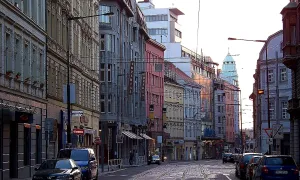
Palác Langhans is situated in Prague's Nové Město district, close to Františkánské zahrady. The area features a mix of historical and modern architecture, with nearby attractions including the Rudolfinum concert hall.
Accommodation nearby
Trips and activities nearby
Guided tours, tickets and activities nearby from GetYourGuide
Affiliate link: if you buy from the partner, we may receive a commission. The price for you does not change.
Search tours and activities →Themed route
Thematic Vlog Tour: Discovering the Heart of Prague's Nové Město
1. Palác Langhans (Palace)
Type: Historical Building
Why Visit: Begin your journey at Palác Langhans, a stunning example of neoclassical architecture in Prague’s vibrant Nové Město district. Originally built as the residence for the Austrian State Chancellor Count Franz Anton von Kolowrat-Liebsteinsky, this palace is renowned for its elegant façade and historical significance. Explore its grand interiors and learn about the influential figures who once walked these halls.
2. Františkánské zahrady (Franciscan Gardens)
Type: Historical Garden
Why Visit: A short walk from Palác Langhans, Františkánské zahrady offers a serene escape with its beautifully manicured lawns and historic statues. Established in the 18th century, these gardens provide a peaceful setting to reflect on Prague's rich history while enjoying panoramic views of the city skyline.
3. Rudolfinum (Concert Hall)
Type: Cultural Venue
Why Visit: Conclude your tour at Rudolfinum, an architectural masterpiece located just a few minutes from Palác Langhans. Known for its stunning neo-Renaissance design and acoustics, the Rudolfinum is home to the Czech Philharmonic Orchestra. Whether you're attending a concert or exploring its art gallery, this venue offers cultural enrichment and artistic inspiration.
This tour encapsulates the historical charm and cultural vibrancy of Prague's Nové Město district, offering insights into its architectural heritage and artistic legacy.
Seasonal recommendations
Jaro: In the spring season, Palác Langhans in Prague takes on a unique lighting as the sun is at about the level of the building, allowing for capturing the beauty of its architecture in light that highlights its historical details. At the same time, spring flowers begin to bloom in the surrounding gardens and park areas, adding colorful contrast to the palace's elegant design. Since summer visitors are not yet in full swing, this may be an ideal time for a quiet tour without too much crowd pressure. It is recommended to wear clothing suitable for mild weather, perhaps with an umbrella handy for sudden spring showers.
Léto: Summer brings long days and warm sunny light that illuminates Palác Langhans in the best possible way. The atmosphere is full of life, especially during the main summer season when visitor numbers increase as people come to enjoy a beautiful day and historical landmarks. For those wanting to avoid crowds, it's recommended to visit the palace early in the morning or later in the afternoon. Wear light clothing that protects against the sun, and don't forget to carry water for a long tour during warm days.
Podzim: Autumn offers Palác Langhans in an atmosphere of golden and yellow hues as tree leaves change color, adding a stunning view to the palace's surroundings. Sunny days are usually warmer than in winter, but evenings cool down quickly, so it's wise to have clothing that allows for adapting to temperature changes throughout the day. Visiting the palace during this period can be especially captivating due to its peaceful atmosphere and the opportunity to see the surrounding landscape in a different light.
Zima: A winter visit to Palác Langhans offers another kind of beauty, with the surrounding city covered in snow and ice. It is best to visit this historic site with warm clothing and appropriate shoes that can handle cold conditions and possible snow cover. In winter months, visitor numbers typically decrease, allowing for a quiet tour without crowd interference.
Visualizations and artistic views


The visualisations are generated by artificial intelligence and serve as inspiration.
Photos from the area
Real photos taken near the monument


Zdroj a licence jsou uvedeny u každého snímku.
Atmosphere of the place
This atmospheric visualisation of the place and period was generated by artificial intelligence. It is not real footage of the location.
Tips from visitors
No tips yet. Be the first!
Log in and add your tip.
Sources and literature
Photos: VitVit / CC BY-SA 3.0 — Wikimedia Commons. The author and licence also appear when you hover over the image.
Faktickým podkladem tohoto textu byl článek na Wikipedii, jehož autory jsou přispěvatelé Wikipedie. Článek je dostupný pod licencí CC BY-SA 4.0.
Location on the map
More monuments – Nové Město
Show all in the municipality


Příběhy a pověsti
Legendy, pověsti a příběhy spjaté s touto památkou
Fotografie návštěvníků
Zatím žádné fotografie. Buďte první, kdo přidá fotografii z návštěvy!
Log in a přidejte svou fotografii nebo hodnoťte.
Za ověřenou návštěvu v aplikaci získáte víc bodů — poznáme podle GPS, že jste na místě.
Reviews and comments