



Palác Lažanských na Novém Městě Palace
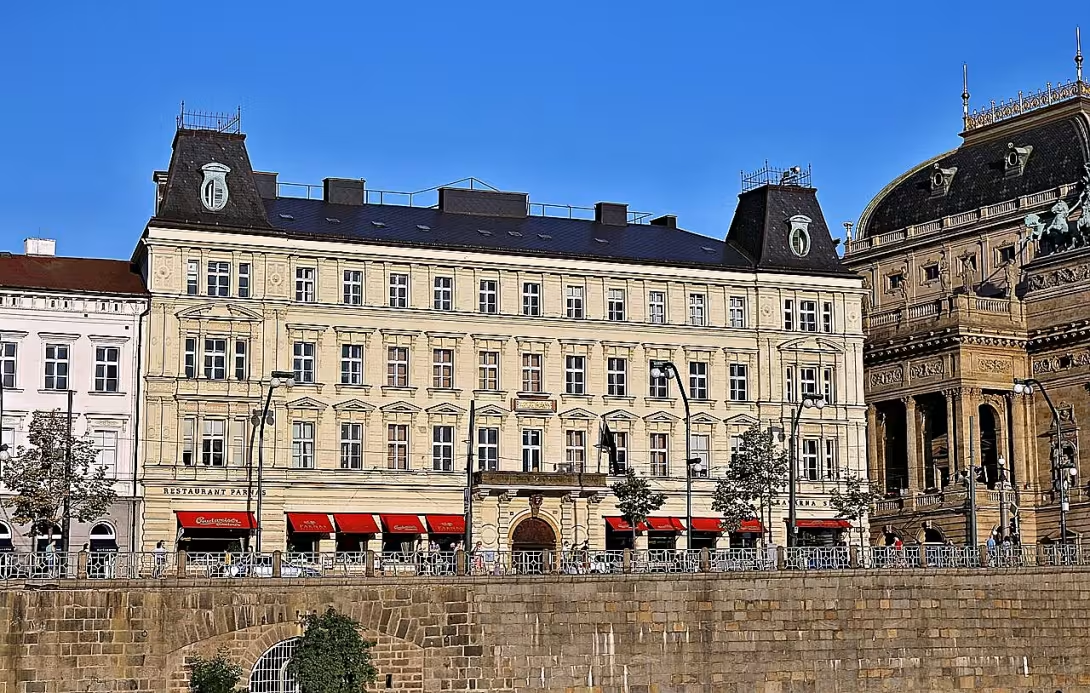
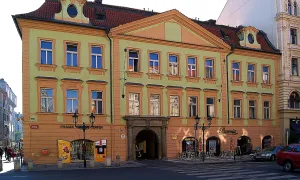
Palác Lažanských is a distinguished Neo-Renaissance palace located in Prague's New Town at the intersection of Národní třída and Smetanova nabřeží. Built between 1861 and 1863 for Count Prokop Lažanský, this architectural gem stands opposite the National Theatre. The building is notable not only for its historical significance but also for its cultural contributions over time. It has housed the renowned Slavia café since the late 19th century and currently accommodates the Filmová a televizní fakulta of the Academy of Performing Arts. Recognized as a cultural monument, Palác Lažanských offers visitors a glimpse into Prague's rich architectural and cultural heritage.
The palace was commissioned by Count Prokop Lažanský in the mid-19th century, an era marked by Bohemia's national revival within the Austro-Hungarian Empire. This period saw a resurgence of interest in Czech history and culture, reflected in the Neo-Renaissance style of Palác Lažanských. Architect Vojtěch Ignáce Ulman designed it as a noble residence for Count Lažanský. In its early years, the palace also served as a residence for celebrated Czech composer Bedřich Smetana in the 1860s, further embedding it within Prague's cultural fabric.
Architecturally, Palác Lažanských exemplifies the Neo-Renaissance style, characterized by historical motifs and elegant design. The building underwent significant changes over time, including a major renovation of the Slavia café in the early 1930s that altered its interior layout and expanded its windows. In 1907, a secession-style portico with a marquee was added to enhance its aesthetic appeal. These modifications have contributed to the palace's enduring charm and historical significance.
Ownership and administration of Palác Lažanských have seen notable figures and events throughout its history. Originally commissioned by Count Prokop Lažanský, the ground floor café, Slavia, was established in 1881 by Václav Zoufalý. The café has become a cultural hub, maintaining its presence through various renovations and closures, including a period of closure from 1989 to 1997 before reopening.
Palác Lažanských is surrounded by significant landmarks such as the National Theatre, Gallery Hollar, and the Academy of Sciences building. This proximity to other cultural heritage sites enhances its appeal as a destination for those interested in exploring Prague's historical and artistic legacy. The palace itself has witnessed various key events, including its role as a residence for Bedřich Smetana and its transformation into a vibrant café that continues to attract visitors.
Today, Palác Lažanských remains an accessible cultural monument open to the public. Visitors can explore its historical architecture, enjoy the ambiance of the Slavia café, or learn about its connection to the Academy of Performing Arts. The palace's rich history and architectural beauty make it a worthwhile destination for anyone interested in Prague's cultural heritage.
Palác Lažanských stands as a testament to Prague's architectural evolution and cultural vibrancy. Its historical significance, combined with its ongoing role in the city's cultural life, invites visitors to experience a piece of Bohemia's past while enjoying the present-day charm it offers. Whether drawn by its Neo-Renaissance architecture or the allure of the Slavia café, Palác Lažanských is a must-visit for anyone exploring Prague's Old Town.
Then and now
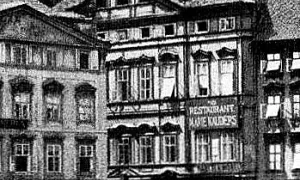
Drag the slider to compare how the landmark may have looked when it was built with the view today.
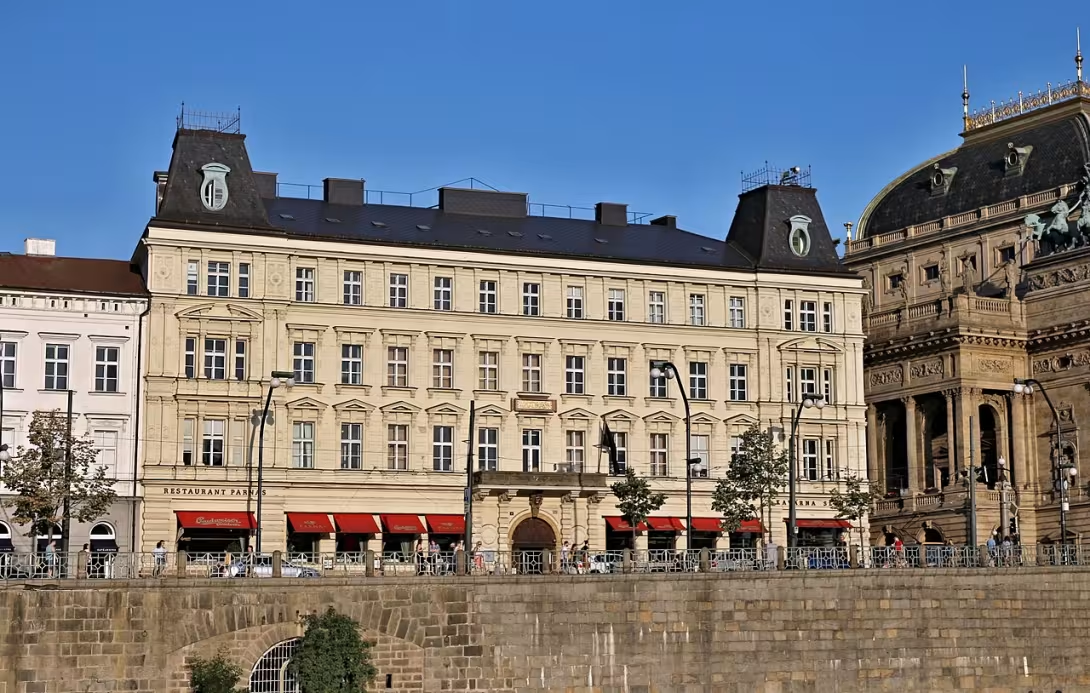

The historical appearance on the left is an AI-generated visualisation and serves as inspiration only.
Historical milestones
- 1861
- Construction of Palác Lažanských began.
- 1881
- Slavia café established on the ground floor.
Architectural development
Palác Lažanských was constructed in the Neo-Renaissance style between 1861 and 1863. The building underwent significant changes, including a first major renovation of the Slavia café in the early 1930s, which altered its interior layout and expanded its windows. A secession-style portico with a marquee was added to the structure in 1907.
Historical events
1861-1863: Construction of Palác Lažanských completed under Count Prokop Lažanský's commission.
1881: Establishment of the Slavia café on the ground floor by Václav Zoufalý.
Owners
Originally owned by Count Prokop Lažanský, who commissioned it in the 1860s. The ground floor café, Slavia, has been operational since its establishment by Václav Zoufalý in 1881.
Points of interest
- The Neo-Renaissance style of Palác Lažanských was influenced by the Bohemian national revival, reflecting a renewed interest in Czech history and culture during its construction.
- In addition to being designed as a noble residence, Palác Lažanských briefly served as a home for the renowned Czech composer Bedřich Smetana in the 1860s, highlighting its cultural significance.
- The Slavia café, established in the palace's ground floor by Václav Zoufalý in 1881, has been a continuous cultural hub despite undergoing various renovations and even closing from 1989 to 1997 before reopening.
- A secession-style portico with a marquee was added to Palác Lažanských in 1907, enhancing its aesthetic appeal and showcasing the evolving architectural tastes of the time.
- The palace's location at the intersection of Národní třída and Smetanova nabřeží places it near other significant cultural landmarks like the National Theatre and Gallery Hollar, integrating it into Prague’s rich artistic legacy.
Guide
This guide is narrated by a synthetic voice generated by artificial intelligence.
Show guide text
This text was created by artificial intelligence and has not been editorially reviewed. It may contain inaccuracies.
The Lažanský Palace is a Neo-Renaissance building at the corner of Národní Street and Smetanova Embankment in Prague, opposite the National Theatre. Among its neighbors are also the building of the Academy of Sciences and the Hollar Gallery. On the ground floor is the Slavia Café, while the rest of the building is used by the Film and Television Faculty of the Academy of Performing Arts. The palace is protected as a cultural monument.
Count Prokop Lažanský had it built as his aristocratic residence. It was constructed between 1861 and 1863 according to a design by Vojtěch Ignác Ulman. Already in the eighteen-sixties, the composer Bedřich Smetana stayed there.
In 1881, businessman Václav Zoufalý established a café on the ground floor of the palace. Initially it was called the Great Slavia, later the Slavia Café. Under this name it has operated, with various modifications, to this day. In 1907, an Art Nouveau marquee was added to the building.
At the beginning of the nineteen-thirties, the café underwent its first renovation. The interior layout changed and the café windows were enlarged. Between 1989 and 1997, the Slavia was closed. Since then, it has been serving guests again.
Tips for visitors
The best time to visit Palác Lažanských is during the late spring or early fall, when the weather is pleasant for exploring both the palace itself and its surrounding cultural landmarks. During these months, you can enjoy outdoor cafes nearby while taking in the Neo-Renaissance architecture of the palace without the summer crowds or winter chill. Additionally, visiting on a weekday might offer a quieter experience as opposed to weekends which tend to be busier.
Transportation options are plentiful for reaching Palác Lažanských. It's advisable to check current transportation options online before your visit.
When planning your visit, consider bringing comfortable walking shoes as exploring Prague’s Old Town involves quite a bit of walking. A camera or smartphone is recommended for capturing the stunning architecture and vibrant atmosphere. Don’t forget to bring water and perhaps an umbrella in case of sudden rain showers, which are not uncommon in Prague during spring and fall.
Photography enthusiasts will find several spots around Palác Lažanských ideal for capturing its architectural beauty. The best light is usually early morning or late afternoon when the sun casts a warm glow over the building’s façade. For interior shots, check if there are any special events or exhibitions that might allow access to otherwise restricted areas.
In addition to visiting Palác Lažanských, consider exploring nearby attractions within a 30-minute walk. The National Theatre offers stunning architecture and occasional performances, while Gallery Hollar features intriguing art exhibits. For families with children, the Academy of Sciences building hosts interactive exhibitions that can be both educational and entertaining.
Frequently asked questions
Can the monument be visited?
Some buildings of this kind are open for guided tours, others serve another purpose or are privately owned. We have not verified whether and when this monument is open – please ask the operator.
What are the opening hours and admission?
We have not verified the opening hours or admission. Current information is published by the operator.
Where is the monument?
Location: Smetanovo nábř. 1012/2, Staré Město, Praha, Hlavní město Praha. The map on this page shows the exact spot.
Why is the monument protected?
It is listed in the Central List of Cultural Monuments of the Czech Republic as a cultural monument (register no. 38848/1-439).
Businesses nearby
Do you run a restaurant, accommodation, shop, museum, rental, wellness or other visitor service near this monument? Show yourself directly to the people heading to it — this is how they will see you in the app and on the web:
Events nearby

Zdroj akcí: otevřená data měst a obcí ČR (Národní katalog otevřených dat) a kalendář akcí Národního památkového ústavu.
Nearby
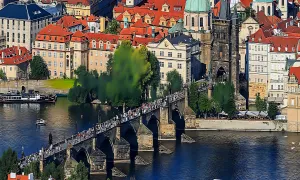
Palác Lažanských is situated near significant landmarks such as the National Theatre, Gallery Hollar, and the Academy of Sciences building. The area is rich with cultural heritage sites.
Accommodation nearby
Trips and activities nearby
Guided tours, tickets and activities nearby from GetYourGuide
Affiliate link: if you buy from the partner, we may receive a commission. The price for you does not change.
Search tours and activities →Themed route
Thematic Walking Tour: Palác Lažanských and its Cultural Surroundings
1. Palác Lažanských - Type: Historic Palace - Why Visit: Begin your journey at the elegant Palác Lažanských, a stunning example of Baroque architecture located in Prague's vibrant Nové Město. This palace is renowned for its rich history and beautiful interiors that reflect the grandeur of 18th-century aristocratic life.
2. National Theatre - Type: Cultural Landmark - Why Visit: A short walk from Palác Lažanských, the National Theatre stands as a symbol of Czech cultural pride. This iconic building is not only an architectural masterpiece but also a hub for theatrical performances that showcase the rich tapestry of Czech arts and culture.
3. Gallery Hollar - Type: Art Gallery - Why Visit: Just a stone's throw away from the National Theatre, Gallery Hollar offers a unique glimpse into the world of art with its focus on prints and drawings. Named after the famous Czech artist Wenceslas Hollar, this gallery is perfect for art enthusiasts looking to explore diverse artistic expressions.
4. Academy of Sciences Building - Type: Historic Institution - Why Visit: Conclude your tour at the Academy of Sciences building, an impressive structure that has been a center of scientific and cultural development since its inception in 1785. Its grand architecture and historical significance make it a must-visit for those interested in the intellectual heritage of Prague.
This thematic walking tour offers a rich exploration of cultural and historic landmarks surrounding Palác Lažanských, providing insights into Prague's artistic and architectural legacy.
Seasonal recommendations
Spring: Spring at Palác Lažanských offers a refreshing atmosphere as nature awakens, with blossoming trees and vibrant flowers adding to the charm of this historic site. The soft morning light enhances the architectural details, making it an ideal time for photography enthusiasts. Visitors should consider wearing comfortable layers, as temperatures can vary throughout the day. While crowds are generally moderate, arriving early in the morning allows you to enjoy a quieter experience before more tourists arrive.
Summer: Summer at Palác Lažanských is characterized by long days and warm weather, perfect for exploring the palace gardens and enjoying outdoor activities. The lush greenery and blooming flowers create a picturesque setting, although it can become quite busy during peak tourist season. To avoid large crowds, plan to visit in the early morning or late afternoon. Light, breathable clothing is recommended, along with sunscreen and a hat to protect from the sun.
Autumn: Autumn at Palác Lažanských brings a stunning display of fall foliage, with vibrant reds, oranges, and yellows transforming the landscape into a breathtaking scene. The cooler temperatures make it an ideal time for leisurely strolls through the gardens. As daylight hours shorten, visitors should plan to arrive earlier in the day to fully appreciate the scenery. Layered clothing is advisable due to fluctuating temperatures.
Winter: Winter at Palác Lažanských offers a serene and magical atmosphere with snow-covered grounds that highlight the palace's architectural beauty. The shorter days mean visiting early is recommended to make the most of daylight hours, while evenings can be enjoyed with warm drinks in hand. Due to colder weather, it's essential to dress warmly in layers, including hats, gloves, and scarves. Keep in mind that some outdoor areas may have limited access during this season due to snow or ice.
Visualizations and artistic views


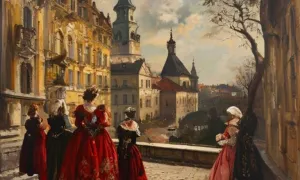
The visualisations are generated by artificial intelligence and serve as inspiration.
Photos from the area
Real photos taken near the monument


Zdroj a licence jsou uvedeny u každého snímku.
Tips from visitors
No tips yet. Be the first!
Log in and add your tip.
Sources and literature
Photos: VitVit / CC BY-SA 4.0 — Wikimedia Commons. The author and licence also appear when you hover over the image.
Faktickým podkladem tohoto textu byl článek na Wikipedii, jehož autory jsou přispěvatelé Wikipedie. Článek je dostupný pod licencí CC BY-SA 4.0.
Location on the map

Příběhy a pověsti
Legendy, pověsti a příběhy spjaté s touto památkou
Fotografie návštěvníků
Zatím žádné fotografie. Buďte první, kdo přidá fotografii z návštěvy!
Log in a přidejte svou fotografii nebo hodnoťte.
Za ověřenou návštěvu v aplikaci získáte víc bodů — poznáme podle GPS, že jste na místě.
Reviews and comments