






Palác Porgesů z Portheimu Palace
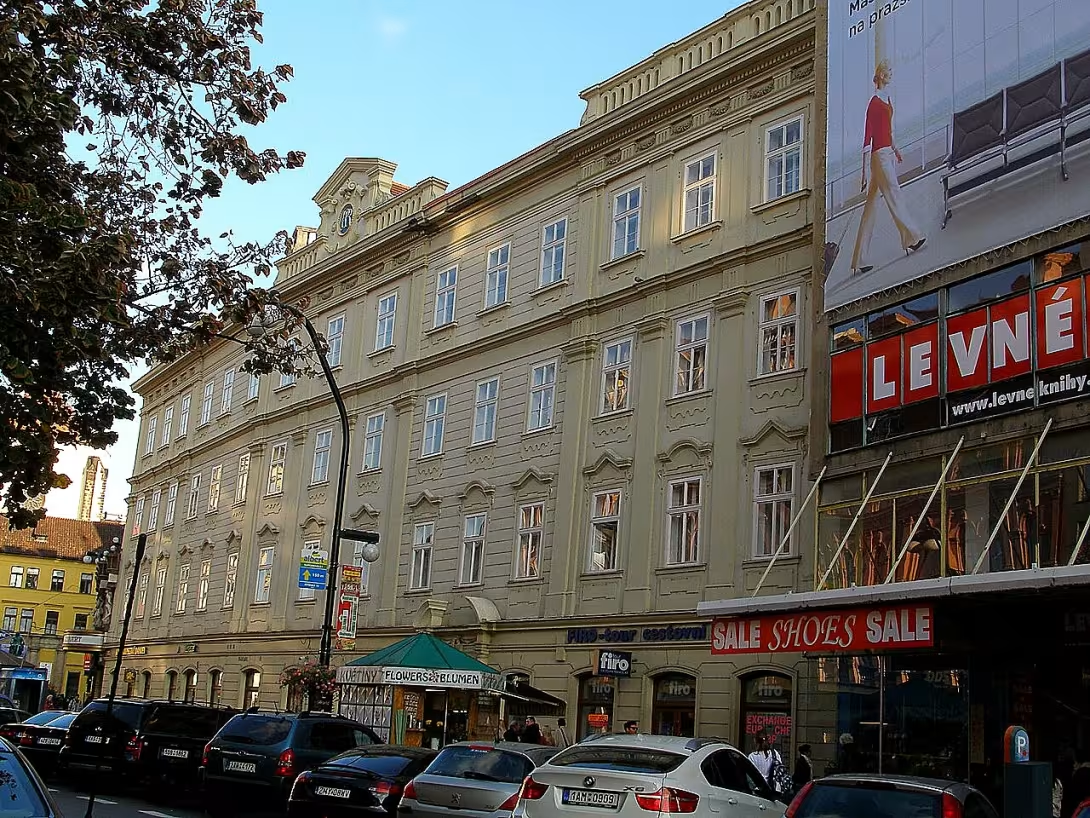
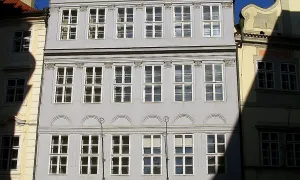
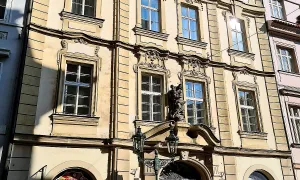
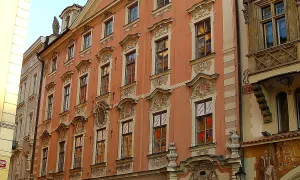
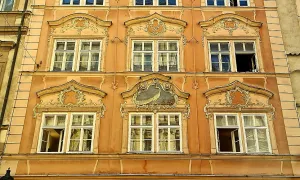
Palác Porgesů z Portheimu, also known as Desfour or Wimmer Palace, is an important city palace in Prague New Town. The construction between 1762 and 1776 replaced three older Gothic houses with a two-story neoclassical structure attributed to the architect Ignáci Palliardi. Born as a cultural monument since 1964, the palace is remarkable for its architectural development and historical significance.
The origin of Palác Porgesů z Portheimu dates back to the late 18th century when it was built on the site of three older Gothic houses. The central house, known as the Salat's, was owned by Baroque painter Jan Jiří Heinsch in 1696 and later by the family of sculptor Jan Brokoff. In 1760, due to debts, this property was sold at auction. In 1761, Count Maxmilián Desfours acquired two of these houses and merged them into a single structure. By 1776, he had also bought a third house, putting his transformation into a neoclassical palace attributed to Ignác Palliardi. This architectural shift from Gothic to neoclassicism reflects the wider influence of the Enlightenment in this period in Bohemia.
The Palác Porgesů z Portheimu architecture is characterized by a neoclassical design that replaced the original Gothic structures. During time, the palace passed further modifications: in the left wing, an extension was added in 1852 and after 1864 additional upper floors were built. These changes illustrate the development of architectural styles and functional needs over time.
The ownership of the palace has changed hands several times in its history. Originally owned by Count Maxmilián Desfours until 1795, she switched to the Wimmer family, who also acquired adjacent properties such as Palac Platez. Jakub svobodný pán z Wimmeru, a remarkable figure in the army of C.K. and philanthropist, hosted Russian General Alexander Suvorov in the palace from 22 December 1799 to 28 January 1800. Wimmers' ownership continued until 1852 when the Kolbe family acquired it. The subsequent modifications were made by Jan Ripota in the middle of the 19th century. After Ferdinand Kolbe's death, Rosa Porges of Porthei bought the palace and her family retained ownership until World War II.
The key event associated with Palác Porgesů z Portheimu is hosting Russian General Alexander Suvorov during his stay in Prague in 1799. This visit is commemorated by a memorial plate on the outside facade and a bronze bust installed in 1947, created by sculptor Lubomír Boček. Near the palace stands Wimmer's fountain, a fountain built in the late 18th century, adding to its historical charm.
Palác Porgesů z Portheimu is now owned by Prague Gas and serves as a seat for various businesses. The inner courtyard of the palace is open to the public and offers a functioning confectionery shop, making it an attractive destination for visitors who are interested in history and local culture.
Palác Porgesů z Portheimu offers a unique view of Prague's architectural evolution and rich historical tapestry. Its mixture of neoclassical design and told past makes it a bridge-visit place for anyone who explores the heart of New Town, where urban architecture meets the cultural heritage.
Then and now
Drag the slider to compare how the landmark may have looked when it was built with the view today.
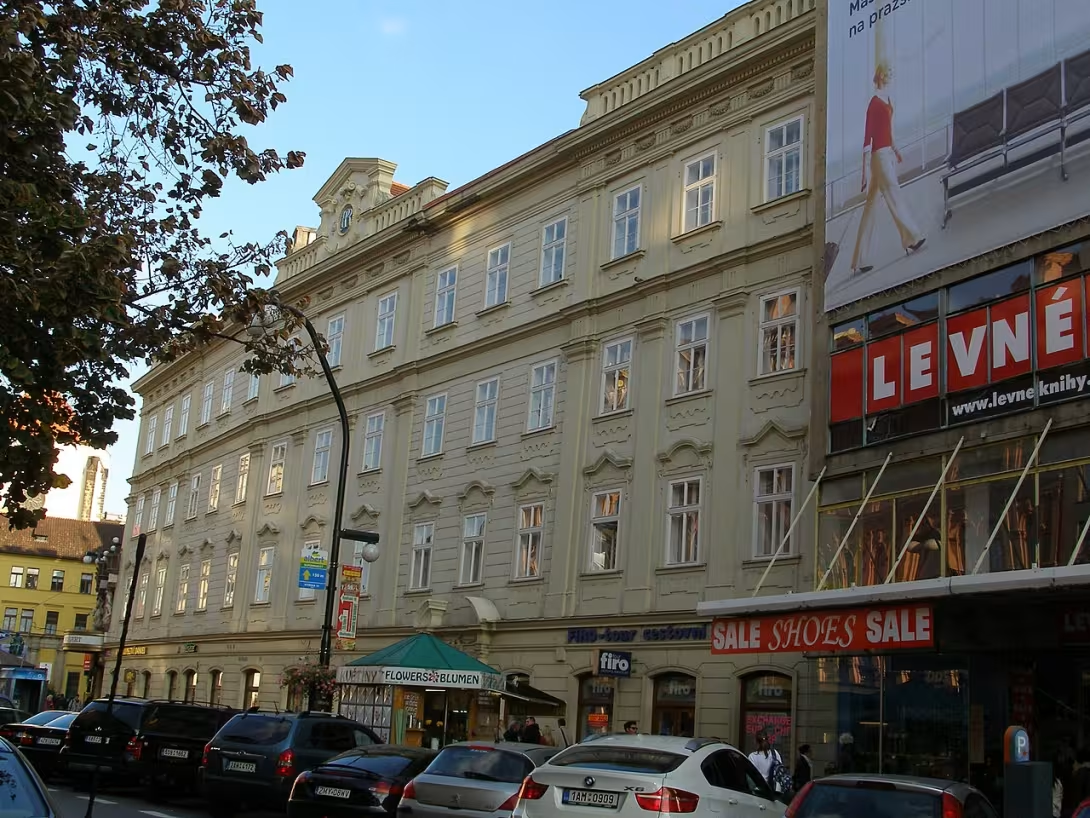
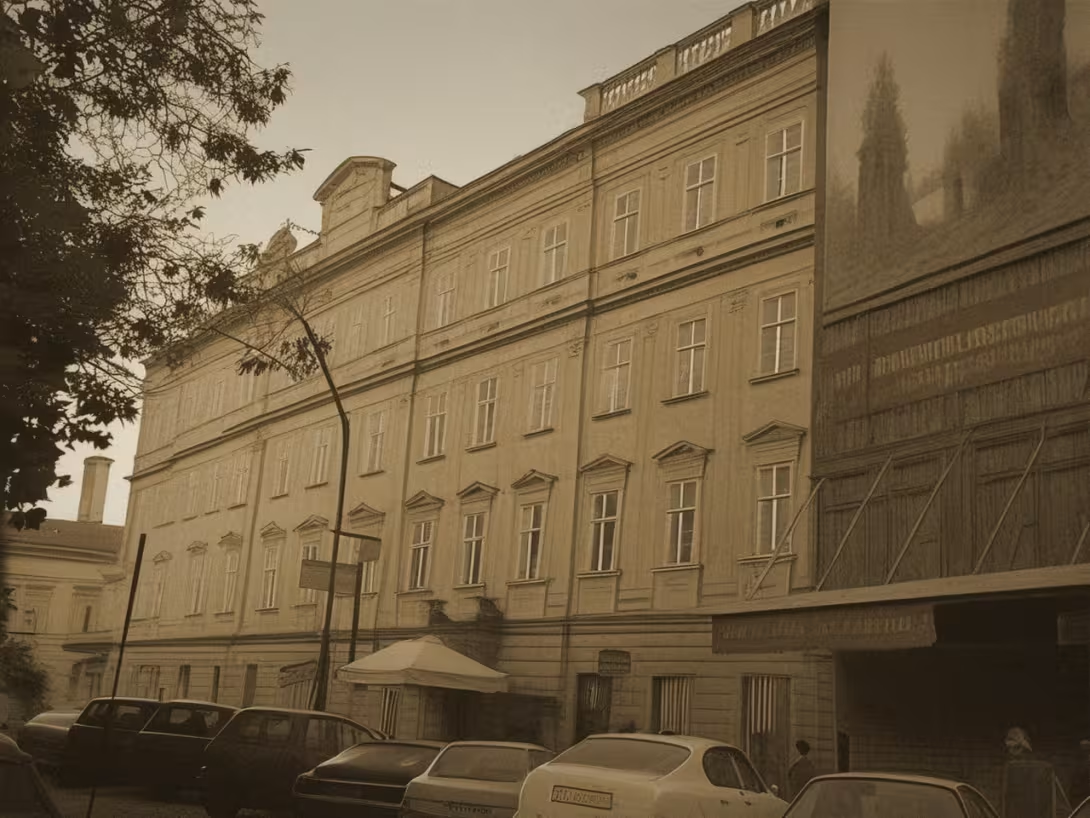
The historical appearance on the left is an AI-generated visualisation and serves as inspiration only.
Historical milestones
- 1799
- Hosted by Russian General Alexander Suvorov.
- 1947
- Installation of General Suvorov's bronze bust.
Architectural development
The original Gothic buildings were replaced by neoclassical design between 1762 and 1776. The palace underwent further modifications, including the extension of the left wing in 1852 and other upper floors after 1864. These changes reflect developmental architectural styles and functional needs over time.
Historical events
In 1799 he hosted the palace of Russian General Alexander Suvorov during his stay in Prague.
General Suvorov's bronze bust was installed in 1947.
Owners
Maxmilián Desfours (1761-1795)
Wimmer family (1795-1852)
Kolbe family (1852-19th century)
Rosa Porges from Portheim (until World War II)
Points of interest
- The name of the palace has changed several times due to its varied history of ownership: initially known as Desfour after Count Maxmilián Desfours and later Wimmer after the acquisition of the Wimmer family, which reflects the influence of various owners on his identity.
- Although Palác Porgesů z Portheimu was today recognised as neoclassical architecture, it originally replaced Gothic structures. This transition from gothic to neoclassicism is a testament to the wider effects of the Enlightenment that passed through Bohemia in the 18th century.
- The connection of the palace to Russian General Alexander Suvorov is remembered not only by the memorial plaque, but also by the bronze bust installed in 1947, which shows how historical events are preserved and celebrated in its premises.
- In addition to serving as an architectural monument, the Palác Porgesů z Portheimu has a functioning confectionery shop in its inner courtyard. This unique feature combines the rich history of the palace with contemporary local culture and offers visitors both historical views and modern pleasures.
- The Wimmer family played an important role in shaping the palace's heritage not only by acquiring it, but also by expanding its influence through neighboring properties like the Palace of Platez. Their charitable activities and hosting of prominent personalities such as Suvorov highlight the social importance of the palace during its ownership.
Guide
This guide is narrated by a synthetic voice generated by artificial intelligence.
Show guide text
This text was created by artificial intelligence and has not been editorially reviewed. It may contain inaccuracies.
Welcome to the historic site Palác Porgesů z Portheimu, a remarkable city palace in the heart of Prague's New Town district. As you stand before this architectural jewel, take a moment to absorb its size and elegance, which has resisted the test of time.
The story of this palace begins in the middle of the 18th century when it was built between 1762 and 1776. Replaced three older Gothic houses with a two-story neoclassical design designed by architect Ignác Palliardim. This transformation meant a significant shift from medieval to modern architectural styles reflecting the evolving tastes of the era.
As you look at his facade, notice the neoclassical elements that define this palace. The symmetrical design and refined details speak of artisanal time processing. While specific visual features are not detailed here, imagine walking along the elegant entrance, feeling the mass history with each step.
This site has been a cultural monument since 1964, which highlights its importance in Prague's architectural heritage. His walls witnessed many historical events and hosted remarkable figures, including Russian General Alexander Suvorov in 1799. For his visit here in 1947 was installed bronze bust which added another layer to the history of the palace.
The palace was known by various names over the years, reflecting its varied ownership history. At first called Desfour after Count Maxmilián Desfours, later he became Wimmer after the acquisition of the Wimmer family. This change in nomenclature tells the story of influence and prestige associated with its owners.
An interesting aspect of this palace is how his identity evolved through these ownership changes. Each owner left his mark contributing to the rich tapestry of the stories that make up his history. Such transformations are not only about names, but about moving sands of time and culture.
As you continue your research, I urge you to dive deeper into the layers of history embedded in this page. Discover more about the lives of those who went through these halls and imagine the events that took place here. Thank you for joining me on this journey through time in Palác Porgesů z Portheimu.
Tips for visitors
The best time to visit Palác Porgesů z Portheimu is at the end of spring or early autumn when the weather is pleasant, allowing you to comfortably explore both palace interiors and surroundings like Letná Park. These seasons offer a balance of good lighting for photography and fewer crowds compared to peak tourist months. In addition, a visit on weekdays can provide a calmer experience.
It is appropriate to use public transport or park further and on foot or take a short ride to the area. The palace is well served by tram lines, so it is accessible without the need for a car. Always check the current traffic options online for the most efficient routes.
When visiting Palác Porgesů z Portheimu, consider bringing comfortable walking shoes as you wish to explore surroundings such as Letná Park or other historical sites within walking distance. A camera with a good zoom capability is recommended to capture detailed architectural elements of the palace. In addition, carrying a bottle of water and some refreshments can improve your visit, especially if you explore on foot.
For lovers of photography are among the best places around Palác Porgesů z Portheimu front facade towards the street Nové Město, which offers excellent morning light. The gardens and the back of the palace provide unique views with softer lighting conditions late in the afternoon. Always keep in mind any restrictions on photography within the building itself.
Near attractions within a 30-minute walk or short public transport include Letná Park, famous for its panoramic views of Prague and other historical monuments such as St. Francis Church of Assisi. These areas provide other cultural experiences and picturesque spots ideal for extending your visit outside the mere palace.
For families with children, Palác Porgesů z Portheimu offers a fascinating view of the 18th century architecture that can be both educational and fun. The Letná Park nearby is ideal for a family trip that provides space for playing and rest after exploring the palace. Consider visiting during special events or exhibitions, if available, as they often include activities suitable for children.
Frequently asked questions
Can the monument be visited?
Some buildings of this kind are open for guided tours, others serve another purpose or are privately owned. We have not verified whether and when this monument is open – please ask the operator.
What are the opening hours and admission?
We have not verified the opening hours or admission. Current information is published by the operator.
Where is the monument?
Location: Praha 1, Hlavní město Praha. The map on this page shows the exact spot.
Why is the monument protected?
It is listed in the Central List of Cultural Monuments of the Czech Republic as a cultural monument (register no. 1000151887).
Businesses nearby
Do you run a restaurant, accommodation, shop, museum, rental, wellness or other visitor service near this monument? Show yourself directly to the people heading to it — this is how they will see you in the app and on the web:
Events nearby

Zdroj akcí: otevřená data měst a obcí ČR (Národní katalog otevřených dat) a kalendář akcí Národního památkového ústavu.
Nearby
The area around Palác Porgesů z Portheimu is located in Prague, around the park Letná and other historical monuments. The surrounding area offers a mixture of urban architecture and green spaces.
Accommodation nearby
Trips and activities nearby
Guided tours, tickets and activities nearby from GetYourGuide
Affiliate link: if you buy from the partner, we may receive a commission. The price for you does not change.
Search tours and activities →Themed route
Thematic cruise route: Historical and Green Beauty New Town
1.Palác Porgesů z Portheimu (Palace) You start your journey at the Porges Palace from Portheim, architectural pearls in the heart of Prague 1. This palate is known for its own elegant baroque architecture and rich history, dating back to the 17th century. It should be noted that aristocratic origins in the past and the acquisition of new interiors that could be rich, which have large properties.
2. Letná Park (Park) From the Palace move towards Letná, which is about 10 minutes drive from the Porgesu Palace from Portheim. Letná Park is one of the oldest and most popular green spaces in Prague. It is necessary to have its own beautiful nature, historical monuments such as the statue of St. Vavřice and the Letenský Hall. The park offers a rest area to postpone and a wide travel network for one bike or bike.
3. Aeroplane Plain (Plane) Advanced Summer Kingdom to the Leten Plana, which is a contemporary park and is located right next to it. This class is a significant historical festival and concerts, especially in Prague summer festivals. The Letenské agreement offers excellence based on the panoramic landscape of the city and is an ideal place for relaxation and use with instruments.
4. Letenský Hall (Historical Place) At the ends of the Letenské plaza there is a Letenský hall, a historic important building known as its own architecture and past. It was built on the first time of the great summer festival in 1891 and is today a symbol of the culture and history of Prague. It's the perfect city for those to be about architecture and history.
5. St. Nicholas Church (Church) The final point of the route is the church of St. Nicholas, located on Letná about 10 minutes walk from Letenské Square. This Baroque church was set in 1703 and is well known for its rich history and architecture. It's a place where you can see a calm atmosphere and beautiful interiors that prove your journey through New Town.
This route offers a combined history of monuments and natural beauties, which has its own project rich to inherit and culture Prahy1.
Seasonal recommendations
Spring: The visit to Palác Porgesů z Portheimu during spring offers a wonderful experience as the city of Praha wakes up with vibrant colors and flowering flowers and creates a picturesque background for the discovery of this historic palace. Mild weather is ideal for peaceful walks around the surrounding areas, allowing visitors to appreciate architecture and nature restoration. It is advisable to wear comfortable layers that can be adjusted to changing temperatures throughout the day. While spring means the start of the tourist season, the crowds are generally manageable, especially if you visit in the early morning or late afternoon.
Summer: Summer is the perfect time to explore Palác Porgesů z Portheimu as a Prague bath in long daily hours and warm weather, improving your experience with the lively atmosphere. Palace lands and surrounding areas become vibrant greenery, offering a refreshing escape from urban hustle and bustle. To avoid large crowds, especially during peak tourist months, consider visiting early in the morning or later in the afternoon. Dress in light, breathable clothes are recommended to remain comfortable while taking the summer sun.
Autumn: Autumn brings magical transformation to Prague, with Palác Porgesů z Portheimu set on the background rich, warm colors like leaves to change and create stunning visual views. Thanks to cold temperatures, it is an excellent time to explore without hot summer, allowing visitors to appreciate the complicated details of the palace better. As the tourist season shrinks, the crowds decrease significantly and provide a calmer experience. Wearing layers is appropriate because the morning can be cold while the afternoon remains mild.
Winter: Winter in Palác Porgesů z Portheimu offers a unique charm with Prague decorated with festive lights and snow, creating a charming atmosphere ideal for those who appreciate historical monuments in a quiet environment. The architecture of the palace excels beautifully against the winter landscape, which provides a picturesque scene that is particularly charming during the holidays. Visitors should dress warmly in layers to fight the cold and be prepared for a shorter opening time typical of this time of year. Arriving early can help avoid a possible post-Christmas crowd rush as people visit before returning home or travelling elsewhere.
Visualizations and artistic views


The visualisations are generated by artificial intelligence and serve as inspiration.
Photos from the area
Real photos taken near the monument

Zdroj a licence jsou uvedeny u každého snímku.
Tips from visitors
No tips yet. Be the first!
Log in and add your tip.
Sources and literature
Photos: Michal Kmínek / CC BY-SA 3.0 — Wikimedia Commons. The author and licence also appear when you hover over the image.
Faktickým podkladem tohoto textu byl článek na Wikipedii, jehož autory jsou přispěvatelé Wikipedie. Článek je dostupný pod licencí CC BY-SA 4.0.
Location on the map
More monuments – Praha 1
Show all in the municipality

Příběhy a pověsti
Legendy, pověsti a příběhy spjaté s touto památkou

Fotografie návštěvníků
Zatím žádné fotografie. Buďte první, kdo přidá fotografii z návštěvy!
Log in a přidejte svou fotografii nebo hodnoťte.
Za ověřenou návštěvu v aplikaci získáte víc bodů — poznáme podle GPS, že jste na místě.
Reviews and comments