



Pasečná Ruin
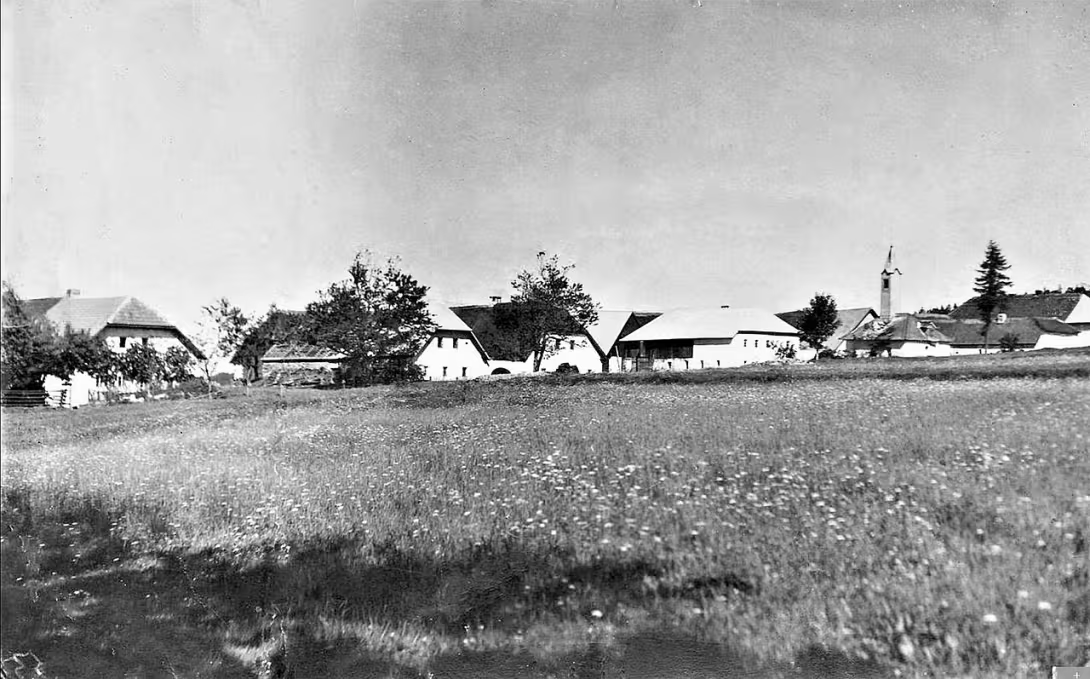
Pasečná is located in the cadastral area of 2 940 hectares in southern Bohemia. The oldest mention of it dates back to 1379, when the village under its German name Reiterschlag appears in the town of the former owners, the Rožberg family. For centuries, it remained a settlement beneath the feudal system.
The transformation came in the middle of the 19th century. After the termination of the subordination, Pasečná established itself as a separate municipality with its own municipal council. It became the centre of a smaller region, including many surrounding settlements. Among them, let us name Speedster, who had a special position as the seat of the parish and school, then Lower and Upper Boundary, Upper Ureš, Jasánky, Linda, Muckenschlag, also called Komáří Paseka, Multerberg, Otov, Pernek, Rožnov, Pink Hill and St. Thomas.
The period between the two world wars has become a memory of local unusual climate extremes. In the winter of 1904 to 1905, eight metres of snow occurred in this area according to the school chronicle at the time, indicating the rigorosnости of the then climate and probably the considerable isolation of the village in the winter months.
World War II has brought political change. Pasečná, as a result of the Munich Agreement, found itself in Nazi Germany between 1938 and 1945. After the war the village was renamed Pasekná and gradually lost its original status. In 1950 it became a settlement of the village Frymburk, later it was integrated into the village Přední Výtoň, where it officially belongs today.
The largest transformation awaited the village after 1956. In the years 1956 to 1958 most traditional houses, including the local chapel, were demolished. The new Pasečná was built as an agricultural centre - there were functionalist buildings designed for Agrokombinát Šumava and its employees. At the same time, a barracks was built for border guards. When this military unit was finally cancelled, the barracks were converted into a private guest house.
The Днeší Pasečná thus represents the layering of various historical periods - from the medieval settlement to the 19th century farm centres to the socialist transformation. This is a key example of how the landscape of the mountain region can be combed when political circumstances change. The visitor will not find romantic ruins here, but rather testimonies of modern transformation in historical context.
Then and now
Drag the slider to compare how the landmark may have looked when it was built with the view today.

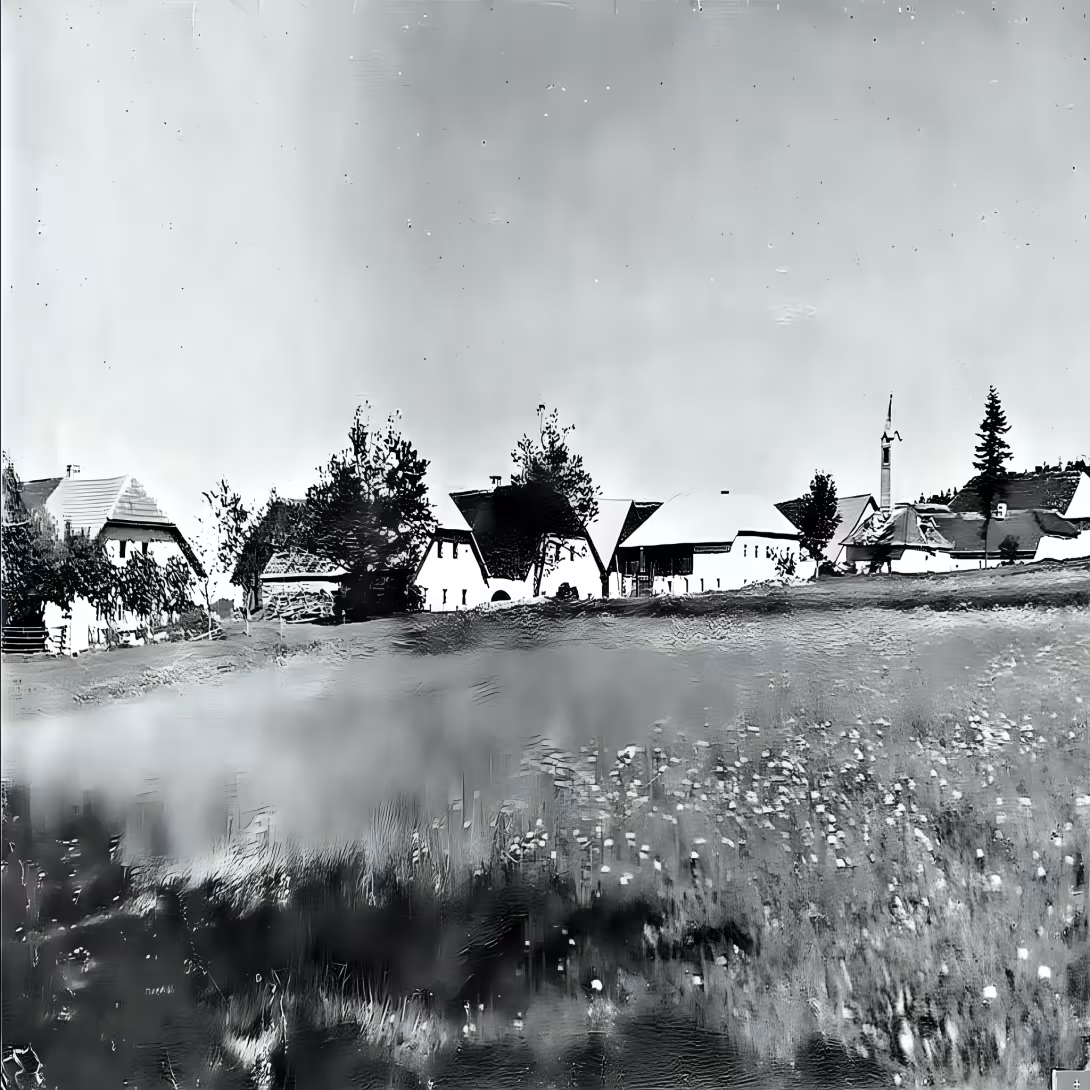
The historical appearance on the left is an AI-generated visualisation and serves as inspiration only.
Historical milestones
- 1379
- The first written mention in the town hall
- 1938
- Allocation to Nazi Germany
- 1956
- Beginning of demolitions of old houses and chapel
Architectural development
The original historical development was demolished between 1956 and 1958. In the following years, agricultural buildings, houses for employees of the Agrokomončinate Šumava and the border guard barracks were built, which was later converted into a pension.
Historical events
1938-1945: Allocation to Nazi Germany as a result of the Munich Agreement. 1956-1958: Demolition of most old houses including chapel.
Owners
Rod from Rožmberka (1379)
Points of interest
- The oldest mention of the village dates back to 1379, when it appears under the German name Reiterschlag in the town of the Rosberg family. - In the winter of 1904 to 1905, eight meters of snow occurred in this area according to the school chronicle. - As a result of the Munich Agreement, Pasečná found itself in Nazi Germany between 1938 and 1945. - From 1956 to 1958, most traditional houses, including the local chapel, were demolished. - The new Pasečná was built as an agricultural centre with functionalist structures and barracks for border guards.
Guide
This guide is narrated by a synthetic voice generated by artificial intelligence.
Show guide text
This text was created by artificial intelligence and has not been editorially reviewed. It may contain inaccuracies.
Pasečná, in German Reiterschlag, is a partially abandoned village on the Šumava. Today it belongs to the municipality of Přední Výtoň in the Český Krumlov district. The cadastral territory has the same name and covers an area of two thousand nine hundred and forty hectares.
The oldest written mention dates from the year thirteen hundred and seventy-nine. At that time, the village appeared under the name Reiterschlag in a Rožmberk urbary, that is, in a list of subject obligations. It gained greater significance in the mid-nineteenth century. After the abolition of serfdom, it became an independent municipality with its own municipal council.
The municipality of Pasečná then included a number of hamlets. It included Rychnůvek, where the parish was located and a school stood. Then there were Dolní and Horní Hraničná, Horní Ureš, Jasánky, Linda, Muckenschlag, in Czech Komáří Paseka, and also Multerberg, Otov, Pernek, Rožnov, Růžový Vrch and Svatý Tomáš.
An entry in the school chronicle testifies to the harsh conditions in this region. According to it, in the winter from nineteen hundred and four to nineteen hundred and five, eight metres of snow fell.
After the Munich Agreement was signed, Pasečná was connected to Nazi Germany from nineteen thirty-eight to nineteen forty-five. After the Second World War, the municipality received the Czech name Pasečná. In nineteen fifty, it was registered as a hamlet of the municipality of Frymburk, and later became part of Přední Výtoň.
A fundamental turning point came in the years nineteen fifty-six to nineteen fifty-eight. At that time, most of the old houses and the chapel were demolished. In their place, agricultural buildings and new houses for employees of the Agrokombinát Šumava were built. A new barracks was built for the Border Guard unit. After the unit was abolished, the building was converted into a private pension.
Tips for visitors
The best time to visit is spring or autumn, when the Šumava landscape offers the most beautiful color transitions and a quieter atmosphere for walking around the former estate.
We recommend you take comfortable shoes suitable for uneven terrain and with you plenty of fluid. For photography are the best moments at sunrise or sunset, when light beautifully highlights the shapes of the Šumava landscape and the remains of the settlement.
You can explore the village Přední Výtoň and surrounding natural attractions. For families with children it is ideal to walk in nature, which offers the possibility to discover the tracks of the former village in a safe environment of the Šumava countryside.
Frequently asked questions
Can the monument be visited?
This is a ruin. Such sites are often freely accessible, but some can only be visited with a guide or are closed for safety reasons. We have not verified the current situation – take care and respect any restrictions.
Where is the monument?
Location: Přední Výtoň, Jihočeský kraj. The map on this page shows the exact spot.
For kids
Imagine going back to a time when a lot of people lived here, and it was like a game where he brought something new every day.
There was a small chateau that protected the people from dangerous raids from the surrounding countries. Hradisko had its own fortification and there was a chapel where people went to worship.
One magical thing is that the so-called "shop" is here. It was like a little shop where things were sold from food to guns. And watch out, there's also a basement that was designed to store food and other things.
Businesses nearby
Do you run a restaurant, accommodation, shop, museum, rental, wellness or other visitor service near this monument? Show yourself directly to the people heading to it — this is how they will see you in the app and on the web:
Nearby
The village Přední Výtoň and surrounding Šumava landscape.
Accommodation nearby
Trips and activities nearby
Guided tours, tickets and activities nearby from GetYourGuide
Affiliate link: if you buy from the partner, we may receive a commission. The price for you does not change.
Search tours and activities →Themed route
1. Municipality Přední Výtoň (Municipality) - Great place to start a trip and soak up the atmosphere of the local environment. 2.Pasečná (Memorial) - The main destination of your journey, which will guide you through the history and specifics of this place. 3. Ambient Šumava landscape (Natural area) - Ideal space for relaxation and walks in vast and wild nature.
Seasonal recommendations
Spring in Front The yield brings a awakening landscape where the surrounding nature comes to life after winter sleep. The specific element of this season is soft, scattered light, which beautifully underlines the texture of historical buildings and surrounding vegetation. The atmosphere is calm and soothing, ideal for those seeking privacy and connections with nature. Practical advice focuses on variable weather, so it is necessary to carry a light waterproof jacket and comfortable shoes on uneven terrain. The best time to visit is spring weekends in the late afternoon, when temperatures rise and the sun still shines for a long time, while the crowds are minimal.
Summer offers the longest days and full green vegetation, which creates contrast with the stone structure of the monument. Specific is intense sunlight that can be too sharp in the midday hours and create strong shadows. The atmosphere is more lively, often accompanied by sounds of surrounding nature and perhaps by noise of other visitors. Practical advice involves coming in early in the morning to avoid major summer peak time and extreme heat. Equipment must include plenty of drinking water, sunglasses and a hat. Clothes should be light and airy, but with regard to possible afternoon showers it is advisable to have a light jacket.
Autumn is the year with the richest colour palette, when the surrounding trees turn leaves into golden and red shades. Specific is soft, low light, which gives the place a romantic and melancholy touch, ideal for photographic images. The atmosphere is colder and quieter, with a sense of warmth and cosy. Practical advice recommends layered clothing because the morning and evening are already cold, while the afternoon can be pleasantly warm. The most suitable visit is the late autumn afternoon, when the light is the most beautiful and the crowds are already thinning. The footwear should be dry and well-stocked because the ground can be wet from dew and falling leaves.
Winter brings a different, often dramatic view of the memory, especially if it is covered with snow. Specific is the short daylight and sharp, cold sun that reflects from the snow cover and creates high contrast. The atmosphere is quiet, isolated and offers a unique experience of history in natural peace. Practical advice is focused on extreme cold, therefore complete winter clothing is necessary, including gloves, scarf and warm cap. The best time is late morning hours, when the warmer and brightest light is. It is important to check in advance the opening times, which may be shortened or limited in the winter period, and to ensure sufficient time for the journey as the roads can be slippery.
Visualizations and artistic views


The visualisations are generated by artificial intelligence and serve as inspiration.
Atmosphere of the place
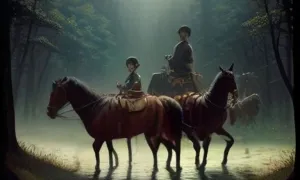
This atmospheric visualisation of the place and period was generated by artificial intelligence. It is not real footage of the location.
Tips from visitors
No tips yet. Be the first!
Log in and add your tip.
Sources and literature
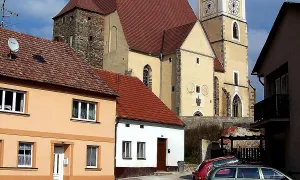
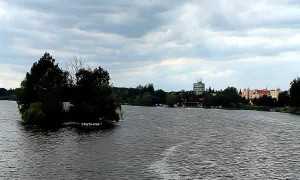
Photos: autor neuveden / Public domain, rozlišení zvýšeno umělou inteligencí — Wikimedia Commons. The author and licence also appear when you hover over the image.
Faktickým podkladem tohoto textu byl článek na Wikipedii, jehož autory jsou přispěvatelé Wikipedie. Článek je dostupný pod licencí CC BY-SA 4.0.
Location on the map


Příběhy a pověsti
Legendy, pověsti a příběhy spjaté s touto památkou
Fotografie návštěvníků
Zatím žádné fotografie. Buďte první, kdo přidá fotografii z návštěvy!
Log in a přidejte svou fotografii nebo hodnoťte.
Za ověřenou návštěvu v aplikaci získáte víc bodů — poznáme podle GPS, že jste na místě.
Reviews and comments