






Piaristická kolej s kaplí Panny Marie Monastery
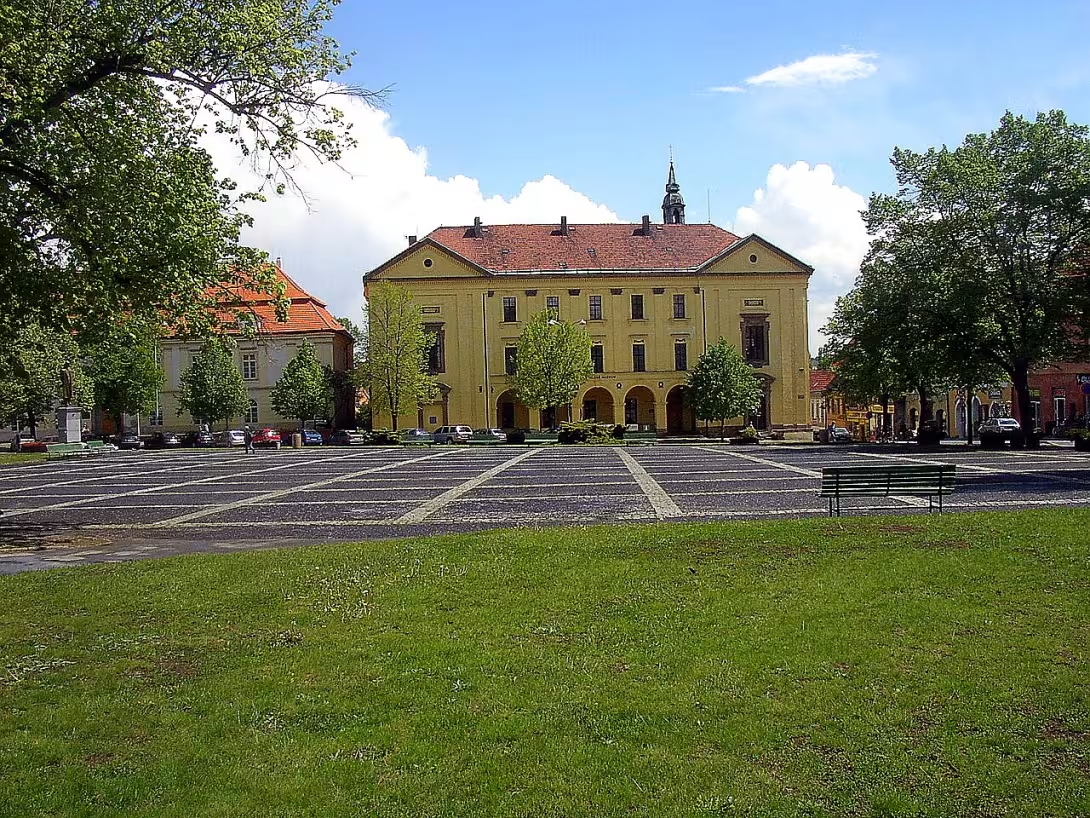
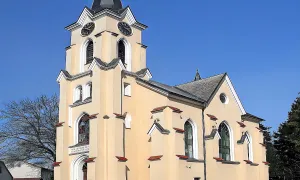
Piaristická kolej s kaplí Panny Marie is a baroque educational complex from the second half of the seventeenth century, which dominates Masaryk Square in this Central Bohemia city. The fifth Piarist Gymnasium in the Czech countries was founded at the turn of the 1960s by Count Bernard Ignác Jan of Martinique. After the 30-year war, it served as an important Catholic educational centre.
Today there is a complex, maintaining the original powerful available, the seat of the city museum and library. The Chapel of the Virgin Mary remains part of the historical whole. The building is a rare example of a baroque educational institution that has been preserved in its original form or with minimal modifications.
Architectural is a massive two-storey building with a chapel surrounded by a wall. The facades decorated with stone masonry typical of Baroque architecture preserve the original available even after the neoRenaissance reconstruction of the nineteenth century. The chapel was originally part of a piarist education complex.
The ownership of the track has changed several times over time. From 1659 to 1878 it belonged to a piaristic order which operated as a church school. It then went to the municipal administration and was adapted for public purposes. In the 1940s, the Gymnasium moved into a new building, and the premises were taken over by the city museum and library.
Significant personalities associated with this institution include Antonín Krecar, an important teacher, and Henry Hulinský, a college graduate who became a historian and politician. His work here is one of the few proofs of the major graduates of this school.
Today the premises are the headquarters of the museum and library, allowing visitors to know the history of the educational complex and its importance for the region. The building retains its original character and is a dominant square. Visitors can admire Baroque architecture and history of education in Czech countries. The Salan area also serves as a starting point for visiting other monuments such as the Salan Chateau or St. James's Church.
Piaristická kolej s kaplí Panny Marie is a rare example of a baroque educational complex that combines history, architecture and educational traditions. Visiting this place offers the opportunity to get to know important chapters of Czech history while at the same time looking at a preserved monument, which is an important part of the cultural heritage of Slážná.
Then and now
Drag the slider to compare how the landmark may have looked when it was built with the view today.
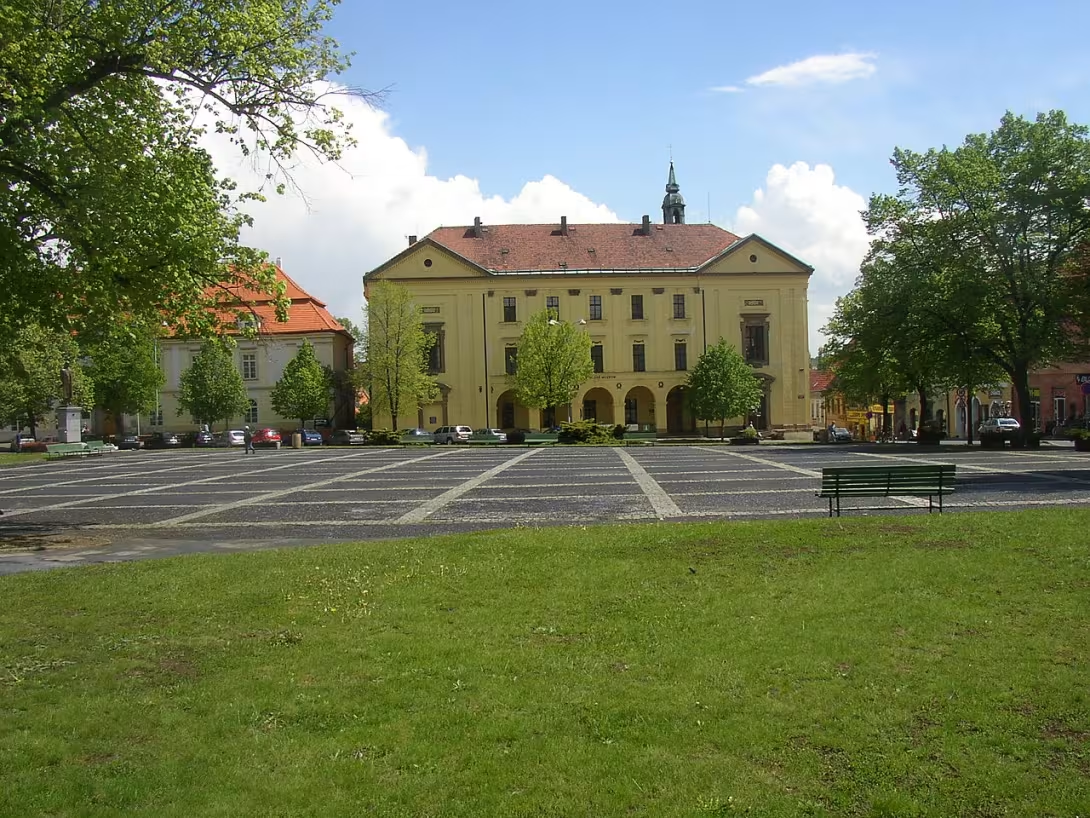

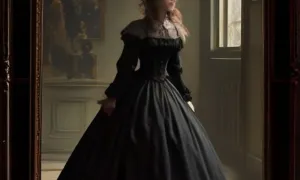
The historical appearance on the left is an AI-generated visualisation and serves as inspiration only.
Historical milestones
- 1659
- Establishing a piarist college as an education center.
- 1878
- Transfer of the track under municipal administration and its adaptation to a public institution.
- 1940s
- The foundation of a new gymnasium in a functionalist building, the campus of the college takes over the museum.
Architectural development
The complex was created in the second half of the 17th century as a Baroque building with the chapel of the engagement of the Virgin Mary. In the 19th century it underwent a non-Renaissance reconstruction, which preserved the original massive available buildings. The materials include stone masonry and decorated facades with elements of Baroque architecture. The chapel is part of the complex and served originally as part of the educational complex.
Historical events
- 1659
- The establishment of the Piarist College by Count Bernard Ignác Jan of Martinique as the fifth Piarist Grammar School in Czech countries.
- 1878
- School transfer under municipal administration and track repair.
- 1940s
- The transfer of gymnasium to the new functionalist building, the campus of the college takes over the city museum.
Owners
- 1659-1878
- from 1878
Points of interest
- It was founded on the turn of the sixties of the seventeenth century as the fifth Piarist Gymnasium in Czech countries on the initiative of Count Bernard Ignác Jan of Martinique.
After the 30-year war, she served as an important Catholic educational center.
- The Chapel of the Virgin Mary is part of the original educational complex and still is part of the complex.
- The building keeps the original Baroque available with minimal modifications, including facades decorated with typical Baroque stone masonry.
- The ownership of the track has changed several times over time - from piarists (1659-1878) to municipal administration and eventually the city museum and library.
Guide
This guide is narrated by a synthetic voice generated by artificial intelligence.
Show guide text
This text was created by artificial intelligence and has not been editorially reviewed. It may contain inaccuracies.
Welcome to this massive and mysterious building that is now opening up to you with its impressive facade. You are faced with one of the most important baroque complexes in the Salty - piarist college with the chapel of the engagement of the Virgin Mary, which since the second half of the seventeenth century is the heart of the city. In front of you is a massive two-storey building surrounded by a high wall that still dominates Masaryk Square. Feel the atmosphere of ancient wisdom and education that has been kept here for centuries.
Let us return to 1659, when Count Bernard Ignác Jan of Martinique, an important nobleman and benefactor, founded the fifth Piarist Gymnasium in the Czech lands. After the 30-year war that devastated the country, this complex became an important centre for Catholic education. Piarists, a code dedicated to poverty and education, brought here scholars, priests, and gifted pupils who learned not only Latin and philosophy, but also moral values and science. The Chapel of the Virgin Mary, which is part of the original complex, served as a spiritual and educational centre where teachers and pupils met.
Now pay attention to the building itself. In front of you there is a massive facade with typical baroque elements - probably a symmetrical arrangement of windows and portals that will welcome you into the interior. Note how architects tried to express the size and dignity of this educational centre. The chateau wall surrounding the site was built to protect not only the building, but also the peace and focus that was supposed to be in place. Although the original appearance has changed slightly over time, especially after the abolition of the Piarist Order in the nineteenth century, when the school went under the municipal administration and underwent a non-orenessant reconstruction, you still feel the spirit of the past.
The key personalities associated with this college include Antonín Krecar, an important teacher who worked here and influenced many pupils. His pupils included Henry Hulinský, a later major Czech writer and publicist. Their stories are firmly linked to this place, which gave them the basis for their later successes. Another name, which is linked to the establishment of the track, is, of course, Count Bernard Ignác Jan of Martinique, who was responsible for creating one of the most prestigious educational centres of his time.
The interesting thing is that this college was based on the turn of the 1960s as the fifth Piarist Gymnasium in Czech countries. After the Thirty Years' War, it became an important Catholic educational centre to help restore and educate new generations. The chapel of the Virgin Mary, which is part of the original complex, still reminds us of the spiritual and educational function of this place. Imagine what the teachers' voices sounded like, how the first textbooks were written here, and how ideas formed here that affected the whole area.
Let's take a look at the other details that might interest you. Notice how this building projects into the area. Its massive form and high wall makes it dominant throughout the square. Although the campus has changed over time, for example in the 1950s, when a new gymnasium was founded in a functionalist building and the college area was taken over by the museum, there remains a sense of historical depth and importance.
If you want to dig deeper into the history of this place, I suggest you visit the inner spaces where the museum is located. Here you will learn more about the life of the piarists, about the significant figures that have worked here, and about how this college has changed over the centuries. Imagine what it was like to be a student of this high school, what knowledge they had here, and what stories they had here.
Before we say good-bye, I want to invite you to close your eyes for a moment and feel the atmosphere. Can you feel the ancient energy that's being stored here? Do you hear the whispers of generations past that have been taught and formed here? This college and chapel are not only architectural monuments, but also the lively pages of history that can inspire and teach you.
Thank you for your visit and for getting carried away into the world of history and education. If you want to learn more, visit the museum that resides here and get carried away into the past. Let this monument bring you not only knowledge, but also a sense of depth and meaning. We'll say goodbye to this beautiful building and hope that you will return soon.
Tips for visitors
{'text': 'The best time to visit the piaristic college is in spring or autumn when the outdoor environment is pleasant and the chapel is lit with a pleasant light. In summer it is often busy here, while in winter some parts of the area can be closed to visitors. The Baroque architecture of the college is the most beautiful in sunny weather, when the details of facades and interiors are displayed.'}
{'text': 'Parking is possible near the track, a specific place is marked. The location is also accessible by public transport; the current connection can be found in the traffic search engine. It is recommended to arrive by car because the college is located in the city centre and walking from the main stops can be longer.'}
{'text': 'When visiting, wear comfortable clothes and shoes, because the campus of the college also includes outdoor areas with mild stairs. The interior of the chapel is cold, so bring a light sweater or sweater. It is advisable for children to take something for fun, such as a small laptop or a book.'}
{'text': 'Photography is allowed, but the most beautiful pictures can be taken at favourable light, for example in the morning or afternoon when the sun illuminates the facade of the track and chapel. The best places for photos are the main facade of the tracks and the interior of the chapel with richly decorated altar.'}
{'text': 'In the vicinity of the track is worth a visit to the Salani Chateau, which is located just a kilometer from the track. It's a dominant medieval monument with a rich history. Another interesting thing is the Nature Reserve of the Salan Forest, which is about three kilometres away. It is an ideal place for a short walk in nature.'}
{'text': For families with children, it is advisable to visit the dorm together with a visit to the Salani Chateau where children can explore the chateau moat and remnants of the chateau walls. In the Nature Reservation of the Salt Forest, children can see various kinds of plants and animals that live there. It is also recommended to visit the local museum, which often offers interactive exhibitions for children. '}
Frequently asked questions
Is Piaristická kolej s kaplí Panny Marie open to the public?
Yes, the monument is open to the public. The tour is suitable for all people interested in history and architecture.
How do I get to the place by car / public transport?
The monument is available by car and public transport. The nearest public transport stop is in the center of Salná, from which is a walk within 10 minutes.
How much is the entrance fee and is it paid on the spot?
Admission is paid on site, the current price list can be found on the official site of the sights.
Is the tour suitable for children and seniors?
Yes, the tour is suitable for all age groups. The monument offers interesting information about history and architecture, which are accessible to all.
How long does the tour take?
The tour takes approximately 1 hour. You can also see the chapel of Our Lady and the surroundings.
What are the opening times and booking is required?
The opening hours of the sights are from 9: 00 to 17: 00. Reservation is not necessary, but it is recommended for groups over 10 people.
For kids
If you imagine that you're in 1659 and you're lying in a meadow outside the city of Slaný, you can hear the singing of songs and the roaring of trees. This year, a piarist college was built with the Chapel of the Virgin Mary. And now that you're here, you can wait for an incredible adventure!
Businesses nearby
Do you run a restaurant, accommodation, shop, museum, rental, wellness or other visitor service near this monument? Show yourself directly to the people heading to it — this is how they will see you in the app and on the web:
Nearby
- A medieval chateau from the 13th century, a dominant monument over the city.
- Protected area with rich flora and fauna, part of the natural park Křivoclátsko.
- Baroque church from the 18th century, another significant sacral monument in Salané.
Accommodation nearby
Trips and activities nearby
Guided tours, tickets and activities nearby from GetYourGuide
Affiliate link: if you buy from the partner, we may receive a commission. The price for you does not change.
Search tours and activities →Themed route
The daily cruise route to the Piarist Dorm with the Chapel of the Virgin Mary in the Salty * * * *
1.Piaristická kolej s kaplí Panny Marie * * (0 km) This historic building from the 18th century is one of the most important piarist complexes in Bohemia. The Chapel of the Virgin Mary, whose interior is decorated with Baroque decoration, is a key place for religious and cultural heritage. The college offers interesting exhibitions about the piaristic order and its history.
2. St. James Church * * (approx. 0.5 km) The Baroque Church from the 18th century is an architectural example of the local tradition. Its richly decorated interior and historic frescoes are interesting for art lovers. Around the church there is a small park where you can relax.
3. Salt Chateau * * (approx. 1 km) The medieval chateau above the city is a dominant landscape and an example of medieval architecture. The surrounding chateau park and views from the towers offer beautiful panorama. Walking on the chateau wall is an unforgettable experience.
4. Nature Reservation Salt Forest * * (approx. 3 km) This protected area is an ideal place for natural lovers. The rich flora and fauna of the local forests and streams brings peace and rest. Walking on the forest trails is a pleasant addition to visiting the city.
Conclusion The route combines cultural, historical and natural attractions. After visiting the Piarist College and the Slan Chateau, you can relax in the Church of St. James and enjoy the peace in the Slan Forest. A day visit is recommended for optimal use of time.
Seasonal recommendations
Spring Spring in the Piarist College brings a fine, golden light that penetrates glass windows of the chapel and creates playful shadows on the stone walls. The surroundings of the monastery are awakening to life: meadows bloom with white and blue flowers, forests become green and the air smells of wet ground and spring rains. The atmosphere is calm but full of expectations - as if the monument were waiting for visitors with open doors. In this period it is ideal to visit the dorm on a sunny, but not too hot day, when light attracts to walks along quiet corridors and into the garden where old trees are decomposed. I recommend to wear light, but protective clothes against sudden rains and comfortable shoes - the journey down the stone stairs can be slippery on spring rainfall. The best time is in the morning when the tracks are still quiet and the crowds have not yet grown.
Summer Summer offers intense light, which illuminates the dorm rarely shrouded by the sun and creates deep shadows on the stones. The surrounding area is green and full of life - old fruit trees flourish in the garden, birds sound around the monastery and the air is full of the smell of grass and flowers. The atmosphere is alive, but also calm if you avoid the high summer season. In summer, the college is often visited by families and tourists, so it is necessary to count on a larger crowd, especially in the morning. I suggest you come before 10: 00 to enjoy your peace and avoid the queues. Dress light but sun-protected clothes and don't forget to wear a hat or sunglasses - the heat may accumulate quickly on the stone surfaces. Water and sunscreen are essential.
Autumn Autumn brings a magical atmosphere to the Piarist College - the sun shines low, its light breaks on leaves that disperse in corridors and gardens like gold dust. The surrounding area is transformed: the trees turn yellow, orange and red, the forests become quiet and the air smells of fallen leaves and wet ground. The tracks get a mysterious, almost medieval atmosphere, as if time was slowly standing here. It is an ideal time for visiting when the outdoors is pleasant and the crowds are smaller than in the summer. Wear warmer but still light clothes - autumn days are sunny, but evenings can be cold. The best time is the afternoon when the light is softer and the tracks are lit by the sun from a different angle than in summer. Walk through the garden with leaves under your feet will add magic to the visit.
Winter Winter tracks are surrounded by quiet, white light - snowflakes fall on stone stairs and create fine patterns on the chapel windows. The surrounding area is covered with a white blanket, the woods are quiet and the air smells of needles and does not freeze. The atmosphere is calm, almost meditative, as if time had stopped here. In winter, the track is open for a shorter time, so you need to check your opening hours in advance. I recommend visiting her on a sunny, but not too cold day, when snow sheets shine and light reflects off white surfaces. Wear warm but comfortable clothes - it gets cold quickly in the winter, so it is advisable to wear warm gloves and a hat. The best time is the morning when the tracks are still lit by the sun and the crowds are minimal. In the interior you can then appreciate the warmth and calm.
Visualizations and artistic views


The visualisations are generated by artificial intelligence and serve as inspiration.
Photos from the area
Real photos taken near the monument


Zdroj a licence jsou uvedeny u každého snímku.
Tips from visitors
No tips yet. Be the first!
Log in and add your tip.
Sources and literature
Fotografie: User:Miaow Miaow / Public domain — Wikimedia Commons. The author and licence also appear when you hover over the image.
Faktickým podkladem tohoto textu byl článek na Wikipedii, jehož autory jsou přispěvatelé Wikipedie. Článek je dostupný pod licencí CC BY-SA 4.0.
Location on the map



Příběhy a pověsti
Legendy, pověsti a příběhy spjaté s touto památkou
Fotografie návštěvníků
Zatím žádné fotografie. Buďte první, kdo přidá fotografii z návštěvy!
Přihlaste se a přidejte svou fotografii nebo hodnoťte.
Za ověřenou návštěvu v aplikaci získáte víc bodů — poznáme podle GPS, že jste na místě.
Reviews and comments