






Pojišťovna Praha Administrative building
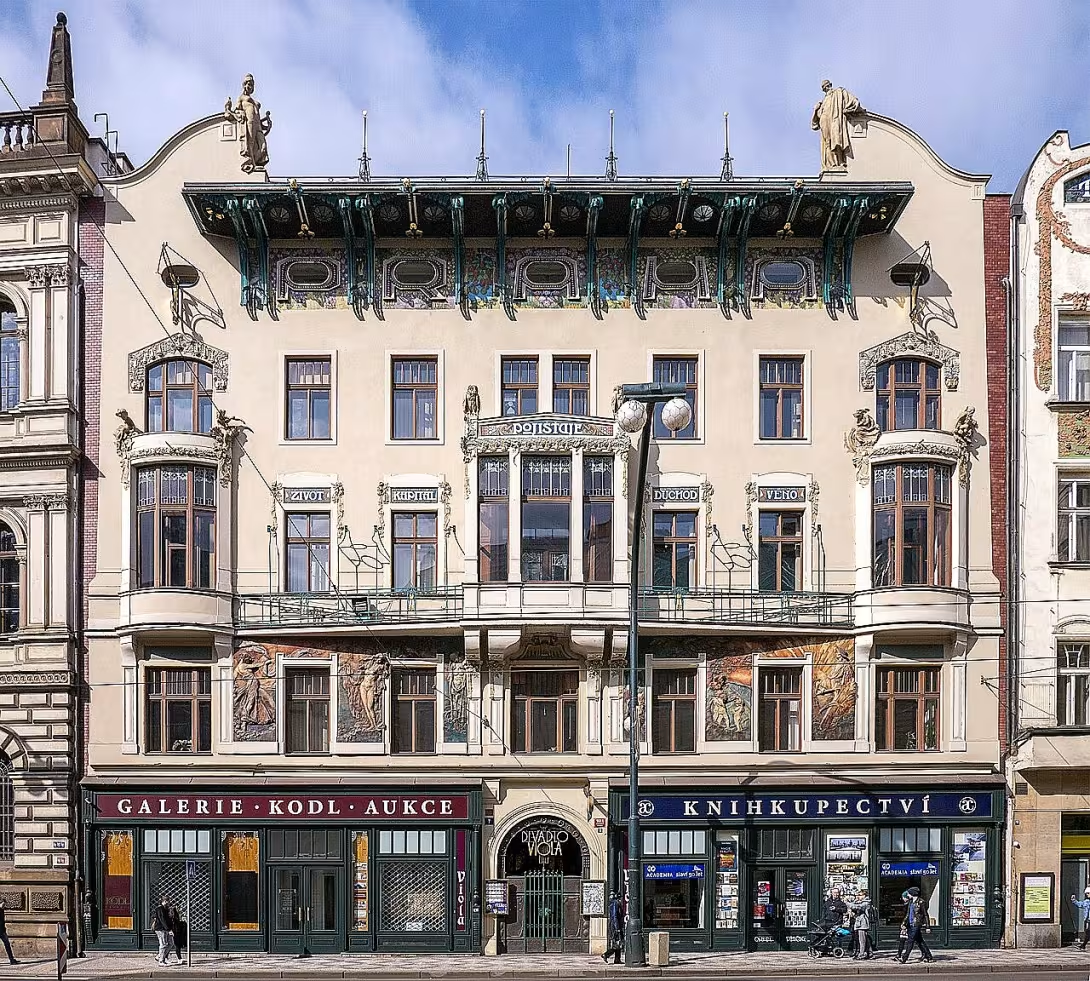
Pojišťovna Praha stands as a remarkable Secessionist building located in Prague's Old Town at Národní 7. Constructed between 1906 and 1907 by architect Osvald Polívka, this administrative structure replaced an earlier Empire-style house. Its significance lies not only in its architectural style but also in its historical role as a cultural hub over the years.
The origins of Pojišťovna Praha trace back to the late 19th century when it was initially built as a late-Classical house with a Renaissance addition in 1875. The property first belonged to František Šimáček, and later his nephew František Topič took ownership. In 1894, architect Jan Zeyer adapted the building for Topič's salon, which became known for hosting exhibitions of European modern art and works by the Mánes artists' association from 1899. By 1905, Topič sold the property to Pojišťovna Praha, marking a significant transition in its history.
Architecturally, Pojišťovna Praha is distinguished by its Secessionist style, characterized by intricate decorative elements and modern design principles. The building features a seven-bay, three-story facade with a mansard roof. Its southern frontage on Národní třída showcases a symmetrical façade adorned with colorful glazed reliefs by Ladislav Šaloun depicting themes of insurance. Unique to its design are baroque-inspired attic shields and a mosaic band inscribed with "PRAHA" around the fifth-floor windows, adding to its artistic allure.
Throughout its history, Pojišťovna Praha has seen various owners and tenants. After being sold to Pojišťovna Praha in 1905, it underwent significant transformation under Osvald Polívka's design. The courtyard hall was transformed into a tavern in 1908. In the 1960s, the Viola wine bar became an important center for artistic poetry readings, further cementing its cultural significance.
Today, Pojišťovna Praha is not only a historical monument but also serves as a vibrant cultural site. It houses a public research institution of the Czech Academy of Sciences and features Divadlo Viola, which focuses on chamber performances inspired by literary texts. The ground floor hosts a bookstore and an art gallery, making it a multifaceted venue for visitors.
Pojišťovna Praha is more than just an architectural landmark; it embodies a rich tapestry of cultural history and artistic innovation. Its unique design elements and historical significance make it a must-visit destination in Prague's Old Town, offering insights into the city's vibrant past and present.
Then and now
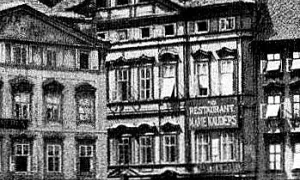
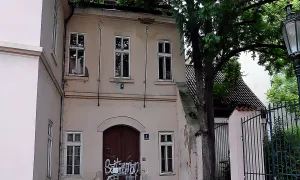
Drag the slider to compare how the landmark may have looked when it was built with the view today.
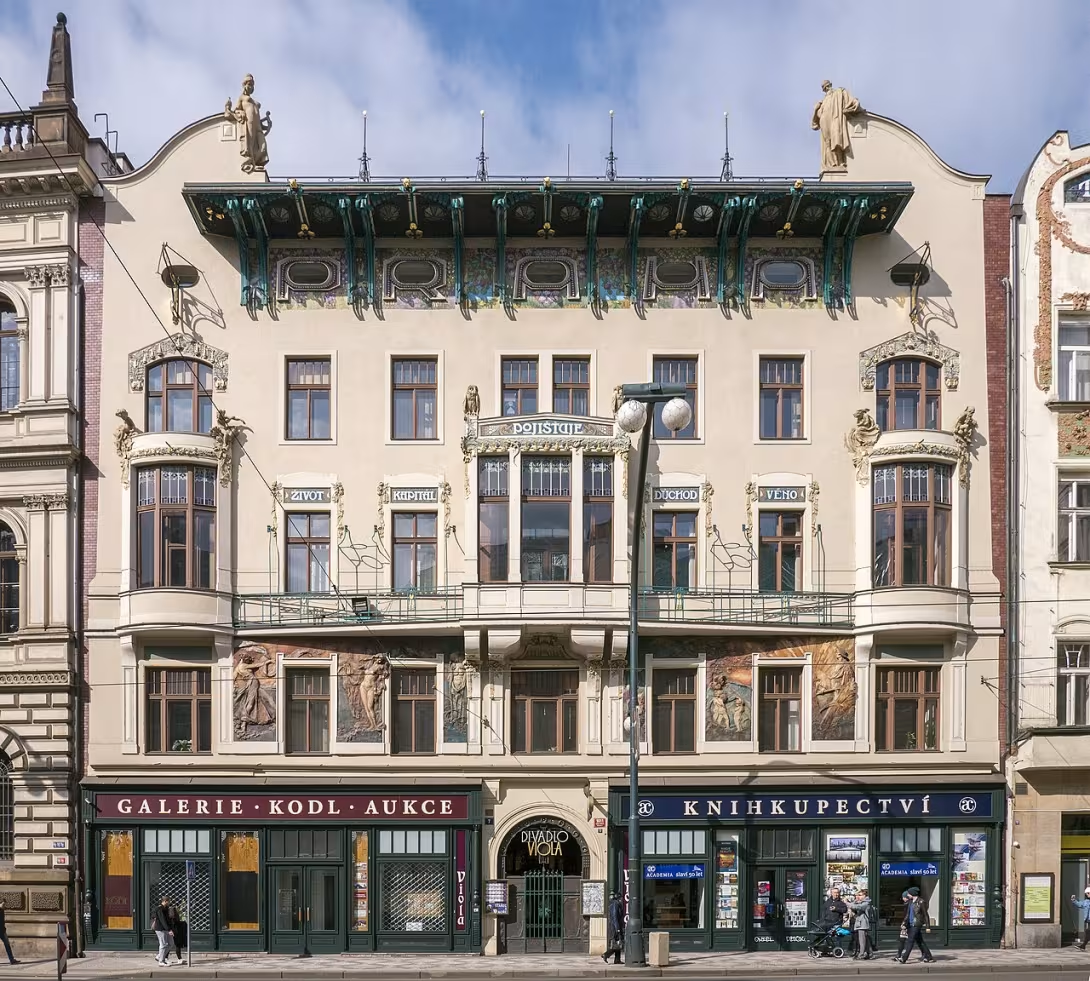
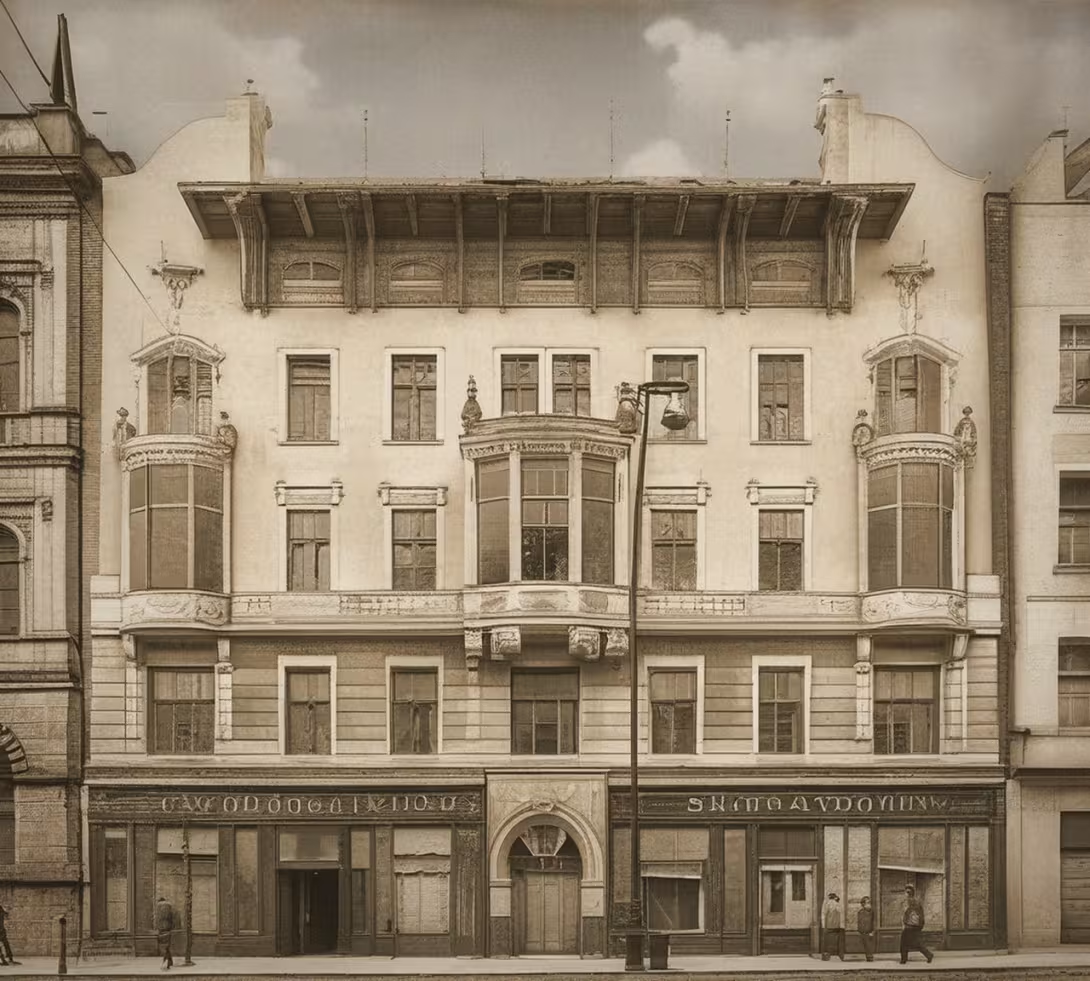
The historical appearance on the left is an AI-generated visualisation and serves as inspiration only.
Historical milestones
- 1964
- The building was designated a cultural monument.
Architectural development
Originally built as a late-Classical house with a Renaissance addition in 1875, it underwent significant transformation into its current Secessionist style by Osvald Polívka. The building's facade features unique elements like baroque-inspired attic shields and decorative reliefs by Ladislav Šaloun.
Historical events
In 1894, architect Jan Zeyer adapted the building for František Topič's salon, which hosted exhibitions of European modern art and works by Mánes artists' association from 1899.
The courtyard hall was transformed into a tavern in 1908.
In the 1960s, the Viola wine bar became an important center for artistic poetry readings.
Owners
Originally owned by František Šimáček and later his nephew František Topič, the property was sold to Pojišťovna Praha in 1905. Since then, it has housed various tenants including a public research institution of the Czech Academy of Sciences.
Points of interest
- Pojišťovna Praha was originally built as a late-Classical house with a Renaissance addition in 1875, showcasing the architectural evolution of its site before becoming the Secessionist masterpiece it is today.
- The building's colorful glazed reliefs by Ladislav Šaloun on its southern frontage depict themes of insurance and are unique decorative elements that contribute to its artistic allure.
- In 1908, a significant transformation occurred when the courtyard hall was converted into a tavern, reflecting changing uses over time while maintaining its cultural significance.
- During the 1960s, Pojišťovna Praha's Viola wine bar became an important center for artistic poetry readings, highlighting its role as a hub for creative expression and cultural gatherings.
- Today, Pojišťovna Praha serves not only as a historical monument but also houses Divadlo Viola, which focuses on chamber performances inspired by literary texts, blending its rich past with contemporary cultural activities.
Guide
This guide is narrated by a synthetic voice generated by artificial intelligence.
Show guide text
This text was created by artificial intelligence and has not been editorially reviewed. It may contain inaccuracies.
Welcome to a remarkable piece of Prague's architectural heritage—the Pojišťovna Praha, nestled in the heart of Staré Město. As you stand before this stunning Secessionist building designed by Osvald Polívka, take a moment to absorb its vibrant presence and intricate details that tell a story spanning over a century.
Constructed between 1906 and 1907, Pojišťovna Praha replaced an earlier Empire-style house with a distinctive seven-bay, three-story facade. Look closely at the mansard roof crowning this structure; it's not just any roof but one that showcases the elegance of its time. The building is adorned with colorful glazed reliefs and mozaic bands, elements that reflect the artistic flair characteristic of the Secessionist movement.
This site has a rich history before becoming the masterpiece you see today. Originally built as a late-Classical house with a Renaissance addition in 1875, it underwent significant transformation to reach its current form. In 1964, Pojišťovna Praha was designated a cultural monument, recognizing its importance and ensuring its preservation for future generations.
As you admire the southern frontage, notice the intricate glazed reliefs by Ladislav Šaloun—a testament to the collaborative spirit of artists during this period. These details are not just decorative but narrate stories of artistic innovation and architectural evolution that have taken place here over decades.
While there may be no specific historical figures tied directly to this building, its creation under Osvald Polívka's vision connects it to a broader narrative of Prague's architectural development at the turn of the 20th century. It stands as a symbol of transition from classical styles to more modern expressions in architecture.
An interesting fact about Pojišťovna Praha is how it encapsulates the transformational spirit of its era, evolving from a late-Classical house with Renaissance influences into a Secessionist masterpiece. This evolution reflects not just changes in architectural taste but also shifts in cultural and societal values over time.
As you conclude your visit to this remarkable site, I invite you to continue exploring Staré Město's rich tapestry of history and architecture. Each corner holds stories waiting to be discovered, much like the layers of history embedded within Pojišťovna Praha itself. Thank you for joining me on this journey through time, and may your explorations be filled with wonder and discovery.
Tips for visitors
The best time to visit Pojišťovna Praha is during the late spring or early fall, when the weather is pleasant for walking around Prague's Old Town. These seasons offer a comfortable climate and fewer crowds compared to peak tourist months like summer. Additionally, visiting in the morning can provide softer lighting conditions ideal for photography, capturing the intricate Secessionist details of the building.
Transportation options are plentiful given its central location on Národní třída.
When visiting Pojišťovna Praha, it’s a good idea to bring comfortable walking shoes as you’ll likely explore other nearby sites on foot. A camera is recommended to capture the architectural beauty of this Secessionist building and its surroundings. Additionally, carrying a map or using a navigation app can help in exploring the area efficiently.
For photography enthusiasts, the best spots around Pojišťovna Praha include the front façade facing Národní třída, where morning light accentuates the building’s decorative elements. The side streets offer unique angles and less crowded scenes for capturing the essence of Prague's historic architecture.
Nearby attractions within a 30-minute walk include the former Czech Savings Bank building, which offers another example of Secessionist architecture, and Divadlo Viola, perfect for those interested in cultural performances. These sites provide additional context to the architectural history of the area and enrich your visit.
Frequently asked questions
Can the monument be visited?
Some buildings of this kind are open for guided tours, others serve another purpose or are privately owned. We have not verified whether and when this monument is open – please ask the operator.
What are the opening hours and admission?
We have not verified the opening hours or admission. Current information is published by the operator.
Where is the monument?
Location: Staré Město, Hlavní město Praha. The map on this page shows the exact spot.
Why is the monument protected?
It is listed in the Central List of Cultural Monuments of the Czech Republic as a cultural monument (register no. 1000150853).
Businesses nearby
Do you run a restaurant, accommodation, shop, museum, rental, wellness or other visitor service near this monument? Show yourself directly to the people heading to it — this is how they will see you in the app and on the web:
Events nearby

Zdroj akcí: otevřená data měst a obcí ČR (Národní katalog otevřených dat) a kalendář akcí Národního památkového ústavu.
Nearby
Located on Národní třída in Prague's Old Town, Pojišťovna Praha is near other historical sites such as the former Czech Savings Bank building and Divadlo Viola.
Accommodation nearby
Trips and activities nearby
Guided tours, tickets and activities nearby from GetYourGuide
Affiliate link: if you buy from the partner, we may receive a commission. The price for you does not change.
Search tours and activities →Themed route
Thematic Walking Tour: Historical Architecture of Prague's Old Town
1. Pojišťovna Praha (Administrative Building) - Type: Modern Architectural Landmark - Why Visit: Located on Národní třída, Pojišťovna Praha is a striking example of modern architecture in Prague's historic setting. Its unique design and prominent location make it an essential starting point for exploring the blend of contemporary and historical elements in the Old Town.
2. Former Czech Savings Bank Building - Type: Historical Architectural Landmark - Why Visit: A short walk from Pojišťovna Praha, this building showcases beautiful Art Nouveau architecture. Its intricate facades and elegant design offer a glimpse into Prague's rich architectural history and its evolution over the years.
3. Divadlo Viola - Type: Cultural Venue - Why Visit: Situated near the former Czech Savings Bank Building, Divadlo Viola is renowned for its vibrant cultural scene. It hosts a variety of performances that reflect Prague's dynamic artistic community, providing visitors with an immersive experience in local culture and performing arts.
This tour highlights key architectural and cultural sites within close proximity to each other, offering a compact yet enriching exploration of Prague’s Old Town.
Seasonal recommendations
Spring: Visiting Pojišťovna Praha during the spring offers a refreshing experience as the city awakens from its winter slumber. The streets of Staré Město are adorned with blooming flowers and budding trees, creating a picturesque setting that enhances the historical charm of the area. As daylight extends, the natural light beautifully illuminates the architectural details of the building, making it an ideal time for photography enthusiasts. Visitors should be prepared for occasional rain showers typical of spring, so carrying a lightweight waterproof jacket is advisable. The weather can vary significantly throughout the day, so layering your clothing will help you adjust comfortably as temperatures fluctuate.
Summer: Summer in Staré Město brings vibrant energy and long daylight hours to Pojišťovna Praha, making it an excellent time for exploration. The warm weather encourages outdoor activities and sightseeing, with lush greenery surrounding the area adding a lively backdrop to your visit. However, this is also peak tourist season, so expect larger crowds, particularly in the afternoons when the sun is at its brightest. To avoid the heat and the busiest times, consider visiting early in the morning or later in the evening. Comfortable walking shoes and light clothing are essential for navigating the cobblestone streets comfortably.
Autumn: Autumn transforms Pojišťovna Praha into a warm-toned haven with its rich palette of reds, oranges, and yellows. The crisp air and cooler temperatures make it an ideal time to stroll through Staré Město without the summer crowds. As daylight begins to wane earlier in the day, the soft, golden light accentuates the architectural beauty of the building, providing a unique atmospheric experience. Visitors should dress warmly with layers that can be adjusted as the day progresses and temperatures drop. This is also a great time for photography, capturing the seasonal colors against the historic backdrop.
Winter: Winter at Pojišťovna Praha offers a serene and magical atmosphere, especially under the soft glow of streetlights reflecting off snow-covered streets in Staré Město. The shorter days mean that visits are best planned early to make the most of daylight hours, while the evenings provide a cozy charm with fewer crowds. It's important to dress warmly, as temperatures can be quite cold, and ensure your visit is timed during the building’s operational hours, which may be reduced in winter. Don't forget to bring gloves and a hat for added comfort against the chill, allowing you to fully enjoy this enchanting period of Prague's charm.
Visualizations and artistic views


The visualisations are generated by artificial intelligence and serve as inspiration.
Photos from the area
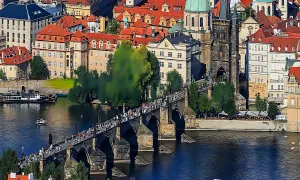
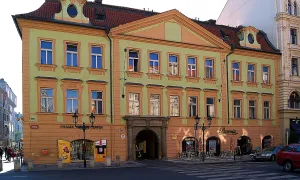
Real photos taken near the monument


Zdroj a licence jsou uvedeny u každého snímku.
View from the area
This animation was generated by artificial intelligence from a real photograph of the surroundings. The motion and details are not real footage of the location.
Tips from visitors
No tips yet. Be the first!
Log in and add your tip.
Sources and literature
Photos: Thomas Ledl / CC BY-SA 4.0 — Wikimedia Commons. The author and licence also appear when you hover over the image.
Faktickým podkladem tohoto textu byl článek na Wikipedii, jehož autory jsou přispěvatelé Wikipedie. Článek je dostupný pod licencí CC BY-SA 4.0.
Location on the map

Příběhy a pověsti
Legendy, pověsti a příběhy spjaté s touto památkou
Fotografie návštěvníků
Zatím žádné fotografie. Buďte první, kdo přidá fotografii z návštěvy!
Log in a přidejte svou fotografii nebo hodnoťte.
Za ověřenou návštěvu v aplikaci získáte víc bodů — poznáme podle GPS, že jste na místě.
Reviews and comments