






Poštovní Post office
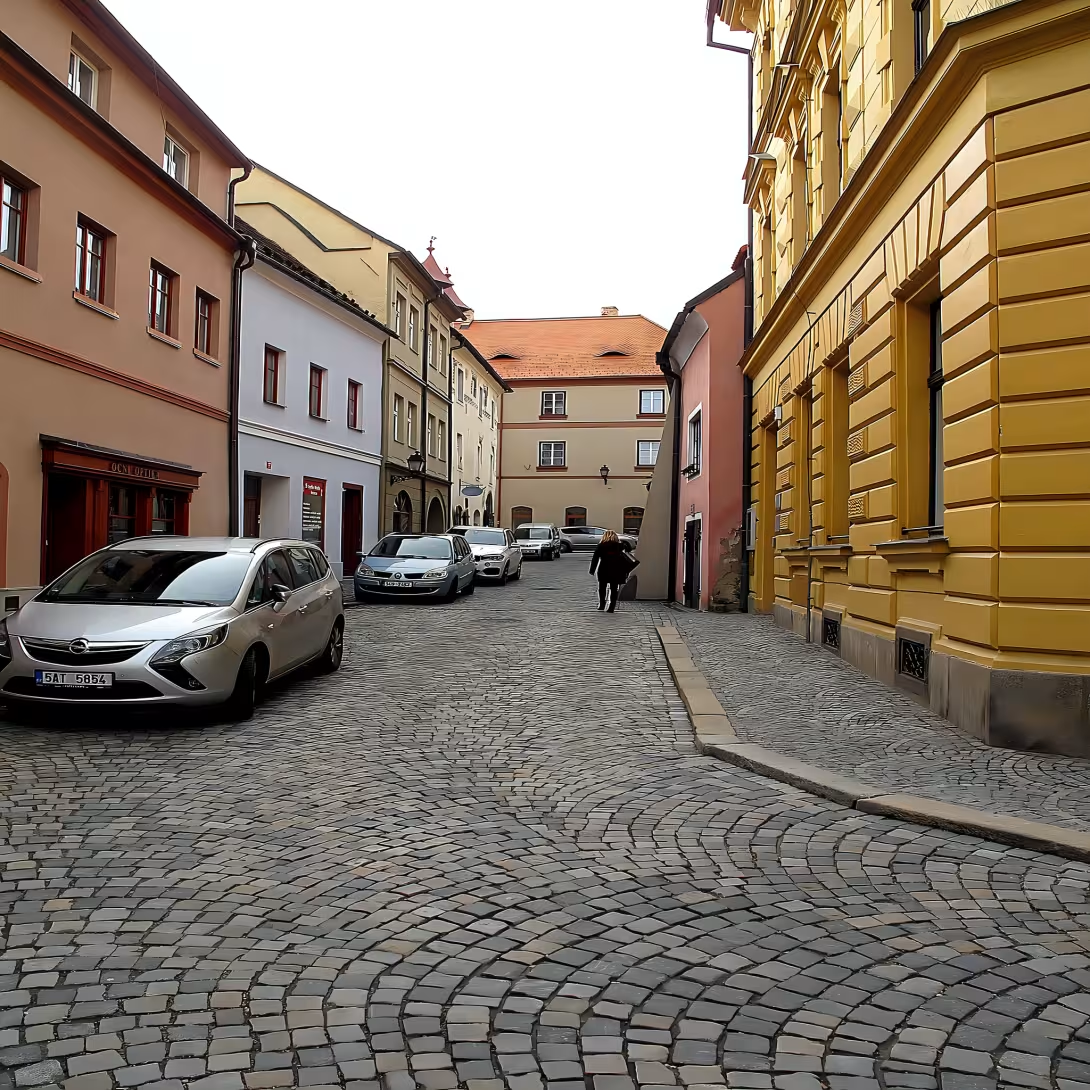
Poštovní street in Prachatice is one of the most famous streets of the historic city centre, which is protected as a city monument reservation. The street includes seven descriptive numbers, starting with the intersection with Salt Street and ending at Hus Street. Easy orientation and architectural quality of houses make it a natural part of the work circuit for all who are interested in the medieval urban heritage of the city.
Poštovní was created in the second half of the 15th century as part of a new building of the northwest side of the Grand Square. Her history is inextricably linked to the following crystal street. The development of both streets is linked to the reduction of the Grand Square and subsequent construction of adjacent areas. The fate of the street changed in the period after the Prachatic fire of 1832. It was at that time that it was decided to cut the new gate into the walls and create Hus Street, which subsequently followed the Poštovní. That's how Husova Street became one of the three main roads allowing the exit and entrance to the city. The street is already recorded on the maps of the second military mapping, which was completed in 1852, and it also appears on the maps of the third military mapping and on the Prachatic Plan of 1837.
Historical street names reflect complex националностí ratios in the city. The first documented name from 1791 was Platzgasse, which was German. The 1837 city plan then records the name Postgasse, derived from the local post office building that used to be here. After 1918, the Czech equivalent of Poštovní Street started to be used, which kept its name even after the post office was moved from the street.
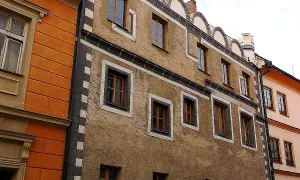
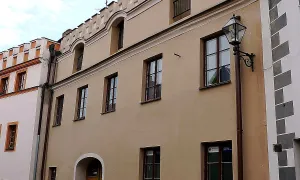
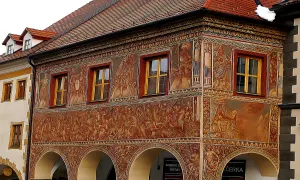
Architecturally, Poštovní Street is one of the most valuable parts of the city's heritage reservation. The houses in the street have been preserved with facades decorated with Renaissance fresco and sgraffiti, which are considered the most important in the city. Particularly remarkable are Lot No. 114 on Lot 69 / 1 and Lot No. 119 on Lot 60, which better document the quality of renovation equipment for houses. All seven houses in the street are listed in the central list of cultural monuments: No 86, 114, 115, 116, 117, 118, 119 and 178.
In recent years, the street has been modified by reconstruction of engineering networks and its surface has been paved with stone cubes, thus restoring its historical form. A visit to Poštovní street thus provides the possibility to observe the continuity of urban development from the Middle Ages through the New Testament to the present. The street is a testament to how the city changed and how the historical and national complexity of its development manifested itself.
Then and now
Drag the slider to compare how the landmark may have looked when it was built with the view today.
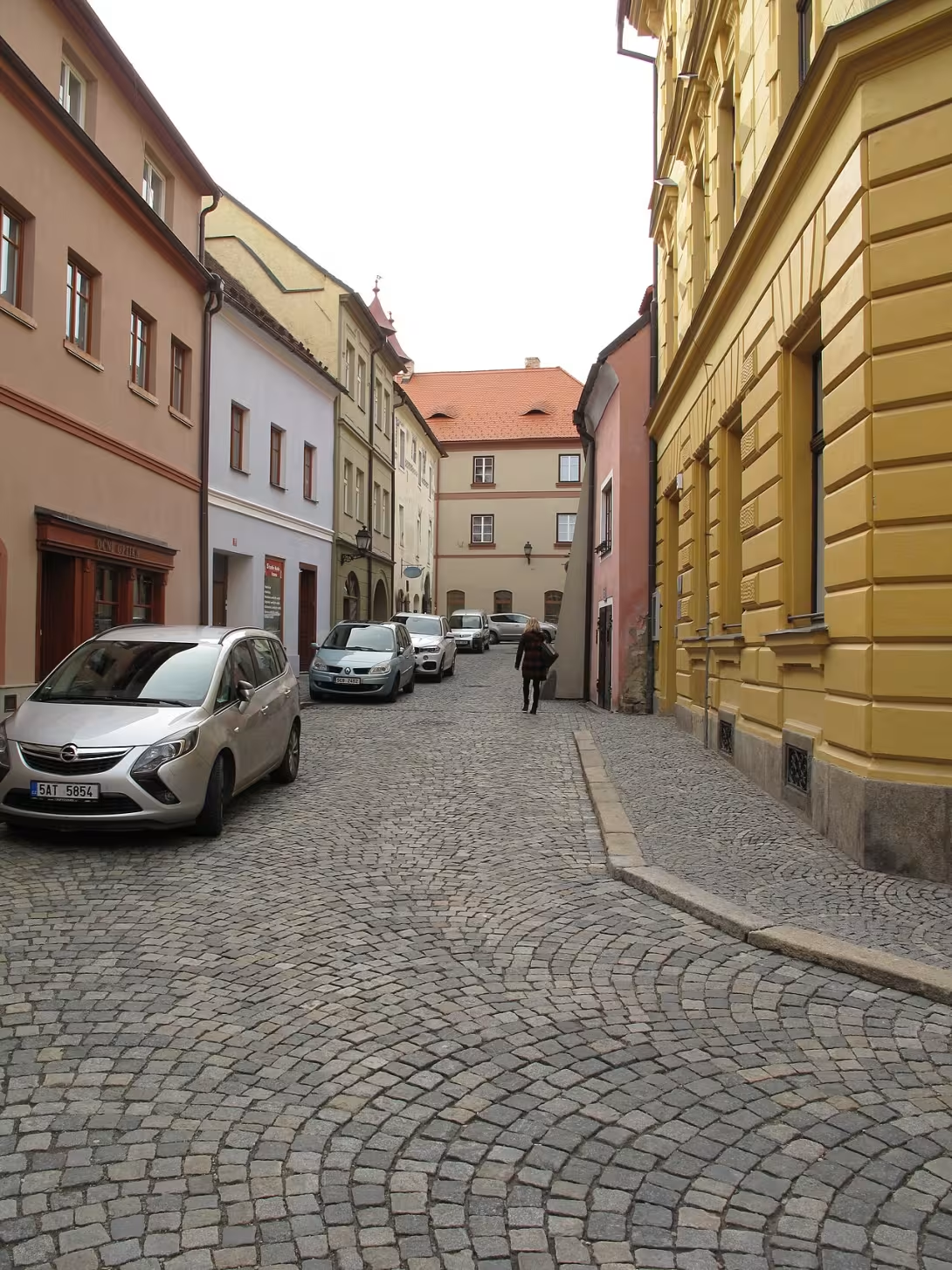

The historical appearance on the left is an AI-generated visualisation and serves as inspiration only.
Historical milestones
- 1791
- First documented street name like Platzgasse.
- 1837
- Change the name to Postgasse by post office building.
- 1918
- Start of use of Czech name Poštovní street.
Architectural development
The street was built from a new home block in the 15th century. The architectural character is defined by Renaissance elements, especially by decorating fresco facades and sgraffiti. A recent reconstruction of the nets and stone tiles was carried out.
Historical events
1791: First documented name Platzgasse. 1837: Change the name to Postgasse by post office building. After 1918: The beginning of the use of the Czech name Poštovní street.
Points of interest
- Poštovní Street was established in the second half of the 15th century as part of a new building of the northwest side of the Grand Square. - The street houses have facades decorated with Renaissance frescos and sgraffiti, which are considered the most important in the city. - Historical street names reflect complex national circumstances in the city. - All seven houses on the street are listed in the central list of cultural monuments. - The surface of the street was paved with stone cubes, thus restoring its historical form.
Guide
This guide is narrated by a synthetic voice generated by artificial intelligence.
Show guide text
This text was created by artificial intelligence and has not been editorially reviewed. It may contain inaccuracies.
Welcome to Prachatice, a place where history becomes tangible every step. Right now you are standing at the beginning of Poštovní Street, one of the most important arteries of the city's monument reservation. Stop for a moment, take a breath and look around you. In front of you is a space that is not just an ordinary road between houses, but a real open archive record of how this city evolved, grew and changed its face for centuries. Feel the atmosphere of this place, which immediately transmits you from today's hurried world to a time when the rhythm of life was determined by trade routes and craft traditions.
To understand why this street is so special, we have to go back far in our minds, namely to the second half of the 15th century. It was at this time that Poštovní Street began to emerge. Imagine then Prachatice as a city in bloom that was constantly expanding. This particular alley was created as part of a new construction of the northwest side of the Grand Square. This tells us that the city was so prosperous at the time that the original space was no longer enough and had to seek a new place for its inhabitants and merchants. Poštovní Street thus served as a natural expansion of the city's core and became proof of the ambition and growth of the then medieval city. Today, when you look at the home line, you see actually a tangible proof of how medieval Prachatice gradually formed and how a small settlement became a significant center.
I now ask you to pay attention to what surrounds you from both sides. Look up and watch the facade of the buildings closely. It is here that the most valuable thing this street has to offer. Notice the facades at home. Some of them are decorated with distinctive Renaissance fresco and sgraffiti. Sgraffito is a fascinating technique in which the layers of light plaster scraped out patterns to excel a darker layer below. These decorations you're seeing right now are not just aesthetic accessories. They are considered the most important in the city. They are silent witnesses to the Renaissance era, when a new wave of perception of beauty, harmony and human reason entered Prachatic. Look at these details, see the game of light and shadow on the walls and realize that these patterns have lasted hundreds of years to tell the story of the wealth and taste of the people who once lived here. The entire building of the street is protected thanks to these elements and forms an unmistakable part of the historical core of the city.
Even if we don't find in the documents today the names of the particular architects who designed these houses, or the names of the personalities who would leave their signed letters on these streets, the architecture itself speaks to us. Anonymous masters who created these facades have put into their work a precision that fascinates us to this day. It's a fascinating idea that people worked centuries ago with the materials you see before you, in order to create something lasting and beautiful. It is this connection with craftsmanship that gives Poštovní street its unique character.
Now let's think about something that doesn't have to be seen at first sight, but that has a profound meaning in it. It is the story of the very name of this street, which is like a mirror reflecting the complex national and political history of our countries. If we went back to the year seven hundred ninety-one, you'd find the name Platzgasse in the documents. This German name refers to a time when the German language in administration and trade was very dominant. A little later, in the year one thousand eight hundred thirty-seven, the name changed to Postgasse. The reason was the post office building, which was located in the street and became its dominant landmark. The post was a symbol of modernity at the time, a connection with the distant world and an important hub of communication. Finally, with the arrival of the year one thousand nine hundred and eighteen, when the borders were changed and a new republic was created, the Czech name Poštovní street started to be used. This simple transition from Platzgasse to Postgasse to Poštovní Street tells us about identity changes, national awakening and how the perception of this space changed over time.
It's basically a little mystery encoded in the title. If only we could hear people in different centuries mentioning this street in talks, changing the sound of their speech, and what hope or fear they had when they walked through here. Poštovní Street is not only a set of walls and plaster, but a living organism that breathes through history.
Now that you know its origin, its architectural gems and the story of its name, I suggest you begin your own discovery. Walk the street slowly. Take your time. Stop by every facade you're interested in and see if you can find any details in those Renaissance patterns that you find interesting. Feel how the street space narrows and widens, and how the guidance of home naturally leads you deeper into the history of Prachatic. Let yourself be filled with the peace of this place and imagine how the messengers walked through here centuries ago with messages delivered, what the voices of the merchants sounded and how the sun was reflected in other centuries in these windows.
Poštovní Street is one of the many jewels of this city. It is a place where medieval development meets Renaissance elegance and where three epochs meet in the name. I hope this short trip in time helped you see more than what you can see at first sight. All that remains now is for you to enjoy the rest of the journey at your own pace.
Thank you for accompanying me on this short walk. I wish you a pleasant rest of the visit in Prachatice and many other fascinating discoveries in this beautiful city. Goodbye.
Tips for visitors
The best time to visit Poštovní street in Prachatice is autumn or spring season when the weather is pleasant and fewer people. This time of years offers ideal conditions for exploring historical architecture without excess tourists.
Parking on Poštovní street is limited, therefore we recommend to use public transport or parking near the Great Square. For a more comfortable journey you can also consider carrying a handbag that is well connected to the center of Prachatic.
When visiting Poštovní street, make sure you have a protective umbrella and plenty of drinking water. The place is full of life and offers many interesting details that you want to see without the need for a frequent visit to the kiosk.
Photography on Poštovní Street offers the best options in the early morning or evening when light is softer and shadows more space. Don't forget to include the surrounding streets such as Crystal, Salt and Husova, which add interesting context to your photos.
In the vicinity of Poštovní street you will find several attractions that you can visit in 30 minutes. The large square is ideal for a short break and viewing other historic buildings. For families with children, the surrounding area offers an opportunity to explore the local museum or enjoy fun activities nearby.
Frequently asked questions
Is Poštovní open to the public?
Yes, she's open to the public. It is only open during working days and within certain time limits.
How do I get to the place by car / public transport?
You can get by bus No. 1 from the city centre, or walk down the main street.
How much is the entrance fee and is it paid on the spot?
The entrance is free, but you can contribute to the collection for maintenance of the monument.
Is the tour suitable for children and seniors?
Yes, it's also suitable for families with children. For seniors, a barrier-free entrance staircase is accessible.
How long does the tour take?
You can take a tour within 30 minutes, but we recommend more time to view the interior and surroundings.
What are the opening times and booking is required?
The monument is available from Monday to Friday at 9: 00 - 17: 00, Sunday is available. Reservation is not necessary.
What's interesting in the immediate vicinity?
In the vicinity you will find other historical monuments and cultural institutions of the city.
For kids
Imagine going back to the past, when the city was developing in dense vegetation and forests. That was the century when people used to feed on agriculture, on speed and on fishing. At that time there was the Poštovní office, which acted as a centre of communication and trade.
Who would have thought that the idea of mail was born at this very place? It was the only way to deliver important messages quickly between cities and countries. Whether it was royal or business news, this service was very important.
Businesses nearby
Do you run a restaurant, accommodation, shop, museum, rental, wellness or other visitor service near this monument? Show yourself directly to the people heading to it — this is how they will see you in the app and on the web:
Nearby
Large Square, Crystal Street, Salt Street and Husova Street.
Accommodation nearby
Themed route
1. Great Square (square) - The heart of the city that serves as an ideal starting point for the whole walk. 2. Husova Street (street) - A historic road leading from the centre deeper into the city building. 3. Poštovní (others) (monument) - The main destination of the trip, which is the key point of this route. 4. Salt Street (street) - A place with an atmosphere of old business trails. 5. Crystal street (street) - A pleasant alley for a quiet finish of the tour.
Seasonal recommendations
Spring: In the spring period, the historical monument Poštovní in Prachatice is revived by winter sleep, when the surrounding nature is full of flowering shrubs and trees. The sunny days offer ideal light for a photo of the monument, which allows you to capture its architectural details in the best possible lighting. Although not yet too hot, we recommend wearing light clothes with built-in blanket to protect against sudden cool winds. The best time to visit is usually in the afternoon when the crowd starts to unwind and you can enjoy a quieter atmosphere.
Summer: In the summer period, Poštovní is the most visited target in the Dairy, bringing a lively and full energy atmosphere. Intense sunlight highlights the colors of historical architecture, but can also be challenging to temperature. We recommend arriving early in the morning or later in the afternoon to avoid the rush of crowds and avoid the hottest hours of the day. Don't forget the protective sunglasses, the blanket and enough drinking water to keep you from being surprised by the summer heat.
Autumn: In autumn, the historical landmark Poštovní offers a unique atmosphere with colorful leaves surrounding its facades. The sunny days are warm and sweetly cold, making the visit a comfortable experience. However, the humidity may be high, so it is advisable to prepare a moisture-resistant blanket and shoes. The best time to visit is noon, when the light is the most beautiful and the crowds begin to retreat.
Winter: Winter visit Poštovní in Prachatice offers a calm and quiet atmosphere where historical architecture is decorated with snow or covered with fine ice. Sunshine days may be beautiful, but temperatures are usually low, so it is important to equip yourself with warm clothes, a blanket cap and protective shoes. The monument may have more limited operating time, so check the current information before visiting. The best time to walk is at noon, when temperatures rise a little bit and the sun's rays light up the snow landscape.
Visualizations and artistic views


The visualisations are generated by artificial intelligence and serve as inspiration.
Photos from the area
Real photos taken near the monument


Zdroj a licence jsou uvedeny u každého snímku.
Atmosphere of the place
This atmospheric visualisation of the place and period was generated by artificial intelligence. It is not real footage of the location.
Tips from visitors
No tips yet. Be the first!
Log in and add your tip.
Sources and literature
Fotografie: Juandev / CC BY 3.0, rozlišení zvýšeno umělou inteligencí — Wikimedia Commons. The author and licence also appear when you hover over the image.
Faktickým podkladem tohoto textu byl článek na Wikipedii, jehož autory jsou přispěvatelé Wikipedie. Článek je dostupný pod licencí CC BY-SA 4.0.
Location on the map
More monuments – Prachatice I
Show all in the municipality
Příběhy a pověsti
Legendy, pověsti a příběhy spjaté s touto památkou
Fotografie návštěvníků
Zatím žádné fotografie. Buďte první, kdo přidá fotografii z návštěvy!
Přihlaste se a přidejte svou fotografii nebo hodnoťte.
Za ověřenou návštěvu v aplikaci získáte víc bodů — poznáme podle GPS, že jste na místě.
Reviews and comments