






Sládečkovo vlastivědné muzeum v Kladně Museum
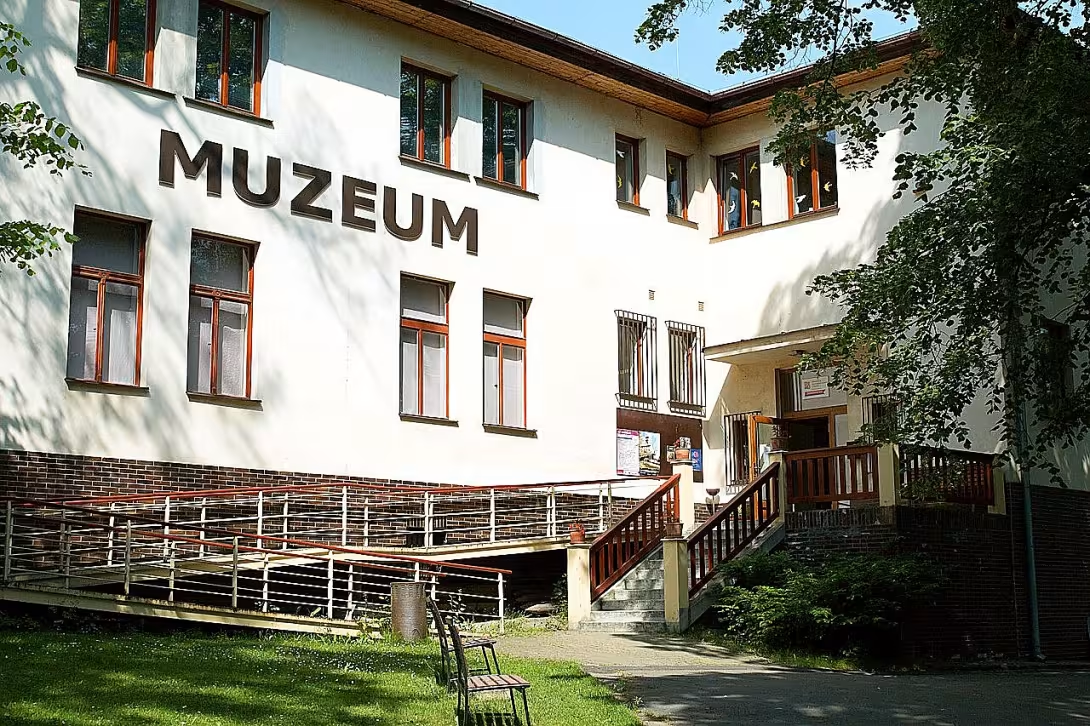
Sládečkovo vlastivědné muzeum in Kladno is a regional cultural institution established in 1899. Named after Antonín Sládeček, its collections reflect the historical and cultural evolution of the region. Located within Středočeský kraj, it stands as a testament to the area’s rich history.
The museum was founded by Jaroslav Hruška in 1899. Initially housed on city hall premises, its early collection included gravestones and artworks from the original Church of the Assumption of the Virgin Mary. This laid the groundwork for what would become a significant cultural repository in Kladno. Over time, it underwent several relocations due to historical changes.
Initially within the city hall, the museum's collections were moved during World War I and II. From 1939-1945, it served as a depot for relocated school collections, showing its adaptability in times of crisis. Post-war renovations allowed it to reopen to the public in April 1946, marking a new chapter.
The museum’s architecture evolved significantly over time. After World War II, it was housed in Kladno Castle, acquired from the Břevnov Monastery, which also accommodated the city’s archive and library. Antonín Sládeček became its first director during this period, playing a crucial role in cataloging collections. Post-war, the museum emphasized local history and industrial heritage.
Ownership and administration have seen notable changes. In 2003, following administrative reforms, it became part of Středočeský kraj as a contributory organization. This marked a significant shift in governance. The museum moved to a new location in 2008 after acquiring property from the former Poldina steelworks, expanding its capacity.
Key events include its founding by Jaroslav Hruška, closure during World War II, reopening post-war, and renaming in 2003. These milestones highlight its resilience over more than a century. The museum also boasts branches, including a mining skanzen in Vinařice and a bunker along the road between Bratronicemi and Dolní Bezděkov.
Today, Sládečkovo vlastivědné muzeum is a vibrant cultural institution open to visitors interested in Kladno’s history. Its exhibitions cover topics from prehistoric times to modern industrial developments, offering insights into the region's heritage. The museum’s current location, once part of Poldina steelworks, adds historical significance.
Visiting Sládečkovo vlastivědné muzeum offers a unique opportunity to explore Kladno’s cultural and historical tapestry. Its diverse collections provide valuable insights into the region's past, making it a worthwhile destination for history and culture enthusiasts.
Historical milestones
- 1899
- The museum was founded by Jaroslav Hruška.
- 1939
- The museum closed during World War II and served as a depot for relocated school collections.
- 1946
- Reopened to the public after renovations post-World War II.
- 2003
- Renamed Sládečkovo vlastivědné muzeum following administrative changes.
Architectural development
The museum's development began with its establishment on city hall premises, later moving to Kladno Castle acquired from the Břevnov Monastery. Post-World War II renovations allowed it to reopen, and significant expansion occurred in 2008 when it moved to a new location previously part of Poldina steelworks.
Historical events
Founded in 1899 by Jaroslav Hruška, initially housed on city hall premises.
In 1939-1945, the museum was closed due to wartime events and served as a depot for relocated school collections.
Reopened to the public in April 1946 after renovations post World War II.
Renamed Sládečkovo vlastivědné muzeum in 2003 following administrative changes.
Owners
Initially founded by Jaroslav Hruška in 1899, the museum became part of Středočeský kraj as a contributory organization in 2003. It moved to a new location in 2008 after acquiring property from the former Poldina steelworks.
Points of interest
- The museum's initial collection included gravestones and artworks from the original Church of the Assumption of the Virgin Mary, highlighting its early focus on local religious heritage.
- During World War II, Sládečkovo vlastivědné muzeum served as a depot for school collections, demonstrating its role in preserving educational materials during times of conflict.
- After acquiring property from the former Poldina steelworks in 2008, the museum not only expanded its capacity but also gained historical significance by being located on land once used for industrial purposes.
Guide
This guide is narrated by a synthetic voice generated by artificial intelligence.
Show guide text
This text was created by artificial intelligence and has not been editorially reviewed. It may contain inaccuracies.
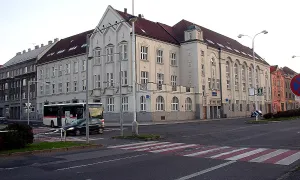
Welcome to Sládečkovo vlastivědné muzeum in Kladno, a place where history and culture intertwine to tell the story of this region. As you stand here, take a moment to absorb the surroundings. The museum's facade invites you with its understated elegance, hinting at the rich narratives held within.
The origins of this cultural gem date back to 1899 when it was founded by Jaroslav Hruška. Its establishment marked an important step in preserving local heritage, and over time, it has become a cornerstone of regional identity. Named after Antonín Sládeček, the museum's first director, who played a pivotal role in shaping its collections, this institution reflects both historical resilience and dedication to cultural preservation.
The architecture itself is a testament to various eras, with each renovation layer adding depth to its character. While specific architectural details aren't explicitly noted here, you can appreciate the building’s robust presence as it stands today—a silent witness to history's unfolding.
As we delve into the museum's storied past, let's highlight some key figures and events that have shaped its journey. Antonín Sládeček not only led the institution but also laid down a foundation focused on local religious heritage. This is evident in the initial collections featuring gravestones and artworks from the original Church of the Assumption of the Virgin Mary.
During World War II, the museum served as a depot for relocated school collections—a fascinating chapter that underscores its role beyond just being a repository of artifacts but also as a protector of cultural treasures during turbulent times. After the war, in 1946, it reopened to the public following renovations, ready to welcome curious minds once again.
One intriguing aspect of this museum is how it has adapted through various administrative changes, culminating in its renaming in 2003 to Sládečkovo vlastivědné muzeum. This evolution reflects not just a change in name but an ongoing commitment to regional heritage and education.
As you continue your visit, I invite you to explore further, uncovering the layers of history that each exhibit holds. Whether it's through artifacts or stories, there’s much to discover about Kladno and its cultural legacy. Thank you for joining me on this journey, and may your exploration here inspire a deeper appreciation for the rich tapestry of our shared past.
Tips for visitors
The best time to visit Sládečkovo vlastivědné muzeum is during the spring or early autumn months, when the weather is pleasant for exploring both the museum and its surrounding areas. These seasons offer comfortable temperatures and natural beauty in the nearby landscapes, enhancing your overall experience. Additionally, visiting outside of peak tourist season can mean fewer crowds, allowing you to enjoy the exhibits at a more leisurely pace.
Parking and transportation options are convenient for visitors coming to Sládečkovo vlastivědné muzeum. The museum is accessible by both car and public transport. If driving, there are parking facilities nearby where you can leave your vehicle. For those preferring public transport, the area is well-connected, but it's advisable to check current routes and schedules in advance using a transportation app or website for the most efficient journey.
When planning your visit, consider bringing comfortable walking shoes as exploring both the museum and its surroundings may involve some walking. A camera or smartphone is recommended to capture memories of the exhibits and the beautiful industrial heritage sites nearby. Additionally, carrying a water bottle can help keep you hydrated during your exploration, especially if you plan to spend time outdoors.
Photography enthusiasts will find several spots around Sládečkovo vlastivědné muzeum ideal for capturing stunning images. The museum itself offers unique architectural features and exhibits that are visually appealing under natural light. For the best lighting conditions, aim to visit during the golden hours of early morning or late afternoon. Outside the museum, the contrast between industrial heritage sites like the former Poldina steelworks and the surrounding natural landscapes provides diverse photographic opportunities.
For families with children visiting Sládečkovo vlastivědné muzeum, there are several engaging activities to enjoy both inside and outside the museum. The exhibits often include interactive displays that can captivate young minds, making it an educational experience for all ages. Outside, the area's mix of industrial heritage sites and natural landscapes offers a variety of exploration opportunities. Within 30 minutes' drive or public transport ride from Kladno, families can visit nearby cultural institutions or enjoy outdoor activities in the surrounding areas, ensuring there's something enjoyable for everyone.
Businesses nearby
Do you run a restaurant, accommodation, shop, museum, rental, wellness or other visitor service near this monument? Show yourself directly to the people heading to it — this is how they will see you in the app and on the web:
Nearby
Located in Kladno, the museum is surrounded by historical sites including the former Poldina steelworks and various cultural institutions. The area features a mix of industrial heritage and natural landscapes.
Accommodation nearby
Trips and activities nearby
Guided tours, tickets and activities nearby from GetYourGuide
Affiliate link: if you buy from the partner, we may receive a commission. The price for you does not change.
Search tours and activities →Themed route
Tematická výletní trasa: Sládečkovo vlastivědné muzeum a okolí
1. Sládečkovo vlastivědné muzeum, Kladno - *Typ:* Muzeum - *Proč stojí za návštěvu:* Sládečkovo vlastivědné muzeum nabízí fascinující pohled na historii a kulturu regionu Středočeského kraje. S rozsáhlými expozicemi, které zahrnují přírodní vědy, techniku a historii místní oblasti, je to ideální místo pro ty, kteří chtějí hlouběji pochopit kulturní dědictví Kladna.
2. Bývalé poldinské železárny, Kladno - *Typ:* Historická lokalita - *Proč stojí za návštěvu:* Tato bývalá továrna je klíčovou součástí průmyslového dědictví Kladna. Navštívte ji pro pochopení významu železárenství ve vývoji města a regionu, s ohledem na její architektonickou hodnotu a historii.
3. Kulturologické instituce Kladna - *Typ:* Kulturní centra - *Proč stojí za návštěvu:* Různorodé kulturní instituce v Kladně nabízejí širokou škálu aktivit a akcí, které zahrnují umění, hudbu a divadlo. Tyto místa jsou ideální pro ty, kteří chtějí obohatit svůj výlet kulturním zážitkem a připojit se k místním komunitám.
Tato trasa nabízí kombinaci historického poznání a kulturních zážitků, což umožňuje návštěvníkům prozkoumat bohatý průmyslový dědictví Kladna a jeho živou kulturu.
Seasonal recommendations
Spring: Visiting Sládečkovo vlastivědné muzeum in Kladno during spring offers a refreshing experience as nature begins to awaken around the museum. The surrounding landscapes are adorned with blooming flowers and lush greenery, creating a vibrant atmosphere that complements the historical exhibits inside. This season often sees moderate visitor numbers, making it an ideal time for those looking to explore without large crowds. It's advisable to wear layers, as temperatures can vary between cool mornings and warmer afternoons. The natural light is particularly inviting in spring, enhancing both indoor and outdoor views of the museum.
Summer: Summer at Sládečkovo vlastivědné muzeum is characterized by long days filled with sunlight that beautifully illuminates the exhibits, creating an engaging atmosphere for visitors. This season attracts more tourists due to its pleasant weather, so it's recommended to arrive early in the morning or later in the afternoon to avoid peak times and enjoy a quieter experience. Comfortable walking shoes and light clothing are essential as you explore both the museum and its outdoor areas during this warm period. The summer ambiance is perfect for leisurely strolls through Kladno’s historic streets after your visit.
Autumn: Autumn brings a picturesque transformation to Sládečkovo vlastivědné muzeum, with the surrounding landscape turning into a palette of rich oranges and reds. This season offers a serene atmosphere as visitor numbers typically decrease following the summer rush. The cooler temperatures make it an ideal time for comfortable exploration without the need for heavy clothing; layers are still recommended to adjust to varying weather conditions throughout the day. Autumn's softer light provides a unique ambiance, enhancing the museum’s historical charm and making it a perfect time for photography enthusiasts.
Winter: During winter, Sládečkovo vlastivědné muzeum presents a cozy retreat with its historic halls offering warmth from the cold outside. The shorter days mean that natural lighting inside is limited, but this adds to the intimate atmosphere as you explore the exhibits by artificial light. Winter often sees fewer visitors, allowing for a more relaxed visit without large crowds. It's essential to dress warmly in layers and wear comfortable shoes suitable for potentially icy conditions when walking around Kladno. The museum remains open with reduced hours during this season, so planning your visit according to these timings is advisable.
Visualizations and artistic views

The visualisations are generated by artificial intelligence and serve as inspiration.
Photos from the area
Real photos taken near the monument


Zdroj a licence jsou uvedeny u každého snímku.
Tips from visitors
No tips yet. Be the first!
Log in and add your tip.
Sources and literature
Fotografie: Zde / CC BY-SA 4.0 — Wikimedia Commons. The author and licence also appear when you hover over the image.
Faktickým podkladem tohoto textu byl článek na Wikipedii, jehož autory jsou přispěvatelé Wikipedie. Článek je dostupný pod licencí CC BY-SA 4.0.
Location on the map

Příběhy a pověsti
Legendy, pověsti a příběhy spjaté s touto památkou

Fotografie návštěvníků
Zatím žádné fotografie. Buďte první, kdo přidá fotografii z návštěvy!
Přihlaste se a přidejte svou fotografii nebo hodnoťte.
Za ověřenou návštěvu v aplikaci získáte víc bodů — poznáme podle GPS, že jste na místě.
Reviews and comments