






Socha Hygie Statue
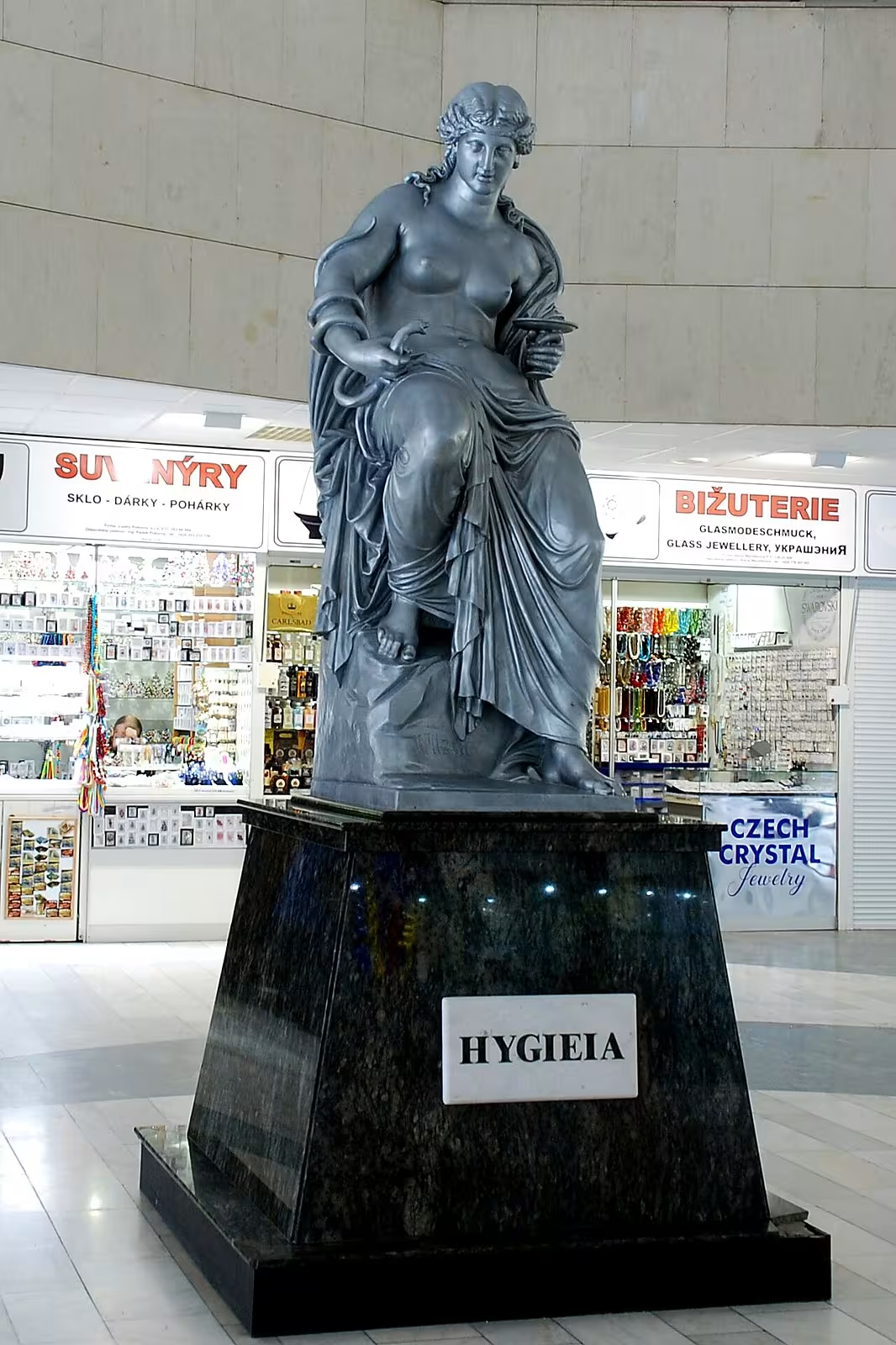
Socha Hygie is a cast iron figural sculpture in a classical and neo-Renaissance style, representing the Greek goddess of health, purity and moon. Located in the Hot Colonnade in Karlovy Vary, it was created in 1878 and serves as a symbol of the healing capabilities of local springs.
The work was created by sculptor Vincenz Pilz, which shows his signature under the right leg of the figure. Although the name Antonín Fernkorn is mentioned in some sources, the statue was made in the Vienna foundry of Anton von Fernkorn and in March 1879 it was purchased for 1,000 gold pieces from Fernkorn's estate.
The sculpture has superlife dimensions and depicts a sitting goddess. Hygiene is only dressed in a cloak over its shoulders. In his left hand he holds a bowl from which he gives the snake a drink while in a slightly raised right hand he holds the cup. A snake circling the right hand symbolizes healing. The statue stands on a massive dark grey marble pedestal with a square base, which originally served as a vestige of Hygiene's spring, drawn out through the lion's head.
Installation took place on 16 May 1879 in a new cast iron Colonnade designed by architects Fellner and Helmer. The ceremonial opening of the colonnade took place on 1 June 1879. In the summer of 1880 the space behind the statue was decorated with a mural of tropical landscape by Ladislaus Petrowicze. In 1939, the colonnade was demolished because of structural damage, so the statue remained under the temporary wooden roof of the springs. The sculpture was moved to the colonnade of the Lower Castle Spring in 1975 and was located in the hall of the Karlovy Vary Museum between 1985 and 2000.
Since 2001, the Hygie statue has again been placed in the Hot Colonnade. The building is protected as a cultural monument and represents an important element of the spa history and artistic heritage of the city. The visit to the colonnade allows you to perceive the connection of Greek mythology with the tradition of Karlovy Vary healing springs.
Then and now
Drag the slider to compare how the landmark may have looked when it was built with the view today.
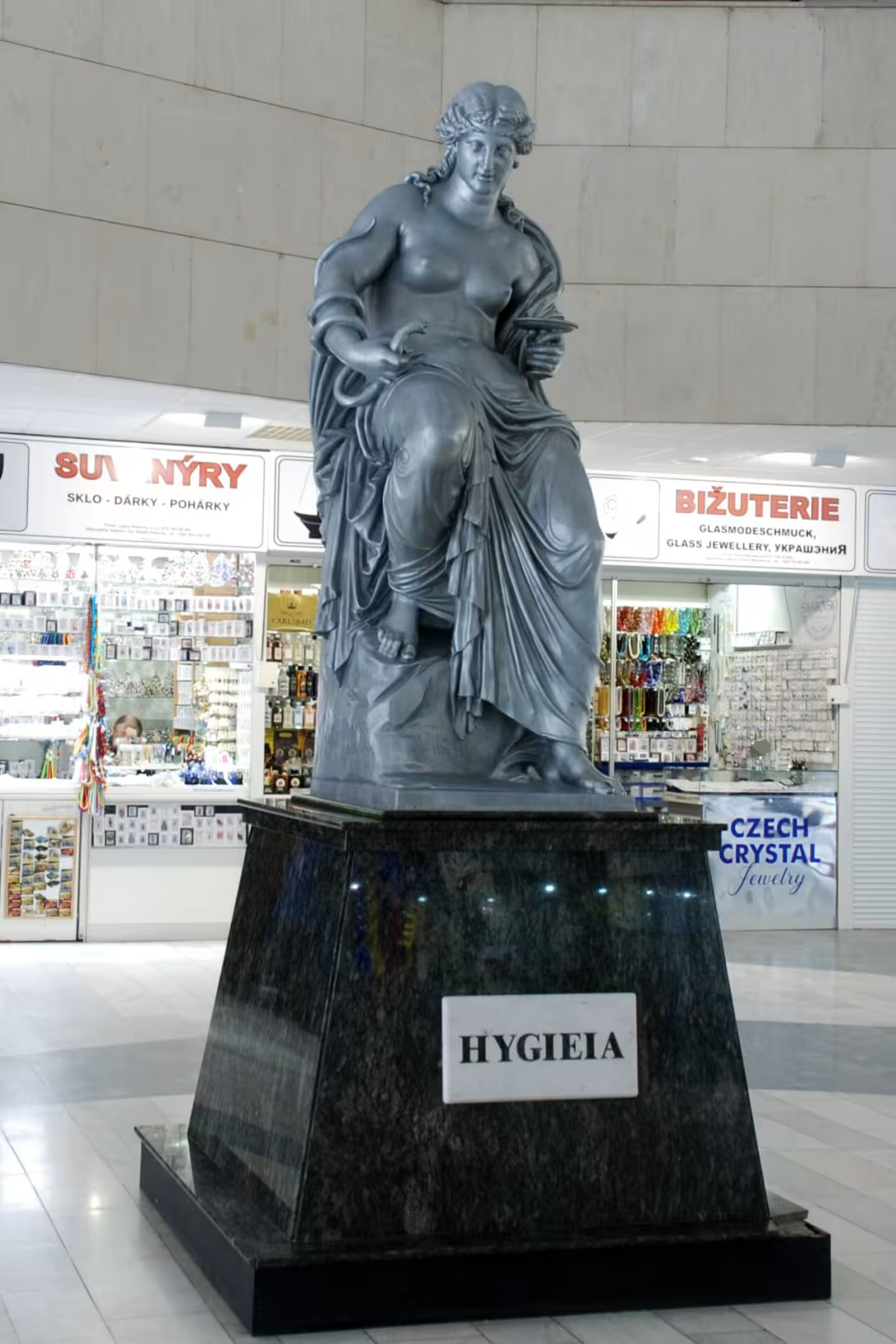
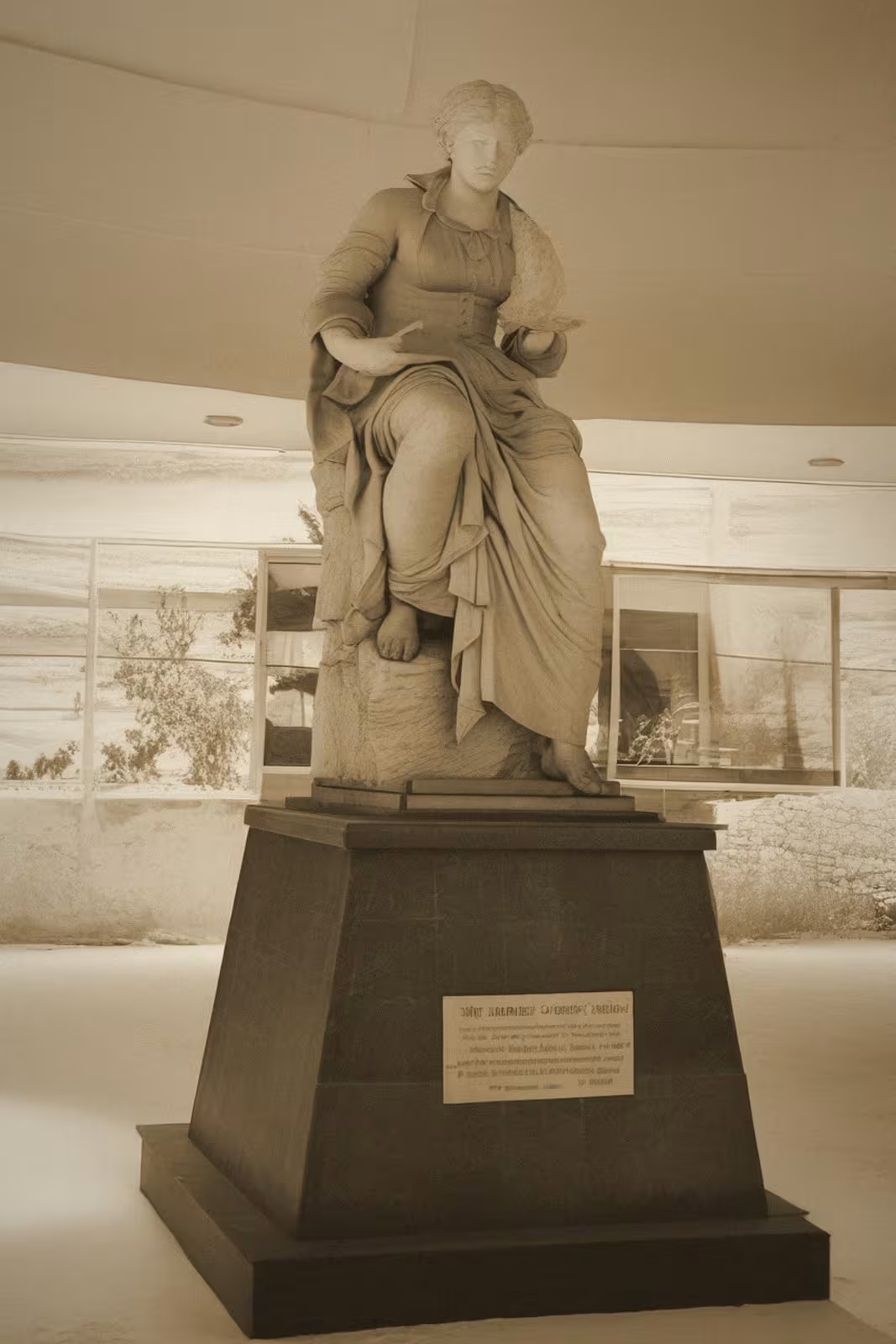
The historical appearance on the left is an AI-generated visualisation and serves as inspiration only.
Historical milestones
- 1878
- formation of the statue
- 1879
- installation in the Hot Colonnade and festive opening
- 1939
- demolition of colonnade and location of statue under provisional roofing
- 2001
- return of the statue to the Hot Colonnade
Architectural development
It is a cast iron figural sculpture in a classical and neo-Renaissance style. The statue stands on a marble pedestal, where originally a vent of Hygiene's spring was drawn through the lion's head.
Historical events
In 1879, the statue was installed in a new Colonnade. In 1939, as a result of the colonnade's demolition, it was placed under a temporary roof. Since 2001 he has been standing again in his original place in the Colonnade.
Points of interest
- Socha Hygie is a cast iron figural sculpture in classical and neo-Renaissance style, which represents the Greek goddess of health, purity and moon. - The work was created by sculptor Vincenz Pilz, which is evidenced by his signature under the right foot of the figure, although in some sources the name Antonín Fernkorn is mentioned. - The statue has life-expectancy and depicts a sitting goddess holding a bowl in her left hand, from which she gives the snake a drink while holding a cup in her right hand. - The base of the statue was originally used as a vestige of Hygiene's source, which was raised through the lion's head. - In the summer of 1880 the space behind the statue was decorated with a mural of tropical landscape by Ladislaus Petrowicz.
Guide
Show guide text
This text was created by artificial intelligence and has not been editorially reviewed. It may contain inaccuracies.
Welcome to Karlovy Vary, one of the most famous spa places in the world! You're standing in front of a statue of Hygia, a classic piece that tells about the rich history and culture of this area. Let's take a closer look at this fascinating memory.
Socha Hygie is a cast-iron superlife statue of the Greek goddess of health and purity, located in the Hot Colonnade. The work was created by sculptor Vincenz Pilz in 1878. It represents a sitting figure with a snake, bowl and cup, which symbolizes the healing of Karlovy Vary springs. The statue is dressed in a loose overcast mantle and stands on a massive dark grey marble pedestal.
Let's dive into the history of this statue. In 1878 the statue was completed and the following year, in 1879, it was ceremonially placed in the Colonnade. This moment meant the beginning of a new era for Karlovy Vary's spa culture. However, the colonnade was demolished in 1939 and the statue was placed under a provisional roof. After many years, namely in 2001, the statue was returned to its original place in the Colonnade.
Look up and notice the architectural details around. The colonnade, although no longer in its full form, still radiates its historical beauty. Socha Hygie is located in the middle of this space, which gives it special dignity and attracts the attention of visitors.
Now pay attention to the key figures associated with this monument. Vincenz Pilz, the sculptor of this work, contributed by its artistic miracle to the revival of the spa city Karlovy Vary. Although in some sources the name Antonín Fernkorn is mentioned, it is Pilz's signature under the right foot of the character, which illustrates his author's contribution.
The interesting thing about this statue is her style. Hygie is a cast iron figural sculpture in a classical and neo-Renaissance style, making it unique among other spa monuments. This artistic sense of detail and historical accuracy make the Hygia statue not only a beautiful visual object, but also an important cultural symbol.
Before you leave, we invite you to explore Karlovy Vary again. Every alley and corner of the city has its stories waiting to be discovered. We hope you enjoyed this audio guide and that you will continue to appreciate the rich history and culture of Karlovy Vary.
Thank you for your visit!
Tips for visitors
For the best experience we recommend a visit in the morning or late afternoon when the light for viewing details of cast iron sculpture is the most suitable and around is not the greatest rush.
You can easily transport to the centre of Karlovy Vary by public transport; Please check the current connection in internet search engines. If you are travelling by car, we recommend you search for parking in the wider area, because it is difficult in the close neighbourhood of the monument.
Bring comfortable clothes and shoes suitable for a city walk. It is ideal for photography to use soft daylight, which will highlight the shapes of Hygia statue and its symbolic elements.
After the tour, you can continue to enjoy close attractions such as the Hot Colonnade or the Hygiene Spring. For families with children, a walk through the city centre and surrounding areas of these monuments is a pleasant way to spend time outdoors.
Businesses nearby
Do you run a restaurant, accommodation, shop, museum, rental, wellness or other visitor service near this monument? Show yourself directly to the people heading to it — this is how they will see you in the app and on the web:
Nearby
Hot Colonnade, Hygiene Spring, Karlovy Vary Center.
Accommodation nearby
Trips and activities nearby
Guided tours, tickets and activities nearby from GetYourGuide
Affiliate link: if you buy from the partner, we may receive a commission. The price for you does not change.
Search tours and activities →Themed route
1st Centre of Karlovy Vary (City Centre) - Start your journey in the busy heart of the city where you will experience the atmosphere of the spa resort. 2. Hot Colonnade (Architectural Object) - Visit this important building, which serves to protect and make available medicinal springs. 3. Hygiein spring (Natural resource) - Take a look at this unique water source, which is the key point of spa treatment. 4.Socha Hygie (Statue) - End the trip to the main destination, which in its form resembles the goddess of health.
Seasonal recommendations
Spring: In the spring, the Hygie statue in Karlovy Vary is transformed into a place full of new life. The sun's rays illuminate the statue with pink and gold colours, which gives her an uncertain yet promising image. Flowers begin to bloom around the surrounding landscape, filling with freshness and green color. A slightly warm dress is suitable for visiting, as the weather can be alternating. The best time to walk around the statue is in the morning or in the evening when the crowd increases and the possibilities for a quiet visit are greater.
Summer: In the summer, the atmosphere around the Hygie statue is full of warmth and light. The sun illuminates the statue with long, almost magical shadows and increases its historical beauty. This season the area around the statue is the most lively, with many tourists enjoying warm weather. We recommend a visit in the early morning or late afternoon time to avoid heat and crowds. Short dresses and ties are ideal for warm days, but do not underestimate the protective umbrella.
Autumn: In autumn, the pieces of Hygias have a special shiny tone due to sunlight, which turns into warm yellow and orange shades. The leaves around begin to fall and the trees become beautiful coloring, adding a unique atmosphere instead. It is advisable to carry warmer clothes for a visit because the weather is gradually cooling. The best time to walk around the statue is in the prehistoric hours when the temperature is most appropriate and the crowd less.
Winter: In winter, the Hygie statue becomes the center of attention due to its lonely position in a cold and quiet environment. The sun rays of long winter wounds surround the statue, underlining its historical significance. If the visit takes place during freezing weather, it is important to dress warmer and remember shorter opening times of the monument. The best time to visit is in the prehistoric hours when it is the most heat and the opportunity to see the statue without unnecessary press is greater.
Visualizations and artistic views


The visualisations are generated by artificial intelligence and serve as inspiration.
Photos from the area
Real photos taken near the monument


Zdroj a licence jsou uvedeny u každého snímku.
Tips from visitors
No tips yet. Be the first!
Log in and add your tip.
Sources and literature
Fotografie: Zorka Sojka / CC BY-SA 4.0 — Wikimedia Commons. The author and licence also appear when you hover over the image.
Faktickým podkladem tohoto textu byl článek na Wikipedii, jehož autory jsou přispěvatelé Wikipedie. Článek je dostupný pod licencí CC BY-SA 4.0.
Location on the map
More monuments – Karlovy Vary
Show all in the municipality

Příběhy a pověsti
Legendy, pověsti a příběhy spjaté s touto památkou

Fotografie návštěvníků
Zatím žádné fotografie. Buďte první, kdo přidá fotografii z návštěvy!
Přihlaste se a přidejte svou fotografii nebo hodnoťte.
Za ověřenou návštěvu v aplikaci získáte víc bodů — poznáme podle GPS, že jste na místě.
Reviews and comments