






Socha svatého Jana Nepomuckého na Kostelním náměstí Statue
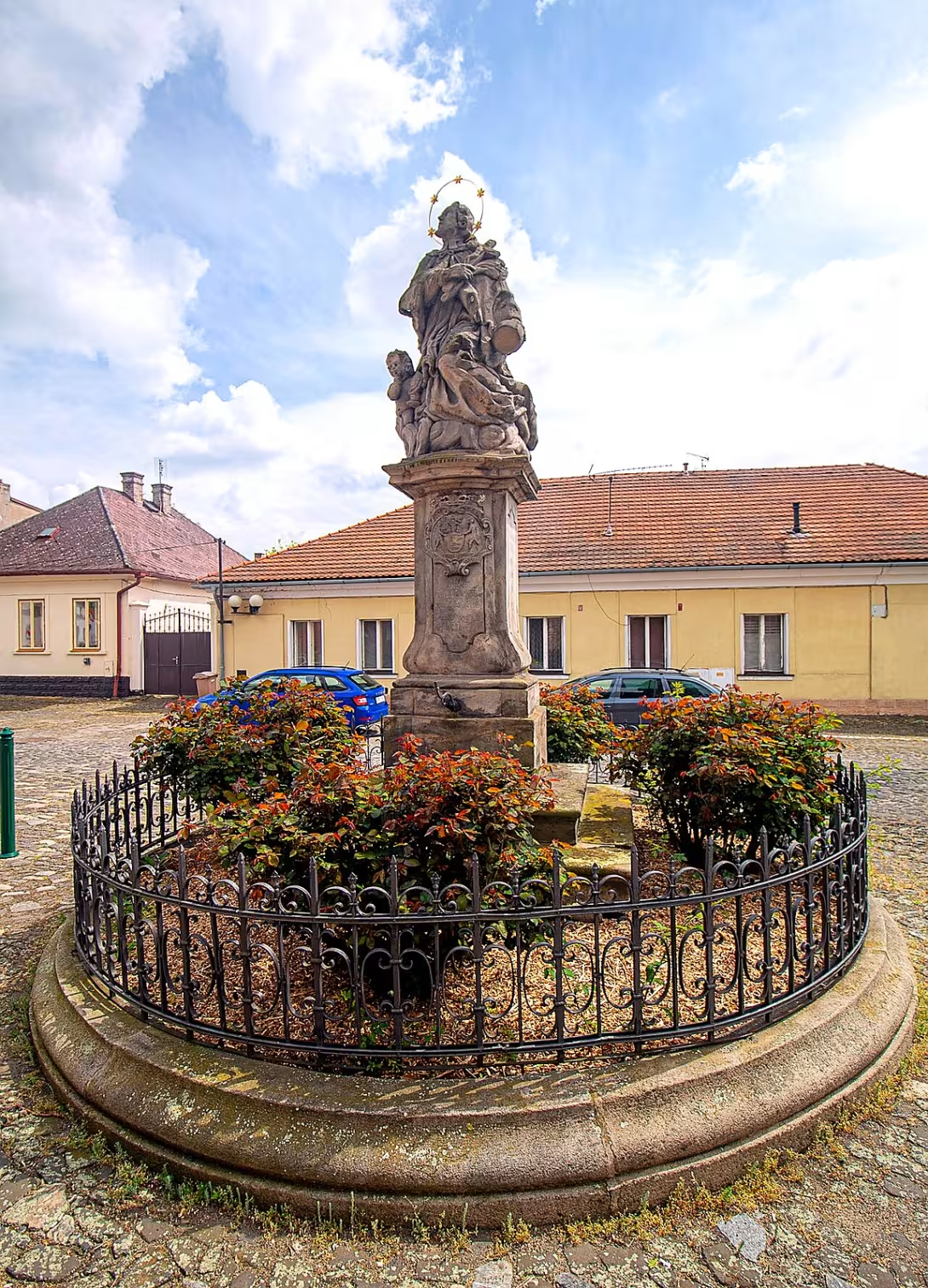
Socha svatého Jana Nepomuckého na Kostelním náměstí in Nymburk is an early Baroque sandstone statue from 1742, which attracts attention to its historical and artistic significance. Located at St. Gilji's Church, it has been protected as a cultural monument since 1965. This statue depicts a life-sized saint with a cross in his right hand and a square in his left, while the angel on his side symbolizes silence.
The creation of this statue is connected to the Baroque art of the 18th century, a period of rich ornaments and dramatic forms. The Baroque style also characterized Czech work of art, which is evident in this statue of St. John Nepomuk. Since 1742 it has become not only a religious symbol but also a cultural heritage of the city of Nymburka.
The architecture of the statue is an example of baroque art with its symbolism and detail. The saint is depicted in life size, which underlines his spiritual importance. The cross and the square are traditional attributes of St. John Nepomuk. The angel at his side, holding the saint's tongue, resembles a legend of silence he preserved despite torture. The double figure of the statue is placed on a two-stage square plinth, which gives the piece meaning and solidarity. The lower part of the character includes a lantern holder with an convex part in front, while the upper part is decorated with relief and Latin inscriptions. The crowned cartouche at the top of the figure shows two characters holding a coat of arms with pelican blood-feeding cub, which adds additional symbolic dimensions.
The statue of St. John Nepomuk in Nymburk has not experienced dramatic changes in ownership or administration. Its history is mainly linked to its location in the Church Square and its protectiveness as a cultural monument since 1965, which ensures its preservation for future generations.
The key event in the history of this statue was its declaration of cultural monument. This protection underlines not only the artistic but also the historical and religious importance of the statue of St. John Nepomuk for the city of Nymburk.
Today, the statue is open to the public and is worth visiting not only for its historical value, but also for the artistic miracle of the baroque era. Its location next to the Holy Church Jilji gives the part context and deeper meaning. Nymburk offers visitors an opportunity to explore the rich cultural heritage of the region.
The statue of St. John Nepomuk is not only a monument to baroque art, but also a symbol of resistance and faith. Its history and location in Nymburk recall the importance of protecting cultural monuments for the preservation of identities and traditions. Visiting this statue means not only appreciating its aesthetic beauty, but also understanding the deeper meaning it had for people of past times.
Then and now
Drag the slider to compare how the landmark may have looked when it was built with the view today.
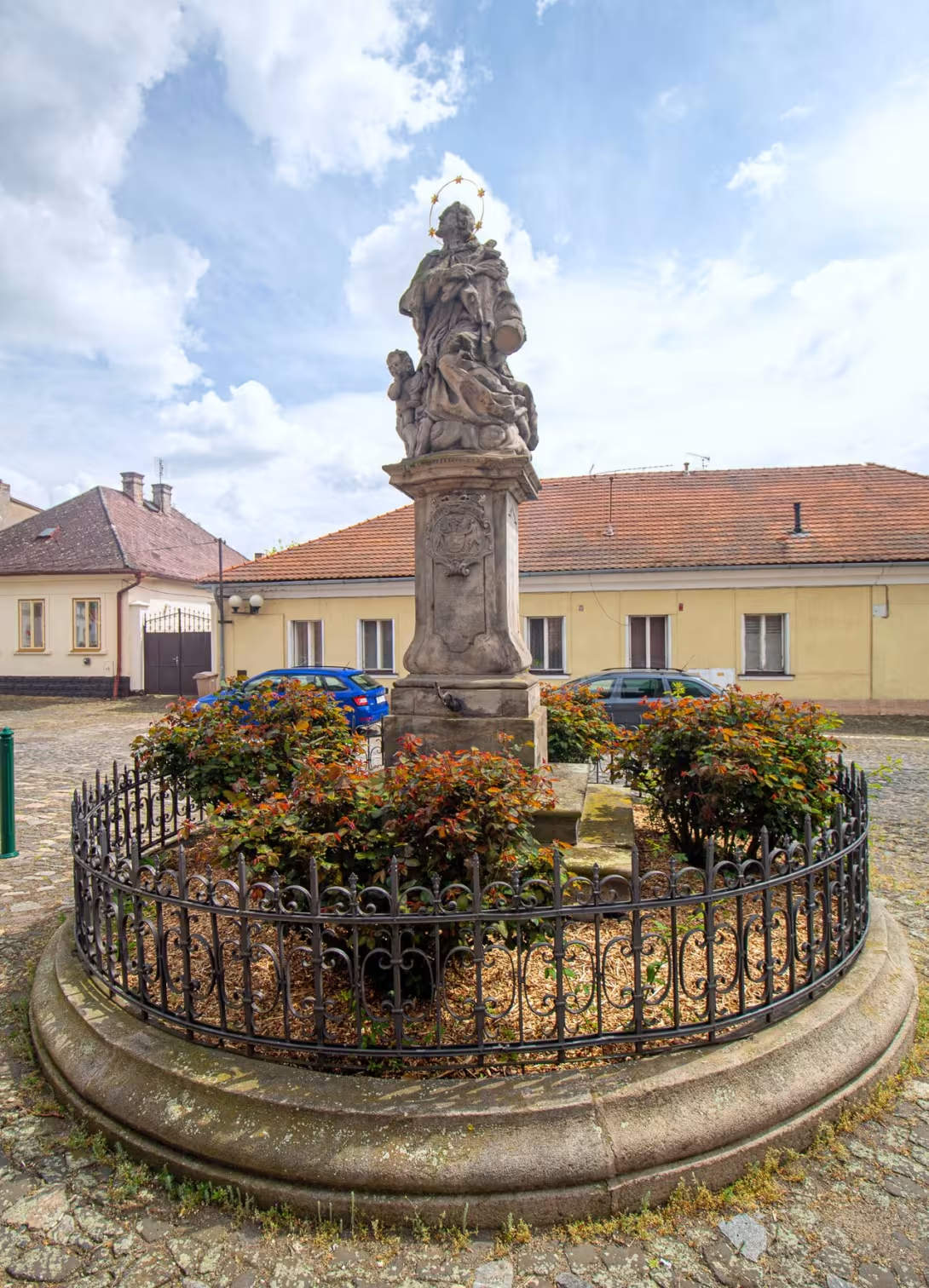
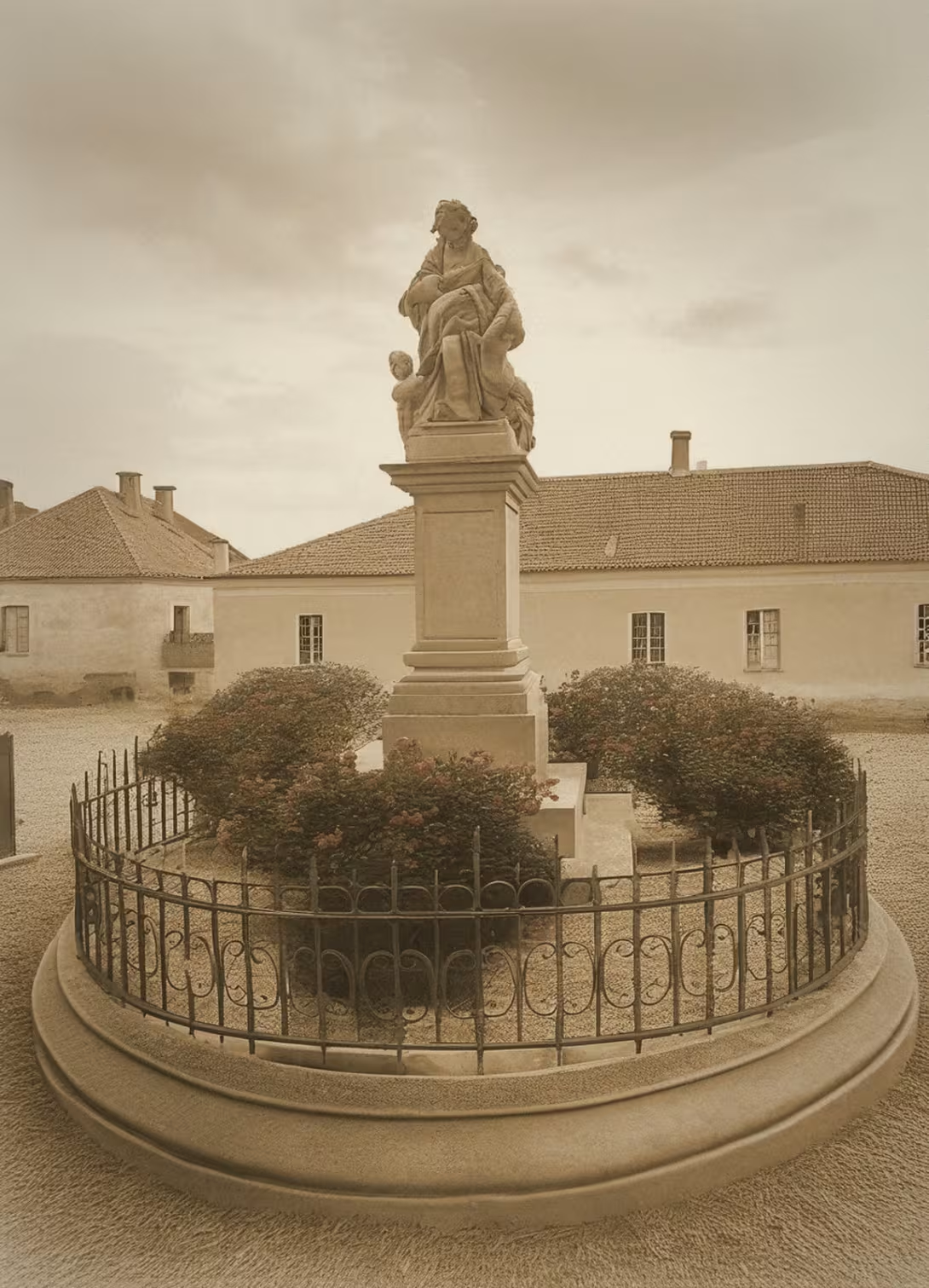
The historical appearance on the left is an AI-generated visualisation and serves as inspiration only.
Historical milestones
- 1742
- The creation of the statue of St. John Nepomuk.
Architectural development
The statue from 1742 is in traditional Baroque style with emphasis on symbolism and detail. The figure of the statue is decorated with relief and Latin inscriptions, which adds to its historical and artistic significance.
Historical events
- 1965
- The statue was declared a cultural monument.
Points of interest
- The statue of St. John Nepomuk is an early Baroque sandstone statue from 1742. - Located at St. Gilji's Church, protected as a cultural monument since 1965. - Displays a life-size saint with a cross in his right hand and a quadrant in his left, symbolized by an angel at his side. - It is an example of baroque art with rich ornaments and dramatic forms. - The declaration of cultural monument underlines its historical, religious and artistic importance for the city of Nymburk.
Guide
Show guide text
This text was created by artificial intelligence and has not been editorially reviewed. It may contain inaccuracies.
Welcome to Nymburk. You have just stopped at a place that is the heart of this city, in Church Square. Before we go into an in-depth investigation of what's right in front of you, just stop for a moment and feel the atmosphere of this space. You're standing in a place where history meets everyday life, and right now your journey is linked to art that has been here for hundreds of years. In front of your eyes is the statue of St. John Nepomuk. It's a monumental work that will immediately attract you with its presence and its quiet power.
Look at this material, this sandstone, from which the statue is carved. Feel his color and texture. The sandstone is a material that has a special feeling in it, it has a connection with nature, but it also has an incredible work of human hands. This statue is not just a stone object, it is a living witness of time. When you look at it, you see a work that has been here since 1742. Imagine everything that has happened since then, all the human destinies that passed through this square, while this sandstone remained here, immobile and loyal to its task.
This statue belongs to the early Baroque era. If you want to understand this style, look at how the statue tries to express movement and emotion even in that still rock. Early Baroque brought new dynamics into the art, a new way to tell stories through faces and gestures. Although we do not know the name of the particular creator who carved this work, his championship is evident in every detail that you can now observe.
Now I would ask you to move your gaze closer to the figure of a saint. Notice its size. The statue is carved in life-size, which creates a feeling as if St. John Nepomuk was really standing among us, as one of us, but still with the noble timeless. In his right hand he holds a cross that is a powerful symbol of faith and sacrifice. Notice how this cross is carved, how it fits into his possession. In his left hand, he carries a square. This object is less well known to someone, but it has a profound meaning in this context.
Now, pay attention to something very gentle. You'll see a small figure at his side. She's an angel. This angel is not just an ornament to please us. His presence has a profound, symbolic meaning. This angel symbolizes silence. It's a reminder of secrecy, secrets, and the ability to preserve what is sacred, in peace and without unnecessary words. If you look at him, perhaps you will feel the special calming that this silence brings directly to the busy city.
Now try to look down on what keeps the statue above the ground. This whole piece is on a two-stage plinth. This plinth is not just a simple base, it's an integral part of the whole artistic expression. On its steps you can see reliefs, i.e. elevated images carved directly into stone. These reliefs tell us stories and complement the figure of the saint with another layer of meaning. You can also see the Latin inscriptions here. Although Latin is not a native language for many of us, its presence here gives the whole place nobility and reminds us of the European cultural context in which this work was created. These inscriptions were common in the eighteenth century to write down important information and to know who this work is dedicated to.
This whole place, this square, has a specific connection to the surrounding architecture. The statue stands in close proximity to the church of St. Jilji. This closeness creates a sacred circle, a space where the religious significance of the statue meets the space of public assembly. It's where people meet, where they stop, and this statue is their silent guide.
It's very interesting that this work is not just an historical artifact, but a protected treasure. Since 1965, this statue has been recognised and protected as a cultural monument. It tells us that its value to all of us, to our city and to the whole country, is enormous. We must take care of it to preserve this early Baroque piece for those who come after us. It's our common heritage that connects us to the people of 1742.
Look at her for a while. Feel the beauty of the sandstone, the power of the symbols and the silent presence of the angel. This statue is more than just stone. It's a story about faith, about silence, and about art that can cross centuries.
I hope this brief view of the statue of St. John Nepomuk has helped you better understand its meaning and beauty. Now don't just go back to history, but continue to walk through this city. Nymburk has many other places worth exploring, and each one has its own story. I wish you a beautiful and inspiring next part of your journey around this city. I'll say goodbye and wish you many more interesting discoveries.
Tips for visitors
The best time to visit the statue of St. John Nepomuk is in the spring or autumn season when the weather is pleasant and fewer people on the streets. This time also offers a beautiful atmosphere for a walk around the Church Square.
Parking in Nymburk can be found near the center, but due to limited capacity we recommend to use public transport. The city has good access to bus and rail connections that will bring you to the centre.
When visiting the statue of St. John Nepomuk, it is advisable to bring sun protection and winter clothes according to the weather. In addition, a map guide or smartphone application can be useful, which will show you the historical details of the monument.
Photography of the statue is best in the early morning or evening when the sun shines from the side and illuminates the statue with a suitable light. Don't forget to take pictures of St. Jilji's church, which is nearby and adds historical depth to your portfolio.
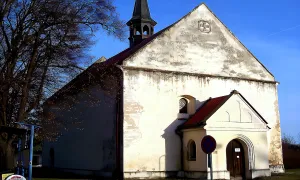
In the vicinity of the statue you can visit the church of St. Jilje, located in the Church Square. This Baroque temple is an important architectural monument and offers interesting interiors for viewing.
Businesses nearby
Do you run a restaurant, accommodation, shop, museum, rental, wellness or other visitor service near this monument? Show yourself directly to the people heading to it — this is how they will see you in the app and on the web:
Nearby
Socha je umístěna v blízkosti kostela sv. Jiljí na Kostelním náměstí, což přidává k jejímu historickému a kulturnímu kontextu.
Accommodation nearby
Themed route
Thematic cruise route in Nymburk
1. Church of St. Jilji - religious monument The Church of St. Jilje is a key part of the historical and cultural heritage of Nymburk. His Gothic architectural style and rich history attract visitors who are interested in medieval church architecture. The church is near the statue of St. John Nepomuk and provides insight into the spiritual life of the city.
2. Statue of St. John Nepomuk - historical monument The main objective of the route is the statue of St. John Nepomuk, located in the Church Square. This statue symbolizes the local tradition and importance of the Holy One for the inhabitants of Nymburk. Its location next to the church of St. Jilji gives its importance another dimension.
3. Church Square - historical site The church square is the center of local life and an important cultural space, which connects the church of St. Jilje with the statue of St. John Nepomuk. The square offers visitors the opportunity to relax and admire historical monuments in a quiet atmosphere.
4. Old Town Courary - architectural monument This courtier, located near the Church Square, represents an interesting part of local architecture. Its history and appearance are an example of domestic construction from past times and add another layer to the total Nymburk image.
5. Town Hall - Administrative Building City Hall in Nymburk is not only an administrative centre but also an architectural monument with a rich history. Its location near the Church Square allows easy access and provides additional context for understanding local administration and history.
This route offers a view of the historical and cultural wealth of Nymburk, focused on the main goal of the statue of St. John Nepomuk.
Seasonal recommendations
In spring, the statue stands out, accompanied by awakening nature and fresh green. Morning light gently hits the stone surface, creating a calm mood. We recommend wearing more layers of clothing because the weather is unstable. The best time to visit is in the morning when the air is the cleanest.
In the hot summer months the monument is energetic and bright under the sharp sun. There are more people around her looking for a shadow near the church. It is advisable to come very early in the morning to avoid the greatest crowds and heat. Don't forget light clothing and plenty of fluids.
Autumn brings the golden colour of leaves and frequent fog to the space around the statue, which gives the place mystery. The atmosphere is rather melancholy and quiet. It is practical to choose waterproof shoes and a lighter jacket against the wind. For the most beautiful photos we recommend late afternoon.
In winter, the statue can be covered with white snow, which will highlight its shapes and create contrast with the grey sky. The environment is the quietest at this time. It is necessary to wear warm clothes, gloves and a hat. Given the short day, it's best to plan a trip around noon.
Visualizations and artistic views


The visualisations are generated by artificial intelligence and serve as inspiration.
Photos from the area
Real photos taken near the monument


Zdroj a licence jsou uvedeny u každého snímku.
Tips from visitors
No tips yet. Be the first!
Log in and add your tip.
Sources and literature
Photos: VitVit / CC BY-SA 4.0 — Wikimedia Commons. The author and licence also appear when you hover over the image.
Faktickým podkladem tohoto textu byl článek na Wikipedii, jehož autory jsou přispěvatelé Wikipedie. Článek je dostupný pod licencí CC BY-SA 4.0.
Location on the map
Příběhy a pověsti
Legendy, pověsti a příběhy spjaté s touto památkou

Fotografie návštěvníků
Zatím žádné fotografie. Buďte první, kdo přidá fotografii z návštěvy!
Log in a přidejte svou fotografii nebo hodnoťte.
Za ověřenou návštěvu v aplikaci získáte víc bodů — poznáme podle GPS, že jste na místě.
Reviews and comments