






Soumarský most Bridge
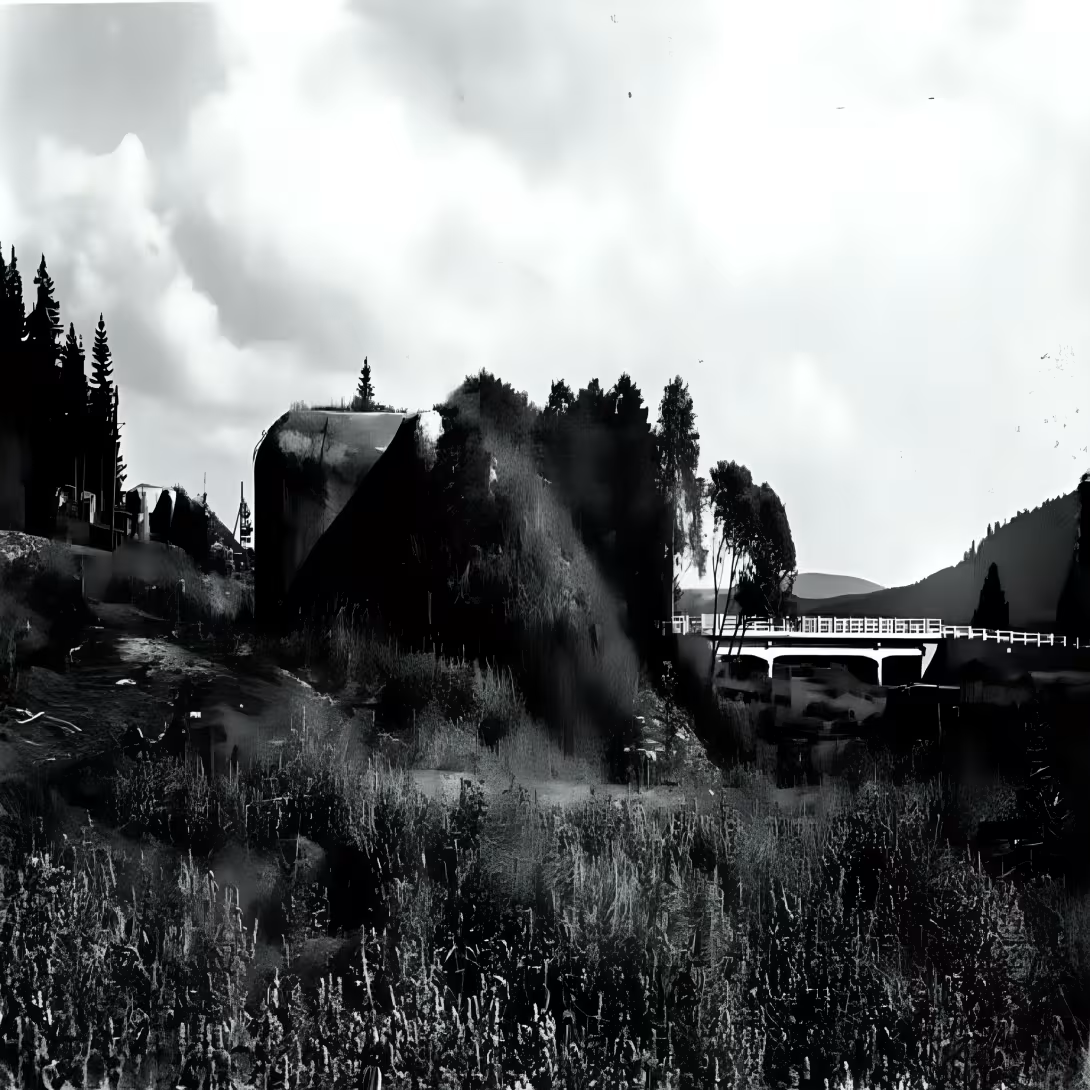
Soumarský most, also known as Säumerbrücke in German, is a historical and modern road bridge spanning the Teplá Vltava River near Volary in Southern Bohemia. It holds significance due to its strategic location on what was once part of the Prachatice branch of the Golden Trail, an important medieval trade route. The current concrete structure dates back to 1998, replacing earlier versions that succumbed to destruction or disrepair over centuries. Its evolution from a simple crossing to a modern infrastructure marvel reflects both technological advancements and historical influences.
The origins of Soumarský most are intertwined with the establishment of the Golden Trail in the Prachatice area. Historical records suggest that the earliest bridge at this location likely emerged shortly after the trail's inception, serving as a crucial link for trade and travel. Maintenance responsibilities initially fell to the Vyšehrad chapter, highlighting its importance during medieval times. Over the centuries, the bridge underwent several reconstructions due to its deteriorating condition, particularly following significant historical events like the Thirty Years' War.
Architecturally, Soumarský most has transitioned through various materials and forms. Initially, it may have been a simple ford or wooden structure, evolving into stone and iron constructions as technology advanced. The bridge built in 1937 was made of concrete but was destroyed during World War II in 1945. This led to the construction of temporary wooden and later iron bridges before the current concrete version was completed in 1998.
Ownership and administrative responsibilities for Soumarský most have shifted over time, reflecting broader historical changes. Initially managed by the Vyšehrad chapter, these duties were eventually assumed by the city of Prachatice during periods like the Hussite Wars and after the Thirty Years' War when the chapter's influence waned. This shift underscores the bridge's enduring significance in regional infrastructure.
Key events in the history of Soumarský most include its reconstruction in 1652 due to the hazardous state of the original structure post-Thirty Years' War, and its destruction during World War II. These events highlight the bridge's resilience and strategic importance through turbulent times. Additionally, a smaller bridge over Mechový potok is also referred to as an old Soumarský most, dating back to the Golden Trail era, further emphasizing the area's historical connectivity.
Today, Soumarský most stands as a testament to the region's rich history and evolving infrastructure. It is accessible via Silnice III/14141, branching from Silnice I/39 near Volary, and serves both road traffic and tourists. The bridge is part of a network of trails, including the yellow-marked Zlatá stezka and cycle route 1055, making it an attractive destination for visitors interested in exploring Southern Bohemia's natural beauty and historical sites.
Visiting Soumarský most offers a glimpse into the past while appreciating modern engineering. Its strategic location and storied history make it a compelling site for those interested in the intersection of culture, trade, and technology. Whether you're a history enthusiast or simply seeking to explore Southern Bohemia's scenic landscapes, this bridge is well worth a visit.
Historical milestones
- 1652
- A new bridge was constructed due to the old one being in a hazardous technical state.
- 1937
- The concrete bridge built this year was destroyed during World War II.
- 1945
- Post-war reconstruction led to the building of a wooden bridge, later replaced by an iron one.
- 1998
- Construction of the current concrete bridge was completed.
Architectural development
Soumarský most has evolved from an early medieval crossing, possibly a ford or simple bridge, to its present concrete form. Over time, it transitioned through various materials including wood, stone, and iron, reflecting both technological advancements and the impact of historical events such as wars.
Historical events
The original bridge likely dates back shortly after the establishment of the Golden Trail in the Prachatice area, with maintenance responsibilities initially held by the Vyšehrad chapter.
In 1652, a new bridge was constructed due to the deteriorating condition of the old one following the Thirty Years' War.
The concrete bridge built in 1937 was destroyed during World War II in 1945 and subsequently replaced with wooden and then iron structures before the current version.
Points of interest
- The Soumarský most is also known as Säumerbrücke in German, reflecting the region's historical connections with German-speaking areas and its role in facilitating trade across linguistic boundaries.
- The bridge has been reconstructed multiple times due to destruction or disrepair, illustrating how pivotal events like the Thirty Years' War and World War II have directly impacted local infrastructure over centuries.
- Initially managed by the Vyšehrad chapter, the administrative responsibilities for Soumarský most shifted to the city of Prachatice after significant historical upheavals such as the Hussite Wars, indicating changing political landscapes in the region.
- A smaller bridge over Mechový potok is also referred to as an old Soumarský most, highlighting how multiple structures have historically contributed to the area's connectivity and trade significance since the Golden Trail era.
- The modern concrete structure of Soumarský most completed in 1998 stands on a site that has seen transitions from simple fords or wooden constructions to stone and iron bridges, showcasing advancements in engineering over time.
Guide
This guide is narrated by a synthetic voice generated by artificial intelligence.
Show guide text
This text was created by artificial intelligence and has not been editorially reviewed. It may contain inaccuracies.
Welcome to the historic Soumarský most, or as it's known in German, Säumerbrücke. As you stand here near Volary in Southern Bohemia, take a moment to appreciate this remarkable structure that stretches gracefully across the Teplá Vltava River. This bridge is not just a modern engineering feat but also a testament to centuries of history and resilience.
The story of Soumarský most begins in 1652 when a new bridge was constructed due to its predecessor being in a hazardous technical state. Its strategic importance for trade routes, particularly as part of the Prachatice branch of the Golden Trail, necessitated multiple reconstructions over time. The concrete bridge built in 1937 met a tragic end during World War II but rose again post-war with a wooden structure that was later replaced by an iron one. Today, you see before you the culmination of these efforts: the current concrete structure completed in 1998.
As you look at this modern bridge, notice its robust design and how it seamlessly blends into the landscape. The concrete is smooth yet sturdy, reflecting both functionality and aesthetic appeal. This bridge stands as a symbol of endurance, having withstood wars and time itself to serve generations of travelers.
While specific architects remain unknown, the bridge's history is rich with stories of resilience and adaptation. It has been reconstructed multiple times due to destruction or disrepair, illustrating humanity's determination to maintain vital connections across regions.
An intriguing aspect of Soumarský most is its name—Säumerbrücke—which reflects the region's historical ties with German-speaking areas. This dual nomenclature highlights the bridge’s role in facilitating trade and cultural exchange across linguistic boundaries.
As you continue your journey, I invite you to explore further around Volary, where history and nature intertwine beautifully. Thank you for joining me on this brief exploration of Soumarský most. May your visit be as enriching as it is memorable!
Tips for visitors
The best time to visit Soumarský most is during late spring or early autumn when the weather is mild, making it perfect for exploring both the natural beauty of the surrounding Teplá Vltava River and enjoying outdoor activities. During these seasons, you can experience vibrant landscapes without the summer crowds, and the lighting conditions are ideal for photography. Additionally, visiting in these months allows you to enjoy nearby attractions like the lookout tower at Soumarské rašeliniště with fewer visitors.
Public transportation is also convenient, with buses connecting Volary to various nearby attractions. For the most current routes and schedules, use an online travel planner.
When visiting Soumarský most, consider bringing comfortable walking shoes as you'll likely want to explore the surrounding areas on foot. A camera or smartphone for capturing stunning views of the bridge and river is recommended, especially during golden hour when the light enhances the natural beauty of the landscape. Don't forget a water bottle, snacks, and perhaps a picnic blanket if you plan to relax by the river.
For photography enthusiasts, Soumarský most offers several picturesque spots. The best views are typically from the bridge itself or from the lookout tower at nearby Soumarské rašeliniště, especially during sunrise or sunset when the light is soft and warm. Early morning visits can provide serene lighting conditions with fewer people around, making it ideal for capturing unobstructed shots of the landscape.
Families with children will enjoy exploring these sites as they provide both educational experiences and opportunities for outdoor activities. The lookout tower at Soumarské rašeliniště is also family-friendly, offering panoramic views of the area.
Frequently asked questions
Can the monument be visited?
This is a structure in a public space that can usually be seen from outside free of charge. We have not verified that this particular one is freely accessible.
Where is the monument?
Location: Volary, Jihočeský kraj. The map on this page shows the exact spot.
Businesses nearby
Do you run a restaurant, accommodation, shop, museum, rental, wellness or other visitor service near this monument? Show yourself directly to the people heading to it — this is how they will see you in the app and on the web:
Nearby
Nearby attractions include Volary Chancelleries, PP Malá niva, and Soumarské rašeliniště with a lookout tower. The area is rich in natural beauty and historical sites.
Accommodation nearby
Themed route
Soumarský Most Thematic Tour
1. Soumarský most (Bridge) Begin your journey at the iconic Soumarský most, a remarkable engineering feat that spans the Želnava River. This bridge is not only an essential transportation link but also a testament to modern design and construction techniques. Its strategic location offers stunning views of the surrounding landscape, making it a perfect starting point for exploring the area's natural beauty.
2. PP Malá niva (Protected Area) From Soumarský most, head approximately 3 kilometers south to PP Malá niva. This protected area is renowned for its rich biodiversity and serene environment. It offers a peaceful retreat into nature where you can enjoy hiking trails that meander through lush forests and along picturesque riverbanks. The tranquility of the landscape makes it an ideal spot for bird watching or simply relaxing in nature.
3. Soumarské rašeliniště (Peat Bog) Continue your exploration by visiting Soumarské rašeliniště, located about 5 kilometers west of PP Malá niva. This unique peat bog is a fascinating natural habitat characterized by its wetlands and diverse plant life. The area features an observation tower that provides panoramic views of the bog's intricate ecosystem. It's a perfect place to learn about the ecological significance of peat bogs and their role in carbon storage.
4. Volary Chancelleries (Historical Site) Conclude your tour by visiting Volary Chancelleries, situated roughly 8 kilometers north of Soumarské rašeliniště. This historical site offers a glimpse into the region's past with its well-preserved architecture and informative exhibits. The Chancelleries provide insights into local history and culture, making it an enriching experience for those interested in understanding the area's heritage.
This thematic tour combines natural wonders with cultural insights, offering a comprehensive exploration of Volary’s unique attractions.
Seasonal recommendations
Jar: During the spring season, Soumarsky Bridge in Volar offers a unique combination of newly sprouting greenery and warm sunlight that adorns the ancient stones. Flowers and trees begin to bloom, adding color to the surroundings of this historic site. The atmosphere is milder with fewer visitors compared to summer, ensuring a more tranquil walk. We recommend visiting the bridge during early spring to avoid sudden weather changes and enjoy mild temperatures without needing heavy clothing.
Leto: Summer in Volar is full of life as the sun illuminates the historical Soumarsky Bridge, making its surroundings a popular spot for tourists. The warm weather attracts more people, leading to higher visitor numbers, especially during peak summer months. We suggest visiting the bridge early in the morning or in the evening to avoid the heat and crowds. Don't forget your sunscreen and light clothing to help you enjoy your walk under the sunny sky.
Podzim: Autumn at Soumarsky Bridge in Volar offers charming experiences with a palette of colorful leaves and milder weather. The atmosphere is more relaxed, allowing for an unhurried exploration of the site without being overwhelmed by crowds. This time of year is ideal for photography as the bridge and its surroundings transform into a beautiful scene with colorful foliage as a backdrop. We recommend visiting in early autumn before it starts raining frequently and ensuring you have warmer clothing to protect against chilly winds.
Zima: A winter visit to Soumarsky Bridge in Volar offers unique views, whether the historic site is covered in snow or illuminated during cold evenings. The atmosphere is calm and quiet, allowing for an intimate stroll without a large crowd of visitors. Don't forget warm clothing and protective footwear for a comfortable experience walking on icy surfaces.
Visualizations and artistic views


The visualisations are generated by artificial intelligence and serve as inspiration.
Photos from the area
Real photos taken near the monument


Zdroj a licence jsou uvedeny u každého snímku.
Tips from visitors
No tips yet. Be the first!
Log in and add your tip.
Sources and literature
Photos: AnonymousUnknown author / Public domain, rozlišení zvýšeno umělou inteligencí — Wikimedia Commons. The author and licence also appear when you hover over the image.
Faktickým podkladem tohoto textu byl článek na Wikipedii, jehož autory jsou přispěvatelé Wikipedie. Článek je dostupný pod licencí CC BY-SA 4.0.
Location on the map

Příběhy a pověsti
Legendy, pověsti a příběhy spjaté s touto památkou

Příběh: Soumarský most
Bylo to v pondělí ráno, kdy Martin zjistil, že jeho koňský dvojezřivce mizerně chápe ranní mraky táhnoucí nad Teplou Vltavou. Krokem přes Soumarský most si u…
Číst příběh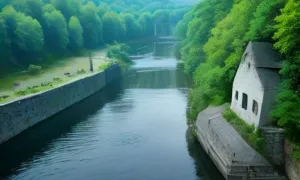
Pověst: Soumarský most
Traduje se, že Teplá Vltava v těchto místech nikdy nebyla řekou jako jiné řeky. Staří obyvatelé volarského podhůří vyprávějí, že voda zde teče jinak – pomale…
Číst příběhFotografie návštěvníků
Zatím žádné fotografie. Buďte první, kdo přidá fotografii z návštěvy!
Log in a přidejte svou fotografii nebo hodnoťte.
Za ověřenou návštěvu v aplikaci získáte víc bodů — poznáme podle GPS, že jste na místě.
Reviews and comments