






Stavovské divadlo Theatre building
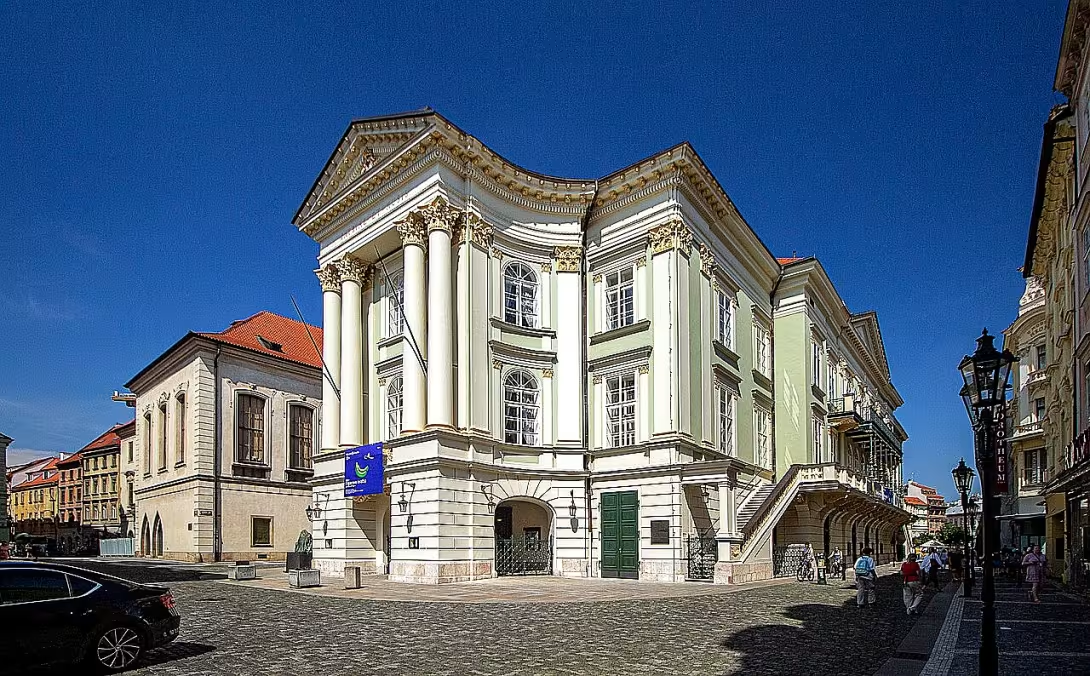
Stavovské divadlo in Prague's Old Town is a historic place known as one of the few European theatres, which has been almost completely preserved since its construction in 1781 to 1783. He designed Anton Haffenecker for the aristocrat František Antonín z Nostic-Rienecku, embodies enlightened ideals of cultural approach and national standards. The theatre is remarkable not only for its architectural integrity, but also as a place where Wolfgang Amadeus Mozart held the world premiere of its opera "Don Giovanni" in 1787.
At a time when Praha was part of the Habsburg monarchy, the theatre reflects the effects of the Enlightenment that supported cultural and intellectual growth. Its design has enabled universal access to theatrical performances, which are seen as indicators of national cultural standards. This context underlines its importance in Czech cultural history.
Stavovské divadlo is an architectural classicist building with large semi-circular windows, designed by Anton Haffenecker and designed for the arrangement of the Kašpar Heřman Künigel Universe. Over time, it has undergone several renovations while preserving its original style. In 1834 the auditorium was increased by one floor and the second gallery was added. A significant renewal in 1859, led by architect Karel Brust, respected the original architectural style while improving acoustics and safety. Later, in 1882, Achille Wolf expanded the building to improve the stage facilities.
Stavovské divadlo has experienced various ownership rights and administrative changes throughout its history. Originally built for Count Nostitz, it was purchased by Czech Estates in 1798 and became the Royal Theatre of Estates. After a period devoted to German performance, she joined the National Theatre between 1920 and 1948. In 1990, after the 38th year of the reconstruction project, he acquired the original name.
The theatre organizes a number of important events and artists. It was a place for the world premiere of Mozart's "Don Giovanni" in 1787 and "La Clemenza di Tito" in 1791. Over time it became a place for Czech production starting in 1785, with remarkable work as an opera by František Škupe "Tinkera" and "Where is my home?" which later became Czech national anthem. The theatre also attracted famous European artists such as Carl Maria von Weber, Anton Rubenstein, Karl Goldmark, Gustav Mahler, A. W. Iffland, F. Raimund, J. N. Nestroy, Angelica Catalani and Niccolò Paganini.
Today Stavovské divadlo continues to offer a performance of drama, ballet and opera with a special focus on Mozart's work. She gained more fame because of her depiction in movies like Milos Forman "Amadeus" and Gary Oldman "Immortal Loved." In 2000 Anna Chromy installed a statue of Il Commendatore, inspired by Don Giovanni, outside the theatre.
Stavovské divadlo remains an important cultural monument and offers visitors a view of Prague's rich theatre history. The preservation of it as one of the few theatres where Mozart performed makes it an essential goal for those interested in classical music and European cultural heritage. Visitors are invited to explore this historic place, which continues to celebrate its famous past and contributes to contemporary artistic efforts.
Then and now
Drag the slider to compare how the landmark may have looked when it was built with the view today.
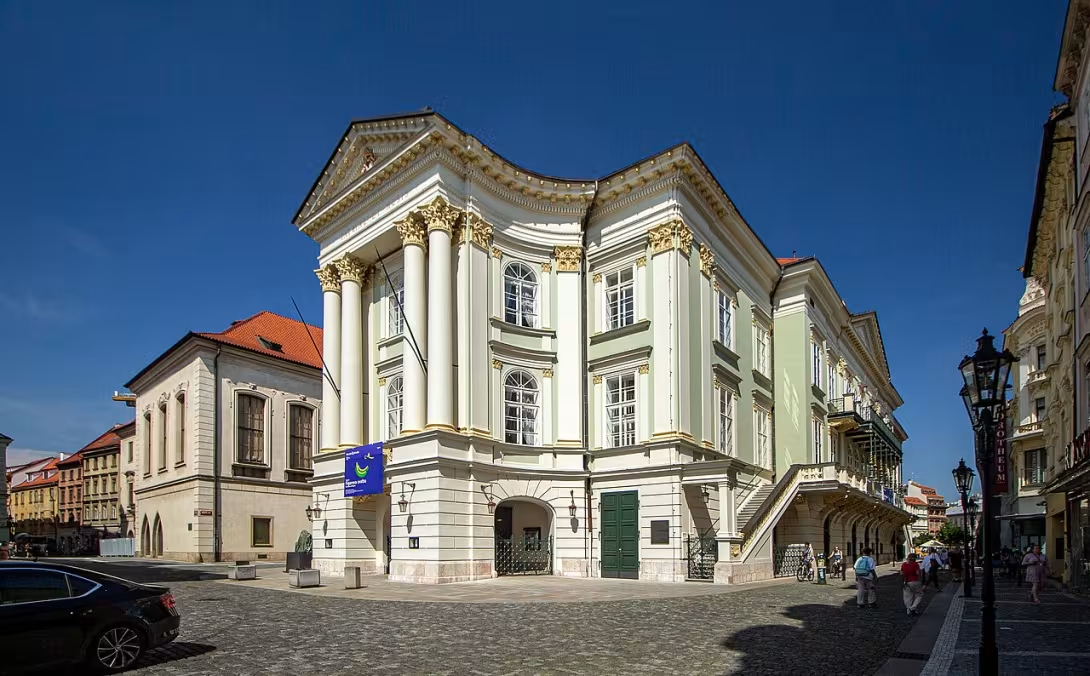

The historical appearance on the left is an AI-generated visualisation and serves as inspiration only.
Historical milestones
- 1783
- Completion of original building Stavovské divadlo.
- 1834
- Large renovation of the hall and addition of the second gallery.
- 1859
- A significant renewal of Karl Brust respecting the original style.
- 1882
- The extension of the Achille Wolf building increases the stage space.
Architectural development
Stavovské divadlo was originally built in classical style with large semi-circular windows. It has undergone several renovations over time, including an increase in auditorium level and the addition of galleries. The most important changes occurred in 1859 under the leadership of Karel Brust, who respected the original architectural style while improving acoustics and safety. In 1882, Achille Wolf expanded the building to improve the stage facilities.
Historical events
1781-1783: Construction of the original theatre building.
1834: Great renovation, which raised the auditorium one floor and added a second gallery.
1859: Significant restoration led by architect Karl Brust, respecting the original style.
1882: Extension of the Achille Wolf building to increase the stage and backstage area.
Owners
count František Antonín z Nostic-Rienecku
Points of interest
- Stavovské divadlo is one of the few European theatres preserved almost entirely since its construction in the late 18th century, making it a rare example of Enlightent- era architecture still intact today.
- Despite the fact that the theatre was built for the aristocrat František Antonín z Nostic-Rienecku, it was quickly accessible to a wider audience and reflected enlightened ideals that supported cultural approach and intellectual growth.
- The theatre auditorium was increased by one floor in 1834, the second gallery was added - a significant change that maintained its original style and adapted to evolving performance needs.
- In 1859 architect Karel Brust led restoration, which improved the acoustic and security elements of the theatre without compromising its classical architectural integrity, and demonstrated an early example of historical conservation efforts.
- Stavovské divadlo is known not only for hosting Mozart's opera, but it also became associated with the Czech national identity through performances such as the opera František Škump "The Tinker" and the song "Where is my home?" which later became the Czech national anthem.
Guide
This guide is narrated by a synthetic voice generated by artificial intelligence.
Show guide text
This text was created by artificial intelligence and has not been editorially reviewed. It may contain inaccuracies.
Welcome to one of the most interesting historical monuments in Prague, on Stavovské divadlo. You are facing one of the oldest and most preserved theatres in Europe. Here you can feel the atmosphere of the 18th century and look back to the past where important events took place in musical and theatre history.
Let us move in time and return to 1781, when this theatre building was built. It was a project of generous and educated nobleman František Antonín z Nostic-Rienecku who wanted to create a place for theatre performances and concerts. The project of architect Anton Haffenecker became a reality and the theatre was completed in 1783.
Now I invite you to look at the facade. Notice the classic details that characterize the building. The facade is decorated with stucco decorations and pilasters that give the structure an elegant and sophisticated look. Also look at the front page where you will find a sign called the theatre. Stavovské divadlo is one of the few theatres in Europe that has been able to preserve its almost original state since its inception in the 18th century.
Stavovské divadlo has a rich history and many significant personalities were there. Wolfgang Amadeus Mozart, one of the greatest composers of all time, worked here and his music was premiered on stage. František Antonín z Nostic-Rienecku, patron saint of the theatre, was a distinguished nobleman and excellent patron of art. Kaspar Høman Künigel, who worked as director of the theatre in the 19th century, also contributed to its development and preservation of its traditions.
Stavovské divadlo is also one of the few theatres that has been able to preserve its original state since its inception in the 18th century. This makes it an exceptional place that offers visitors the opportunity to experience the atmosphere of the past and immerse themselves in history. Whether you are a lover of music, theater or history, Stavovské divadlo is a place worth visiting.
Allow me to invite you to further explore this historical monument. If you are interested in how the theatre has evolved over time or how important personalities have worked here, do not hesitate to ask. Whether you want to see the inner spaces or just sit and feel the atmosphere of this unique place, Stavovské divadlo is a place that will surely charm you and leave a lasting impression.
Tips for visitors
The best time to visit Stavovské divadlo is in late spring or early autumn when the weather is pleasant, allowing you to comfortably explore both the theatre and its surroundings. These seasons offer balance of good weather and fewer crowds compared to the peak of the tourist time in summer. Moreover, a visit on weekdays can provide a more relaxed experience because weekends tend to attract larger groups.
Parking around Stavovské divadlo is limited by its location in Prague. It is appropriate to use public transport for comfort. The theatre is accessible by tram and bus lines serving the Old Town area, making it easy to reach from different parts of the city. For those who drive, near the parking garage can be used, although availability may vary.
When visiting Stavovské divadlo, consider using a camera or smartphone for shooting. The best places to capture theatre architecture are from the front and the sides, where the most visible classical design is. Early morning light provides soft lighting that increases building details while late afternoon offers dramatic shadows.
For families with children, Stavovské divadlo can be a wonderful trip because it often hosts a performance suitable for all ages. Exploration of nearby attractions within 30 minutes, such as Charles Bridge and Prague Castle, can extend your visit to educational experience about the rich history of the city. This site offers interactive features that deal with younger visitors.
Close to Stavovské divadlo, a short walk will take you to the historic Old Town Square, which is ideal for exploring traditional Czech architecture and enjoying local street appearances. Another nearby attraction is Stavovské divadlo itself, where you can learn about its historical importance as one of Mozart's performances.
Frequently asked questions
Can the monument be visited?
Yes. We verified the opening hours or admission on the official website (20. 9. 2026); you will find them in the visitor information on this page. Please double-check with the operator before you travel.
What are the opening hours and admission?
Details verified on the official website (20. 9. 2026) are listed in the visitor information on this page. Official website: https://www.estatestheatre.cz/
Where is the monument?
Location: Ovocný trh 540/1, Staré Město, Praha, Hlavní město Praha. The map on this page shows the exact spot.
Why is the monument protected?
It is listed in the Central List of Cultural Monuments of the Czech Republic as a national cultural monument (register no. 107).
For kids
That you got to Prague? And you heard about the Stavov Theater where the most beautiful opera and ballet took place? This is where Mozart was headed when he wanted to introduce his latest songs!
It was like 243 years ago when Stavovské divadlo was built. At that time, King George III and his wife Marie Theresa were on the throne. It was a good time for art and music.
Stavovské divadlo was closely linked to Wolfgang Amadeus Mozart. He played his songs here more than 20 times, most of all among all his performances in Europe! This place was like his second home.
Businesses nearby
Do you run a restaurant, accommodation, shop, museum, rental, wellness or other visitor service near this monument? Show yourself directly to the people heading to it — this is how they will see you in the app and on the web:
Natáčelo se zde
- Amadeus (1984) film
Zdroj: Wikidata (vlastnost „místo natáčení“) · Všechna filmová místa
Events nearby

Zdroj akcí: otevřená data měst a obcí ČR (Národní katalog otevřených dat) a kalendář akcí Národního památkového ústavu.
Nearby
➜ Zobrazit interaktivní přehled okolí – restaurace, ubytování, půjčovny a další místa v okruhu 15 km.
Data: OpenStreetMap contributors, okruh 15 km.
🏰 Historické památky
- Clam-Gallasův palác v Praze (0.4 km – Husova 156/21)
- Dům U Kohouta (0.4 km)
- Kolovratský palác ve Valdštejnské (1.2 km – Valdštejnská 150/4)
- Hlávkova kolej (1.4 km – Gorazdova 1994/9)
- Vojenský historický ústav Praha (1.5 km – U Památníku 1600/2)
- Jaroslav Vrchlický (1.9 km)
- Galerie Troba (2.2 km – Velehradská 1320/24)
- Gorlice (2.3 km)
🍽️ Restaurace a stravování
- McDonald's (0.7 km – Vodičkova 736/15)
- Legenda (1.4 km)
- Restaurant River's smokelab (1.8 km – Lidická 2)
- Pizzerie U Tučňáka (1.9 km – náměstí 14. října 1)
- Yi Xiang Ge (4.9 km)
- Švejk restaurant U Brázdů (5.1 km – U Svobodárny 18)
- Pizzeria Cerreto (5.2 km)
- Šnyt (5.3 km – Kovářská 16)
🏨 Ubytování
- Old Prague Hotel (0.4 km – Skořepka 421/5)
- Old Town Jewel Apartments (0.5 km – Elišky Krásnohorské 10/2)
- The Mozart Prague (0.7 km – Karoliny Světlé 208/34)
- Hotel AXA (0.9 km – Na Poříčí 40)
- EA Hotel Tosca (1.7 km – Blanická 718/10)
- Theatrino (2.1 km – Bořivojova 1216/53)
- Hotel Olšanka (2.4 km)
- Plaza Prague Hotel (3.1 km)
🚲 Půjčovny a sport
- Kieser Training (0.6 km)
- Velox Sport (1.5 km)
- JUN (1.6 km – Haškova 629/7)
- Centrum volného času Botič (1.9 km)
- Pavé Cycles (1.9 km – Chvalova 1577/12)
- Florbal expert (1.9 km)
- U Tyrše (2.2 km – Jaselská 464/38)
- Virus Sport (2.5 km – Černomořská 235/5)
🥾 Turistika a příroda
- Informační a rezervační centrum (0.6 km – Maiselova 38/15)
- Pražský hrad (1.8 km)
- Petřínka (1.9 km)
- Masarykova vyhlídka (2.1 km)
- Vyšehrad (2.5 km)
- ÚAMK, a.s. (5.1 km – Na Strži 1837/9)
- Vyhlídka Emy Destinnové (5.4 km)
- Gabrielka (5.8 km)
Accommodation nearby
Trips and activities nearby
Guided tours, tickets and activities nearby from GetYourGuide
Affiliate link: if you buy from the partner, we may receive a commission. The price for you does not change.
Search tours and activities →Themed route
Old Town Hall - Type: historical buildings - It is worth fulfilling for a new architecture and rich history which is postponed within the internal market.
St. Jilji's Church - Type: church - It's worth it for his beautiful architecture and rich art values.
Old Town Bridge Gate - Type: historical buildings It's worth the effort for new architecture and historical values.
Stavovské divadlo - Type: theatre - It is worth the effort for a new architecture and rich history, which is postponed in its interior.
Seasonal recommendations
Spring: Spring is an ideal way to build Stavovské divadlo, because the way around the building with the expression of life and surrounding parks and its own gaseous products and cabbages. The atmosphere is reserved and consecrated, which means the ideal products for making historical pamas. We recommend visiting the theatre in the evening opens to avoid crowd tourists.
Summer: At present Stavovské divadlo is very popular, therefore it is a good way to avoid the big crowd. The lighting awakens its tasks to undercut its architectural work. The summer measure is ideal for support around the Old Town and around the theatre.
Autumn: In autumn, Stavovské divadlo is surrounded by beautiful red leaves of trees, which boils with a romantic atmosphere. The lighting of the building is part of the city and the dawn to cope with the cold autumn weather. We recommend visiting the theatre in the late afternoon to avoid many school trips.
Winter: In the country Stavovské divadlo is covered in darkness and Lighting of the building is often reduced to undercut them by architectural detail. We recommend visiting the theatre in the evening will open to avoid long waiting for entry. It is also good to howl the heat round to avoid the cold.
Visualizations and artistic views


The visualisations are generated by artificial intelligence and serve as inspiration.
Photos from the area
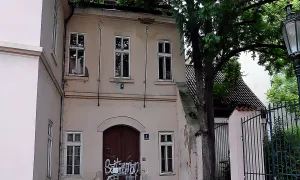
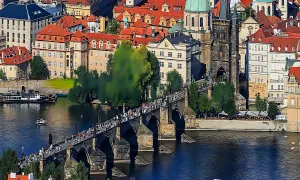
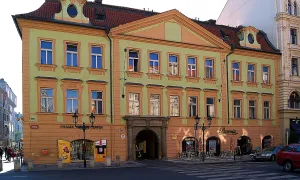
Real photos taken near the monument


Zdroj a licence jsou uvedeny u každého snímku.
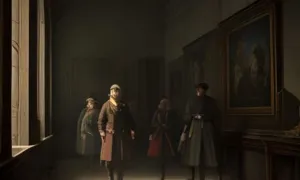
Atmosphere of the place
This atmospheric visualisation of the place and period was generated by artificial intelligence. It is not real footage of the location.
Tips from visitors
No tips yet. Be the first!
Log in and add your tip.
Sources and literature
Photos: VitVit / CC BY-SA 4.0 — Wikimedia Commons. The author and licence also appear when you hover over the image.
Faktickým podkladem tohoto textu byl článek na Wikipedii, jehož autory jsou přispěvatelé Wikipedie. Článek je dostupný pod licencí CC BY-SA 4.0.
Location on the map

Příběhy a pověsti
Legendy, pověsti a příběhy spjaté s touto památkou
Fotografie návštěvníků
Zatím žádné fotografie. Buďte první, kdo přidá fotografii z návštěvy!
Log in a přidejte svou fotografii nebo hodnoťte.
Za ověřenou návštěvu v aplikaci získáte víc bodů — poznáme podle GPS, že jste na místě.
Reviews and comments