



Švábka Other
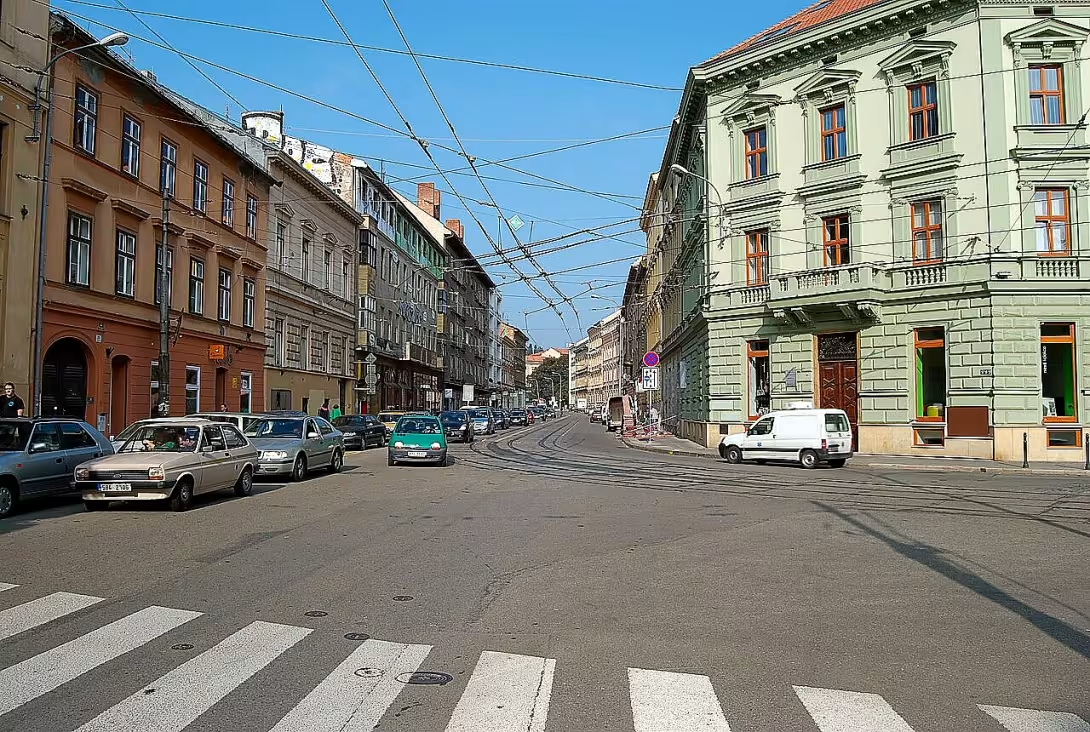
Švábka, once a medieval village now part of Brno-střed in Brno-město, holds a unique place in Czech history. Established by Swabian colonists in 1340, it served as a municipal suburb before being annexed to Brno in 1850. Today, its legacy is marked by a solitary cross near the Faculty of Social Studies at Masaryk University, serving as a poignant reminder of its historical significance.
The origins of Švábka trace back to the mid-14th century when Swabian settlers founded it, naming it after their homeland with the Latin term 'platea Svevorum.' This period was marked by significant urban development across Central Europe under Charles IV's rule within the Holy Roman Empire. Initially thriving as a small settlement, Švábka featured amenities such as a bathhouse and brickworks by 1365, reflecting its vibrant community life.
Throughout its history, Švábka experienced dramatic changes. The Hussite Wars in the early 15th century inflicted considerable damage on the village, reducing its number of houses to just 30. By 1846, it had transformed into a military training ground with 33 houses and a population of 1,000. Its eventual annexation by Brno in 1850 marked the end of its independent existence.
The name of Švábka evolved over centuries, reflecting its changing identity: from Schwabengasse to Turnergasse, Jahngasse, Eugengasse, Talgasse, and finally Údolní. This evolution underscores the dynamic nature of the settlement's history and cultural integration within Brno.
Today, the remnants of Švábka are minimal, with only a cross near Masaryk University serving as a historical marker. Despite its modest physical presence, the site holds significant value for those interested in the medieval history of Brno and the broader region. Visitors can explore this small yet historically rich area to gain insight into the past life of what was once a bustling community.
Švábka's story is a testament to the resilience and transformation of historical communities over time. Its legacy, though subtle, invites exploration and reflection on the layers of history that have shaped modern Brno. For those intrigued by medieval history and urban development, a visit to this site offers a unique glimpse into the past.
Historical milestones
- 1340
- Švábka was established by Swabian colonists.
- 1365
- The village had a bathhouse, two brickworks, and 79 houses.
- early 15th century
- Švábka suffered damage during the Hussite Wars, reducing its number of houses to 30.
- 1846
- The area became a military training ground with 33 houses and 1,000 inhabitants.
- 1850
- Švábka was annexed by Brno.
Historical events
In 1340, Švábka was established by Swabian colonists.
During the Hussite Wars in the early 15th century, the village suffered significant damage, reducing its number of houses to 30.
By 1846, Švábka had transformed into a military training ground with 33 houses and 1,000 inhabitants.
In 1850, Švábka was annexed by Brno.
Points of interest
- Despite its name suggesting a connection to Swabian settlers, the village of Švábka was actually named after the Latin term 'platea Svevorum,' reflecting a formal designation rather than a direct reference to the region of Swabia.
- During the Hussite Wars in the early 15th century, Švábka suffered significant damage that reduced its number of houses from over 100 to just 30, illustrating the harsh impact of regional conflicts on small medieval communities.
- The name evolution of Švábka—from Schwabengasse to Turnergasse, Jahngasse, Eugengasse, Talgasse, and finally Údolní—reflects a fascinating journey of cultural integration and changing identities within Brno over the centuries.
- In 1846, Švábka transformed into a military training ground with a population of 1,000 people living in 33 houses, showcasing its adaptation to new roles long after its initial establishment as a Swabian settlement.
- The solitary cross near Masaryk University serves not only as a historical marker but also as a poignant reminder of Švábka's vibrant past and the layers of history that have contributed to modern Brno’s cultural tapestry.
Guide
This guide is narrated by a synthetic voice generated by artificial intelligence.
Show guide text
This text was created by artificial intelligence and has not been editorially reviewed. It may contain inaccuracies.
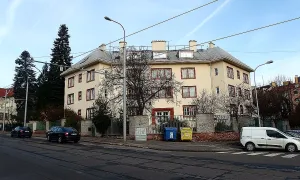
Švábka is a former village and once a magisterial suburb of Brno. Its cadastral territory was very small. It stretched on the northern foothills of Špilberk and south and southeast of the Grain Market, on both sides of today's Údolní street. It was precisely this street, originally called Švábka, that formed the core of the village and for a long time was its only street. On the south, the boundary was formed by the edge of gardens below Špilberk. On the east it ran through Jaselská street and divided into two parts the building where today the Faculty of Social Studies of Masaryk University is located.
The past of Švábka extends back to the Middle Ages and its founding is dated to the year 1340. It was founded by colonists from Swabia and according to them it received the Latin name platea Svevorum, that is Swabian street. In 1365 there stood 79 houses there, mostly of farmers and craftsmen. There was also a bathhouse and two brickworks. During the Hussite wars the village was damaged and only 30 houses remained of it.
In 1846 Švábka stretched from the Blind Gate to today's Grain Market, where there was a military training ground. It had 33 houses then and a thousand inhabitants in them. Four years later, in 1850, it was annexed to Brno. At the intersection of the path leading from Švábka with Úvoz stood a chapel of Saint Francis Xavier.
The name of the street changed frequently over the centuries. In the 17th century it was called Schwabengasse. From 1867 it bore the names Turnergasse or Talgasse, in 1902 Jahngasse and in 1915 Eugengasse. After the establishment of Czechoslovakia in 1918 both Talgasse and Údolní were used and from 1930 only Údolní. In 1952 it was renamed to the Avenue of the Defenders of Peace. From 1990 it has been called Údolní again.
The abolished cadastral territory of Švábka has belonged since 24 November 1990 to the city district Brno-centre. Today it is divided between the cadastral territories of City Brno and Veveří. The only reminder of the former village is a cross by the western wall of the Faculty of Social Studies building.
Tips for visitors
The best time to visit Švábka is during the late spring or early autumn months, from May to September. During these times, the weather is typically mild, making it ideal for exploring outdoor sites and enjoying the surrounding greenery. Additionally, visiting outside of peak tourist seasons can provide a more tranquil experience, allowing you to appreciate the historical ambiance without large crowds.
Public transportation is also accessible; you can use buses or trams that connect to Brno-střed. For the most current routes and schedules, consult a local transit app or website.
When visiting Švábka, consider bringing comfortable walking shoes as there are several sites to explore on foot. A hat and sunscreen are recommended if you plan to spend time outdoors during sunny days. Additionally, carrying a water bottle will help keep you hydrated throughout your visit. Don't forget a camera or smartphone for capturing the historical charm of the area.
For photography enthusiasts, Švábka offers several picturesque spots, especially in the late afternoon when the light is softer and more flattering. The remnants of medieval structures provide unique backdrops for photos. Early morning visits can also yield great lighting conditions with fewer people around to capture serene images of the site.
Nearby attractions within a 30-minute distance include the Špilberk Castle, which offers panoramic views of Brno and an intriguing history. The Moravian Gallery in Brno is another must-see for art lovers. Both locations provide enriching experiences that complement your visit to Švábka.
For families with children, Švábka can be a delightful outing. The area's open spaces are perfect for kids to explore and play. Consider bringing along some snacks or a picnic lunch to enjoy in the scenic surroundings. Engage children by sharing stories about the medieval history of the village as you walk through its remnants.
Frequently asked questions
Can the monument be visited?
We have not verified whether this monument is accessible. Please ask the owner or operator, or the local municipal office.
Where is the monument?
Location: Veveří, Jihomoravský kraj. The map on this page shows the exact spot.
Businesses nearby
Do you run a restaurant, accommodation, shop, museum, rental, wellness or other visitor service near this monument? Show yourself directly to the people heading to it — this is how they will see you in the app and on the web:
Events nearby


Zdroj akcí: otevřená data měst a obcí ČR (Národní katalog otevřených dat) a kalendář akcí Národního památkového ústavu.
Accommodation nearby
Trips and activities nearby
Guided tours, tickets and activities nearby from GetYourGuide
Affiliate link: if you buy from the partner, we may receive a commission. The price for you does not change.
Search tours and activities →Themed route
Tematická výletní trasa: Švábka a okolí
1. Švábka (ostatní) - Památka
Start your tour at the Švábka landmark, a historic element of Brno-město. This building is known for its architectural value and offers an interesting glimpse into the city's past. It’s an ideal spot for those interested in history and architecture.
2. Náměstí Svobody - Veřejné náměstí
Approximately 500 meters from Švábka is Náměstí Svobody, a central public square in Brno. It’s the perfect place for strolls and relaxation. The square is renowned for its historical architecture and several heritage-protected buildings that attract both locals and tourists.
3. Kostel svaté Kateřiny - Katedrála
Nearby Náměstí Svobody is the Church of Saint Catherine, one of Brno's oldest Gothic structures. This church is known for its rich history and architectural details. It’s an ideal spot for those who appreciate spiritual and historical landmarks.
4. Zvonička na Špilberku - Věž
The final stop on your tour is the Zvonice on Špilberk, located near the Church of Saint Catherine. This small but historically significant tower is known for its beautiful bell tower and stunning panoramic view of Brno. It’s a perfect place to conclude your journey through Brno's historic sites.
This route offers a combination of architectural and cultural experiences at the heart of Brno-město, with each point having its unique historical and aesthetic significance.
Seasonal recommendations
Spring: Visiting Švábka during spring offers a unique experience as the surrounding landscape bursts into life with blooming flowers and fresh greenery, enhancing the natural beauty of this historical site in Brno-město. The gentle warmth of the season makes it an ideal time for leisurely exploration without the summer crowds. Visitors should take advantage of the milder weather by wearing comfortable layers that can be adjusted as temperatures fluctuate throughout the day. Early mornings or late afternoons are particularly pleasant, allowing you to enjoy the site with fewer people and capture stunning natural light.
Summer: The summer season at Švábka is characterized by vibrant energy and longer daylight hours, making it perfect for extended visits. However, this period also sees an increase in visitors due to its appeal during Brno's main tourist season. To avoid large crowds, consider arriving early in the morning when the site opens or later in the afternoon as people start to leave. Dress in light, breathable clothing and don't forget a hat and sunscreen for sun protection. The warm weather also makes it an excellent time to explore the surrounding areas on foot or bike.
Autumn: Autumn brings a magical transformation to Švábka with its rich tapestry of reds, oranges, and yellows as the leaves change color. This season offers a more serene atmosphere compared to summer, providing a perfect backdrop for photography enthusiasts looking to capture the historical site amidst nature's splendor. The cooler temperatures make it easier to explore comfortably; therefore, layering your clothing is advisable. Late afternoons can be particularly enchanting with the soft autumn light enhancing the historic architecture.
Winter: Winter at Švábka presents a stark yet beautiful contrast as snow blankets the landscape, creating a picturesque setting that highlights its architectural features in a new way. The shorter days and reduced daylight mean visiting hours are often limited, so planning your visit is crucial. Dress warmly with thermal layers, gloves, and a hat to stay comfortable during your exploration. Winter also tends to be quieter, offering a peaceful experience away from the bustle of peak tourist seasons, making it ideal for those seeking tranquility and reflection in their travels.
Visualizations and artistic views


The visualisations are generated by artificial intelligence and serve as inspiration.
Photos from the area
Real photos taken near the monument


Zdroj a licence jsou uvedeny u každého snímku.
Tips from visitors
No tips yet. Be the first!
Log in and add your tip.
Sources and literature
Photos: Kirk / CC BY-SA 3.0 — Wikimedia Commons. The author and licence also appear when you hover over the image.
Faktickým podkladem tohoto textu byl článek na Wikipedii, jehož autory jsou přispěvatelé Wikipedie. Článek je dostupný pod licencí CC BY-SA 4.0.
Location on the map


Příběhy a pověsti
Legendy, pověsti a příběhy spjaté s touto památkou
Fotografie návštěvníků
Zatím žádné fotografie. Buďte první, kdo přidá fotografii z návštěvy!
Log in a přidejte svou fotografii nebo hodnoťte.
Za ověřenou návštěvu v aplikaci získáte víc bodů — poznáme podle GPS, že jste na místě.
Reviews and comments