






Velká míčovna Other
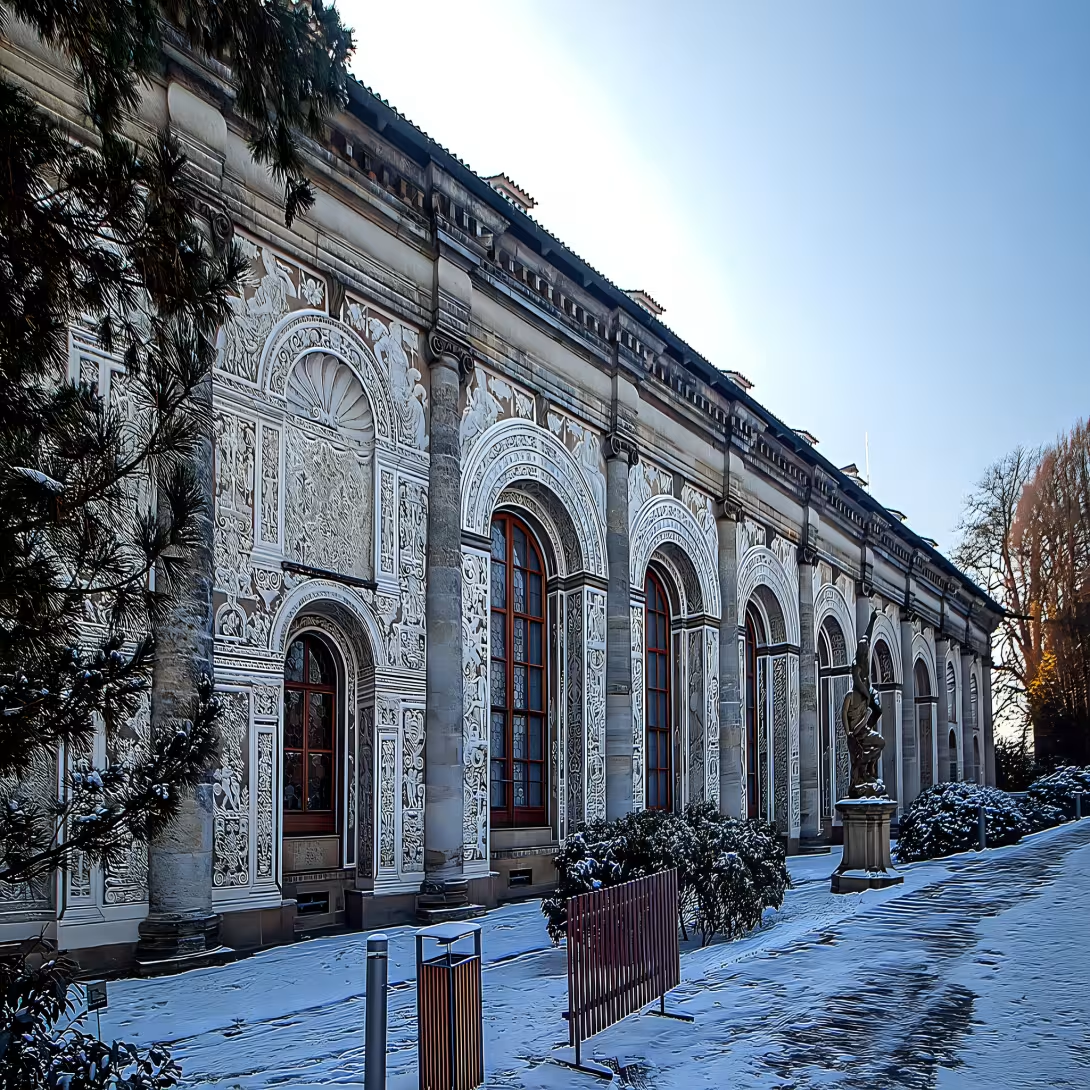
Velká Míčovna is a Renaissance building located in the Royal Garden of Prague Castle, constructed between 1568 and 1569 by architect Bonifác Wolmut. It was originally built for playing ball games. This historical monument features a richly decorated northern facade with Renaissance sgraffiti depicting virtues and the seven liberal arts. Its significance is highlighted by its designation as a national cultural heritage site since 1962.
The construction occurred during a period when Bohemia was part of the Habsburg Monarchy under Emperor Rudolf II, an era known for cultural flourishing in art and science across Europe. The building's architectural style reflects this Renaissance influence with its elongated structure, vaulted ceiling, and Ionic columns supporting ornate cornices.
Despite being built quickly, Velká Míčovna faced foundational issues due to its location on the edge of Jeleního příkopu. This led to early structural problems, including a collapsed vault in 1617 that required repairs. The building endured further challenges over the centuries; it burned down in 1757 and was later repurposed as barracks after 1848. During World War II, it suffered damage from a shell in 1945.
Throughout its history, Velká Míčovna has undergone several restorations to preserve its architectural integrity. Significant restoration work took place in 1952, restoring the vaulted ceiling and repairing the rare sgraffiti. Interestingly, this period also saw the addition of a communist emblem within one of the arches, reflecting the political climate of the time.
Today, Velká Míčovna is an integral part of Prague Castle's historical landscape, surrounded by other significant structures and gardens offering panoramic views of the city. The building remains accessible to visitors drawn to its architectural beauty and historical significance. An allegorical sculpture of Night by Matyáš Bernard Braun, created in 1735, stands before it, adding to the site's artistic allure.
Visiting Velká Míčovna offers a unique glimpse into the Renaissance era and the rich history of Prague Castle. Its blend of architectural elegance and historical narratives makes it a must-see for anyone interested in exploring the cultural heritage of Prague.
Then and now
Drag the slider to compare how the landmark may have looked when it was built with the view today.
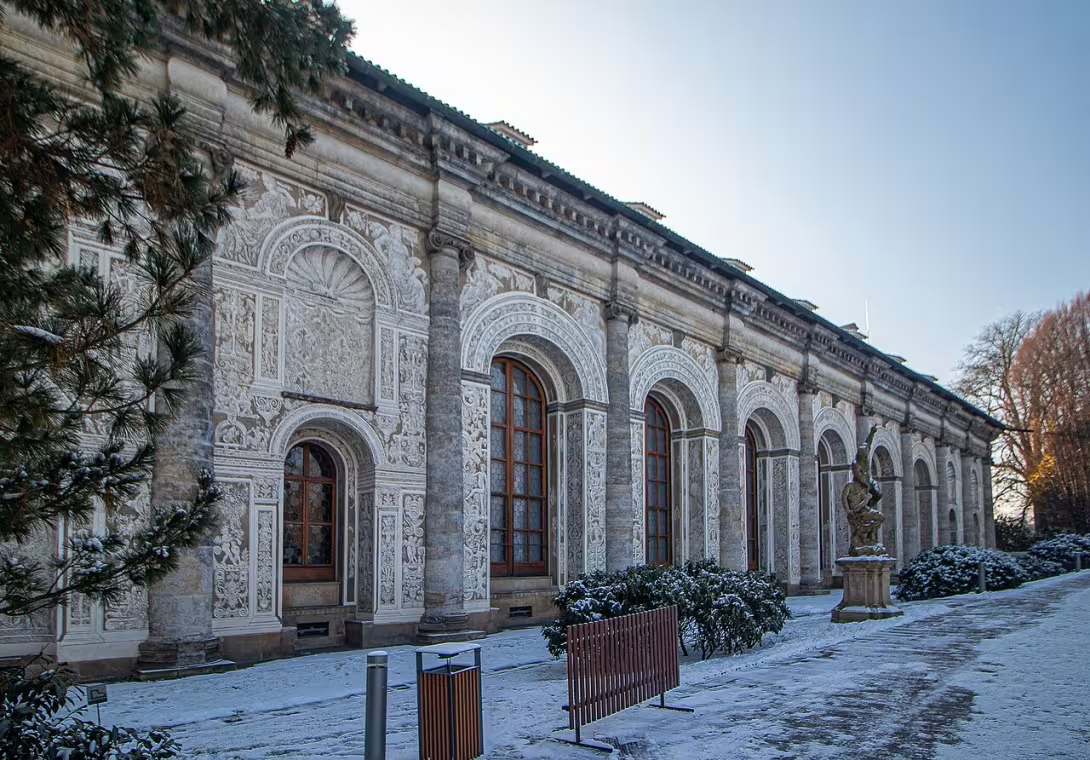

The historical appearance on the left is an AI-generated visualisation and serves as inspiration only.
Historical milestones
- 1569
- Completion of construction by Bonifác Wolmut.
- 1617
- Collapse of the vault due to poor foundation.
- 1757
- The building burned down.
- 1945
- Damaged by a shell during World War II.
Architectural development
Velká míčovna was built quickly but had foundational issues, leading to early repairs. After burning down in 1757 and being used as barracks post-1848, it underwent significant restoration in 1952, restoring its vaulted ceiling and sgraffiti. The interior features a unique addition of the communist emblem.
Historical events
In 1617, the vault collapsed due to poor foundation on the edge of Jeleního příkopu, necessitating repairs.
The building burned down in 1757 and was later used as barracks after 1848.
It suffered damage from a shell during World War II in 1945.
Points of interest
- The Velká Míčovna was originally built as a recreational space for playing ball games, showcasing the leisurely pursuits of the Renaissance era within a royal setting.
- Despite its rapid construction, the building's location on unstable ground led to early structural issues, including a vault collapse in 1617 that necessitated significant repairs.
- During restoration efforts in 1952, a communist emblem was added within one of the arches, reflecting the political influence and ideology prevalent during that period in Czechoslovakia.
- The building suffered damage from a shell during World War II in 1945, highlighting its strategic significance and vulnerability even amidst the turmoil of global conflict.
- An allegorical sculpture of Night by Matyáš Bernard Braun, created in 1735, stands before Velká Míčovna, adding an artistic layer to the site that complements its architectural splendor.
Guide
This guide is narrated by a synthetic voice generated by artificial intelligence.
Show guide text
This text was created by artificial intelligence and has not been editorially reviewed. It may contain inaccuracies.
Welcome to the Royal Garden of Prague Castle, where history and architecture blend seamlessly before your eyes. You're standing in front of the Velká Míčovna, a remarkable Renaissance structure that whispers tales from centuries past. Its northern facade is adorned with intricate sgraffito work—a testament to the artistic flair of its era.
The story of Velká Míčovna begins in 1568 when architect Bonifác Wolmut embarked on this ambitious project. Completed just a year later, it was originally conceived as a recreational space for playing ball games, reflecting the leisurely pursuits of the Renaissance period within a royal setting. Imagine the nobility engaging in friendly matches amidst these historic walls.
As you gaze upon the building now, take note of its vaulted ceiling—a striking feature that captures the essence of Renaissance architecture. The sgraffito on the northern facade is particularly captivating, with its detailed and colorful designs adding life to the structure's exterior.
Velká Míčovna has witnessed significant events throughout its history. In 1617, a collapse of the vault revealed early structural issues due to an unstable foundation—a challenge that would persist over the years. The building endured further trials when it burned down in 1757 and later sustained damage during World War II in 1945 from shelling.
Despite these adversities, Velká Míčovna stands as a symbol of resilience and historical intrigue. Its rapid construction on unstable ground is an engineering marvel that has withstood the test of time, albeit with necessary restorations along the way.
As you continue your exploration, let your curiosity guide you through this space where history meets artistry. Each corner holds stories waiting to be discovered, inviting you to delve deeper into its past and appreciate its architectural beauty.
Thank you for joining us on this journey through time at Velká Míčovna. We hope it has inspired you to explore further and uncover more of the rich tapestry that is Prague's history. Safe travels as you continue your adventure!
Tips for visitors
The best time to visit Velká míčovna is during the late spring or early autumn months, when the weather is pleasant for exploring both indoors and outdoors. This period offers a comfortable climate for walking around Prague Castle's gardens and enjoying the surrounding views without the summer crowds or winter chill. Additionally, visiting in these months allows you to appreciate the natural beauty of the Royal Garden where Velká míčovna is located.
For transportation, Velká míčovna can be accessed by both public transport and car. The Prague Castle area is well-served by buses and trams, making it convenient for visitors relying on public transit. Always check current routes and schedules as they may vary.
When planning your visit, consider bringing comfortable walking shoes as you'll likely explore various parts of Prague Castle and its gardens. A camera is also recommended to capture the stunning architecture of Velká míčovna and the picturesque views from the Royal Garden. For photography enthusiasts, early morning or late afternoon light provides a softer illumination that enhances the building's Renaissance details.
Nearby attractions within a 30-minute walk include St. Vitus Cathedral, one of Prague's most significant Gothic structures, offering breathtaking interior designs and panoramic city views from its towers. The Golden Lane, known for its charming medieval houses, is also close by, providing insight into the historical residential life within the castle complex.
For families with children, Velká míčovna offers a fascinating glimpse into Renaissance architecture that can spark interest in history and art. The expansive Royal Garden provides ample space for kids to explore and play. Additionally, Prague Castle's overall setting is family-friendly, with plenty of spots to relax and enjoy the surroundings.
Frequently asked questions
Can the monument be visited?
We have not verified whether this monument is accessible. Please ask the owner or operator, or the local municipal office.
Where is the monument?
Location: Hradčany, Hlavní město Praha. The map on this page shows the exact spot.
Why is the monument protected?
It is listed in the Central List of Cultural Monuments of the Czech Republic as a national cultural monument. It is protected as part of a larger listed ensemble.
Businesses nearby
Do you run a restaurant, accommodation, shop, museum, rental, wellness or other visitor service near this monument? Show yourself directly to the people heading to it — this is how they will see you in the app and on the web:
Events nearby

Zdroj akcí: otevřená data měst a obcí ČR (Národní katalog otevřených dat) a kalendář akcí Národního památkového ústavu.
Nearby
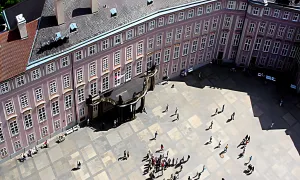
Velká míčovna is situated within Prague Castle, surrounded by other historical structures and gardens. The area offers views of the city and is close to landmarks like St. Vitus Cathedral.
Accommodation nearby
Trips and activities nearby
Guided tours, tickets and activities nearby from GetYourGuide
Affiliate link: if you buy from the partner, we may receive a commission. The price for you does not change.
Search tours and activities →Themed route
Prague Castle Tour Route
1. Velká míčovna
- Type: Historical Structure
- Why Visit: The Great Ball Court is a unique historical monument that served as a place for ball games and other pastimes in bygone eras. It's a fascinating example of medieval architecture, offering visitors a glimpse into the life and culture of those times.
2. St. Vitus Cathedral
- Type: Cathedral
- Why Visit: St. Vitus Cathedral is the largest Gothic church in the Czech Republic and serves as the seat of the Archdiocese of Prague. It's renowned for its impressive architecture, rich interiors, and historical significance to Czech religious and cultural history.
3. Prague Castle Gardens
- Type: Garden
- Why Visit: The Prague Castle Gardens offer beautiful green spaces filled with historic trees and views of Prague. They are an ideal spot for relaxation, strolling, or simply enjoying peace in the heart of the ancient castle complex.
4. Royal Garden
- Type: Garden
- Why Visit: The Royal Garden is one of the oldest and most beautiful gardens in Prague, known for its symmetrical designs and historical significance. It offers tranquil escapes from city life with views of surrounding landmarks and treasures.
5. Golden Lane
- Type: Historic Alley
- Why Visit: Golden Lane is a small but historically rich alley within the inner castle, famous for its picturesque houses and stories about former residents. It's an ideal place for those who want to experience the atmosphere of old-life in Prague.
This route offers a comprehensive view of the historical and cultural richness of Prague Castle and its surroundings, with each point having its unique character and significance.
Seasonal recommendations
Spring: Visiting the Great Ball Court in Prague's vibrant spring brings a refreshing atmosphere as nature awakens, with blossoming trees and blooming flowers adding charm to the historic site. The longer daylight hours offer ample time for exploration, while the mild temperatures make it comfortable to wander around. It’s an ideal period to enjoy outdoor activities without the summer crowds, allowing you to appreciate the intricate details of the architecture in a serene setting. Practical advice includes wearing layers as mornings can be cool and evenings slightly chilly, ensuring comfort throughout your visit.
Summer: The Great Ball Court shines under the bright summer sun, with its historical stones glowing warmly against the clear blue sky. This season attracts more visitors due to favorable weather conditions, making it advisable to arrive early in the morning or later in the afternoon to avoid peak crowds. The lush greenery surrounding the site enhances its beauty, providing a picturesque backdrop for photographs. Visitors should wear light and breathable clothing, along with sun protection such as hats and sunglasses, to comfortably enjoy their time at this lively cultural landmark during Prague’s bustling summer months.
Autumn: Autumn transforms the Great Ball Court into an enchanting spectacle of colors, with leaves turning shades of orange, red, and gold. The cooler temperatures create a cozy atmosphere perfect for leisurely strolls around the site while enjoying the crisp air. This season is less crowded than summer, offering a more tranquil experience to explore the historic details at your own pace. It's recommended to wear layers that can be easily adjusted as the day progresses from cool mornings to milder afternoons, along with comfortable walking shoes for navigating the grounds.
Winter: In winter, the Great Ball Court exudes a unique charm under a blanket of snow or amidst frosty conditions, offering a magical setting against Prague’s historic skyline. The shorter days mean visiting during daylight hours is crucial, and early morning visits are ideal to capture the site in its serene winter beauty before it gets busier. Visitors should dress warmly with layers that can be adjusted as needed, including thermal wear, hats, gloves, and waterproof boots to handle any snow or ice. Despite potential closures due to inclement weather, the winter ambiance provides a distinct experience of this cultural treasure.
Visualizations and artistic views


The visualisations are generated by artificial intelligence and serve as inspiration.
Photos from the area
Real photos taken near the monument

Zdroj a licence jsou uvedeny u každého snímku.
Tips from visitors
No tips yet. Be the first!
Log in and add your tip.
Sources and literature
Photos: VitVit / CC BY-SA 4.0, rozlišení zvýšeno umělou inteligencí — Wikimedia Commons. The author and licence also appear when you hover over the image.
Faktickým podkladem tohoto textu byl článek na Wikipedii, jehož autory jsou přispěvatelé Wikipedie. Článek je dostupný pod licencí CC BY-SA 4.0.
Location on the map

Příběhy a pověsti
Legendy, pověsti a příběhy spjaté s touto památkou
Fotografie návštěvníků
Zatím žádné fotografie. Buďte první, kdo přidá fotografii z návštěvy!
Log in a přidejte svou fotografii nebo hodnoťte.
Za ověřenou návštěvu v aplikaci získáte víc bodů — poznáme podle GPS, že jste na místě.
Reviews and comments