



Veřejné záchodky a tramvajová čekárna na náměstí Republiky Other
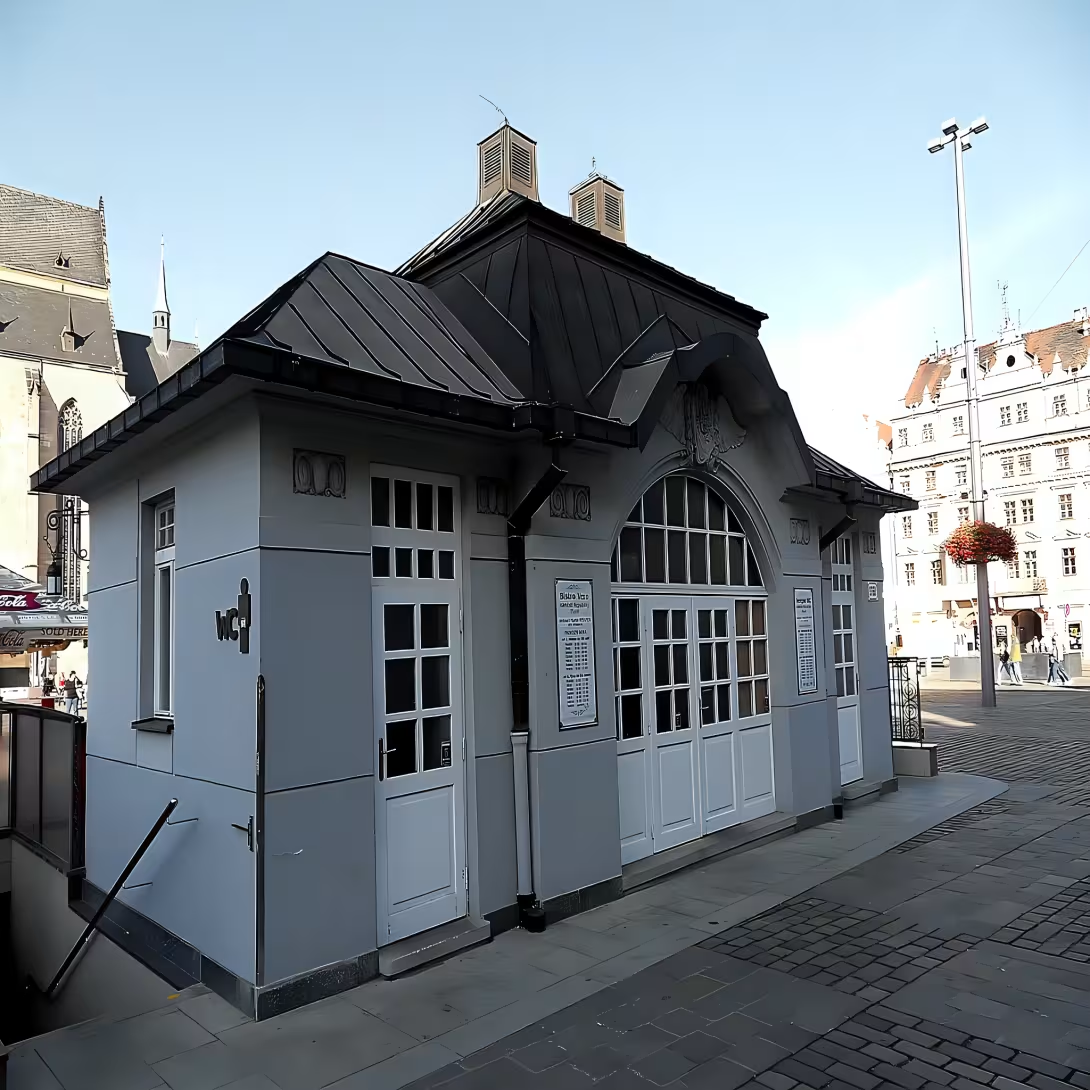
Veřejné záchodky a tramvajová čekárna na náměstí Republiky in Pilsen are a small two-storey Art Nouveau building from 1911-1915. This object was designed by architect Viktor Šulc. The cultural monument located on the south side of the square is a remarkable combination of transport and public service functions within one pavilion.
The construction was created during the period of intensive modernization of Czech cities and the development of public transport. At that time, the Art Nouveau was a very popular architectural style. Viktor Šulc designed the building to effectively serve the needs of urban transport and the basic public facilities.
From the point of view of architecture it is a two-storey pavilion in Art Nouveau style with a clear division of functions. The above-ground part was originally designated as a waiting room for trams, while the underground floor was reserved for public toilets from the outset.
Over the years, the use of the upper part has changed. The function of the tram waiting room has been replaced over time by a restaurant operation which still operates on the above-ground floor. The underground space remained faithful to its original role and still serves as public toilets.
A key event in the newer era of construction was a costly repair of 2008. Thanks to this reconstruction, the object is preserved in good condition today.
The monument is located in the inner town of Pilsen in the square of the Republic. It is available to the public; The upper part offers gastronomic services and the lower part fulfils its original function.
This small Art Nouveau pavilion represents a practical example of urban architecture from the beginning of the 20th century. It is advisable to visit it as an example of period functionality and aesthetics in the city centre.
Historical milestones
- 1911-1915
- Art Nouveau Pavilion for tram waiting room and toilets
- around the middle of the 20th century
- Change the upper part of the waiting room to the restaurant
- 2008
- Expensive repair and reconstruction of the building took place
Architectural development
It is a Art Nouveau pavilion structure with two floors. Architect Viktor Šulc designed the object to combine both transport and public functions. After reconstruction in 2008 the construction is preserved in good condition.
Historical events
The construction was built between 1911 and 1915. In 2008, the building was repaired.
Points of interest
- It is a small two-storey Art Nouveau building from 1911-1915, designed by architect Viktor Šulc. - The building is a remarkable combination of transport and public service functions within one pavilion. - The above-ground part was originally used as a waiting room for trams while underground was reserved for public toilets. - The function of the waiting room has been replaced over time by a restaurant operation that still works at the top. - In 2008, there was a costly repair that made the building in good condition today.
Guide
Show guide text
This text was created by artificial intelligence and has not been editorially reviewed. It may contain inaccuracies.
Welcome to the heart of Pilsen, the inner city area. You are standing in front of a small but very interesting two-storey pavilion located on the south side of Republic Square. At first glance, it may look like an inconspicuous building, but if you look more closely at it, you will see the beauty of Art Nouveau style. It's a small town jewelry store that connects practical functions with the idea of urban beauty at the time.
Now let's stop at how this building came into being and why it actually stands here. Its construction took place between a thousand and nine hundred eleven and a thousand and nine hundred fifteen. At that time the city was developing and the need for modern facilities for residents and visitors grew together. The aim was to create a place that would serve the needs of urban transport while providing basic public services. The author of this design was architect Viktor Šulc, who was able to effectively combine two completely different functions in a small space.
Now pay attention to the architecture itself. Look at the overall shape of this pavilion. Notice its lightness and elegance, which is so typical of Art Nouveau. Although the building is small, its appearance gives the square some charm. Look at the facade and feel the atmosphere of this place. It's fascinating how architect Viktor Šulc managed to divide space. The upper floor was designated from the beginning as a waiting room for trams. So imagine people more than a century ago, waiting here in the cold or rain for their connection, surrounded by detailed elements of the time.
While the upper part was intended for passengers, the underground part of the building had a completely different purpose. This is where the public toilets were located. This combination of transport and public service functions within one small pavilion is truly remarkable. It is proof that even in the early days of modern urbanism there was thought about the practicality and hygiene of the city centre.
When we think about the history of this place, we have to consider how the function of the building changed over time. There was a significant change around the mid-20th century. The upper part, which originally served as a waiting room for trams, was only partially fulfilling this function or was no longer needed to that extent. This is why the space has changed and started to be used for restaurant operations. It is interesting, therefore, that while on the top floor people can enjoy refreshments today, the underground part of the building has retained its original function and still serves as public toilets. This duality between saturation of hunger at the top and basic hygiene needs at the bottom is essentially unique.
In order to keep this building in good condition and not lose its historical significance, expensive repairs and reconstruction were carried out in the year two thousand eight. Thanks to this, we can admire this pavilion today as it stands before you. It is a reminder of a time when even such small, useful buildings were designed with an aesthetic sense and care for detail.
You might wonder now if there's a mystery in this small object. The most interesting thing is the combination of functions mentioned. It is rare to see a building that combines so different needs of the city in such compact Art Nouveau packaging. It's a little monument to the everyday life of the Pilsen people from the early 20th century. Imagine how many thousands of people passed through here, how many passengers were waiting for their tram and how many people found relief in underground areas.
Now that you know the story of this little pavilion, I suggest you take a closer look. Feel the contrast between his historical appearance and the modern life surrounding him in Republic Square. It's a silent testimony about how the city evolved and how the needs of the people who lived and worked in it changed.
This concludes the short tour of this Art Nouveau pavilion. I hope you appreciate this little piece of Pilsen history. I'll now invite you to explore the inner city area. Pilsen has hidden stories in every corner waiting to be discovered. We wish you a pleasant continuation of your journey and enjoy the beauty of this city. Goodbye.
Tips for visitors
The best time to visit is in the morning or late afternoon when the sun hits the facade at an angle that best highlights the details of the Art Nouveau style of this small pavilion.
You can easily reach the place by means of urban transport or your own car; Check the specific connection and stop options in the current search engine.
We recommend that you take only basic personal items for your visit, as it is a small building intended primarily for a short stop and use of background.
For the best photos we recommend to capture the overall building from the south side of the Republic Square, where the building is most visible in the context of urban space.
The surrounding area is the Republic Square in Pilsen, which offers space for walking and observing urban life.
Frequently asked questions
Can the monument be visited?
We have not verified whether this monument is accessible. Please ask the owner or operator, or the local municipal office.
Where is the monument?
Location: Vnitřní Město. The map on this page shows the exact spot.
Why is the monument protected?
It is listed in the Central List of Cultural Monuments of the Czech Republic as a cultural monument (register no. 1000119612).
Businesses nearby
Do you run a restaurant, accommodation, shop, museum, rental, wellness or other visitor service near this monument? Show yourself directly to the people heading to it — this is how they will see you in the app and on the web:
Events nearby

Zdroj akcí: otevřená data měst a obcí ČR (Národní katalog otevřených dat) a kalendář akcí Národního památkového ústavu.
Nearby
Náměstí Republiky v Plzni.
Accommodation nearby
Trips and activities nearby
Guided tours, tickets and activities nearby from GetYourGuide
Affiliate link: if you buy from the partner, we may receive a commission. The price for you does not change.
Search tours and activities →Themed route
Here is the design of the thematic route:
1. Square of the Republic - Area. The main hub of the road, where the city center is located. 2. Veřejné záchodky a tramvajová čekárna na náměstí Republiky (others) - Architectural element. A unique building that serves passengers and residents for practical needs.
Seasonal recommendations
In spring, the area lights up the first greenery and the air is fresh. The light is fine, which helps to perceive the details of the construction. We recommend a light layering of clothes and a visit in the morning when the city centre has a quieter atmosphere.
In summer season dominates intense sun and hot air. The concrete areas of the square can be very hot, therefore it is advisable to choose light summer fabrics and avoid direct sun in the middle of the day. The best time for arrival is a late evening when the cold is more pleasant.
Autumn brings golden colours of leaves and more frequent fogs that give the place a mysterious touch. The light is muted and gray. It is advisable to carry a waterproof coat or beekeeper and plan the journey until it begins to freeze soon.
In winter, the area is surrounded by cold and often snow, which changes the appearance of the whole area. The atmosphere is cosy at advent time, but freezing. Hot winter clothes, tight shoes and a visit in times when city lamps are lit are essential.
Visualizations and artistic views

The visualisations are generated by artificial intelligence and serve as inspiration.
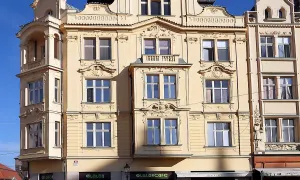
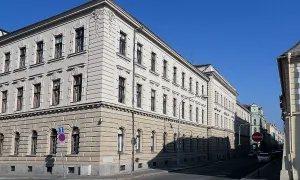
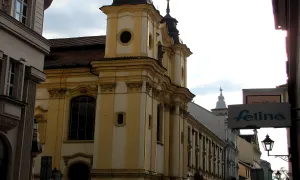
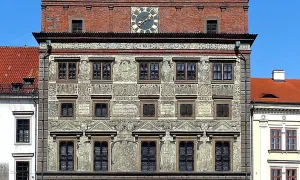
Photos from the area
Real photos taken near the monument


Zdroj a licence jsou uvedeny u každého snímku.
Tips from visitors
No tips yet. Be the first!
Log in and add your tip.
Sources and literature
Photos: Jik jik / CC BY-SA 3.0, rozlišení zvýšeno umělou inteligencí — Wikimedia Commons. The author and licence also appear when you hover over the image.
Faktickým podkladem tohoto textu byl článek na Wikipedii, jehož autory jsou přispěvatelé Wikipedie. Článek je dostupný pod licencí CC BY-SA 4.0.
Location on the map
Příběhy a pověsti
Legendy, pověsti a příběhy spjaté s touto památkou

Fotografie návštěvníků
Zatím žádné fotografie. Buďte první, kdo přidá fotografii z návštěvy!
Log in a přidejte svou fotografii nebo hodnoťte.
Za ověřenou návštěvu v aplikaci získáte víc bodů — poznáme podle GPS, že jste na místě.
Reviews and comments