






Vlašská kaple Nanebevzetí Panny Marie Chapel
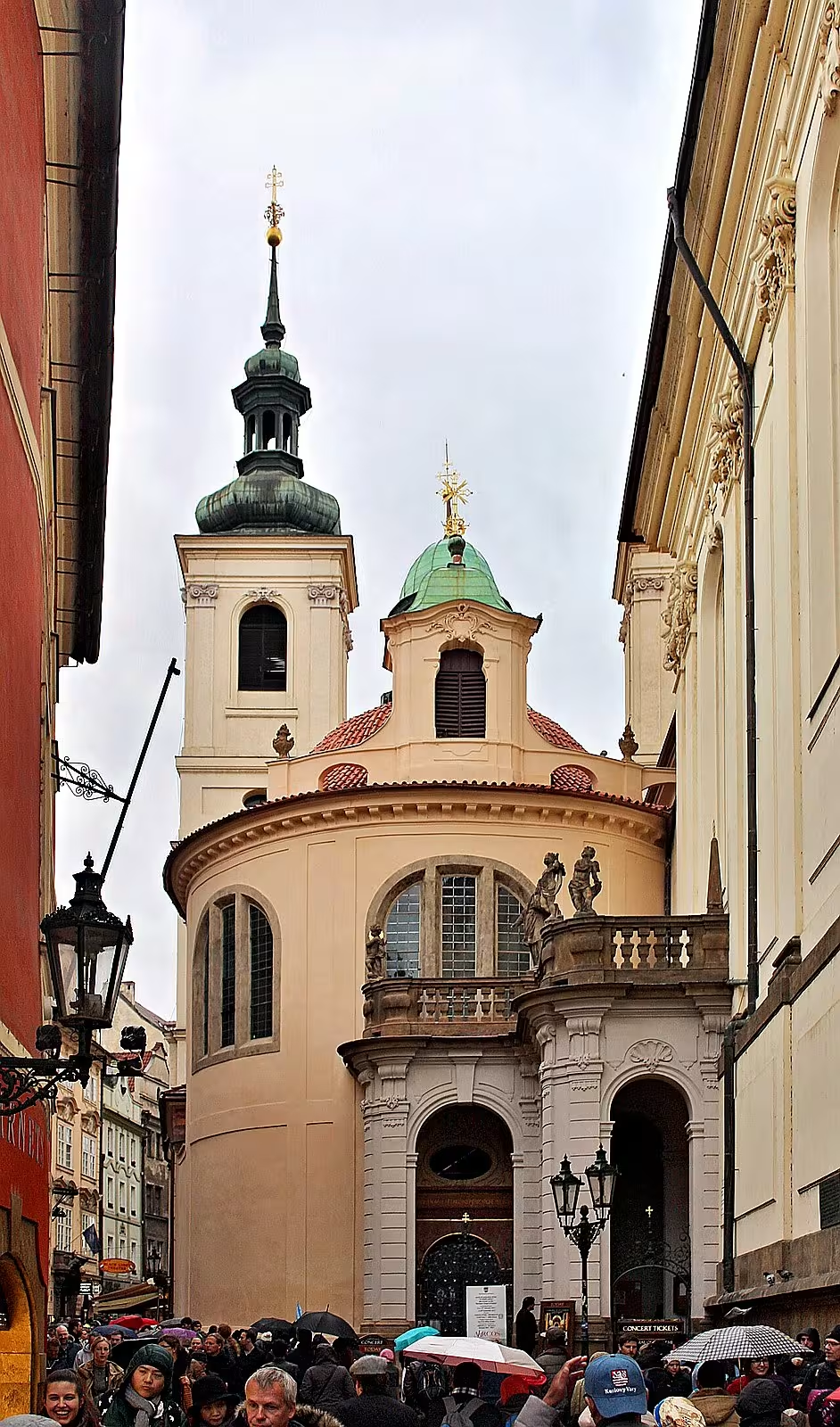
The Vlašská Kaple Nanebevzetí Panny Marie, known as the Italian Chapel, is a Roman Catholic chapel on Karlova Street in Prague's Old Town. Completed in 1600 for the Italian community, it features an elliptical plan—a unique architectural element north of the Alps—and underwent Baroque renovations from 1715 to 1735.
The chapel originated in the late 16th century, replacing an older structure serving Italians since 1569. The new building, reflecting Mannerist style, was constructed between 1590 and 1600. It was consecrated on August 15, 1600, by Monsignore Filippo Spinelli, papal nuncio at Rudolf II's court, dedicating it to the Assumption of Mary.
Architecturally notable for its elliptical design, the chapel underwent significant Baroque transformations from 1715 to 1735. These included moving the main altar, adding a balcony with an organ over the new entrance, and replacing Mannerist decorations with Baroque frescoes. The ceiling painting by Giovanni Pietro Scotti, depicting the Assumption of Mary, is particularly striking.
In 1942, due to financial difficulties faced by the Vlašské kongregace Nanebevzetí Panny Marie, ownership transferred from Prague's Italian spiritual community to the Italian state. This congregation had been established by Italians and Jesuits, playing a significant role in the chapel's history.
Today, the Vlašská Kaple is part of Prague's historical landscape, near the Klementinum Jesuit complex and sharing an entrance with St. Clement's Church. It remains accessible to visitors interested in its architectural beauty and historical significance.
Visitors are encouraged to explore this unique monument, offering insights into early European architecture and reflecting the vibrant history of Prague's Italian community. Its distinctive design and artistic elements make it a must-see for those interested in architectural innovation and cultural heritage.
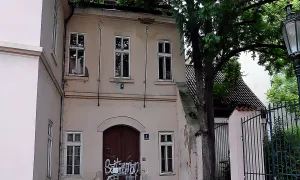
Then and now
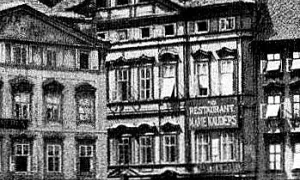
Drag the slider to compare how the landmark may have looked when it was built with the view today.
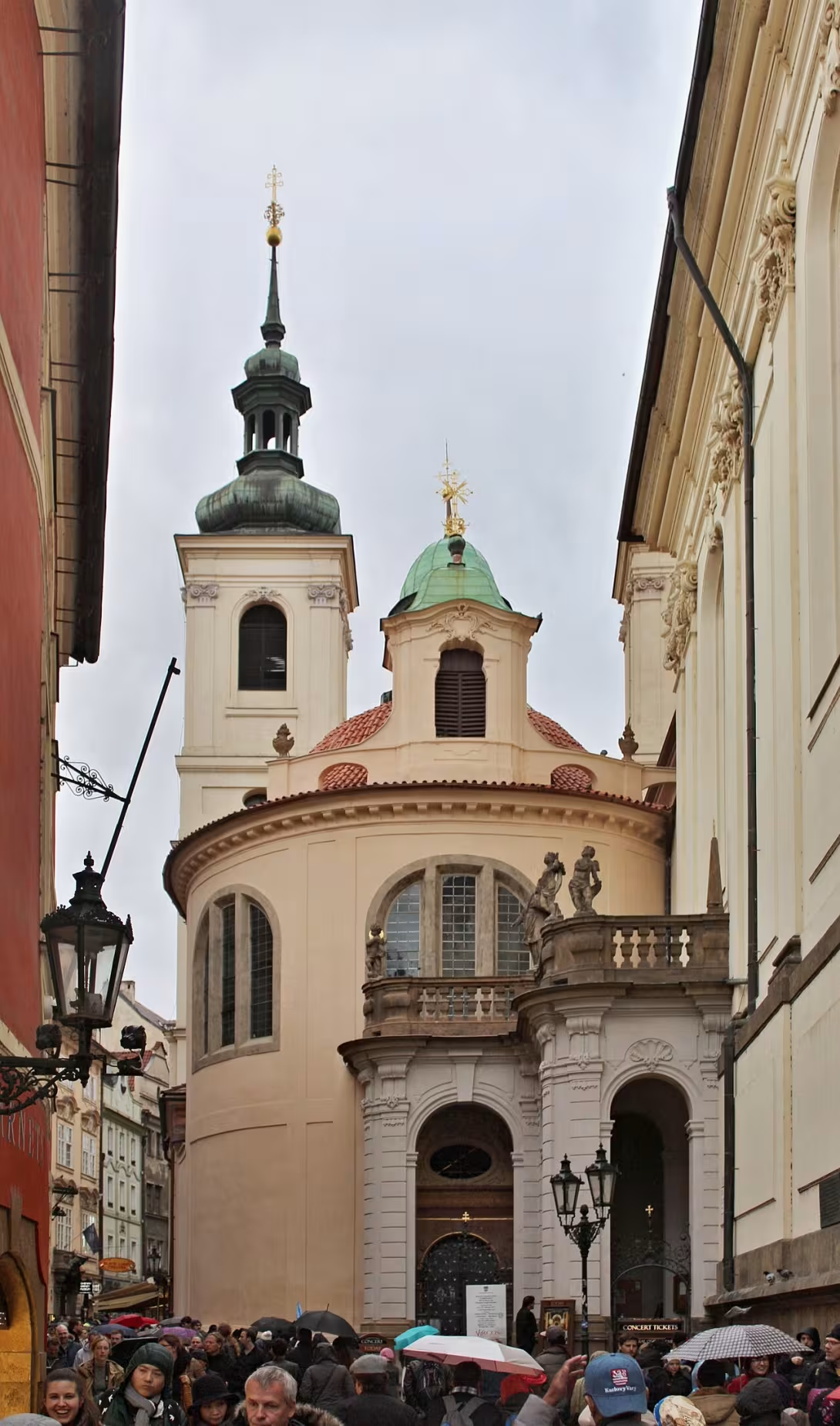
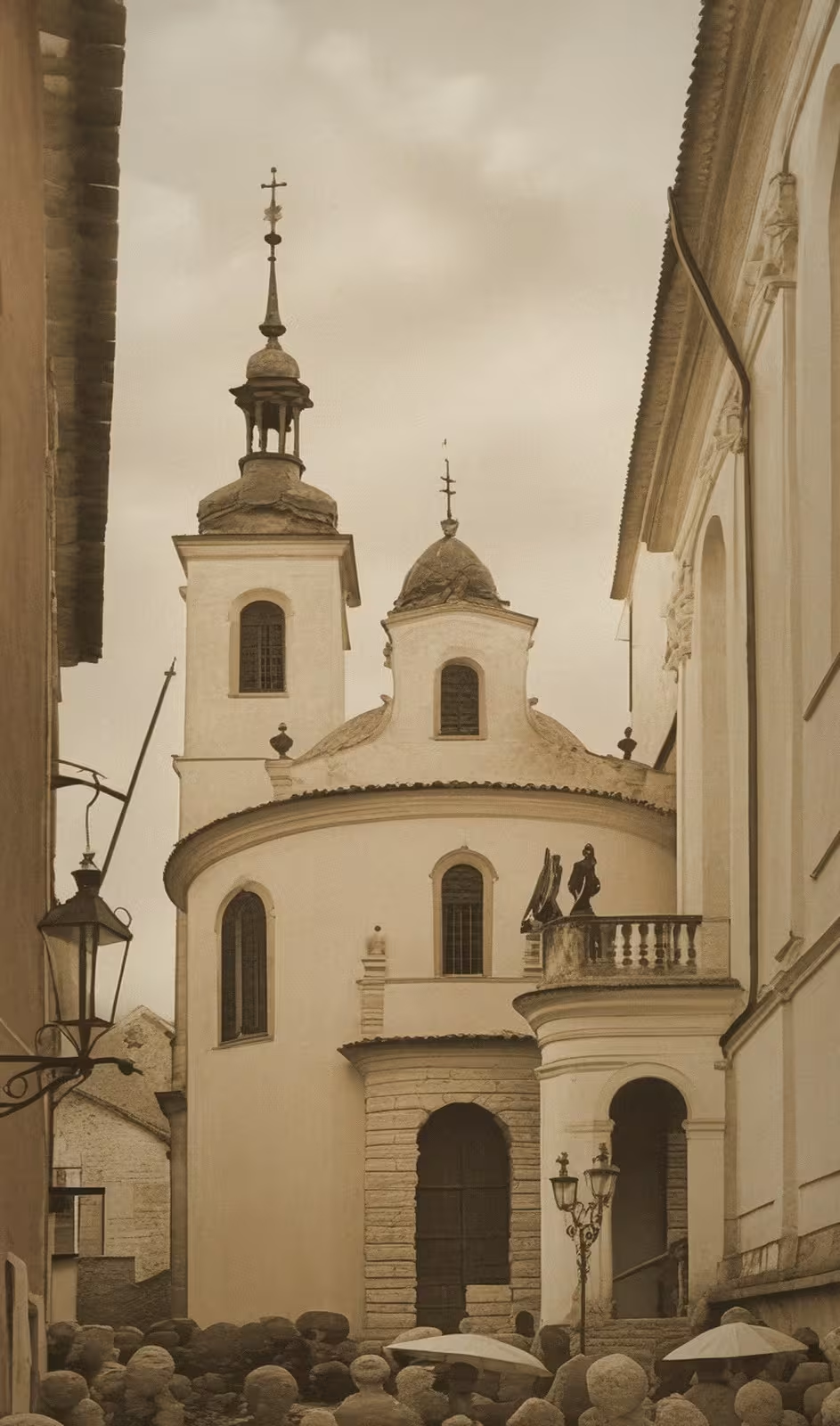
The historical appearance on the left is an AI-generated visualisation and serves as inspiration only.
Historical milestones
- 1600
- Consecration of the chapel by Monsignore Filippo Spinelli.
- 1715
- Beginning of major Baroque renovations, including interior redesign and decoration changes.
Architectural development
Originally built between 1590-1600 in Mannerist style for the Italian community, the chapel was later transformed with significant Baroque modifications. These included relocating the main altar, adding a small balcony over the new entrance, and installing an organ on this balcony. The interior frescoes were replaced with Baroque decorations, including a major ceiling painting by Giovanni Pietro Scotti.
Historical events
- Consecration of the chapel by Monsignore Filippo Spinelli in August 1600.
- Major Baroque renovations from 1715 to 1735, including changes to the interior layout and decoration.
Points of interest
- The Vlašská Kaple's elliptical design is a rare architectural feature north of the Alps, making it an exceptional example of early European innovation in chapel architecture. - Giovanni Pietro Scotti’s ceiling painting of the Assumption of Mary stands out as one of the most striking Baroque frescoes in Prague, showcasing the artistic transition from Mannerism to Baroque within the chapel.
- The chapel was consecrated by Monsignore Filippo Spinelli, a papal nuncio at Rudolf II's court, highlighting its significant connection to both religious and political figures of the time.
- In 1942, ownership transferred from Prague’s Italian spiritual community to the Italian state due to financial difficulties, reflecting the broader historical shifts affecting expatriate communities during World War II.
- The chapel shares an entrance with St. Clement's Church and is located near the Klementinum Jesuit complex, illustrating its integration into a historically rich area of Prague's Old Town.
Guide
This guide is narrated by a synthetic voice generated by artificial intelligence.
Show guide text
This text was created by artificial intelligence and has not been editorially reviewed. It may contain inaccuracies.
Welcome to the Vlašská Kaple Nanebevzetí Panny Marie, or as it's affectionately known, the Italian Chapel. As you stand here on Karlova Street in Prague's historic Old Town, take a moment to absorb the serene atmosphere surrounding this architectural gem. The chapel, with its elegant Baroque façade, invites you into a world where history and artistry intertwine.
The story of this chapel begins in 1600 when it was consecrated by Monsignore Filippo Spinelli. Originally constructed to serve the Italian community in Prague, the chapel's design reflects both cultural heritage and architectural innovation. Over time, it underwent significant transformations, particularly between 1715 and 1735, during which major Baroque renovations were undertaken. These changes included a complete interior redesign and updates to its decorative elements, enhancing its splendor.
As you look around, take note of the chapel's elliptical plan—a rare architectural feature north of the Alps. This unique shape sets it apart from other chapels and highlights early European innovation in religious architecture. The elliptical design not only creates a harmonious space but also directs your gaze towards the ceiling painting by Giovanni Pietro Scotti. His depiction of the Assumption of Mary is one of the chapel's most striking Baroque elements, capturing both divine beauty and artistic mastery.
Monsignore Filippo Spinelli, who played a pivotal role in the chapel's history, consecrated it at its inception. His influence underscores the chapel’s significance as a spiritual center for the Italian expatriates residing in Prague during that era.
One of the most fascinating aspects of this chapel is its architectural rarity and historical context. The elliptical design was quite innovative for its time, symbolizing not just religious devotion but also cultural exchange between Italy and Bohemia. This cross-cultural dialogue is evident in every detail of the chapel’s structure and artistry.
As you continue to explore, let yourself be drawn into the rich tapestry of history that envelops this sacred space. Feel free to linger a moment longer, perhaps taking in the subtle interplay of light and shadow or simply appreciating the tranquility that pervades this historic site.
Thank you for visiting the Vlašská Kaple Nanebevzetí Panny Marie. We hope this experience has enriched your understanding of Prague's vibrant cultural heritage. As you move on to discover more hidden treasures within the city, carry with you the memories and insights from this remarkable chapel. Safe travels on your journey through history!
Tips for visitors
The best time to visit the Vlašská Kaple Nanebevzetí Panny Marie is during the late spring or early fall when the weather is pleasant, allowing for a comfortable stroll through Prague's Old Town. These seasons offer moderate temperatures and fewer crowds compared to peak tourist months like summer or winter holidays. Additionally, visiting during weekdays can provide a more serene experience as opposed to weekends which tend to be busier.
Transportation options are plentiful when planning your visit to the Italian Chapel. Public transportation is highly recommended; you can reach the chapel using trams and buses that service Karlova Street in Prague’s Old Town. Always check current routes and schedules for the most efficient travel plans.
When visiting the chapel, it is advisable to bring a camera to capture its stunning Baroque architecture and intricate details. The best spots for photography are from outside the shared entrance with St. Clement's Church, where you can frame both structures in your shots. Natural light during late morning or early afternoon provides excellent illumination for capturing the chapel’s ornate features. Be mindful of any restrictions on flash photography inside the chapel.
For families with children, visiting the Vlašská Kaple Nanebevzetí Panny Marie can be a delightful experience. The area around the chapel and St. Clement's Church is rich in history and offers numerous opportunities for exploration. After exploring the chapel, consider taking a short walk to nearby historical sites within 30 minutes, such as the Klementinum complex, which includes an intriguing library and stunning views from its tower. These activities can keep children engaged while providing educational insights into Prague’s Baroque heritage.
In addition to the Italian Chapel itself, there are several significant sights worth visiting nearby. The Klementinum complex is a short walk away and offers a fascinating glimpse into Jesuit history with its library and astronomical observatory. Strolling through the Old Town Square, you'll find other architectural marvels like the Astronomical Clock and Týn Church. These attractions provide a comprehensive experience of Prague's historical landscape within an easy walking distance.
Frequently asked questions
Can the monument be visited?
Religious buildings are usually open mainly during services; at other times a visit is normally arranged with the parish or the operator. We have not verified specific times.
Where is the monument?
Location: Karlova 190/1, Staré Město, Praha, Hlavní město Praha. The map on this page shows the exact spot.
Why is the monument protected?
It is listed in the Central List of Cultural Monuments of the Czech Republic as a national cultural monument (register no. 175). It is protected as part of a larger listed ensemble.
Businesses nearby
Do you run a restaurant, accommodation, shop, museum, rental, wellness or other visitor service near this monument? Show yourself directly to the people heading to it — this is how they will see you in the app and on the web:
Events nearby

Zdroj akcí: otevřená data měst a obcí ČR (Národní katalog otevřených dat) a kalendář akcí Národního památkového ústavu.
Nearby
The chapel is situated near the Jesuit complex Klementinum and shares an entrance with St. Clement's Church in Prague’s Old Town. The area is rich in historical architecture, including other significant Baroque buildings.
Accommodation nearby
Trips and activities nearby
Guided tours, tickets and activities nearby from GetYourGuide
Affiliate link: if you buy from the partner, we may receive a commission. The price for you does not change.
Search tours and activities →Themed route
Thematic Walking Tour: Baroque Splendor of Prague's Old Town
1. Vlašská Kaple Nanebevzetí Panny Marie (Chapel) Begin your journey at the exquisite Vlašská Kaple Nanebevzetí Panny Marie, a stunning example of Baroque architecture nestled within the Jesuit complex Klementinum. This chapel is renowned for its ornate interior, featuring frescoes and stucco work by notable artists such as Matyáš Bernard Braun. The chapel's serene atmosphere and intricate details make it an essential visit for anyone interested in Baroque artistry.
2. St. Clement's Church (Kostel svatého Klimenta) A short walk from the chapel, you'll find St. Clement's Church, sharing its entrance with the Vlašská Kaple. This church is a masterpiece of Baroque architecture and houses an impressive collection of art, including works by Karel Škréta. The church’s opulent interior and historical significance offer insight into the religious and cultural life of Prague during the Baroque period.
3. Klementinum Complex Continue your exploration within the same complex to visit the Klementinum itself. This historic Jesuit college is one of Prague's most significant educational institutions, with a rich history dating back to the 17th century. The grandeur of its architecture and the extensive library make it an intriguing site for those interested in both Baroque design and historical academia.
4. Klementinum Library (Klementinum Knihovna) Within the Klementinum complex, don't miss the opportunity to visit the Klementinum Library. Known as one of Europe's largest historic libraries, it boasts an impressive collection of manuscripts and books. The library’s grand reading room is a testament to Baroque elegance, with its high ceilings and ornate decorations providing a perfect backdrop for literary exploration.
This tour offers a deep dive into the Baroque heritage of Prague's Old Town, showcasing some of the most exquisite examples of this artistic period in one compact area.
Seasonal recommendations
Spring: The Vlašská Kaple Nanebevzetí Panny Marie offers a serene atmosphere as the city of Prague awakens from its winter slumber. In spring, the surrounding gardens and pathways begin to bloom with vibrant colors, creating a picturesque setting that complements the chapel's historic beauty. Natural light floods through the windows, enhancing the intricate details of the interior frescoes. Visitors should be prepared for occasional showers by wearing layers and perhaps carrying an umbrella. While crowds are generally manageable, arriving early in the morning can ensure a more tranquil experience before the influx of tourists.
Summer: During summer, the Vlašská Kaple Nanebevzetí Panny Marie becomes a popular destination due to its cool interiors providing respite from Prague's warm weather. The light inside the chapel is particularly striking at midday when it casts dramatic shadows and highlights across the frescoes and sculptures. Visitors should dress comfortably for walking in the city, with breathable fabrics recommended. To avoid large crowds typical of peak tourist season, consider visiting early in the morning or later in the afternoon.
Autumn: Autumn brings a unique charm to the Vlašská Kaple Nanebevzetí Panny Marie as the surrounding foliage turns into brilliant shades of red, orange, and gold. The soft autumn light creates a warm and inviting atmosphere inside the chapel, enhancing its historic ambiance. While temperatures are generally mild, it's advisable to wear layers that can be adjusted throughout the day. As Prague becomes less crowded with tourists compared to summer, this is an ideal time for those seeking a more peaceful visit.
Winter: The Vlašská Kaple Nanebevzetí Panny Marie offers a magical winter experience as snow often blankets the surrounding area, adding a fairy-tale-like quality. Inside, the chapel's warm lighting contrasts beautifully with the cool exterior, providing a cozy refuge from the chilly weather. Visitors should dress warmly in layers and wear comfortable shoes for walking on potentially icy paths. As winter days are shorter, it’s best to plan your visit during daylight hours to fully appreciate both the interior and exterior beauty of this historic site.
Visualizations and artistic views


The visualisations are generated by artificial intelligence and serve as inspiration.
Photos from the area
Real photos taken near the monument


Zdroj a licence jsou uvedeny u každého snímku.
Atmosphere of the place
This atmospheric visualisation of the place and period was generated by artificial intelligence. It is not real footage of the location.
Tips from visitors
No tips yet. Be the first!
Log in and add your tip.
Sources and literature
Photos: VitVit / CC BY-SA 4.0 — Wikimedia Commons. The author and licence also appear when you hover over the image.
Faktickým podkladem tohoto textu byl článek na Wikipedii, jehož autory jsou přispěvatelé Wikipedie. Článek je dostupný pod licencí CC BY-SA 4.0.
Location on the map

Příběhy a pověsti
Legendy, pověsti a příběhy spjaté s touto památkou
Fotografie návštěvníků
Zatím žádné fotografie. Buďte první, kdo přidá fotografii z návštěvy!
Log in a přidejte svou fotografii nebo hodnoťte.
Za ověřenou návštěvu v aplikaci získáte víc bodů — poznáme podle GPS, že jste na místě.
Reviews and comments