






Vltavotýnské podzemí Other
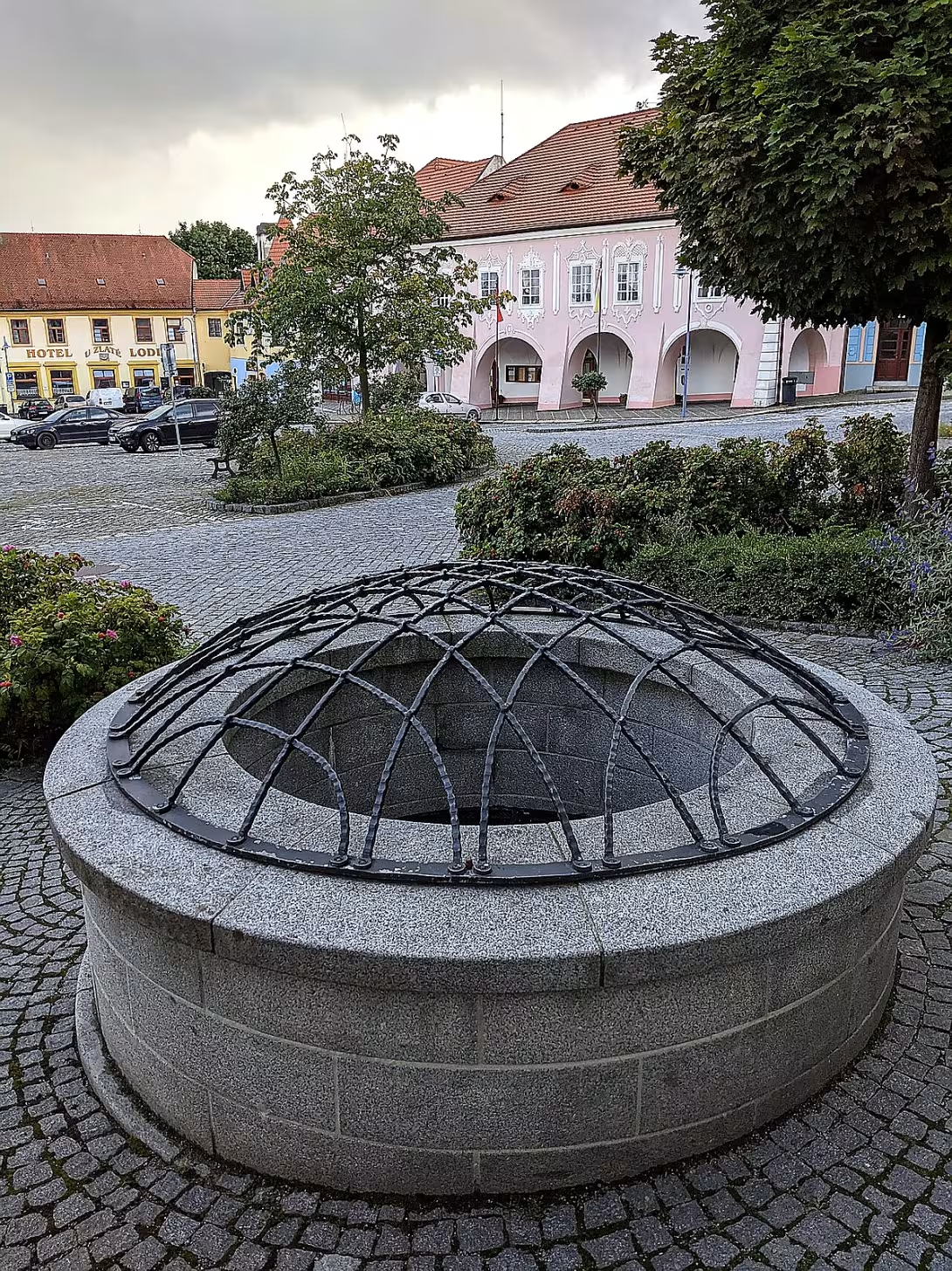
Vltavotýnské podzemí presents a unique set of Gothic buildings, corridors and wells under the Archbishop's castle building and the northern part of Peace Square in Týn nad Vltavou. This historic labyrinth, hand carved in a rock four to six meters below the surface, originated in the 15th century. Since 2006 it has been listed on the list of cultural monuments of the Czech Republic. The monument captures a specific profile of corridors that resembles a keyhole. To this day, there are many unanswered questions about the original purpose.
According to archaeological findings, the oldest corridors were created in the 15th century. At that time, the Czech countries were going through a period of political and social change under the rule of the Yagellonian monarchs and were recovering from Hussite wars. The construction took place at a time when the Vltavotín estate was owned by Čabeličtí ze Soutic. The work ended either after the change of owners in 1601 or at the beginning of the seventeenth century before the outbreak of the Thirty Years' War, when the city was suffering from a lack of finance. The initial purpose of the underground network is not yet fully clarified. Experts are considering the drainage of the northern part of the square, the creation of drinking water tanks, the construction of cellars under townhouses with subsequent connections, shelter for inhabitants for war or mining.
The architecture of the system is characterized by corridors and rooms carved in biotic parallels and clays. The inner spaces are also plastered. The corridors have irregular shape and floor plan. The locations reach a height of only a hundred and twenty centimeters and their cross-section narrows downwards into the shape of a keyhole. The entire labyrinth is supplemented by two historical wells and ventilation shafts in the ceilings. About 150 meters of corridors are accessible. Another impermeable or inaccessible space lies within the hill with the rest of the former castle whose ruins were destroyed in 1645.
The Vltavotín Manor was held until 1601 by Čabeličtí ze Soutic. During their era, the oldest parts of the underground were created. Significant figures of modern sightseeing are Bedřich Karásek. This native worker, writer and founder of the Museum in Týn nad Vltavou performed his first research attempts in the 1950s. The underground is also associated with the character of the brown castle master Jerome Hozlauer of Hozlau. According to his reputation, he's in the form of a chariot of fire for killing his servant, who helped him hide the treasure.
The first expert survey of the Vltavotín Underground was conducted in 1992 under the leadership of the sand speleologists. On the 19th November 1990, the city monument zone Týn nad Vltavou was announced, which became part of the underground. In 2006 the ensemble was listed on the list of cultural monuments of the Czech Republic. A further detailed survey was followed between 2005 and 2008. It preceded the removal of mud and water and led to the opening of the labyrinth to the public on the 26th of July 2008. Local attractions include folk legends. According to them, the corridors continue below the Vltava floor to the Mala Strana or the castle in Hnivkovic and are so wide that the carriage with horses can pass through them.
Today, about 150 metres of historical underground is open to the public. However, visitors cannot be recommended for persons with reduced mobility or other health problems. The monument represents a valuable proof of medieval construction and human work in a challenging rock terrain. A trip to the Vltavotyn Underground offers a unique opportunity to look into the hidden history of the city and to see with your own eyes unique Gothic buildings under the surface of the square.
Historical milestones
- 2006
- Vltavotýnské podzemí was included in the list of cultural monuments of the Czech Republic.
- 2008
- The underground labyrinth was made available to the public after the survey and removal of the load.
Architectural development
The corridors and rooms were hand carved in a rock bed made of biotic parallels and clays, and the inner spaces are also plastered. The cross-section of corridors often resembles a keyhole because it narrows downwards and corresponds only to the width of the visitor's tracks. There are penetrated ventilation shafts in the corridors and the whole system is complemented by two historical wells.
Historical events
In 1990, the city monument zone Týn nad Vltavou was declared as part of the underground. In 2006, a set of underground buildings was listed as cultural monuments of the Czech Republic. On 26 July 2008, the Vltavotín Underground was made available to the public following a difficult survey and adaptation.
Owners
The Vltavotín estate was owned by Čabeličtí ze Soutic until 1601, in whose era the oldest parts of the underground were built.
Points of interest
- This historic labyrinth was hand carved in a rock four to six meters below the surface and formed in the 15th century. - The corridors have a specific profile, which is sometimes reminiscent of a keyhole and reaches a height of only an inch or so. - The original purpose of the underground network is not yet fully explained, with experts considering, for example, drainage, drinking water tanks, war shelter or mining. - There is a legend of the brown castle lord Jeroným Hozlauer of Hozlau, who, according to the legend, is here in the form of a chariot of fire. - According to popular rumors, the corridors continue under the river floor to the Mala Strana or the castle in Hnivkovice and are so wide that they can be passed through the carriage with horses.
Guide
Show guide text
This text was created by artificial intelligence and has not been editorially reviewed. It may contain inaccuracies.
Welcome to Týn nad Vltava, a place where history is not only hidden in books or observable walls of houses, but deep beneath the surface of the earth, right beneath your feet. You are standing just before entering the Vltavotyn Underground, places that will lead you into the world of silence, cold and mystery in the following moments. You can see before you the entrance to the premises, which for many visitors at the first moment are only inconspicuous, but inside they hide a fascinating labyrinth that has been forgotten for centuries and hidden from the eyes of the outside world. Feel the atmosphere of this place, inhale Tina's air and prepare to travel to the depths where time seems to stop.
Let us now come together to question how these unique spaces actually took place. To understand the importance of what you are about to explore, we need to go back to the past in our minds, namely the 15th century. It was at this time, when the manor in Týn nad Vltavou was owned by the nobles of the Čabeličtí ze Soutic family, that the oldest parts of this underground system began to emerge. Imagine the period back then, the period of knights and castles, when there was a need to create spaces that were safe, hidden and protected from external influences. This whole system is located in the heart of the city, situated under the building of the Archbishop's castle and under the northern part of the Square of Peace. So it's a real underground city that existed parallel to the life that took place up on the streets and squares.
Now, when you are going to enter or are already moving in these areas, pay full attention to the architecture and the actual implementation of the corridors. What you're about to see is not the result of modern construction, but of incredible human patience and physical effort. The whole labyrinth was hand carved right into the rock. Notice the depth you're at. The underground corridors lie approximately four to six meters below the surface of the earth. Imagine those people who, with simple tools in their hands, in dust and in half-hue, cut out these corridors and wells one meter by one meter.
Look carefully at the profile of the corridors you're going through. Note that they have a very specific shape, which sometimes resembles a keyhole. It's a detail that gives the whole place a special character. Also, notice the height of the ceiling. You'll have to watch your head because the corridors are only about an inch tall. This low height forces us to humility and reminds us that these rooms were not built for comfortable walks, but for very specific, even if not fully explained to this day. Feel the walls, touch the cold stone, and realize how many generations of people have gone through them before today's world knows about them.
Each place is associated with specific human destinies and names. Although the main architects of this underground are unknown, history has left traces of personalities related to Tyn nad Vltava and its administration. In addition to the already mentioned Cabeliks of Soutic, who were probably the founders, names such as Bedřich Karásek or Jeroným Hozlauer z Hozlau appear in relation to the history of this place. They are figures that at different times influenced the fate of this region and their stories intertwined with the history of the castle and the whole city. Even if you don't find their portraits underground, their presence in these corridors is felt because they formed layers of power and administration that kept this place going.
Now we get to the part that is most fascinating for many visitors. It's a great mystery that accompanies Vltavotýnské podzemí until today. Although we have historical records and archaeological findings, the original purpose of this vast network of corridors and wells is still not fully explained. What were people really doing here? Were those secret escape routes during the siege? Did these rooms serve as cold warehouses for food and wine, which remained at a constant temperature at a depth of several meters underground? Or was it a system to secure water supplies through wells that are connected to the corridors? This uncertainty from the place makes it more than a historical monument, making it a puzzle that you can try to solve yourself while going through the dark corners of the labyrinth.
The way to stand here today and listen to this guide has been long. The underground was not always accessible. After centuries, dust, debris and soil were gradually forgotten and filled. The break came in modern times. In the year two thousand six, Vltavotýnské podzemí was officially included on the list of cultural monuments of the Czech Republic, which was a recognition of its uniqueness and historical value. But hard work followed. It was necessary to conduct a thorough survey and, above all, to remove the loads that covered the original shapes of the corridors for years. Only in the year two thousand eight was this underground labyrinth fully made available to the public. So what you see today is the result of a combination of medieval work and modern care for the heritage of our ancestors.
Now that you know the basic story of this place, it's time for you to dive into it fully. Let yourself be consumed by the silence that rules underground, and forget the noise of the modern world that remains up in Peace Square. Watch the shapes of the rock walls, feel the humidity and explore every corner of this stone world. Let your imagination work and imagine which of you in the 15th century could walk through these same passages and what he felt in his heart.
I invite you to continue your research. Walk slowly, observe the details and allow yourself time to feel the magic of this place. Vltavotýnské podzemí will not open its secrets to you in the first second, but if you are attentive, you will begin to find answers to your questions. I wish you a fascinating experience of discovering the depths of Tina over Vltava. This concludes the introductory part of our guide, now it is up to you and to a quiet dialogue with history carved into the rock. Have a safe trip to the depths.
Tips for visitors
A tour of the underground areas below the northern part of the Square of Peace and the Archbishop's castle building in Týn nad Vltavou is best planned for the morning hours when it is calmer in the historical centre. You will appreciate the visit especially on hot summer days, as underground corridors and wells provide pleasant natural cooling.
The location is easily accessible by car and public transport. Parking can be used on adjacent areas in the city centre, from where it is only a short walk to the underground entrance areas. Check the exact traffic connections in advance in the local search engine.
Take with you fixed, closed shoes suitable for historical buildings and warmer long-sleeved clothes into the underground areas, because there is a constant colder temperature in the underground all year round. It is also recommended to take a small lamp to better examine the details of the historical masonry.
Prepare a camera with good light for shooting, because there is a lack of natural light in the underground. The best shots are taken at the oldest parts of the corridors and wells, where the unique structure of the ancient stone masonry stands out.
In the immediate vicinity of the underground, you can visit the rest of the historical centre Týna nad Vltavou. In close proximity there was also a local castle, whose ruins were demolished in 1645, so when walking through the centre you breathe history associated with this degraded noble residence.
Businesses nearby
Do you run a restaurant, accommodation, shop, museum, rental, wellness or other visitor service near this monument? Show yourself directly to the people heading to it — this is how they will see you in the app and on the web:
Nearby
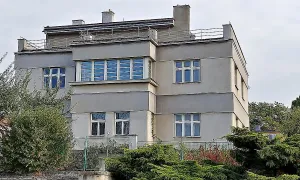
Podzemní prostory se nacházejí pod severní částí náměstí Míru a budovou arcibiskupského zámku v centru Týna nad Vltavou, v blízkosti se nacházel také místní hrad, jehož ruiny byly zbořeny v roce 1645.
Accommodation nearby
Trips and activities nearby
Guided tours, tickets and activities nearby from GetYourGuide
Affiliate link: if you buy from the partner, we may receive a commission. The price for you does not change.
Search tours and activities →Themed route
I propose a thematic cruise route focused on historical areas and their immediate surroundings in the village Týn nad Vltavou. The route is designed to logically link the main destination with the surrounding sites directly fixed with the location.
1.Vltavotýnské podzemí Type: Other historical monument Why is it worth a visit: These mysterious underground spaces are located directly below the northern part of Peace Square. They offer a view of the depths of history and ancient construction structures beneath the city centre.
2. Building of Archbishop's Castle Type: Historical construction Why is it worth a visit: This building is close to underground areas in the heart of Týna nad Vltavou. Its foundations and surroundings are closely linked to the history of the entire underground.
3. Place of the extinct local castle Type: Historical site Why is it worth a visit: In the immediate vicinity of the castle and underground, there was this historic place, the ruins of which had already been destroyed in 16 hundred and forty-five. Today it resembles the ancient medieval past of this site.
Seasonal recommendations
Spring in the historic underground beneath the city Týn nad Vltavou brings gradual awakening of nature in the surrounding bank of the river, while deep beneath the surface there is still a stable cold with dripping water from the ceilings. The atmosphere is quiet and mysterious, because the main wave of tourists is yet to come, which increases the sense of discovering old passages accompanied by muted artificial lighting. In this period, choose fixed shoes and a warmer jacket, because the temperatures below the ground are significantly lower than outside, and the best time for a tour is in the morning during weekdays when you meet only the absolute minimum of other visitors.
Summer offers the greatest contrast between the glowing sun on the Vltava waterfront and a pleasant natural habitat in the deep areas of the monument. The surrounding greenery and trees are in full bloom and attract crowds of hikers to the water, making underground corridors an ideal haven for the afternoon heat. The practical board commands you to get up and go first thing in the morning to avoid the biggest fronts in the main tourist season, and don't forget the long pants and sweater, because a sharp transition from hot outdoor air to cold underground can surprise your body.
Autumn covers the whole area in coloured tones of decaying leaves and fog over the river, creating a very photogenic and nostalgic background for the overall trip. Humidity in underground areas is a little higher in this period and the walls are covered with drops of water, which gives a tour of authenticity and raw. We recommend waterproof shoes due to muddy roads around the monument, warmer hat and visit in the afternoon when you can combine a tour of dry and excellent condition of maintained corridors with an autumn walk around the water.
Winter in Týn nad Vltava turns the landscape into a freezing kingdom, but below the surface, the temperature remains stable throughout the year, creating an interesting heat contrast. The lighting in the corridors is particularly warm in the dark winter days, and the atmosphere is absolutely calm, without summer excitement and hustle. For a winter visit, put on a warm winter coat, gloves and scarf for the trip to the monument, which may be postponed or unfastened for a while in the underground alone, but when you come out, you will appreciate them immediately, and plan a tour for the early afternoon while the daylight is out.
Visualizations and artistic views

The visualisations are generated by artificial intelligence and serve as inspiration.
Photos from the area
Real photos taken near the monument

Zdroj a licence jsou uvedeny u každého snímku.
Tips from visitors
No tips yet. Be the first!
Log in and add your tip.
Sources and literature
Photos: MartinVeselka / CC BY-SA 4.0 — Wikimedia Commons. The author and licence also appear when you hover over the image.
Faktickým podkladem tohoto textu byl článek na Wikipedii, jehož autory jsou přispěvatelé Wikipedie. Článek je dostupný pod licencí CC BY-SA 4.0.
Location on the map

Příběhy a pověsti
Legendy, pověsti a příběhy spjaté s touto památkou

Fotografie návštěvníků
Zatím žádné fotografie. Buďte první, kdo přidá fotografii z návštěvy!
Log in a přidejte svou fotografii nebo hodnoťte.
Za ověřenou návštěvu v aplikaci získáte víc bodů — poznáme podle GPS, že jste na místě.
Reviews and comments