






Vodárna (Cihelny) Water tower
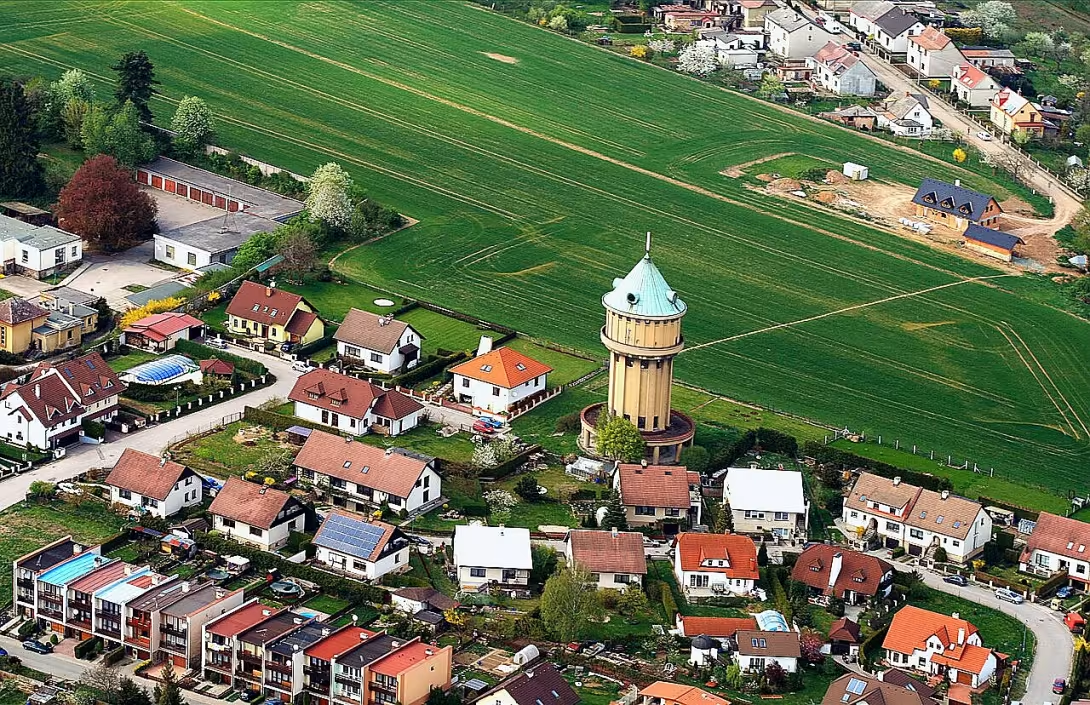
The water tower in Cihelny is a functionalist technical monument in Jaroměři in Náchodska. The building was established between 1927 and 1928 and has been registered since 1984 in the Central List of Cultural Monuments of the Czech Republic. The construction represents an important proof of modern infrastructure from the period of economic prosperity of Czechoslovakia.
Before the tower was created he ensured supply of Jaroměře water older water pipeline from 1882 to 1887, powered from the water plant by the chapel of St. Anne and nearby wells. The project of the new tap was developed by Jan Vladimír Hráský. The architectural form of the tower was subsequently designed by František Janda, pupil of the important Czech architect Jan Kotera. Construction of the new water tower took place between 1927 and 1928. The tower was designed so that the water from a tank of 400 cubic meters could be distributed to the city by self-setting.
Architectural representation is based on functionalist principles that place emphasis on efficiency and technical maturity. The massive cylindrical structure is divided into four basic parts. The ground floor of the shank is supported by twelve cylindrical columns on which the flat roof rests. From it comes the tower, which is divided by shallow lizenas and is illuminated by eight rectangular windows in the lower and upper parts. A cylindrical tank, also decorated with lizenas and finished with a conical copper roof, is mounted on a caliched ring. It is equipped with four circular skylights with windows divided into crosses; on top of the roof there is a poppy and lightning rod.
The operation of the water plant started in 1927 and lasted until 1985. Then the city's supply was transferred to a new water pipeline from the water tower near Zalenov. Since 1984, the building has been protected as a cultural monument.
At present, this technical monument is not open to the public. Yet the tower in the Cihelns remains a valuable example of interwar architecture, which documents the technical progress and development of urban infrastructure in Jaroměři. An outdoor tour is available to interested people about the history of technology, which retains its characteristic functionalist appearance even after the operation.
Then and now
Drag the slider to compare how the landmark may have looked when it was built with the view today.
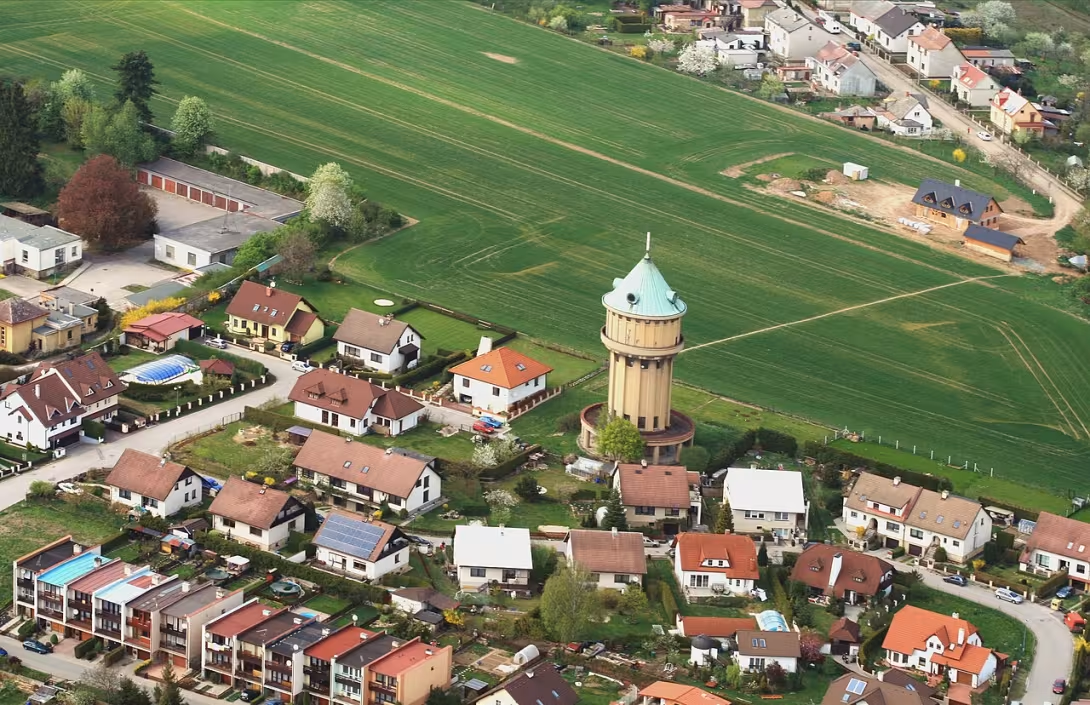
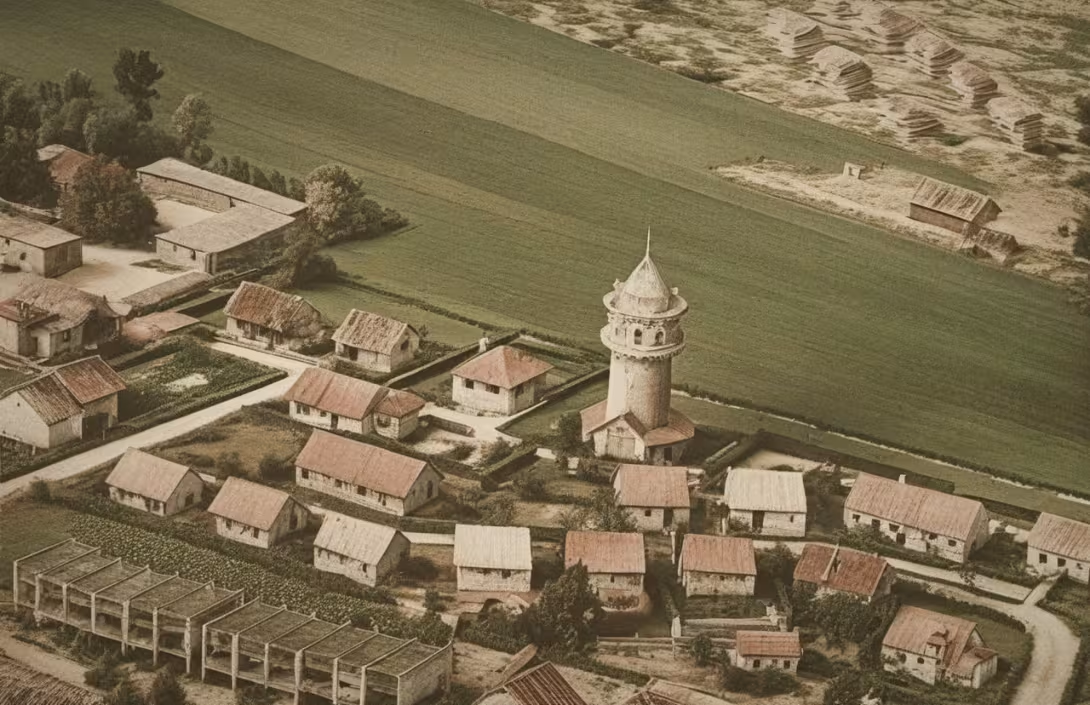
The historical appearance on the left is an AI-generated visualisation and serves as inspiration only.
Historical milestones
- 1927
- Start construction of a new water tower.
- 1928
- Completion of water tower construction.
- 1984
- Entry into the Central List of Cultural Monuments of the Czech Republic.
- 1985
- End of operation of the water plant and switch to supply from the water tower near Zalenov.
Architectural development
The building is built in a functionalist style with a significant breakdown using shallow lizens. The ground-floor part of the blade is supported by twelve cylindrical columns on which the flat roof rests. The top consists of a chalice ring with a cylindrical tank and a copper roof.
Historical events
A new water tower was built in 1927-1928. In 1984, the tower was declared a cultural monument. In 1985, the water plant was shut down.
Points of interest
- This technical monument originated in the years one thousand nine hundred twenty-seven to one thousand nine hundred twenty-eight. Since the year a thousand and nine hundred and eighty four are listed in the Central List of Cultural Monuments of the Czech Republic. - The tower was designed so that the water from a tank of 400 cubic meters could be distributed to the city alone. - The architectural design of the tower was designed by František Janda, who was a pupil of the important Czech architect Jan Kotera. - The construction is divided into four basic parts, with the ground-floor part supporting twelve cylindrical columns. - The operation of the water plant lasted from the year one thousand nine hundred twenty-seven to the year one thousand nine hundred eighty-five, when the supply of the city was transferred to a new pipeline.
Guide
Show guide text
This text was created by artificial intelligence and has not been editorially reviewed. It may contain inaccuracies.
Welcome to Jaroměři. You are standing in a place that carries a deep relic of technical history and reminds us of a time when the world around us began to change at a rapid pace of modernization. In front of your eyes, there is a water tower that is located in a part called the Brickles. This object is not just an ordinary building, but it is a testament to the progress that has brought the people of this city a basic need for living in a modern way. Behold her line, her presence in the landscape. This tower looks strong and very logical, which is typical of its style.
Let us now go back in time together to understand why this building was created in the first place and how important it was for the people at that time. In front of him is a story that began to be written in a thousand nine hundred twenty-seven. At that time, Jaroměř needed a reliable and effective way to supply the city with water. The need for a modern water tower was essential for further development of the city and its inhabitants. The whole process of building this important water building was started in the year one thousand nine hundred twenty-seven and lasted until one thousand nine hundred twenty-eight. During these two years, there was a constant construction that was meant to turn life into Jaroměři for the better.
Now pay attention to the very form of the construction you are currently observing. This tower is an excellent example of architecture, which we call functionalism. This direction in the field of building art places enormous emphasis on the shape of the building directly corresponding to its practical use. Nothing here is useless, nothing here disrupts the purity of the intention. Everything you see has a reason and a purpose. Notice how the whole building is divided into four basic parts. These breakdowns give the tower a rhythm while ensuring the necessary stability and balance. When you look at its structure, you can feel the close cooperation between technical thought and artistic design.
This harmonious relationship between technique and aesthetics was possible thanks to the work of two prominent personalities. The project was prepared by Mr Jan Vladimír Hráský. He was the one who had to ensure that all the technical parameters, all the calculations and all the needs of the city were met. However, the architect František Janda, who created the architectural design, followed on to his project. It is thanks to their joint efforts that a work has been created, which is not only a water machine, but also a beautiful building monument. Although we do not have detailed records of their personal lives or every detail of their work, their link is felt here in every metre of this construction.
Now let's look at what's inside and how this tower really worked. Imagine the enormous force that was stored in this building. High above you, at a height of 20 meters, there was a tank with an incredible volume of four hundred cubic meters. This is the amount of water that is absolutely vital to the city. But what's most interesting about it? This tower wasn't just a storage site. Thanks to the fact that the tank was so high, the water could flow into the city's water pipelines all by itself, without the need to use complex machines or a constant pump. This process is called self-pitying. Gravity, the natural force that keeps us on the ground, in this case, was the main aid that ensured that water flowed where it needed to be. It's a fascinating combination of physics and construction.
This technical monument served Jarometer for decades until the time came when technology changed again. In the year one thousand nine hundred and eighty five, the operation of this water plant was terminated. It was decided that the city's supply would now be provided from another source, namely the water tower located near Zahranov. Although the tower was no longer fulfilling its original function, its value as a cultural heritage remained undeniable. Already in the year one thousand nine hundred and eighty four, this building was included in the central list of cultural monuments of the Czech Republic, which provided protection for future generations.
Now if you look at this tower again, try to realize that you don't just see concrete and construction, but you see the resulting product of human knowledge and efforts to improve life. You see a work that could link the need for drinking water to the beauty of clean lines of functionalism. He is a silent guardian of history who still stands here and reminds us of the importance of caring for our technical and cultural treasures.
I hope this brief view of the history of the water tower in the Cihelns has taken you in and helped you better understand this place. Remember that Jaroměř offers many other interesting places to discover. So keep walking, look around and enjoy the atmosphere of this city. Thank you for your time and reading this guide. Goodbye.
Tips for visitors
The best time to visit is during the sunny morning hours, when natural light beautifully highlights the functionalist lines of the tower and its brick wall. Due to the technical nature of the monument, we recommend monitoring official pages for seasonal traffic information.
You can easily reach the water station by car, parking is possible in adjacent streets near the property. If you travel by public transport, use the Jaroměře connection and walk the rest of the way; Find specific connections in the current timetables.
For photography we recommend choosing a wide-angle lens that captures the entire vertical composition of the tower. The best light for exterior images is at a time when the sun is not in the zenith to avoid sharp shadows on the facade.
When visiting with children use the surrounding area for a short walk. The tower is a fascinating example of technical progress, which may be an interesting topic for schoolchildren to discuss how earlier the cities were supplied with water.
In the immediate surroundings we recommend visiting the historical centre of Jaroměř, visiting the chapel of St. Anne or taking a walk in the adjacent Zalenova area, which offers a quiet environment for rest after a tour of the tower.
Businesses nearby
Do you run a restaurant, accommodation, shop, museum, rental, wellness or other visitor service near this monument? Show yourself directly to the people heading to it — this is how they will see you in the app and on the web:
Events nearby
Zdroj akcí: otevřená data měst a obcí ČR (Národní katalog otevřených dat) a kalendář akcí Národního památkového ústavu.
Nearby
Město Jaroměř, kaple svaté Anny, oblast Zaloňova.
Accommodation nearby
Themed route
1. City Jaroměř (urban space) - The entry point of the trip, which is used for orientation in the surroundings. 2. St. Anne's Chapel (religious building) - Quiet place suitable for short stop quiet. 3. Vodárna (Cihelny) (tower) - The main destination of the journey, which offers landscape observation from a height. 4. Zahranova (surrounding landscape) - Space for relaxing walk at the end of the route.
Seasonal recommendations
In spring the tower surrounds the waking green and fresh air. Nature begins to bloom around the monument, creating an optimistic atmosphere. We recommend visiting the place in the morning when the light is fine. Due to the variable weather, it is advisable to wear a light jacket or raincoat.
The summer season brings sharp sun and rich green trees that provide a pleasant shade. The air is hot and the atmosphere around here is full of energy. Since there are the most visitors in the season, come as soon as possible in the morning. Dress light, airy substances and don't forget enough drinking water.
In autumn, the landscape around the waterworks turns into gold and red tones. The frequent fog and moving shadows give the tower a mysterious touch. The best time to visit is the late afternoon when the sun paints the walls in warm shades. Don't forget the layered clothes to protect you from the cold wind.
In winter, the monument works calmly and sharply, especially if it is covered by a layer of snow. The lighting is muted and the days are short, which creates an intimate mood. We recommend planning the trip in the morning because the opening hours are shorter in this period. The most important thing is a warm sweater, a hat and tight shoes that don't slide on a frozen road.
Visualizations and artistic views


The visualisations are generated by artificial intelligence and serve as inspiration.
Photos from the area
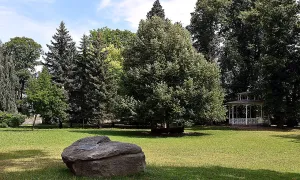
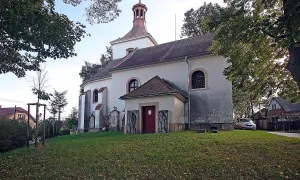
Real photos taken near the monument


Zdroj a licence jsou uvedeny u každého snímku.
Tips from visitors
No tips yet. Be the first!
Log in and add your tip.
Sources and literature
Photos: Karelj / CC BY 3.0 — Wikimedia Commons. The author and licence also appear when you hover over the image.
Faktickým podkladem tohoto textu byl článek na Wikipedii, jehož autory jsou přispěvatelé Wikipedie. Článek je dostupný pod licencí CC BY-SA 4.0.
Location on the map


Příběhy a pověsti
Legendy, pověsti a příběhy spjaté s touto památkou
Fotografie návštěvníků
Zatím žádné fotografie. Buďte první, kdo přidá fotografii z návštěvy!
Log in a přidejte svou fotografii nebo hodnoťte.
Za ověřenou návštěvu v aplikaci získáte víc bodů — poznáme podle GPS, že jste na místě.
Reviews and comments