



Vodní mlýn čp. 79 Water mill
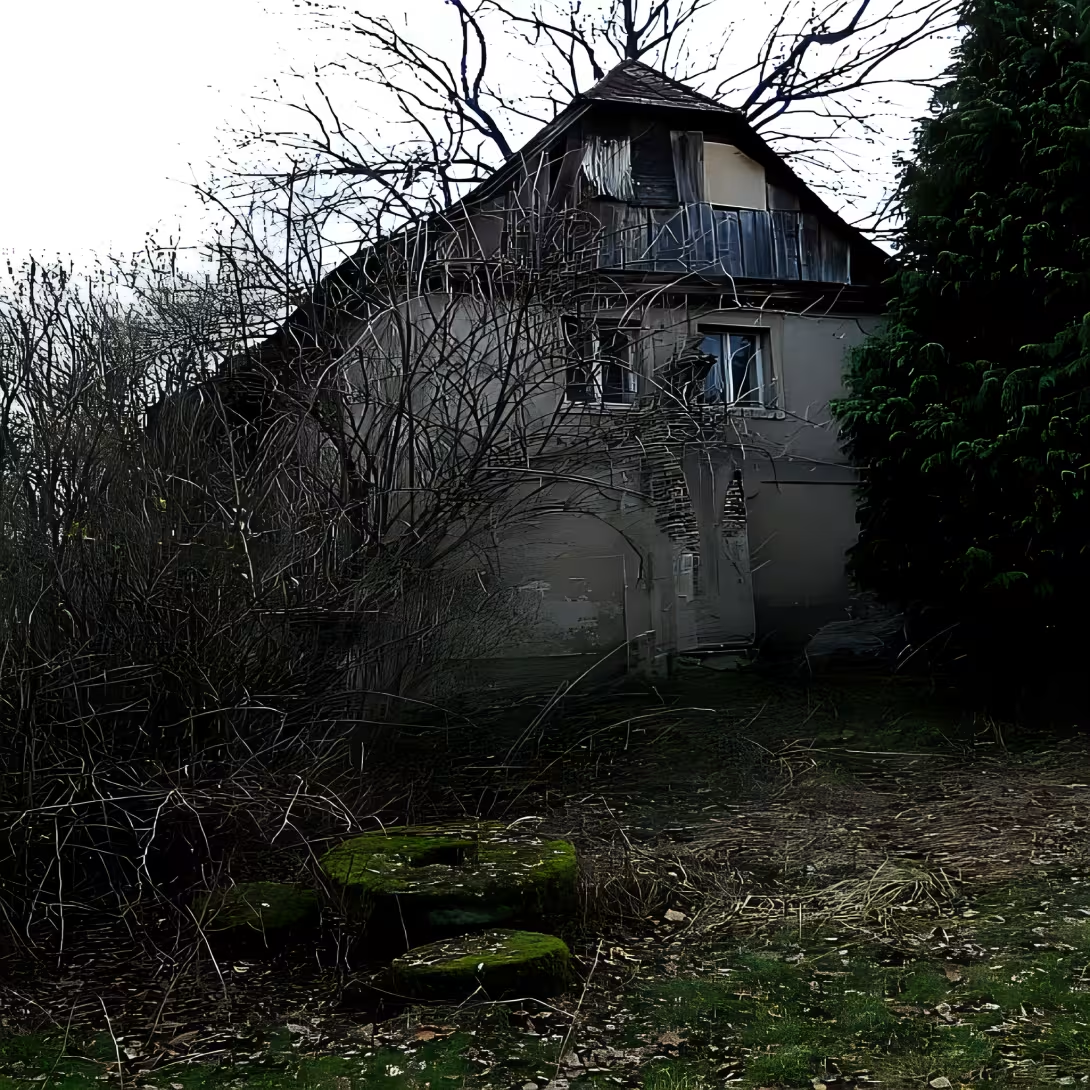
The Feldek Mill in Bylany in Kutnohorsk is a baroque water mill on the river Bylank, which is protected as a real cultural monument of the Czech Republic. The building is remarkable with its history associated with the Kutnohora Mining Administration and preserved Baroque elements such as painted ceilings or historical steps.
The first written mention of the mill dates back to 1715, when the building was listed in the second Teresian cadastre as a higher mill with one rise. Back then, it belonged to the Kutnomountain Jesuits. The historical context of the construction is consistent with the efforts of the Habsburg monarchy to develop agriculture and mining industry. Although Kutná Hora experienced a downturn in its medieval mining era in the 18th century, the technical background of mills, including this building, was still used to crush ore and slag.
Architecturally, it is a two-wing storey structure with a sparsely decorated facade and a half-wooden roof. The area is protected as a whole. Apart from the mill building itself, it also includes an economic building, a barn and a wall with gates. There is a sandstone statue of St. John Nepomuk in front of the eastern front. Baroque painted ceilings and historic steps were preserved in the interior, while the original water wheel on top of the water had already disappeared.
The property history of the building has been documented since the 18th century when the mill belonged to Jesuits. Two handpainted Baroque maps from 1726 and 1732 show its importance for the mining administration. In 1839, Dorothea Feldek is listed as the owner of the mill, then registered under the number descriptive 71. The current object name is derived from her name.
Key events in the history of the mill are mainly linked to its technical use in the first half of the 18th century, when it was used to crush raw materials for the needs of Kutnohorsky mining. Today the building is not permanently inhabited and is in poor technical condition.
Feldek Mill is a valuable document of technical history and baroque construction in the Kutná Hora region. Despite the current dismal state of the complex, it remains an important monument, which indicates the link between agricultural operation and industrial activity in past centuries. Visiting this place offers the opportunity to see the history that shaped the technical character of the Czech landscape.
Historical milestones
- 1715
- The first written mention of the mill in the second Teresian cadastral.
- 1726
- Displaying the mill on the baroque map with a note about membership of the mining administration.
- 1839
- A recording in an indication sketch showing the owner of Dorothea Feldek.
Architectural development
The building is a two-wing storey building with a half-wooden roof and a moderately decorated facade. The interior preserved Baroque painted ceilings and historical steps. The original water wheel on the top water has already disappeared.
Historical events
First written mention in the Teresian cadastral in 1715. Use of the mill for the needs of the mining administration in the first half of the 18th century.
Owners
Kutnomountain Jesuits (18th century), Dorothea Feldek (1839).
Points of interest
- The mill is a Baroque building on the river Bylanka, which is protected as a real cultural monument. - In the eighteenth century, the technical background of the mill was used to crush ore and slag for the purposes of Kutnohorsky mining. - In addition to the mill building, there is also an economic building, a barn, a fenced wall with gates and sandstone statue of St. John Nepomucký. - Baroque painted ceilings and historic steps were preserved in the interior, while the original water wheel on the top water had already disappeared. - The current name of the building is derived from the name Dorothea Feldek, which was listed as the owner of the mill in 1839.
Guide
Show guide text
This text was created by artificial intelligence and has not been editorially reviewed. It may contain inaccuracies.
Welcome to Feldek's Mill in Bylanky, a beautiful complex of history and architectural wonder. You are standing in front of a two-wing building whose storey structures are harmonically interconnected with the surrounding landscape. The mill is built on the river Bylanka and its baroque ceilings invite you to explore their painted details. In front of the building stands the sandstone statue of St. John Nepomuk, which gives this peace spiritual depth.
Let's dive into the history of this fascinating object. The first mention of the mill dates back to 1715, when it was recorded in the second Teresian cadastral. In 1726 it was marked as part of the mining administration on the Baroque map. This history is also reflected in technical facilities that served not only to grind grain, but also to crush ore and slag for the needs of the Kutnohorsky mining industry. In 1839 the mill is written in an indication sketch with Dorothea Feldek as owner.
Look up at the baroque ceilings whose paintings tell the story of the rich past. The mill is built from solid materials and its architecture reveals the skills of unknown builders. Note the economic station, the barn and the fence wall that supply the complex with integrity.
Dorothea Feldek is one of the key personalities associated with this place. Her name is inextricably linked to the mill that she led and managed in 1839.
The mill has its myth: in the eighteenth century, its technical equipment was an essential part of mining operations. Crushing ore and slag for the mining administration has added exceptional value to this place.
Now that you've learned about the history and architecture of this place, I invite you to further explore. Take a look at the surrounding landscape, relax your mood and let the silent stories that this mill hides reach you. I hope this guide inspired you to explore again. Thank you for your visit to Feldek Mill and I hope you will return with new experience and impressions.
Tips for visitors
The best time to visit is late spring or early autumn, when the surrounding agricultural landscape is the most photogenic and the river Bylanka has plenty of water. Due to the poor state of the building we recommend planning the visit in dry and sunny weather for better visibility of details.
You can easily reach the mill by car on the roads in Kutna Hora district. Please check the current connection by public transport in the respective connection search engine.
Due to the state of the monument we recommend fixed shoes and suitable clothing for the field. If you are interested in photography, the best light for capturing baroque elements and the architecture of the mill is during the morning hours when the sun illuminates the facade of the building.
In the immediate surroundings you can explore the picturesque agricultural landscape along the Bylanka stream, which offers a quiet environment for walks. The whole area of the village of Bylany is suitable for light hiking in nature.
For families with children, the location is suitable as a short trip related to rural history. Children may observe the flow of the Bylanka stream, but due to the poor condition of the buildings, care must be taken and do not enter enclosed or dangerous areas of the complex.
Frequently asked questions
Can the monument be visited?
This is a technical monument. Some are open as exhibitions, others are out of use or on private land. We have not verified whether this one is accessible. According to the heritage register the structure is in poor condition – do not enter it and take care nearby.
What are the opening hours and admission?
We have not verified the opening hours or admission. Current information is published by the operator.
Where is the monument?
Location: Středočeský kraj. The map on this page shows the exact spot.
Why is the monument protected?
It is listed in the Central List of Cultural Monuments of the Czech Republic as a cultural monument (register no. 1000140943).
Businesses nearby
Do you run a restaurant, accommodation, shop, museum, rental, wellness or other visitor service near this monument? Show yourself directly to the people heading to it — this is how they will see you in the app and on the web:
Nearby
Obec Bylany, potok Bylanka, okolní zemědělská krajina v okrese Kutná Hora.
Accommodation nearby
Trips and activities nearby
Guided tours, tickets and activities nearby from GetYourGuide
Affiliate link: if you buy from the partner, we may receive a commission. The price for you does not change.
Search tours and activities →Themed route
1. The village of Bylany - the village. The starting point of the journey where the atmosphere of the local village can be observed. 2. Bylanka stream - water flow. A walk along the river bed leads visitors directly to the main monument. 3. Vodní mlýn čp. 79 - mill. The main destination of the trip, which represents a historical technical work. 4. Ambient agricultural landscape - landscape. Walk through the forest in Kutna Hora district offers peace and typical views of the countryside.
Seasonal recommendations
Spring - During the flowering season of trees and fine spring light, the scent of freshly blooming flowers and splashing water comes to the water mill, which again gains strength after winter. Due to poor technical condition, care must be taken on slippery stones at the shore; It is recommended to arrive in the morning when there are fewer school trips, and to dress in a light jacket resistant to rain and comfortable shoes with good holding.
Summer - In the summer months the sun shines in a high angle, the water in the stream flows the most and you can see the turning mill wheel, although the construction itself is in worse condition. To avoid a hot afternoon crowd it is best to arrive early in the morning, wear a hat, sunglasses and have plenty of fluids with you; light, breathable clothes and solid footwear are necessary.
Autumn - Autumn golden leaves and soft autumn light create a calm atmosphere, the water in the canal slowly decreases and the surrounding forests offer colorful scenery. The condition of the mill remains bad, therefore it is advisable to arrive in the late morning, to dress in layers - warm sweater, waterproof jacket and solid footwear, which is well held on wet ground; there are fewer visitors in this period.
Due to the unused equipment it is necessary to be careful on slippery ice and check the state of the journey in advance. The most suitable visit is around noon, when the most light is; Hot clothes, hats, gloves, and shoes with anti-slip soles are recommended to keep the stay safe even in cold weather.
Visualizations and artistic views


The visualisations are generated by artificial intelligence and serve as inspiration.
Photos from the area
Real photos taken near the monument


Zdroj a licence jsou uvedeny u každého snímku.
Tips from visitors
No tips yet. Be the first!
Log in and add your tip.
Sources and literature
Photos: Sovicka169 / CC BY-SA 4.0, rozlišení zvýšeno umělou inteligencí — Wikimedia Commons. The author and licence also appear when you hover over the image.
Faktickým podkladem tohoto textu byl článek na Wikipedii, jehož autory jsou přispěvatelé Wikipedie. Článek je dostupný pod licencí CC BY-SA 4.0.
Location on the map
More monuments – Středočeský kraj
Show all in the region




Příběhy a pověsti
Legendy, pověsti a příběhy spjaté s touto památkou

Fotografie návštěvníků
Zatím žádné fotografie. Buďte první, kdo přidá fotografii z návštěvy!
Log in a přidejte svou fotografii nebo hodnoťte.
Za ověřenou návštěvu v aplikaci získáte víc bodů — poznáme podle GPS, že jste na místě.
Reviews and comments