



Vodní mlýn (Moravská Cikánka) Water mill
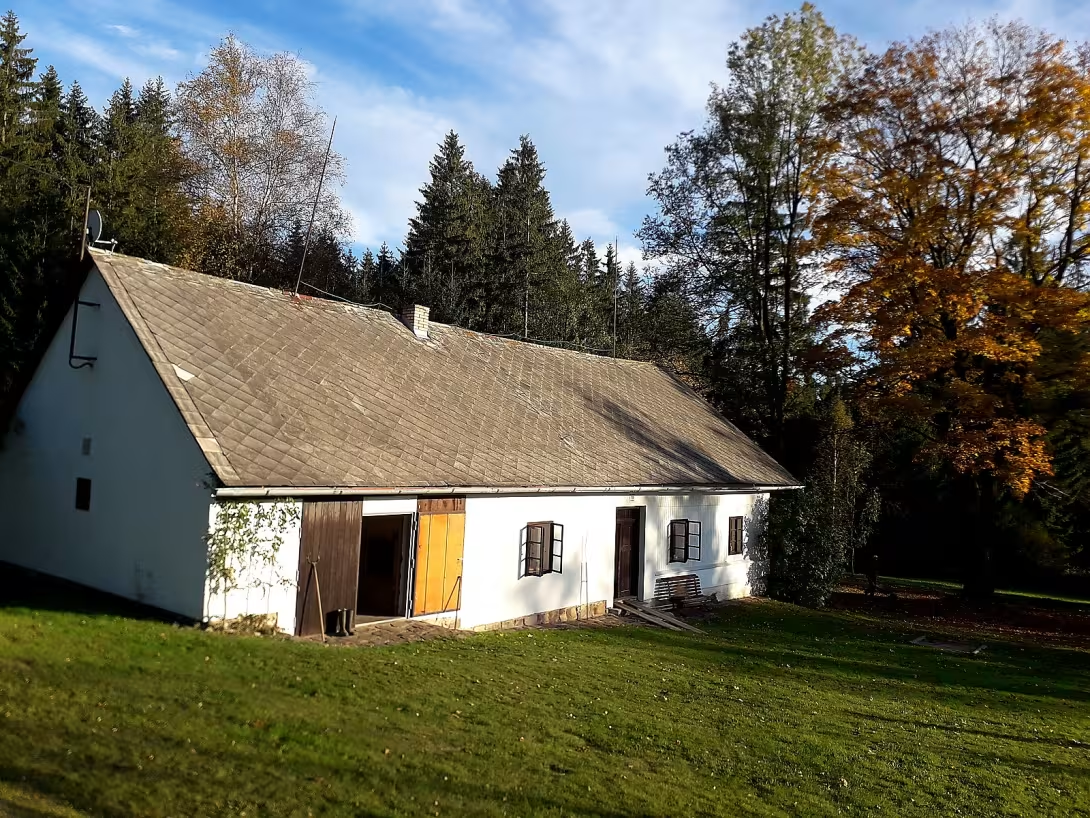
Objekt se nedochoval — na místě dnes nestojí. Následující text popisuje jeho historii, ne současnou návštěvu.
The Fix Mill, also known as Paral's, is a historical monument in Moravian Gypsy near Svratka. This extinct water mill stood on the river Svratka and served to grind the grain. Its history dates back to the 17th century, when there was a rise for crushing quartz for a nearby glassworks. In 1760 a grafted ground-floor building was established, which became a key part of the local industry. Despite the cultural significance and entry into the list of monuments in 1958, the object was completely demolished in 1961. This fate points to a complex process of preserving cultural heritage.
The fate of the Fix Mill is closely linked to the regional industry. In the 17th century, a rise was built in this area to crush quartz, necessary for the operation of the glassworks. The blasphemous building from 1760 then represented technological developments in the region. In 1810 one grinding composition with one wheel was placed in the mill, suggesting continued adaptation and extension of its functions. The last manager of the building until 1945 was the miller Gustav Páral. After his death, the construction gradually began to decay.
Architecturally, the Fix Mill was a typical example of the 18th century rural industrial building. The foundation of the construction was a grafted construction from 1760 and a water wheel powered by milling machines. In 1930 the mill powered two wheels on top water, which increased its performance and efficiency. This innovation was typical of the time when milling became more sophisticated.
The name Gustav Páral is associated with the ownership and management of the mill, which was the last miller until 1945. He degraded the object after he left. Despite its value, it was ordered to demolition in 1958. In 1961, the mill was completely demolished, although it was registered as a cultural monument until then.
Key events include the construction of the 17th century climb, reconstruction and expansion in 1760 and the final demise in 1961. The mill was also connected to the operation of the iron hamru Brušovec, which confirms its importance for local industrial activity.
Nowadays, only traces of mill drive and waste water remain. Despite the physical demise, the Fix Mill is an important element of the history of the Svratka region. His story reflects changes in local industry and challenges associated with the protection of monuments.
The visit to the place where the Fix Mill once stood is a valuable experience for interested people in the history and industrial heritage of the Czech Republic. Although the construction no longer exists, its history remains a living reminder of a significant period of local technology.
Historical milestones
- 1760
- dating of the grafted ground structure mill
- 1810
- location of one grinding composition with one wheel
- 1958
- registration in the list of cultural monuments and MNV regulations on the removal of construction
- 1961
- demolishing mill
- 2015
- exclusion from cultural heritage records
Architectural development
Originally there was a rise here in the 17th century. In 1760 a grafted ground construction was built. In 1930 the mill was powered by two wheels on top water.
Historical events
1760: dating of the grafted mill building; 1958: entry in the list of cultural monuments and at the same time the demolition regulation; 1961: complete demolition of the building.
Owners
Gustav Páral (last miller, until 1945)
Points of interest
- In the seventeenth century there was a rise for crushing quartz for a nearby glassworks. In 1760, a grafted ground-floor building was built. In 1930, the mill was powered by two wheels on top of the water. - Although he was included in the list of monuments in 1958, he was completely demolished in 1961. - The mill was connected to the operation of Brushovec's iron hams.
Guide
Show guide text
This text was created by artificial intelligence and has not been editorially reviewed. It may contain inaccuracies.
Welcome to the Moravian Gypsy, in this quiet corner of the Svratka River. Stop for a moment, take a breath and feel the surrounding nature. You may feel that you are standing on an ordinary piece of earth, but you are actually in a place where the power of water and the rhythm of human labor have ruled for centuries. You are standing right where Fix's Mill once stood, which many of the locals also knew under the name Paral Mill. If you look around now, you won't see any high walls or roofs. That's the sad truth of this place. In front of you, the space that once was the centre of the local economy is spreading, but it is now silent. But note carefully the ground under your feet and surroundings. Even though the construction itself has disappeared, the landscape remembers its history. Look at the footprints in the field, the remains of the water jet, and the place where the water flowed from the mill. It is these tiny details, these grooves in the ground and the remains of the trough that are the only tangible trace of what was once there. To understand why this place was so important, we have to go back deep into the past until the seventeenth century. At the time, the mill, as we know from later records, was not here yet. Instead, the so-called rise worked here. For those of you who may not be familiar with this word, the climb was a device to crush hard ingredients. In this particular case, quartz was crushed here. Why the quartz? The answer lies near the local glassworks. The glass industry was an important craft in these areas and the crushed quartz was the basic raw material for glass production. So imagine the noise, the dust and the constant movement that existed here in the seventeenth century. The water from Svratka was powered by heavy hammers, which with regularity fell on quartz and prepared it for the fiery furnaces of the glassworks. But times have changed, and so have the use of this place. There was a big change in 1760. On the site of the original steps there was a grafted ground construction, which became a real water mill. The grafting was at that time a typical way of building, which used the wealth of surrounding forests. Imagine the sturdy walls of thick beams that kept the whole building warm and gave stability to the moisture from the river. This mill no longer served glassmakers, but local farmers. Grinding grain was the basis of the survival of each village and the mill in Moravian Gypsy became a key point for the whole wider surroundings. In 1810, the mill was equipped with one grinding composition and one water wheel which transformed the energy of flowing water into the rotation of the millstones. Now, let us try to return in spirit to a time when the mill worked in full force. Notice again the drive tracks you see in the field. The drive was basically an artificially engraved channel through which the water from Svratka was drawn directly to the water wheel. The water with great force fell on the blades of the wheel, spun it around, and the energy was transferred through the shafts inside the building, where the heavy joke stone turned. By 1930, the mill was much more powerful. At that time it was powered by two wheels, which used so-called top water. This means that the water was brought from the top of the wheel, which was much more efficient because the weight of the water falling on the blades helped to spin the wheel much stronger than at the bottom of the wheels. Imagine how this huge wooden wheels slowly, but tirelessly, turned and the smell of freshly ground flour spread in the building. Every mill is connected to the people who gave it life. Gustav Páral was one of the major personalities involved in this place. It was after him that the mill got its middle name. The millers were people of special status in the community. They were not only artisans, but also water managers, and often the informal center of social life, where people went not only for flour, but also for news from the surroundings. Gustav Páral and its predecessors had to have a deep understanding of the behaviour of the river, the maintenance of wooden mechanisms and how it affects the quality of the flour humidity. And now we come to the part of the story that may be most fascinating, but at the same time most sad. It's a story about oblivion and administrative mistakes. In 1958, the mill in Moravian Gypsy was officially included in the list of cultural monuments. This was the moment when the state admitted that this grafted building had irreplaceable historical and architectural value and that we had to preserve it for future generations. But at the same time, almost at the same time as this recognition, the Local National Committee issued a regulation on the removal of construction. Imagine the paradox. On the one hand, a paper that says it's a valuable monument, and on the other hand, an order to bring down the building. This dispute has not been resolved in favour of history. In 1961 the mill was completely demolished. All those robust beams from 1760, those complex wheels and grinding mechanisms that have served the people for centuries, have disappeared. All that's left is empty space and silence. It is a tragic example of how easily the heritage of our ancestors can be destroyed if it outweighs short-term benefits or bureaucratic blindness over the value of history. The symbolic conclusion of this process was the elimination of the mill from the records of cultural monuments in 2015. It was basically just a formal confirmation of what was clear over half a century ago that the monument no longer existed. Now that you're standing here, you might be wondering why we stopped here when there's nothing left to see. The answer is simple. It is precisely the fact that there is nothing left that lies the greatest lesson. These traces of the drive and the waste water you see are like scars in the landscape. They remind us that history is not only about the beautiful palaces and castles that still stand, but also about what we have lost. It's a place to think about how people's lives in Moravian Gypsy changed, from shattering quartz for glass, to grinding grain for bread, to the complete demise of the mill. Feel the atmosphere of this place now. Try to imagine the contrast between today's calm and the noise of the water wheel, which used to beat rhythmically. The water from Svratka is still flowing in the same direction, but it has no power left. This space teaches us humility before time and reminds us that it is important to protect what is left of the past while it is possible. Thank you for accompanying me on this brief journey in time. I hope you've been able to imagine the Fix Mill in its greatest glory and that this story has inspired you to notice even the smallest traces of history that surround us. Now, I ask you to move on slowly and explore the beauty of the Svratka area. Let the flow of the river guide you and search for other hidden stories that this landscape still carries. Have a safe trip and enjoy the rest of your day in nature.
Businesses nearby
Do you run a restaurant, accommodation, shop, museum, rental, wellness or other visitor service near this monument? Show yourself directly to the people heading to it — this is how they will see you in the app and on the web:
Events nearby
Zdroj akcí: otevřená data měst a obcí ČR (Národní katalog otevřených dat) a kalendář akcí Národního památkového ústavu.
Nearby
Řeka Svratka, hamr Brušovec.
Visualizations and artistic views


The visualisations are generated by artificial intelligence and serve as inspiration.
Photos from the area
Real photos taken near the monument

Zdroj a licence jsou uvedeny u každého snímku.
Tips from visitors
No tips yet. Be the first!
Log in and add your tip.
Sources and literature
Faktickým podkladem tohoto textu byl článek na Wikipedii, jehož autory jsou přispěvatelé Wikipedie. Článek je dostupný pod licencí CC BY-SA 4.0.
Location on the map
Příběhy a pověsti
Legendy, pověsti a příběhy spjaté s touto památkou

Fotografie návštěvníků
Zatím žádné fotografie. Buďte první, kdo přidá fotografii z návštěvy!
Log in a přidejte svou fotografii nebo hodnoťte.
Za ověřenou návštěvu v aplikaci získáte víc bodů — poznáme podle GPS, že jste na místě.
Reviews and comments