






Vojenský hřbitov na Hradčanech Cemetery
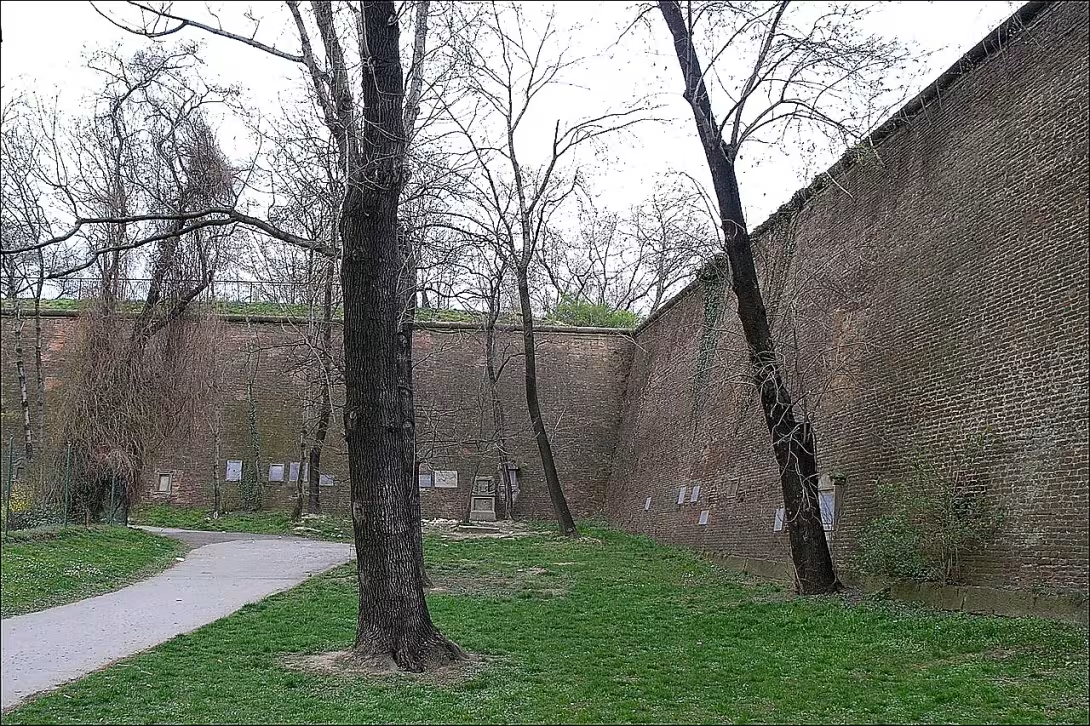
The Military Cemetery on Hradčany is a historically significant site located in Prague, at the intersection of the districts Hradčany and Štěrboholy. Established in 1786 for the artillery regiment, it served both military personnel from various branches and civilians after another cemetery closed. The site features remnants of baroque fortifications and is protected as a cultural monument. Over time, it has become part of Max van der Stoel Park.
Founded in 1786 to serve as the burial ground for the artillery regiment stationed in Prague, the Vojenský hřbitov na Hradčanech initially accommodated military personnel. Its use expanded after the closure of Malostranský hřbitov in Košířích, allowing civilian burials as well. The cemetery's historical significance is underscored by its location within baroque fortifications, specifically bastions X and XI, adding architectural interest.
Architecturally, the site originally featured military burials set against a backdrop of baroque fortifications. Significant changes occurred over time, including the removal of graves to a new cemetery in Štěrboholy in 1905. The area was later transformed into a park with preserved historical elements, such as gravestones crafted by notable stonemasons like Josef Emanuel Krondel. A unique star-shaped monument once marked the communal grave of Prussian soldiers, which was also moved to Štěrboholy.
Ownership and administration transitioned from military authorities, who managed it until its closure in 1898, to Prague city, which acquired it in 1910 for park development. This shift marked a significant change in the site's purpose and management, leading to its current state as part of Max van der Stoel Park.
Key events associated with the cemetery include the burial of Prussian officer Ferdinand von Roeder after being wounded at the Battle of Dresden in 1813. In 1866, a communal grave was established for several Prussian artillerymen who died from injuries and diseases during the Austro-Prussian War. These historical markers highlight the site's connection to significant military conflicts.
Today, the former cemetery is part of Max van der Stoel Park, offering visitors a blend of historical and natural attractions. The park preserves elements of its past, including gravestones and remnants of fortifications, making it a worthwhile visit for those interested in history and architecture. Its transformation into a public space allows for reflection on its rich military heritage while enjoying the tranquility of a modern urban park.
Then and now
Drag the slider to compare how the landmark may have looked when it was built with the view today.
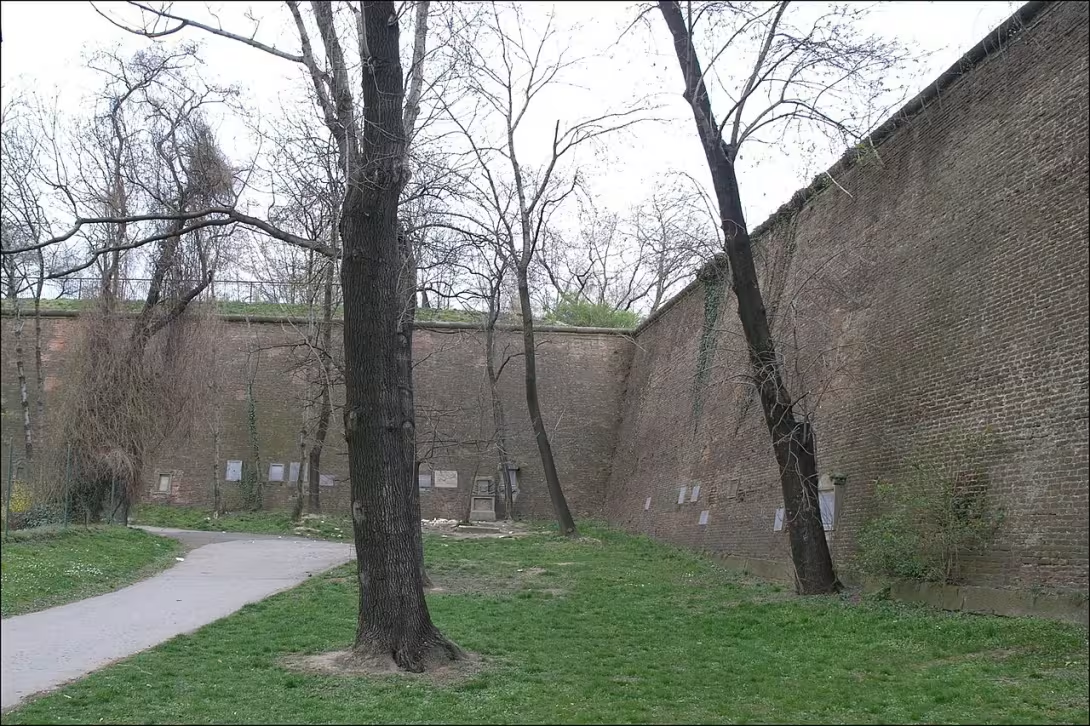
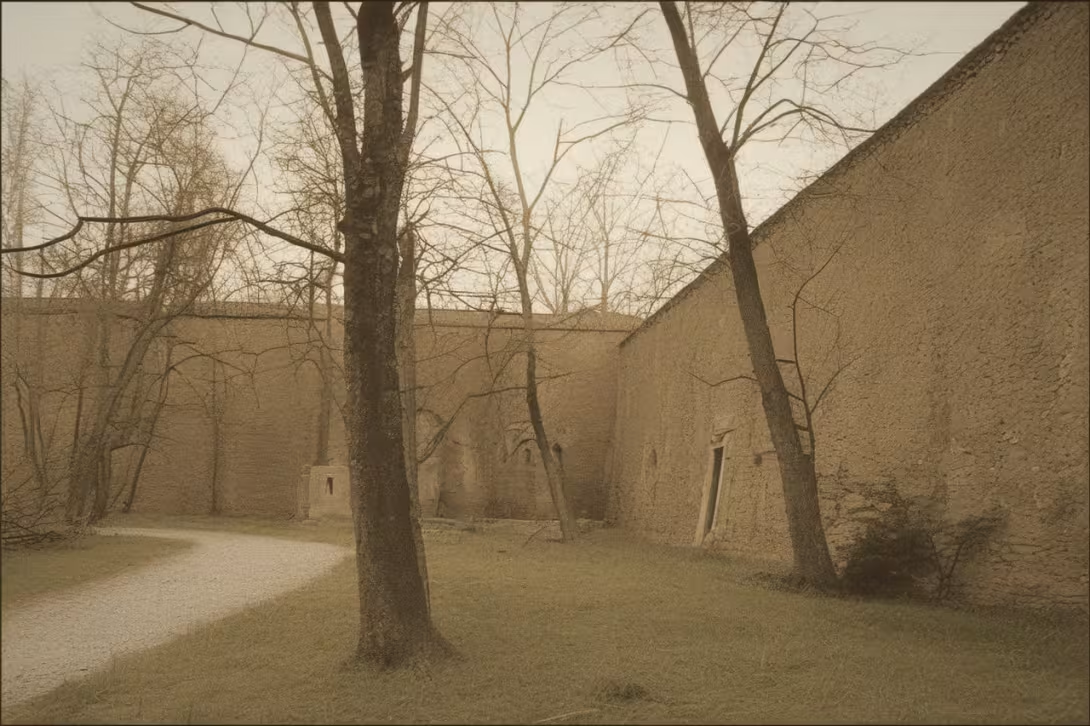
The historical appearance on the left is an AI-generated visualisation and serves as inspiration only.
Historical milestones
- 1813
- Burial of Prussian officer Ferdinand von Roeder after being wounded at the Battle of Dresden.
- 1866
- Establishment of a communal grave for several Prussian artillerymen who died from injuries and diseases during the Austro-Prussian War.
Architectural development
The site originally featured military burials and fortifications. Over time, it underwent significant changes, including the removal of graves to a new cemetery in Štěrboholy in 1905. The area was later transformed into a park with preserved historical elements.
Historical events
Established in 1786 as a burial site for the artillery regiment.
Served as a civilian cemetery after the closure of Malostranský hřbitov in Košířích.
Zoned into Max van der Stoel Park in 2014, with restoration efforts continuing.
Owners
Initially managed by military authorities until its closure in 1898, then acquired by Prague city in 1910 for park development.
Points of interest
- The Vojenský hřbitov na Hradčanech originally served as a burial ground specifically for the artillery regiment, highlighting its military-focused origins before expanding to include civilian burials.
- A unique star-shaped monument once marked the communal grave of Prussian soldiers at the cemetery; this distinctive feature was later relocated to Štěrboholy, reflecting changes in burial practices and site management over time.
- The gravestones within the former cemetery were crafted by notable stonemasons such as Josef Emanuel Krondel, adding an artistic dimension to its historical significance through their craftsmanship.
- After the closure of Malostranský hřbitov in Košířích, the Vojenský hřbitov na Hradčanech became a burial site for civilians as well, illustrating how shifts in local infrastructure influenced its use and importance within Prague.
- The cemetery's location within baroque fortifications, specifically bastions X and XI, integrates military history with architectural heritage, offering insights into the strategic significance of these structures during their time.
Guide
This guide is narrated by a synthetic voice generated by artificial intelligence.
Show guide text
This text was created by artificial intelligence and has not been editorially reviewed. It may contain inaccuracies.
The Military Cemetery in Hradčany is located in Prague on the border between Hradčany and Střešovice, on Patočkova Street. It stretches beneath baroque fortifications, under the bastion of Saint Francis Borgia, the bastion known as Kamenný, and the rampart between them. The cemetery is closed today and is protected as a cultural monument.
It was founded in 1786 for the garrison of the Prague artillery regiment. However, soldiers from other branches of the military and their families were also buried here, for example members of the territorial army, infantry regiments, and even the navy. After the closure of the Malá Strana cemetery in Košíře, it also served for civilian burials. The most burials took place during the Napoleonic Wars and during the Austro-Prussian War in 1866. The cemetery was guarded by a unit of artillery fusiliers.
For example, Josef Jüttner lies buried here, a cartographer and major general of the Austrian army who created the first map of Prague on a geodetic basis. The most prestigious tombstone belongs to Major General Wenzel Schipka, Knight of Blumenfeld. His coat of arms is carved upside down, because the general was the last of his line.
In 1866, a mass grave of Prussian soldiers was created here. Some died from burns during the disposal of ammunition in the Strahov casemates, others from typhus and cholera during the Prussian occupation of Prague after the Battle of Hradec Králové. The grave had a star-shaped tombstone with a cross in the middle. In 1905, the remains of Prussian soldiers and the monument were transferred to a new cemetery in Štěrboholy, which was demolished after the war in 1945. The monument to 28 Prussian soldiers was restored in Hradčany in 2016.
The military administration closed the cemetery in 1898, and in 1910 the Prague municipality purchased it and converted it into a park. During a survey in 1911, there were 99 metal and 85 wooden crosses, 114 monuments, and approximately 441 simple unmarked graves. No burials took place here during the First World War. In 2014, the area became part of the new Max van der Stoel Park.
In 1937, Bedřich Kšára recorded 155 tombstone plaques, built into the walls of the bastions or standing near them. About one fifth has survived. Some inscriptions were erased by erosion or deliberate damage. After the stolen plaques, only the frame or brick lining remained. Around the turn of 2020 and 2021, vandals damaged five plaques.
Tips for visitors
The best time to visit the Military Cemetery on Hradčany is during late spring or early autumn when the weather is mild, and the park's natural beauty is at its peak. These seasons offer pleasant temperatures for walking around the cemetery grounds without the summer crowds or winter chill. Additionally, visiting in these months allows you to enjoy the blooming flowers and lush greenery of Max van der Stoel Park, enhancing your overall experience.
The site is accessible by both car and public transport. It's recommended to verify current routes and schedules through a transportation app or website for the most accurate information.
When visiting the Military Cemetery on Hradčany, it’s advisable to bring comfortable walking shoes as you'll likely explore various areas of the park. A camera is also recommended to capture the serene beauty of the site and its historical monuments. Given that photography can be a significant part of your visit, consider bringing a lens with good low-light performance for capturing details in shaded areas or during early morning/late afternoon visits when the light is softer.
For families with children, the cemetery offers a unique educational experience about history and nature. While exploring, focus on engaging storytelling about the site's historical significance to capture their interest. The surrounding Max van der Stoel Park provides ample space for children to play or explore, making it an ideal spot for family outings. Remember to bring water and snacks to keep everyone comfortable during your visit.
Photography enthusiasts will find several spots within the cemetery that offer compelling compositions, especially during golden hours in the morning and late afternoon when the light is warm and soft. The contrast between the historical monuments and the natural landscape can create striking images. Be mindful of respecting the site's solemn nature while capturing its beauty.
Frequently asked questions
Can the monument be visited?
Cemeteries and graves are usually accessible; please respect the dignity of the place. We have not verified the opening hours of this cemetery. According to the heritage register restoration is under way, so access may be restricted.
Where is the monument?
Location: Hradčany, Hlavní město Praha. The map on this page shows the exact spot.
Why is the monument protected?
It is listed in the Central List of Cultural Monuments of the Czech Republic as a cultural monument (register no. 1000153288).
Businesses nearby
Do you run a restaurant, accommodation, shop, museum, rental, wellness or other visitor service near this monument? Show yourself directly to the people heading to it — this is how they will see you in the app and on the web:
Events nearby

Zdroj akcí: otevřená data měst a obcí ČR (Národní katalog otevřených dat) a kalendář akcí Národního památkového ústavu.
Nearby
Located near Hradčany and Štěrboholy districts in Prague, the site is now part of Max van der Stoel Park, offering a blend of historical and natural attractions.
Accommodation nearby
Trips and activities nearby
Guided tours, tickets and activities nearby from GetYourGuide
Affiliate link: if you buy from the partner, we may receive a commission. The price for you does not change.
Search tours and activities →Themed route
Tematická výletní trasa: Vojenský hřbitov na Hradčanech a okolí
1. Vojenský hřbitov na Hradčanech (Hlavní cíl) - Typ: Historické místo - Proč stojí za návštěvu: Tento hřbitov je jedinečným pohřebištěm pro vojenské postavy z různých historických období, včetně první světové války. Jeho klidné nádvoří a památníky nabízejí pohled na bohatou dějiny a válečné osudy mnoha vojáků.
2. Max van der Stoel Park - Typ: Park - Proč stojí za návštěvu: Nacházející se v blízkosti hřbitova, Max van der Stoel Park kombinuje historické prvky s přírodními krásami. Je to místo pro relaxaci a procházku mezi starověkými památkami a moderním zeleným prostředím.
3. Štěrboholský les - Typ: Lesní oblast - Proč stojí za návštěvu: Tento les je ideální pro krátké procházky nebo pikniky, nabízí klidné cesty mezi stromy a přírodní krajinou. Je to skvělý způsob, jak si užít přírodu v blízkosti historických míst.
4. Hradčanské nádvoří - Typ: Historické nádvoří - Proč stojí za návštěvu: I když je to místo bezprostředně spojené s hřbitovem, Hradčanské nádvoří nabízí pohled na historickou architekturu a atmosféru starých českých ulic. Je to ideální místní prohlídka po návštěvě hřbitova.
Tato trasa kombinuje historii s přírodním klidem, nabízejíc výlet plný zajímavostí a krásy okolí Hradčan.
Seasonal recommendations
Spring: As the Vojenský hřbitov na Hradčanech emerges from winter's embrace, spring brings a delicate transformation to the landscape. The reawakening of nature is evident in the budding trees and vibrant flowers that begin to dot the grounds, creating an ethereal atmosphere perfect for contemplation. With longer daylight hours, visitors can enjoy extended visits as the site gradually opens up after its quiet winter months. It's advisable to dress in layers; mornings may still be cool, but temperatures rise as the day progresses. This season offers a peaceful experience with fewer crowds, allowing you to appreciate the historical significance of the hallowed grounds without interruption.
Summer: The summer at Vojenský hřbitov na Hradčanech is characterized by lush greenery and warm sunlight that accentuates the architectural beauty of the site. This period often coincides with peak tourist season in Prague, so expect larger crowds. To make the most of your visit during this vibrant time, it's wise to arrive early in the morning when temperatures are cooler and visitor numbers are lower. Comfortable footwear is essential for exploring the expansive grounds, and light, breathable clothing will help you stay cool under the summer sun. The lively atmosphere makes it an ideal time to immerse yourself in the history while enjoying the natural beauty of the site.
Autumn: Autumn at Vojenský hřbitov na Hradčanech offers a captivating display of colors as the leaves turn golden and crimson, creating a picturesque backdrop for visitors. The cooler temperatures make it comfortable to stroll through the grounds and explore the intricate details of the monuments without the summer heat. This season often sees fewer tourists compared to summer, providing a more serene environment to reflect on the site's historical significance. Layered clothing is recommended as evenings can be brisk, but daytime visits remain pleasant. The gentle autumn light adds a unique charm to the hallowed space, making it an enchanting time for a visit.
Winter: During winter, Vojenský hřbitov na Hradčanech takes on a quiet and contemplative atmosphere as snow blankets the landscape, transforming the site into a serene winter wonderland. The shorter daylight hours mean that visits are best planned during midday when light is at its peak, allowing for better visibility of the intricate details of the monuments. Visitors should dress warmly in layers to combat the cold weather, with insulated footwear being essential for navigating the potentially icy paths. Despite the site's reduced operating hours and potential closures due to extreme weather conditions, winter offers a unique opportunity to experience the hallowed grounds in a peaceful setting, away from the bustle of peak tourist seasons.
Visualizations and artistic views


The visualisations are generated by artificial intelligence and serve as inspiration.
Photos from the area
Real photos taken near the monument


Zdroj a licence jsou uvedeny u každého snímku.
Tips from visitors
No tips yet. Be the first!
Log in and add your tip.
Sources and literature
Photos: Matěj Baťha / CC BY-SA 2.5 — Wikimedia Commons. The author and licence also appear when you hover over the image.
Faktickým podkladem tohoto textu byl článek na Wikipedii, jehož autory jsou přispěvatelé Wikipedie. Článek je dostupný pod licencí CC BY-SA 4.0.
Location on the map

Příběhy a pověsti
Legendy, pověsti a příběhy spjaté s touto památkou
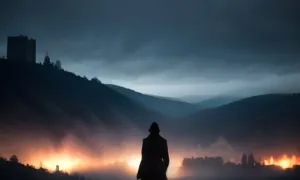
Příběh: Vojenský hřbitov na Hradčanech
Bylo to v pondělí ráno, kdy Jindřich Miesitschek z Výškova se ocitl uprostřed hlaholu zvonících kostelních hodinek a tajemného černého mraku, který obléhal v…
Číst příběh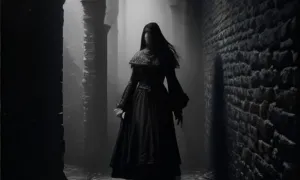
Pověst: Vojenský hřbitov na Hradčanech
Traduje se, že kdo projde ulicí Patočkovou za soumraku a zastaví se u zdi pod barokním opevněním, může v tom tichém koutě mezi Hradčany a Střešovicemi uslyše…
Číst příběhFotografie návštěvníků
Zatím žádné fotografie. Buďte první, kdo přidá fotografii z návštěvy!
Log in a přidejte svou fotografii nebo hodnoťte.
Za ověřenou návštěvu v aplikaci získáte víc bodů — poznáme podle GPS, že jste na místě.
Reviews and comments