



Zámek Běhařov Chateau
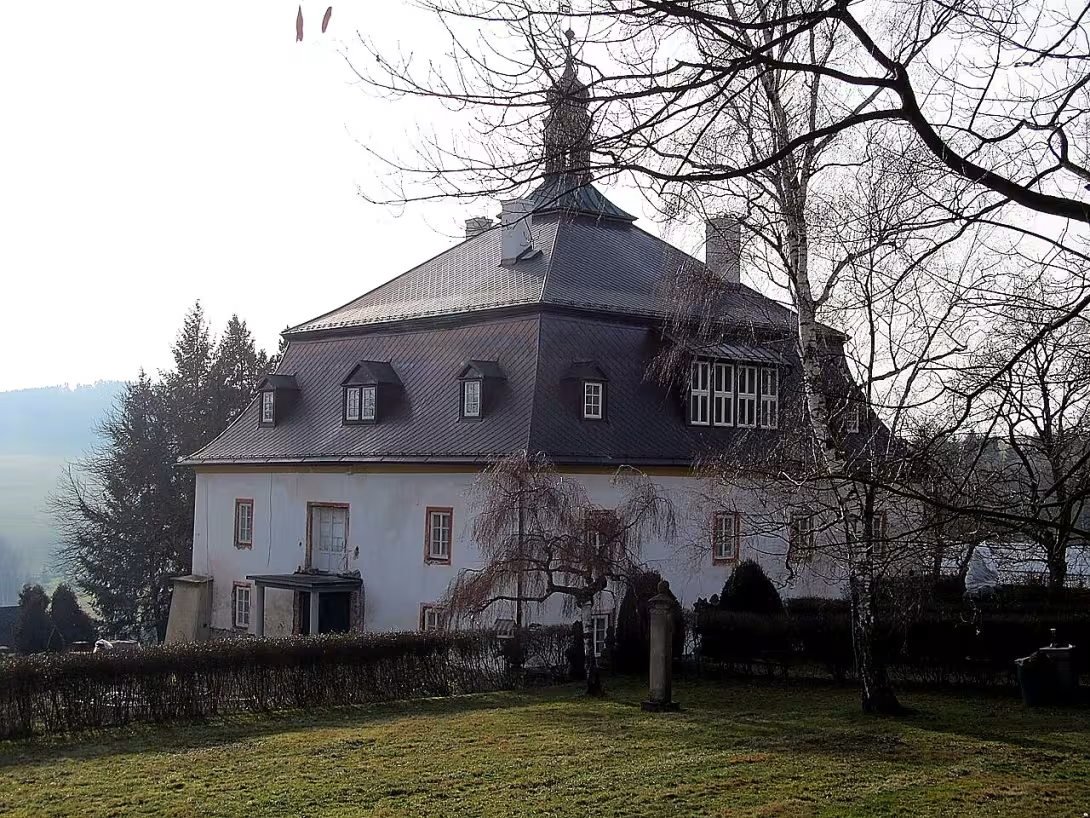
Běhařov is an interesting example of the transformation of medieval fortress into Baroque castle. It lies in a small village of the same name in the district Klatovy and is one of the protected cultural monuments of the Czech Republic. The building area retains its characteristics over the centuries and remains a symbol of the continuity of the Czech cultural heritage.
The fountains are reminiscent of a cross-country fort since the 14th century when the village was divided into three properties belonging to various owners - Bushka, Livik and Sezem of Běhařova. One of these flags, Sezema, married his relative Dorota and had to travel to Rome in person to demand a church dispensation. The latest report on the family of cross-country flags dates back to 1385. From this moment on, rights and ownership dissolve in the silence of centuries, until they appear brighter again in the sixteenth century.
Over the next generations, the estate changed its owners several times. In 1510 it belonged to Henry of Malovice, in 1527 Johance of Hognest. Her daughter Margaret married Bernard Barchanka from Barshov who bought the estate. In 1543, he sold it to Jan Sadl of Kladrubec. The ownership gradually went to Jáchym Fremut and his sons Brykci and Burjan, later to Dorota with Bořivoj Moon and to other owners. In the middle of the seventeenth century, the estate came into the hands of Count Karl Heřman Koc of Dobrše, who joined him to the Byšice estate. So the fortress stopped being a mansion.
The site was restored a century later. In the middle of the eighteenth century, Hubatiové z Kotnova, who acquired the manor in 1738, took the task of rebuilding the old fortress into a small Baroque castle. Older Gothic and Renaissance vaults were preserved in the wall, so the work was mainly limited to external transformation. However, the final appearance was obtained only in the 1920s when the painter Alois Kalvoda dealt with it. He bought the castle in 1918 and opened a summer painting school in it. Between 1923 and 1927 he made substantial modifications which gave the building its current form.
The castle is situated in a mild slope in a park area surrounded by a stone fenced wall with a gate on the north side. The building has a rectangular floor plan and a triple Mansard roof, from which a tower with an onion roof runs out. The ground floor areas are sealed with vaulted vaults, there is a cross vault in the hall. The premises include the house of the concierge, the statue of St. Wenceslas, the wine cellar and the niche with the statue of the Virgin Mary. Part of the park is a swimming pool with broddle and collection of sculptures: bronze statue Song of our mountains by Josef Drahonovský, statue Pasáčka by František Uprka on the porridge and sculpture of the Girl Act by Jan Štursa.
During the second half of the twentieth century, the castle area served as the seat of the Regional Institute of National Health in Klatovy. Sculpture works in the park resemble the cultural wealth of the complex. Zámek Běhařov remains an interesting destination for those who want to become acquainted with Czech Baroque architecture and long history of the transformation of medieval manor.
Then and now
Drag the slider to compare how the landmark may have looked when it was built with the view today.
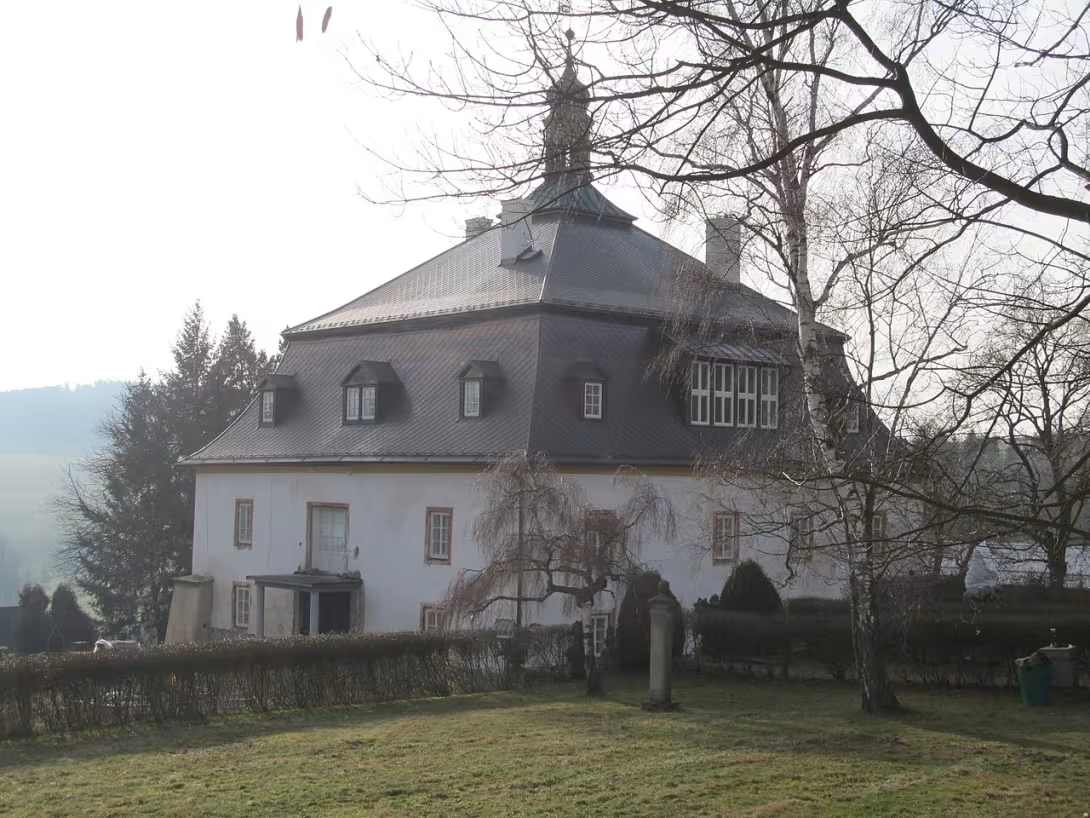

The historical appearance on the left is an AI-generated visualisation and serves as inspiration only.
Historical milestones
- Rebuilding the fort to the Baroque castle in the first half of the eighteenth century
- 1923-1927
- The preserved form of the building after the reconstruction of Alois Kaldov
Architectural development
Originally a medieval fortress was converted into a Baroque castle in the first half of the eighteenth century. In the eighteenth century, the Gothic and Renaissance vaults were preserved, suggesting only partial reconstruction. In the twentieth century, the building was further modified by Alois Kaldov.
Historical events
- First half of the 18th century
- Rebuilding the fort to the Baroque castle
- 1923-1927
- The preserved form of the building after the reconstruction of Alois Kaldov
Owners
- 1379
- ['Buško z Běhařova', 'Lviček z Běhařova', 'Sezema z Běhařova']
- 1510
- Jindřich z Malovic
- 1527
- Johana z Hognestu
- 1533
- Bernart Barchance z Baršov (bought from Johana)
- 1543
- Jan Sádlo z Kladrubec (bought from Bernarto)
- 1590
- Burjan Fremut ze Stropčic
- 1608
- Eva Měsíčková z Údrče
- 1609
- Anna Měsíčková z Ottersfeldu
- 1631
Points of interest
- Běhařov is an example of the transformation of medieval fortress into Baroque castle. - The castle is one of the protected cultural monuments of the Czech Republic and symbolizes the continuity of the Czech cultural heritage. - The first mention of the cross-country fort dates back to the 14th century, when the village was divided into three properties belonging to various owners. - In the middle of the 18th century, Hubatiové z Kotnova rebuilt the old fortress into a small Baroque castle and preserved in it older Gothic and Renaissance vaults. - Alois Kalvoda, who bought the castle in 1918, made substantial modifications between 1923 and 1927, making the castle its present appearance.
Guide
This guide is narrated by a synthetic voice generated by artificial intelligence.
Show guide text
This text was created by artificial intelligence and has not been editorially reviewed. It may contain inaccuracies.
Běhařov in the Klatovsko region was originally a fortified settlement which was rebuilt in the eighteenth century into a small Baroque château. The entire château complex is now protected as a cultural monument.
The fortified settlement stood there already in the fourteenth century. The village was at that time divided into three estates which in the year 1379 belonged to Bušek, Lvík and Sezem from Běhařov. It is known about Sezem that he married his relative Dorota even before the year 1376. Because of this he travelled personally all the way to Rome where he asked for a church exemption. The last mention of the Běhařov nobles comes from the year 1385.
Then the sources fall silent for a long time. From the sixteenth century the owners changed frequently. After the family of the Fremuts from Stropčice the manor was divided between brothers Brykcí and Burjan. Brykcí lived on the fortified settlement and Burjan on a newly built farmhouse. After Brykcí's death Burjan managed the property of his underage daughter Dorota. In the year 1590 he handed the fortified settlement over to her in a very neglected condition, the buildings and roofs were apparently badly dilapidated.
In the seventeenth century count Karel Heřman Koc from Dobrše bought the estate and attached it to the Bystřice manor. The fortified settlement thereby stopped serving as a noble residence. The Hubaty family from Kotnov who acquired the manor in the year 1738 then rebuilt it into a Baroque château. Under its new form there remained preserved in the walls older Gothic and Renaissance vaults.
The château received its present appearance only in the twentieth century. In the year 1918 it was bought by the painter Alois Kalvoda and he opened a summer painting school there. Between the years 1923 and 1927 he adapted the building to its preserved appearance. In the second half of the twentieth century the complex was used by the District Institute of Public Health in Klatovy.
The château has a rectangular ground plan and a triple mansard roof from which a small tower with an onion dome protrudes. The ground floor is vaulted with barrel vaults, the corridor with a cross vault. The building stands on a gentle slope in the middle of a park which is surrounded by a stone wall with a gate on the northern side.
The complex also includes a gatehouse, a wine cellar, a swimming pool with a wading area, a statue of Saint Václav and a niche with a statue of the Virgin Mary. The park is decorated with works by significant sculptors. The bronze statue Song of Our Mountains was created by Josef Drahoňovský, The Milkmaid at the fountain is by František Úprka and Female Nude is the work of Jan Štursa.
Tips for visitors
The best time to visit the castle Běhařov is from spring to autumn when the beautiful weather and nature are in full bloom. This time of year is ideal for walking around the castle and exploring the surrounding park.
When visiting the castle, remember the comfortable shoes that will be suitable for walking on the terrain. Fill your package with sunscreen and sun protection cream, especially in the summer months.
Photography of the castle Běhařov offers several interesting views. The best light is usually in the morning or in the evening when the sun illuminates the structure in fine light. The park around the castle also offers beautiful places for photos.
In the vicinity of the castle Běhařov you can visit the historical church, which is located nearby and can be reached by foot in approximately 30 minutes. For families with children, this place is interesting for exploring local history.
Frequently asked questions
Can the monument be visited?
Some buildings of this kind are open for guided tours, others serve another purpose or are privately owned. We have not verified whether and when this monument is open – please ask the operator.
What are the opening hours and admission?
We have not verified the opening hours or admission. Current information is published by the operator.
Where is the monument?
Location: č.p. 1, Běhařov, Plzeňský kraj. The map on this page shows the exact spot.
Why is the monument protected?
It is listed in the Central List of Cultural Monuments of the Czech Republic as a cultural monument (register no. 18455/4-2731).
For kids
Imagine going back to the past, when the world was full of secrets and magic. And it was here, in the village Běhařov, that the castle was today protected as a cultural monument of the Czech Republic.
How did it look here? Who lived here? What happened here? Zámek Běhařov was built in the first half of the eighteenth century, so at that time the surrounding landscape was full of forests and meadows. People lived here mainly from agriculture and pasture. They were people who liked nature and lived in harmony with it.
Businesses nearby
Do you run a restaurant, accommodation, shop, museum, rental, wellness or other visitor service near this monument? Show yourself directly to the people heading to it — this is how they will see you in the app and on the web:
Nearby
Ambient landscape
Accommodation nearby
Themed route
We enter the village Běhařov, where Zámek Běhařov is located. This castle is worth a visit thanks to its unique architecture and rich history. In its vicinity is the Church of St. Peter and Paul, which is an important cultural monument and is worth visiting thanks to its Romanesque architecture and precious objects of art.
Zámek Běhařov is located near the Lipenska saw, which in the past was an important economic and cultural centre. Also visit the Lipen dam, which offers beautiful views and recreational activities.
Seasonal recommendations
Spring: Spring is the perfect time to visit the Běhařov Castle, when nature wakes up from winter sleep and surrounding the castle is the green. The atmosphere is relaxed and full of optimism. If you are going to visit the castle in the spring period, we recommend you arrive earlier, because this season more tourists are starting to visit the castle and monuments. Dress for mild weather, it is pleasant to warm in summer.
Summer: Summer is the main season when the castle Běhařov is the most visited. The weather is pleasant here in the summer, but due to the large crowds we recommend you come earlier to see the castle without large queues. The atmosphere is relaxed and full of life, you can enjoy pleasant walks in the garden and surroundings. Don't forget to bring an umbrella, because even in summer, rain can come.
Autumn: Autumn is a beautiful season for visiting the castle Běhařov, when nature has faded and is full of colors. The atmosphere is relaxed and full of melancholy. If you are going to visit the castle in the autumn period, we recommend bringing warm clothes as temperatures may drop. The opening time is also shorter in the autumn season, so try to visit the castle in advance.
Winter: Winter is a peaceful season for visiting the castle Běhařov, where it is pleasantly warm and you can enjoy a quiet walk around the castle. The atmosphere is calm and full of snow. If you are going to visit the castle in the winter, we recommend you bring warm clothes because temperatures may fall.
Visualizations and artistic views


The visualisations are generated by artificial intelligence and serve as inspiration.
Photos from the area
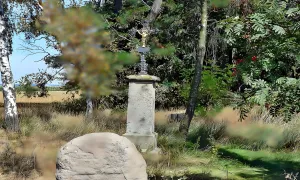
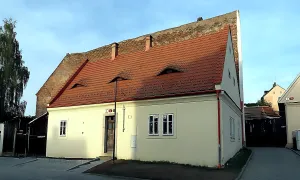
Real photos taken near the monument


Zdroj a licence jsou uvedeny u každého snímku.
Atmosphere of the place
This atmospheric visualisation of the place and period was generated by artificial intelligence. It is not real footage of the location.
Tips from visitors
No tips yet. Be the first!
Log in and add your tip.
Sources and literature
Photos: Krabat77 / CC BY-SA 3.0 — Wikimedia Commons. The author and licence also appear when you hover over the image.
Faktickým podkladem tohoto textu byl článek na Wikipedii, jehož autory jsou přispěvatelé Wikipedie. Článek je dostupný pod licencí CC BY-SA 4.0.
Location on the map

Příběhy a pověsti
Legendy, pověsti a příběhy spjaté s touto památkou
Fotografie návštěvníků
Zatím žádné fotografie. Buďte první, kdo přidá fotografii z návštěvy!
Log in a přidejte svou fotografii nebo hodnoťte.
Za ověřenou návštěvu v aplikaci získáte víc bodů — poznáme podle GPS, že jste na místě.
Reviews and comments