



Zámek Osová Chateau
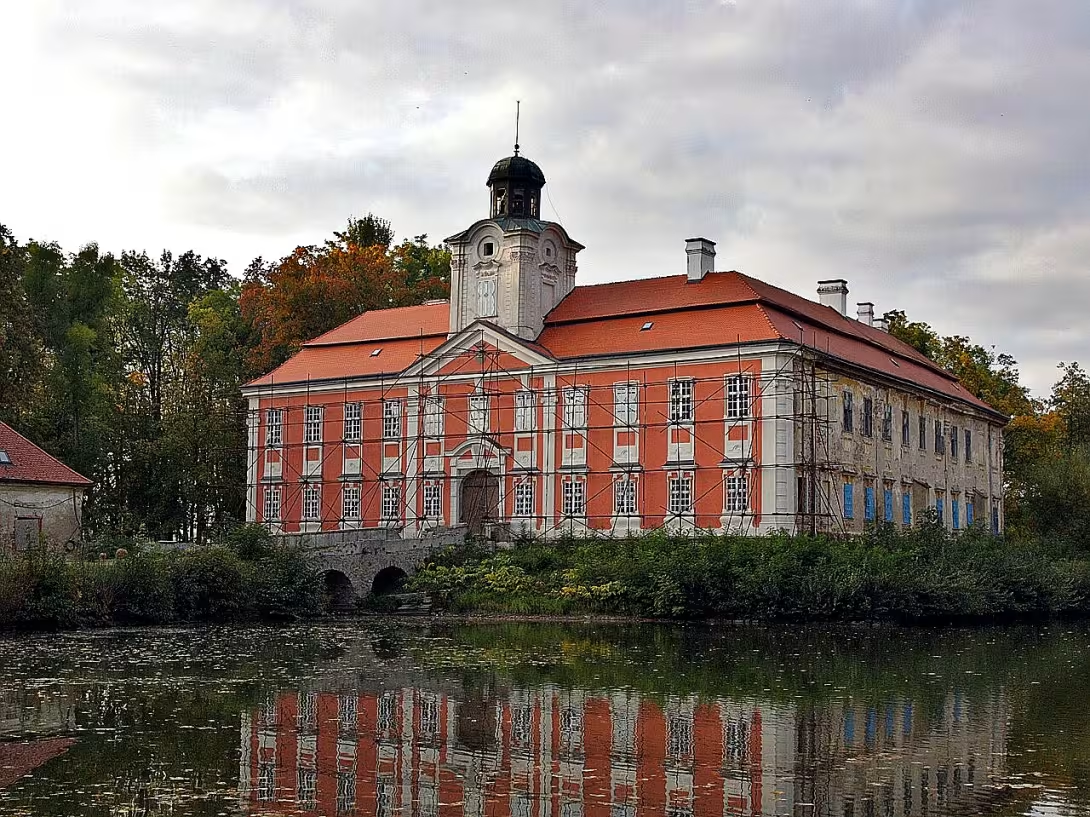
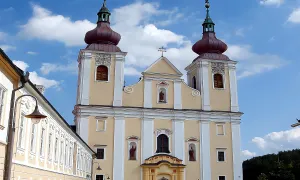
Zámek Osová in the municipality Osová In the Žďár nad Sázavou district, the poor girl is the result of more than seven hundred years of gradual building modifications and changes to owners. Today's baroque building of a closed quadruple layout grows from the original Gothic water fortress from the beginning of the 14th century, which later renaissance reconstructions adapted according to the style at the time. The whole made up of a castle and a natural landscape park is protected as a cultural monument.
Osová appeared for the first time in the written sources of 1329, when Henry of Ron and Axis held it. The gentlemen of Ronov have probably established a fortress here in the territory originally belonging to the Dominion of Pribyslav of Křižanov. The water fort is directly reminiscent of 1348. Over the next decade, the castle was changing owners. In 1373 it was awarded by Margrave Jan Jindřech to the Elder of Lomnice in the summer. In 1407 he conquered it and defeated Vok mladší z Holštejna, allegedly by order of the Margrave. Later, Lacek z Meziříčí, Zbyněk from Doubravice and other noblemen took control.
The crucial break came in 1552 when the fort bought Jan Polcar z Paračova. The construction is then declared desolate. In the second half of the 16th century the Polcaras restored the fortress in Renaissance style and in 1577 it is already mentioned as a castle. After a number of other changes, the castle in 1612 came into the hands of Jan Jiří Humpolecký of Rybenska. He had a difficult time: in May 1638 he burned down and in 1643 he was plundered by passing troops. However, it gradually recovered from the damage and in 1691 it was documented as unbuilt.
In the 1920s, during the possession of Catherine of Waldorf, the castle underwent an important Baroque reconstruction. Originally closed five-wing layout was adapted to quadruple in the spirit of baroque symmetry. Two broken north wings replaced one straight wing and the west wing shifted out. A typical clock tower has grown above the southern facade. The author of the project was supposed to be Morice Grimm.
Since 1797, the castle was owned by Haugvice, the owners of the neighbouring town estate. Although they held it until 1945, the castle was not used as their headquarters - the administration of the estate was transferred to the Square to Celebration. In 1811 it was rented to set up a leather factory that worked here until 1822. After the factory was closed, the Haugvics started a gradual renovation. Before 1835 they had the western part of the Okolík pond buried. The newly created areas along with the existing garden were adapted to the natural landscape park. In 1835 Karel Wilhelm Haugwitz (1797- 1874) had the castle classicically restored to the form of a representative residence.
Osová remains protected as a cultural monument to this day. From the east it is surrounded by the Okolík pond, the natural landscape park is situated in the west. The construction is a testament to the long development of Central European architecture from the Gothic water fortress to the Renaissance and Baroque reconstruction to its classical unification in the 19th century.
Then and now
Drag the slider to compare how the landmark may have looked when it was built with the view today.
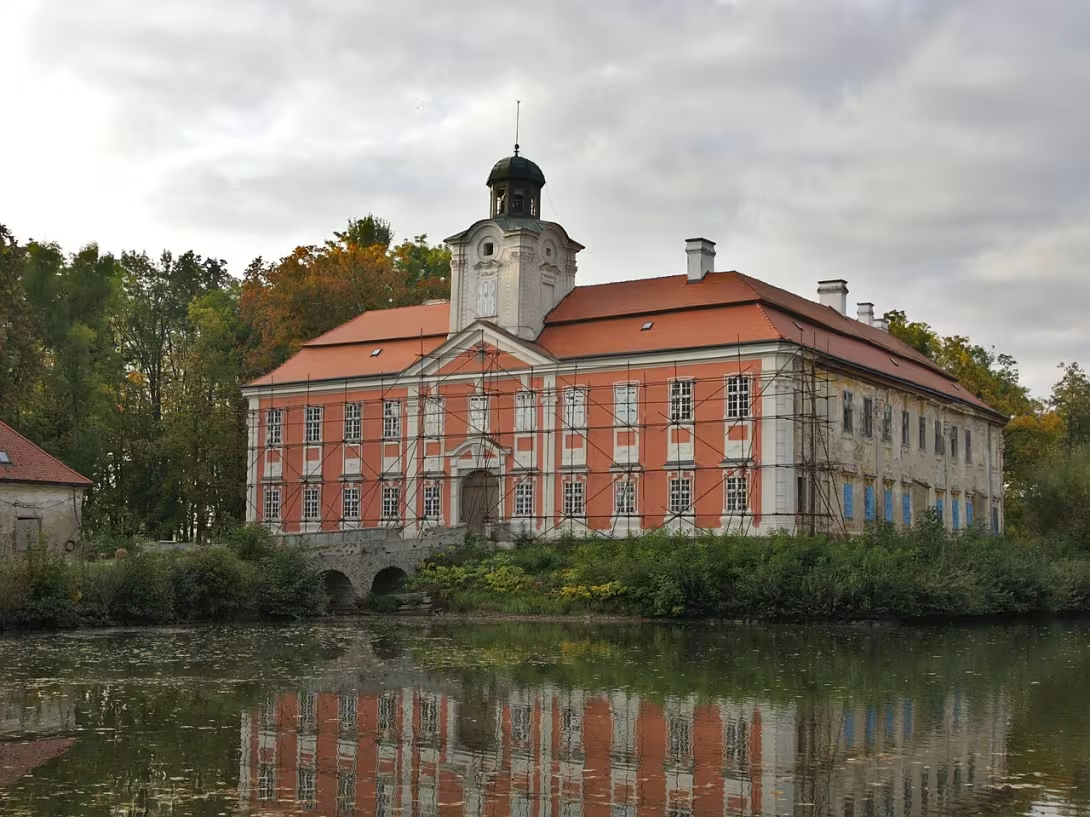

The historical appearance on the left is an AI-generated visualisation and serves as inspiration only.
Historical milestones
- 1329
- Osová first appears in written sources.
- 1407
- Vok mladší z Holštejna conquered and destroyed the fortress.
- 1638
- The castle burned down because of the fire.
- 20 18th century
- Baroque reconstruction of the castle for ownership of Catherine of Waldorf.
Architectural development
Zámek Osová has undergone several architectural phases, beginning with a Gothic water fortress from the beginning of the 14th century. In the Renaissance period it was rebuilt and later there was a baroque transformation which included conversion to quadruple available. Classicist modifications in the 1920s gave the castle its present appearance.
Historical events
- 1407
- Vok mladší z Holštejna conquered and destroyed the fortress.
- 1638
- The castle burned down because of the fire.
- 20 18th century
- Baroque reconstruction of the castle for ownership of Catherine of Waldorf.
Owners
- 1329
- 1366
- 1373
- 1407
- 1415
- 1531
- 1552
- 1581
- 1590
- 1594
- 1612
- 1662
- 1694
- 1708
- 1796
- 1797
Points of interest
- Zámek Osová is the result of more than 700 years of successive building modifications and changes of owners.
- The original Gothic water fortress from the beginning of the 14th century was later adapted to the Renaissance style before it evolved into today's Baroque building.
- In 1552, the fort was bought by Jan Polcar z Paračova, and during the second half of the 16th century it was restored in Renaissance style, which led to a change of title to the castle.
- A significant Baroque reconstruction of the castle was carried out in the 1920s during the ownership of Catherine of Waldorf, when the original five-wing layout was modified to four-wing.
- From 1797 until 1945 the castle was owned by Haugvics, but it was not their seat; Instead, in 1811, they set up a leather factory.
Guide
This guide is narrated by a synthetic voice generated by artificial intelligence.
Show guide text
This text was created by artificial intelligence and has not been editorially reviewed. It may contain inaccuracies.
Osová is a Baroque château in the village of the same name, which belongs to the municipality of Osová Bítýška in the Žďár region. The building has a closed four-wing layout. From the east it is surrounded by the Okolník pond, and on the western side extends a landscape park. The château along with the park is protected as a cultural monument.
The origins date back to the beginning of the 14th century, when the lords of Ronov probably established a water fortress here. In written sources, Osová first appears in 1329, when it was held by Henry of Ronov and Osová. The fortress itself is directly mentioned in 1348. In 1373, Čeněk of Letovice and Ronov sold the estate to the Moravian Margrave John Henry. In 1407 the seat was conquered and demolished by Vok the Younger of Holštejn, allegedly on the margrave's orders. From 1415 the estate belonged to the lords of Doubravice, who held it until 1531.
Then came the decline. When Jan Polcar of Paračov bought the fortress in 1552, it is recorded as abandoned. The Polcars rebuilt it in Renaissance style during the second half of the 16th century, and by 1577 it is already mentioned as a château. The owners then changed frequently. Under the Humpoleckýs of Rybensk, the château burned down in May 1638, and after repairs it was plundered by passing troops in 1643. According to an inventory list from 1691, it was not permanently inhabited.
The château underwent a fundamental transformation, possibly in the 1720s under Catherine of Waldorf. The original five-wing building was remodeled in the spirit of Baroque symmetry into a regular four-wing structure. The western wing was moved outward, two broken northern wings were replaced by one straight one, and a clock tower rose above the southern façade. The author of the project was possibly Maurice Grimm.
In 1797 the Haugvicels, owners of the neighboring Náměště estate, bought Osová and held it until 1945. They did not use the château as a residence and moved the estate administration to Náměště nad Oslavou. Between 1811 and 1822 a leather tanning factory operated here, which required significant alterations to the building. Then a gradual restoration began. Before 1835 the western part of the pond was filled in and the dam moved, which eliminated the water moat around the château. From the new areas and the former Baroque ornamental garden, a landscape park was created. In 1835 Charles William Haugwitz had the château restored in the classical style to the appearance of a representative residence.
Tips for visitors
The best time to visit the castle Osová is in the spring or autumn season when the flowers are in the park in its full beauty and the temperature is pleasant for walks. What to take with you: Don't forget the sun protection and plenty of drinking water, especially in the summer months. Photography - the best places and light: It is ideal for photos of the castle in the afternoon when the sun illuminates Baroque architecture and park sets in the most beautiful light. Also remember the panoramic view from the north side of the castle. What to visit in the area: In addition to the castle itself is the lake Okolík ideal for relaxation and a short walk. For families with children: The park offers a pleasant space for playing, and children can also enjoy the water area of the Okolík pond.
Frequently asked questions
Can the monument be visited?
Some buildings of this kind are open for guided tours, others serve another purpose or are privately owned. We have not verified whether and when this monument is open – please ask the operator.
What are the opening hours and admission?
We have not verified the opening hours or admission. Current information is published by the operator.
Where is the monument?
Location: Osová 1, 59453 Osová Bítýška, Kraj Vysočina. The map on this page shows the exact spot.
Why is the monument protected?
It is listed in the Central List of Cultural Monuments of the Czech Republic as a cultural monument (register no. 16521/7-4342).
For kids
Imagine going back to a time when the woods here were full of secrets and false legends. Zámek Osová was then a Gothic water fortress that protected the citizens of the village from attacks by enemies.
How did it look here? Who lived here? What happened here? At that time, Osová was a small village where there were people who lived off the land and ponds. The village was surrounded by forests that were full of wild animals and secrets.
Businesses nearby
Do you run a restaurant, accommodation, shop, museum, rental, wellness or other visitor service near this monument? Show yourself directly to the people heading to it — this is how they will see you in the app and on the web:
Events nearby
Zdroj akcí: otevřená data měst a obcí ČR (Národní katalog otevřených dat) a kalendář akcí Národního památkového ústavu.
Nearby
The castle is surrounded by a natural landscape park.
The lake Okolík is adjacent to the castle.
Accommodation nearby
Themed route
Zámek Osová is an ideal starting point for a beautiful and engaging route that offers a combination of historical interest and natural beauty. This route consists of three main points:
1.Zámek Osová * Type: * Historical lock * Why is it worth visiting: * Zámek Osová is an architectural pearl with a rich history dating back to the 13th century. Its beautiful interiors and views of the surrounding countryside offer visitors a view of the past and an opportunity to explore Czech history.
2. Natural landscape park * Type: * Park * Why is it worth a visit: * The park surrounding the castle is an ideal place to relax and walk in nature. Its diverse species of plants and animals, along with the idiotic landscapes, offers peaceful moments from everyday life.
3. Pond District * Type: * Pond * Why is it worth a visit: * Adding to the castle pond Okolík is the perfect place to relax and observe nature. Its peaceful waters and surrounding vegetation provide the ideal environment for a picnic or just for a while sitting by the water.
This route offers visitors the opportunity to immerse themselves in history and nature, making it an ideal experience for the whole family.
Seasonal recommendations
Spring: In the spring season the Osová Castle offers a wonderful view of flowering shrubs and trees that create a lively and attractive atmosphere. The sun illuminates the architectural details of the castle finer than in the summer sun, allowing them to capture their beauty without unpleasant glare. This is an ideal time to visit, where crowds are still avoiding and you can enjoy a quiet walk around the castle. It is recommended to wear light clothes with sun helmets and shoes suitable for potentially dry or wet conditions, as spring weather can suddenly be variable.
Summer: Summer is exceptional for its long days and warm sun rays that illuminate the Osová castle in the most beautiful light. In the main summer season there may be more visitors' memory, so it is a good idea to come earlier if you are looking for a peaceful walk. Don't forget to wear protective sunglasses and plenty of water because warm weather can be exhausting. Light clothing is recommended also for walking comfort between different historical parts of the castle.
Autumn: In autumn the Osová Castle offers a unique atmosphere when trees in the surroundings reveal themselves in their colour. The sunny days are beautifully lit and less hot than in summer, which allows to capture the architectural beauty of the castle with a clear view. This even milder time of the year attracts fewer visitors, leading to calmer walking experiences. It is recommended to wear laminated clothing that allows to adapt to variable temperatures, and suitable shoes on potentially dry or wet conditions.
Winter: Winter visit to the castle Osová offers a calm and quiet atmosphere with mild days when the lighting is slower and warm. This time of year can be ideal for those who are looking for a rest from winter noise and cold outdoors because the attendance is usually lower. It is recommended to wear warm clothes, including fur coats or jackets, as well as protective shoes to ensure comfort when walking on freezing roads. The opening times of the monument are shorter, so it is advisable to check the current time schedule before the visit.
Visualizations and artistic views


The visualisations are generated by artificial intelligence and serve as inspiration.
Photos from the area
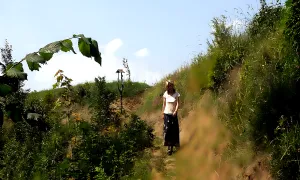
Real photos taken near the monument


Zdroj a licence jsou uvedeny u každého snímku.
Atmosphere of the place
This atmospheric visualisation of the place and period was generated by artificial intelligence. It is not real footage of the location.
Tips from visitors
No tips yet. Be the first!
Log in and add your tip.
Sources and literature
Photos: RomanM82 / CC BY-SA 4.0 — Wikimedia Commons. The author and licence also appear when you hover over the image.
Faktickým podkladem tohoto textu byl článek na Wikipedii, jehož autory jsou přispěvatelé Wikipedie. Článek je dostupný pod licencí CC BY-SA 4.0.
Location on the map


Příběhy a pověsti
Legendy, pověsti a příběhy spjaté s touto památkou
Fotografie návštěvníků
Zatím žádné fotografie. Buďte první, kdo přidá fotografii z návštěvy!
Log in a přidejte svou fotografii nebo hodnoťte.
Za ověřenou návštěvu v aplikaci získáte víc bodů — poznáme podle GPS, že jste na místě.
Reviews and comments